Iodine, food by food
Ranking · Iodine · listed only
Listed only, outside the score (the 0-to-1 number that orders foods for a goal, built from 22 other nutrients), and with no absorption figure: the foods below are ranked by the amount the databases list in one serving.
Your thyroid builds its hormones from it. They set how fast your cells work, and a baby’s bones and nervous system need them to develop.
An adult is advised to get about 150 µg a day. ?
How we counted this
Health Canada’s Dietary Reference Intakes, adults 19–30. The word beside each food says how much of that one serving gives.
A milligram (mg) is a thousandth of a gram, and a microgram (µg) a thousandth of a milligram: 1,000 µg make 1 mg.
The plain words beside each food: “a lot” means one serving gives at least 20% of the daily amount, “some” at least 10%, “a little” at least 2%; below that it says “almost none”. Each row prints its percentage of the daily amount, rounded to a whole number, and the word is read from that printed percentage (a row at 9.6% prints 10% and reads “some”). The cut-offs are ours, one set for every page: 20% and 10% are borrowed from the US labelling terms “high” and “good source”, and applied to Health Canada’s daily amount; Health Canada’s own shopper rule says 15%, and we keep one number so a percentage never changes meaning (provisional: they may change in a later method version).
What it does: NIH Office of Dietary Supplements, iodine fact sheet for health professionals. How much a day: Health Canada, Dietary reference intakes tables: Reference values for elements.
Most per serving: cottage cheese (57.1 µg), then plain whole-milk yogurt and feta.
Listed amounts, not what your body absorbs. Where a human study measured absorption, the food’s page shows it. ?
How we counted this
Listed for 21 of the 198 preparations on this page (150 foods). The other 177 aren’t zero, just not listed: see “Not listed” below.
Only 21 of 198 preparations have a listed value, so this ranks only the few measured. A missing food may well contain some.
The 159 reviewed foods (229 preparations) are counted here, and raw and cooked spinach are two preparations of one food. Each row below is one preparation, and 198 of them are on this page. The other 31 are left out: 19 raw or dry forms of a food ranked as eaten (listed below) and 12 fortified foods. Imported foods are listed separately below, not ranked. Every amount here is copied from the national food databases, as published. A serving’s weight is shown rounded, and the amount is worked from its exact weight, so a row can differ slightly from weight times the per-100 g figure.
- 1
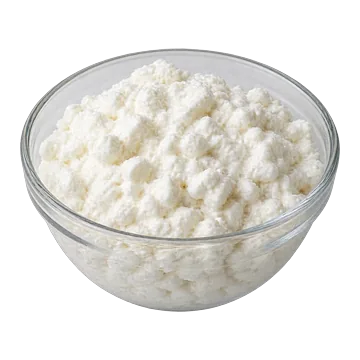 A lot57.1µg45.69 µg / 100 g
- 2
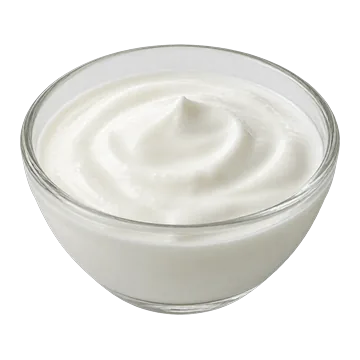 A lot36.8µg32 µg / 100 g
- 3
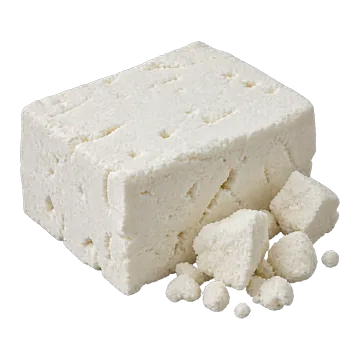 Some14.5µg48.44 µg / 100 g
- 4
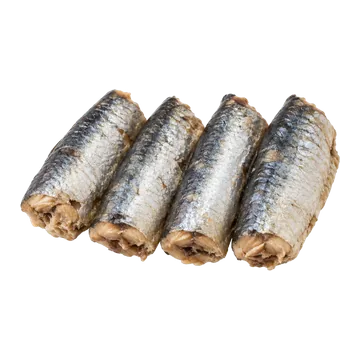 Some14.3µg26 µg / 100 g
- 5
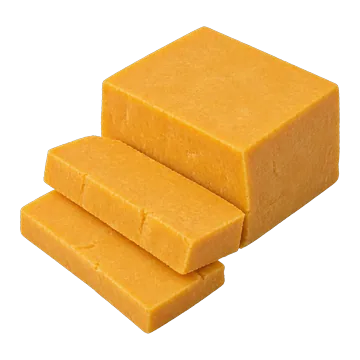 A little13.8µg46 µg / 100 g
- 6
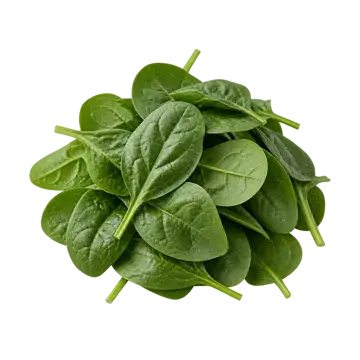 A little5.7µg6.7 µg / 100 g
- 7
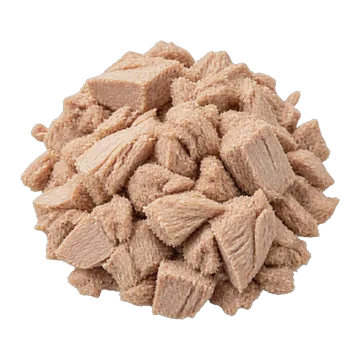 A little4.78µg8.7 µg / 100 g
- 8
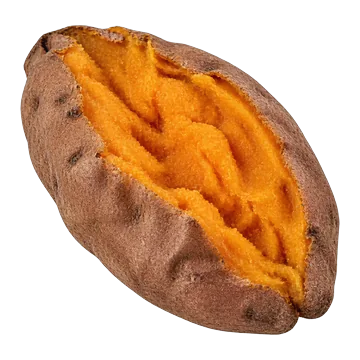 Almost none1.65µg1.5 µg / 100 g
- 9
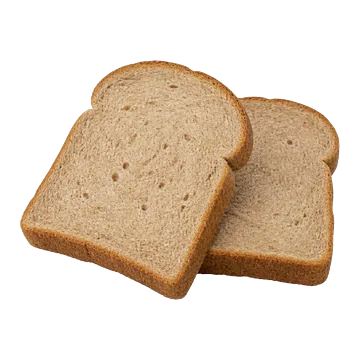 Almost none1.43µg1.9 µg / 100 g
- 10
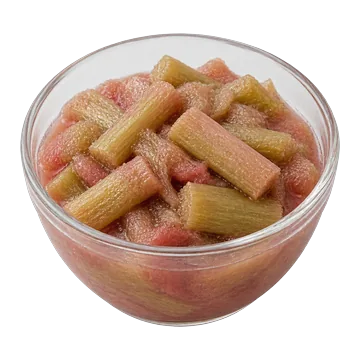 Almost none1.4µg1 µg / 100 g
- 11
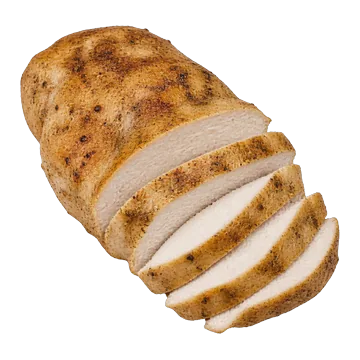 Almost none1.2µg1.2 µg / 100 g
- 12
 Almost none0.55µg0.5 µg / 100 g
- 13
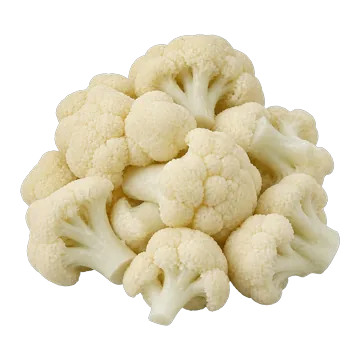 Almost none0.51µg0.6 µg / 100 g
- 14
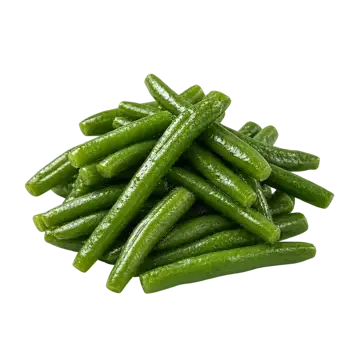 Almost none0.51µg0.6 µg / 100 g
- 15
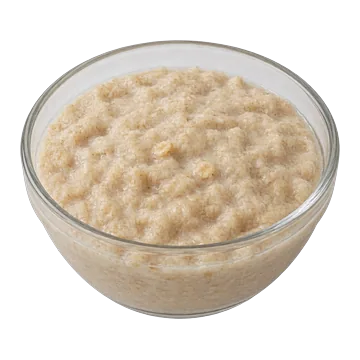 Almost none0.49µg0.2 µg / 100 g
- 16
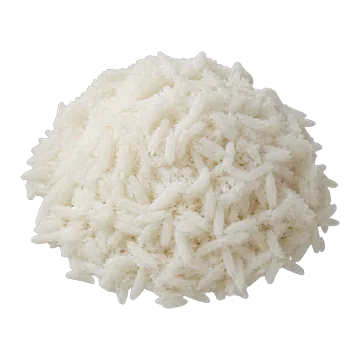 Almost none0.28µg0.2 µg / 100 g
- 17
 Almost none0.17µg0.3 µg / 100 g
- 18
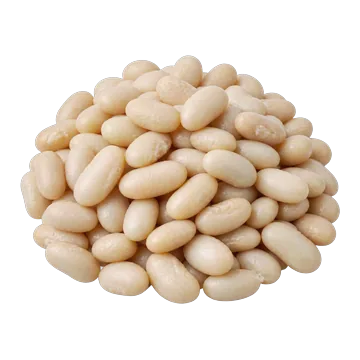 Almost none0.09µg0.1 µg / 100 g
- 19
 Almost none0.09µg0.1 µg / 100 g
- 20
 Almost none0µg0 µg / 100 g
- 21
 Almost none0µg0 µg / 100 g
Not listed
The databases don’t list Iodine for these foods: left out, not counted as zero.
- Almond butter
- Almonds, dry-roasted
- Almonds, raw
- Apple (Fuji), raw
- Arugula, raw
- Asparagus, cooked
- Avocado, raw
- Bacon, pan-fried
- Pinto beans, cooked
- Ground beef, 80% lean, cooked
- Beef liver, pan-fried
- Beef steak, top loin, grilled
- Beets, cooked
- Green pepper, raw
- Red pepper, raw
- Black beans, canned
- Black beans, cooked
- Wild blueberries, frozen
- Blueberries, frozen
- Blueberries, raw
- Bok choy, raw
- Brazil nuts, raw
- Broccoli, cooked
- Broccoli, raw
- Brussels sprouts, cooked
- Brussels sprouts, raw
- Butter, salted
- Butter, unsalted
- Green cabbage, cooked
- Green cabbage, raw
- Cantaloupe, raw
- Carrots, raw
- Cashews, raw
- Cauliflower, raw
- Celery, raw
- Processed cheese slices
- Mozzarella, part-skim
- Parmesan
- Swiss cheese
- Cherries, raw
- Chia seeds
- Chia seeds, ground
- Chicken thigh, roasted
- Chicken liver, simmered
- Chickpeas, canned
- Chickpeas, cooked
- Dark chocolate
- Milk chocolate
- Clams, cooked
- Coconut oil
- Cod, baked
- Coffee, brewed, decaffeinated
- Coffee, brewed
- Espresso
- Coffee creamer, flavoured liquid
- Coffee creamer, powder
- Cola
- Sweet corn, frozen, cooked
- Dried cranberries, sweetened
- Cream cheese
- Half-and-half cream
- Heavy cream
- Cucumber, raw
- Medjool dates
- Diet cola
- Edamame, cooked
- Eggs, hard-boiled
- Eggs, scrambled
- Eggplant, cooked
- Flaxseed, ground
- Flaxseed, whole
- French fries, restaurant
- French fries, frozen, oven-baked
- Garlic, raw
- Grapefruit, raw
- Grapes, raw
- Green tea, brewed
- Ham, sliced
- Honey
- Hummus
- Ice cream, vanilla
- Kale, cooked
- Kale, raw
- Kefir, 2–3.9% fat
- Kefir, low-fat
- Kidney beans, canned
- Kidney beans, cooked
- Kiwi, raw
- Lemon juice
- Lentils, cooked
- Lentils, cooked as dal
- Iceberg lettuce, raw
- Romaine lettuce, raw
- Mackerel, canned
- Mackerel, cooked
- Mandarins, raw
- Mango, raw
- Maple syrup
- Mayonnaise
- Milk, 2%
- Skim milk
- Mushrooms, raw
- Mushrooms, UV-exposed, raw
- Mussels, cooked
- Mustard greens, cooked
- Mustard greens, raw
- Olive oil, extra virgin
- Onions, sautéed
- Orange juice
- Oranges, raw
- Oysters, canned
- Pacific oysters, raw
- Eastern oysters, raw
- Whole-wheat pasta, cooked
- Peaches, raw
- Peanut butter, smooth
- Peanuts, dry-roasted
- Peanuts, raw
- Pears, raw
- Pineapple, raw
- Pistachios, dry-roasted
- Popcorn, air-popped
- Pork chop, pan-fried
- Pork sausage, pan-fried
- Potato, boiled
- Pumpkin seeds
- Quinoa, cooked
- Raisins
- Raspberries, frozen
- Raspberries, raw
- Refried beans, canned
- Rhubarb, raw
- Brown rice, cooked
- Ranch dressing
- Farmed salmon, cooked
- Sockeye salmon, canned
- Sardines, canned in oil
- Sauerkraut
- Sesame seeds, hulled
- Sesame seeds, whole
- Shrimp, cooked
- Sour cream
- Soy sauce
- Soybeans, cooked
- Spinach, cooked
- Butternut squash, baked
- Strawberries, frozen
- Strawberries, raw
- Sunflower seeds, dry-roasted
- Sweet potato, boiled
- Sweet potato, raw
- Tahini
- Black tea, brewed
- Tempeh
- Tilapia, cooked
- Tofu, calcium-set
- Tomatoes, canned
- Tomatoes, raw
- Tortilla chips
- Albacore (white) tuna, canned in water
- Deli turkey breast
- Ground turkey, 93% lean, cooked
- Turnip greens, frozen, cooked
- Turnip greens, cooked
- Turnip greens, raw
- Canola oil
- Corn oil
- Soybean oil
- Sunflower oil
- Walnuts, raw
- Watercress, raw
- Watermelon, raw
- Whey protein concentrate
- Whey protein isolate
- Greek yogurt, plain, nonfat
- Plain yogurt, low-fat
- Zucchini, cooked
Not yet reviewed · shown per 100 g, not per serving
Straight from the national databases, not yet checked, so not ranked. The list can include dried foods, spices and fortified products that a review would set aside.
No serving size yet, so shown per 100 g, even under “per serving”.
Not compared with the upper level: with no serving size, a figure for 100 g of a powder or a concentrate says nothing about what anyone eats. Choose an amount under “per 100 g” to compare one.
- Salt, table, iodized · US food database (USDA Foundation Foods)5,080 µgper 100 g
- Egg, yolk, dried · US food database (USDA Foundation Foods)349 µgper 100 g
- Egg, whole, dried · US food database (USDA Foundation Foods)274 µgper 100 g
- Alaska Pollock, raw · US food database (USDA Foundation Foods)186 µgper 100 g
- Egg, yolk, raw, frozen, pasteurized · US food database (USDA Foundation Foods)177 µgper 100 g
- Fish, cod, Atlantic, wild caught, raw · US food database (USDA Foundation Foods)114 µgper 100 g
- Cheese, parmesan, grated, refrigerated · US food database (USDA Foundation Foods)82.9 µgper 100 g
- Cheese, queso fresco, solid · US food database (USDA Foundation Foods)79.9 µgper 100 g
- Cheese, cotija, solid · US food database (USDA Foundation Foods)64.8 µgper 100 g
- Cheese, provolone, sliced · US food database (USDA Foundation Foods)64.3 µgper 100 g
- Egg, whole, raw, frozen, pasteurized · US food database (USDA Foundation Foods)61.6 µgper 100 g
- Yogurt, plain, nonfat · US food database (USDA Foundation Foods)58.7 µgper 100 g
- Cheese, American, restaurant · US food database (USDA Foundation Foods)54.1 µgper 100 g
- Cheese, pasteurized process cheese food or product, American, singles · US food database (USDA Foundation Foods)52.5 µgper 100 g
- Cheese, oaxaca, solid · US food database (USDA Foundation Foods)45.7 µgper 100 g
- Crustaceans, crab, blue swimming, lump, pasteurized, refrigerated · US food database (USDA Foundation Foods)44.5 µgper 100 g
- Yogurt, Greek, plain, whole milk · US food database (USDA Foundation Foods)42.3 µgper 100 g
- Milk, lowfat, fluid, 1% milkfat, with added vitamin A and vitamin D · US food database (USDA Foundation Foods)36.2 µgper 100 g
- Cheese, monterey jack, solid · US food database (USDA Foundation Foods)35.9 µgper 100 g
- Buttermilk, low fat · US food database (USDA Foundation Foods)34.2 µgper 100 g
Ranked as eaten. Where a food is also listed in a form people eat, these forms are left out: raw meat, poultry, fish and eggs (their cooked forms are ranked), dry grains and legumes, and frozen vegetables before cooking. Raw oysters stay: they have no other form.
Which 19 are left out?
- raw ground beef
- Beef liver, raw
- Beef steak, top loin, raw
- raw chicken breast
- Chicken thigh, raw
- Chicken liver, raw
- Cod, raw
- raw eggs
- dry lentils
- raw mackerel
- dry rolled oats
- dry pasta
- dry whole-wheat pasta
- frozen peas
- Pork chop, raw
- Pork sausage, raw
- dry quinoa
- raw farmed salmon
- Ground turkey, 93% lean, raw
12 fortified foods are left out: makers add vitamins and minerals in amounts that vary by brand, so check the label for iodine: Almond drink, unsweetened, fortified · Soy drink, unsweetened, fortified · White bread · White bread, toasted · Breakfast cereal · Pies · Cakes · Cookies · Crackers · Flour tortillas · Oat drink, unsweetened, fortified · Pasta, cooked
Running low, and too much
Running low
Iodine deficiency stunts growth and development and is the most common preventable cause of intellectual disability in the world; in pregnancy and early infancy its effects can be permanent. Overt deficiency is now uncommon in North America, thanks to iodized salt and a more national food supply.
Too much
Too much iodine can cause the same signs as too little (goiter, an enlarged thyroid; an underactive thyroid) and can also bring on an overactive thyroid. The upper level for adults is 1,100 µg a day.
Sources: NIH Office of Dietary Supplements, iodine fact sheet for health professionals (2024-11-05) · Upper levels (adults 19–30): Health Canada, Dietary reference intakes tables: elements (2025-11-19)