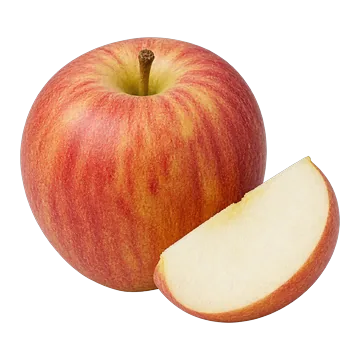
Apple (Fuji), raw
Checked by us One serving: 140 g (about 1 small apple) · 81 kcal
Little of the nutrients we score, per serving.
Nothing to watch for most people so far.
Worth knowing for some people: choking risk under age 4; oral allergy to Rosaceae fruit.
Good for
How we counted this
What one serving (140 g) gives you.
Your body needs enough of each of these. Past enough, more doesn’t help. Amounts are what the food databases list, not what your body absorbs, unless a row says it was measured.
The words: “A lot” means one serving gives 20% or more of Health Canada’s daily amount, “Some” 10% to 19%, “A little” 2% to 9%, “Almost none” under 2%. Strongest word first; within a word, protein and fibre lead, then the biggest share. ?
A milligram (mg) is a thousandth of a gram, and a microgram (µg) a thousandth of a milligram: 1,000 µg make 1 mg.
No nutrient we score reaches “some” in one serving. The rest, at “a little” or less, is below.
18 more nutrients at a little or less
- A little
Fibre
Keeps your gut moving.
Learn more
2.91 g in one serving: 8% of the 38 g a day men need, 12% of the 25 g women need. The word follows the smaller share, which is the share of the higher amount. ?
Source: How much of it gets in hasn’t been measured for this food yet. Institute of Medicine 2005, Dietary Reference Intakes for Energy, Carbohydrate, Fiber, Fat, Fatty Acids, Cholesterol, Protein, and Amino Acids
- A little
Riboflavin (B2)
Your cells use it to make energy and handle fats. It also helps turn tryptophan into niacin and activate vitamin B6.
Learn more
0.09 mg in one serving: 7% of the 1.3 mg a day men need, 8% of the 1.1 mg women need. The word follows the smaller share, which is the share of the higher amount. ?
Source: How much of it gets in hasn’t been measured for this food yet. NIH Office of Dietary Supplements, riboflavin fact sheet for health professionals
- A little
Potassium
Your nerves, muscles and kidneys need it to work.
Learn more
145 mg in one serving: 4% of the 3,400 mg a day men need, 6% of the 2,600 mg women need. The word follows the smaller share, which is the share of the higher amount. ?
Source: How much of it gets in hasn’t been measured for this food yet. NIH Office of Dietary Supplements, potassium fact sheet for health professionals
- A little
Vitamin B6
Helps you use protein, and your brain needs it to make its chemical messengers.
Learn more
0.05 mg in one serving: 4% of the 1.3 mg a day.
Source: How much of it gets in hasn’t been measured for this food yet. NIH Office of Dietary Supplements, vitamin B6 fact sheet for health professionals
- A little
Vitamin E
Shields the fats in your cells from damage; your immune system uses it too.
Learn more
0.25 mg in one serving: 2% of the 15 mg a day.
Source: How much of it gets in hasn’t been measured for this food yet. NIH Office of Dietary Supplements, vitamin E fact sheet for health professionals
- A little
Magnesium
Your muscles and nerves need it to work.
Learn more
6.54 mg in one serving: 2% of the 400 mg a day men need, 2% of the 310 mg women need. The word follows the smaller share, which is the share of the higher amount. ?
Source: How much of it gets in hasn’t been measured for this food yet. NIH Office of Dietary Supplements, magnesium fact sheet for health professionals
- Almost none
Vitamin K1
Your blood needs it to clot.
Learn more
1.4 µg in one serving: 1% of the 120 µg a day men need, 2% of the 90 µg women need. The word follows the smaller share, which is the share of the higher amount. ?
Source: How much of it gets in hasn’t been measured for this food yet. NIH Office of Dietary Supplements, vitamin K fact sheet for health professionals
- Almost none
Niacin (B3, niacin equivalents)
More than 400 of your enzymes need it to work.
Learn more
0.15 mg in one serving: 1% of the 16 mg a day men need, 1% of the 14 mg women need. The word follows the smaller share, which is the share of the higher amount. ?
Source: How much of it gets in hasn’t been measured for this food yet. NIH Office of Dietary Supplements, niacin fact sheet for health professionals
- Almost none
Choline
Your cells need it for their membranes, and to make acetylcholine, a messenger for memory, mood and muscle control.
Learn more
4.76 mg in one serving: 1% of the 550 mg a day men need, 1% of the 425 mg women need. The word follows the smaller share, which is the share of the higher amount. ?
Source: How much of it gets in hasn’t been measured for this food yet. NIH Office of Dietary Supplements, choline fact sheet for health professionals
- Almost none
Calcium
Builds your bones and teeth.
Learn more
8.37 mg in one serving: 1% of the 1,000 mg a day.
Source: How much of it gets in hasn’t been measured for this food yet. NIH Office of Dietary Supplements, calcium fact sheet for health professionals
- Almost none
Thiamin (B1)
Your cells use it to get energy from food, and so to grow and work.
Learn more
0.01 mg in one serving: 1% of the 1.2 mg a day men need, 1% of the 1.1 mg women need. The word follows the smaller share, which is the share of the higher amount. ?
Source: How much of it gets in hasn’t been measured for this food yet. NIH Office of Dietary Supplements, thiamin fact sheet for health professionals
- Almost none
Protein
Your muscles, and every other tissue, are built and repaired from it.
Learn more
0.21 g in one serving: under 1% of the 56 g a day men need, under 1% of the 46 g women need. The word follows the smaller share, which is the share of the higher amount. ?
Source: How much of it gets in hasn’t been measured for this food yet. Institute of Medicine 2005, Dietary Reference Intakes for Energy, Carbohydrate, Fiber, Fat, Fatty Acids, Cholesterol, Protein, and Amino Acids
- Almost none
Vitamin A
Your eyes need it to see in dim light.
Learn more
Getting enough matters; more than enough doesn’t sharpen your sight.
2.8 µg in one serving: under 1% of the 900 µg a day men need, under 1% of the 700 µg women need. The word follows the smaller share, which is the share of the higher amount. ?
Source: How much of it gets in hasn’t been measured for this food yet. NIH Office of Dietary Supplements, vitamin A fact sheet for health professionals
- Almost none
Zinc
Your immune system and healing wounds depend on it.
Learn more
0.02 mg in one serving: under 1% of the 11 mg a day men need, under 1% of the 8 mg women need. The word follows the smaller share, which is the share of the higher amount. ?
Source: How much of it gets in hasn’t been measured for this food yet. NIH Office of Dietary Supplements, zinc fact sheet for health professionals
- Almost none
Iron
Carries oxygen in your blood.
Learn more
0.02 mg in one serving: under 1% of the 8 mg a day men need, under 1% of the 18 mg women need. The word follows the smaller share, which is the share of the higher amount. ?
Source: How much of it gets in hasn’t been measured for this food yet. NIH Office of Dietary Supplements, iron fact sheet for health professionals
- Almost none
Folate
Your body needs it to make DNA and to divide new cells.
Learn more
0 µg in one serving: under 1% of the 400 µg a day.
Source: How much of it gets in hasn’t been measured for this food yet. NIH Office of Dietary Supplements, folate fact sheet for health professionals
- Almost none
Selenium
Your thyroid uses it to make its hormones.
Learn more
0 µg in one serving: under 1% of the 55 µg a day.
Source: How much of it gets in hasn’t been measured for this food yet. NIH Office of Dietary Supplements, selenium fact sheet for health professionals
- Almost none
Vitamin D
Your body needs it to absorb calcium and keep your bones hard.
Learn more
Your skin also makes it in sunlight, so food is only one of its sources.
0 µg in one serving: under 1% of the 15 µg a day.
Source: How much of it gets in hasn’t been measured for this food yet. NIH Office of Dietary Supplements, vitamin D fact sheet for health professionals
Missing from our databases for this food, so left out, not counted as zero: vitamin C, vitamin B12, omega-3: ALA and omega-3: EPA + DHA.
Watch out
How we counted this
Checked for cadmium and lead: fine at normal amounts.
Cadmium
Nothing to watchYou’d need more than 100 servings a day, every day, of this food alone to use up what an average adult’s intake leaves under the limit.
Learn more
One serving carries 0.03 µg
How we got this
A serving a day adds 0.2% to what an average adult already takes in: a share of that intake, not of the limit. With that serving every day, an average adult would be at about 71% of the limit.
An average adult already takes in about 71% of the limit. One serving a day fits in the room left.
Counted from zero, with no allowance for what adults already take in from other food, 740,000 g a week would reach the limit.
Why this rating: Eating it daily comes to 980 g a week, which stays within the 220,000 g of room left before the limit.
The dataset’s rating: Nothing to watch: under the limit
A daily serving adds 0.19% to an average adult's cadmium intake (EFSA 2012 adult median, 1.77 µg/kg body weight/week; Canadian adults in 2007: 1.2-1.75), far from doubling it, so no cap.
Health Canada, Canadian Total Diet Study – Trace Elements (2005–2018 composites) · grade A
Lead
Nothing to watchYou’d need about 72 servings a day, every day, of this food alone to double the lead an average adult already gets. No dose is known to be safe, so doubling is where we flag.
Learn more
A serving a day adds 1.4% to what an average adult already takes in. There is no limit to take a share of.
One serving carries 0.5 µg
How we got this
The dataset’s rating: Nothing to watch: doesn’t double average intake
A daily serving adds 1.4% to the average adult's lead intake of 35 µg/day (1.3% without the 1999 composite, mean 3.18 µg/kg; 0.6% on the mean of the three most recent, 1.44), far from doubling it, so no cap. FDA Total Diet Study, red apple with peel: 0 of 27 detected, reporting limit 4 µg/kg (at the limit, at most 0.56 µg a serving, +1.6%).
Health Canada, Canadian Total Diet Study – Trace Elements (2005–2018 composites) · grade A
For some people
For young children: raw hard apple is a recognised choking food; the agency advice is to grate it.
Person-specific: apple can cause oral allergy reactions in people allergic to the rose family of fruit. In allergic patients, 'More than 40% ... tolerated the ingestion of the pulp'; reactions occurred only on whole fruit, and peels gave stronger skin-prick, histamine-release and RAST responses. Skin-on is the riskier form for these patients.
Worth knowing
No limit applies, so none is rated.
Sugar
19 g of sugar in a 140 g serving, natural and added together.
Learn more
Shown, not rated. The food tables we read give total sugar, and few give added sugar, so the site can’t yet tell sugar added in making a food from the sugar in fruit or milk.
Also measured in it
Figures from the dataset. None has a limit to be rated against, so none is a verdict.
Phytate, as the source gives it: four rows: big 0.57, green 0.64, Kashmir small 0.36, small 0.45 mg/100 g edible portion (phytic acid by anion-exchange method, PHYTCPP) (per 100 g edible portion) · FAO 2018 · grade B
Phytate (also written InsP6, IP6 or phytic acid), the form in which plants store phosphorus, is found in whole grains, beans and nuts. It binds zinc in the gut and lowers how much zinc and plant (non-heme) iron you absorb. No limit applies.
Source: NIH Office of Dietary Supplements, Zinc fact sheet · NIH Office of Dietary Supplements, Iron fact sheet
Also checked (nothing to act on) · 3
Noted for context, or not measured in this food yet.
Shown as context: the seeds, not the flesh, carry cyanogenic glycosides. EFSA's acute reference dose for cyanide is 20 µg/kg body weight, 1.4 mg for 70 kg. Assuming full cyanide release (which EFSA calls over-conservative for such foods), that is about 24 mg amygdalin, or about 6 to 24 g of seeds at 4 to 1 mg/g (Foodtopsy's arithmetic). EFSA notes that 'fruit kernels are commonly not ingested'.
Not measured in this food yet. Not rated: no measured level for sound apples has been found. Reference: JECFA provisional tolerable daily intake 0.4 µg/kg body weight/day (28 µg/day at 70 kg), as stated by Health Canada. Handling advice: in 35 mouldy apples the visibly unspoiled tissue had a median of 1.91 µg/kg and a maximum of 5,020 µg/kg, so cutting out the rot does not remove the toxin.
Context only (not rated; new hazard name). Peeled apples carried fewer residues at lower concentrations; estimated exposure 0.04 to 2.10% of the acceptable daily intake (ADI) in adults at the 95th percentile intake of 277 g per person per day.
Better options
How we counted this
“Better” here always means better at something the row names: more of one nutrient, more nutrients per serving, or the goal you pick. It never means better in every way.
Every amount below is for the same weight, 140 g, the size of one serving of this food, so a swap compares like with like. A serving of another food can be bigger or smaller.
More nutrients per serving, counted together
The other fruits we’ve checked with more nutrients per serving than this one, counting at most 100 kcal. One score ranks them all, so the same few often lead.
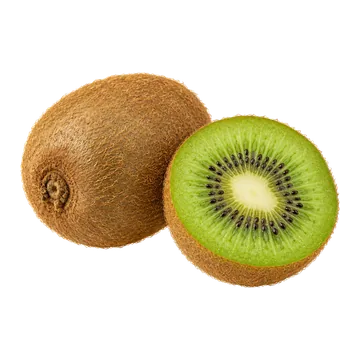 Kiwi, raw
- More vitamin K1 (56.4 µg vs 1.4 µg)
- More vitamin E (1.82 mg vs 0.25 mg)
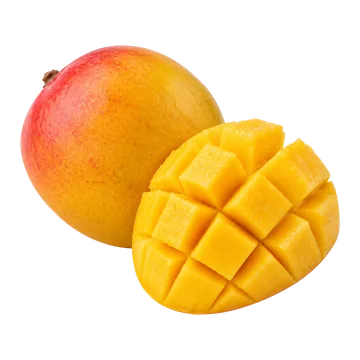 Mango, rawMore folate (60.2 µg vs 0 µg)
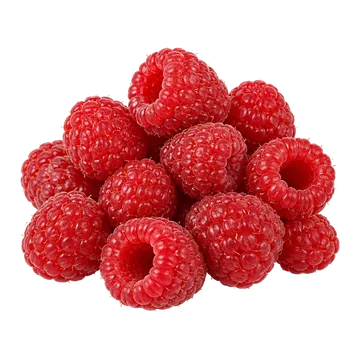 Raspberries, rawMore fibre (9.1 g vs 2.91 g)
Where the calcium card measured that less calcium gets in than from milk, calcium counts for less; everything else is as listed.
Your goal
Your goal changes only this list, not what the food gives you or what to watch.
Losing weight: fewer calories, and more nutrients, protein and fibre for each calorie.
- Raspberries, rawMore fibre (9.1 g vs 2.91 g)
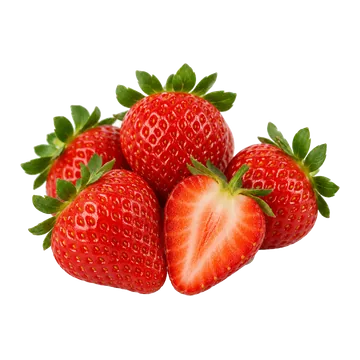 Strawberries, raw46 kcal in 140 g (this food: 81)
- Kiwi, raw
- More vitamin K1 (56.4 µg vs 1.4 µg)
- More vitamin E (1.82 mg vs 0.25 mg)
Building muscle: more protein and more calories, per 100 g. In a typical diet most protein comes from other foods; among fruits, these help most.
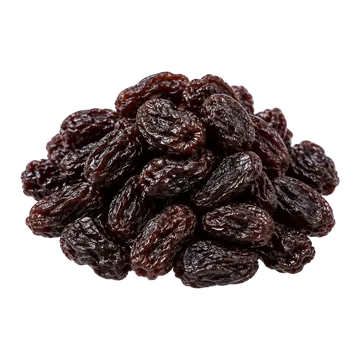 Raisins3.3 g protein · 299 kcal per 100 g
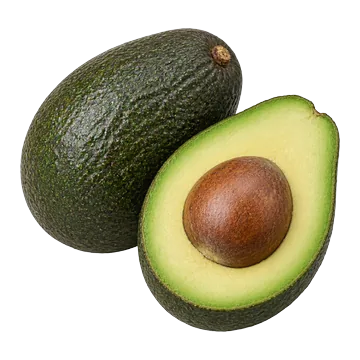 Avocado, raw1.8 g protein · 206 kcal per 100 g
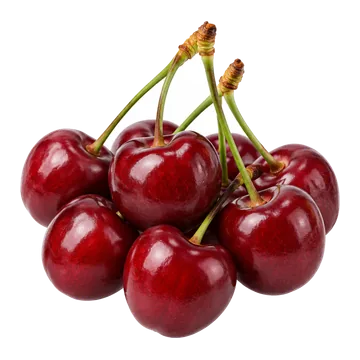 Cherries, raw1 g protein · 63 kcal per 100 g
Bring a tracker export or describe your usual week. The same rules check all of it.
The numbers
Open every value
Name in the database: Apple, Fuji, with skin, raw
How the serving was set: 140 g (Health Canada TRA row J.1, fruit, fresh, frozen or canned)
Listed nutrients, per 100 g
For each nutrient, the value this page uses is marked “used”. A row marked “second database” is another database’s figure for a matching food, kept so you can see how far databases disagree (they can differ in the samples analysed, lab methods and rounding). Its own cells are worked out from it, but none of the page’s words or scores are.
| Nutrient | Per serving | Per 100 calories | How | Source | Grade | |
|---|---|---|---|---|---|---|
| Calcium | 5.975 mg | 8.37 mg | 10.27 mg | listed used | US food database (USDA Foundation Foods) #1750340 | C |
| 5 mg | 7 mg | 8.59 mg | second database · not used | UK food tables (CoFID 2021) #14-319 | C | |
| 7 mg | 9.8 mg | 12.03 mg | copy of USDA · not used | Canadian Nutrient File 2026 #7218 | C | |
| Carbohydrate | 15.651 g | 21.91 g | 26.89 g | listed used | US food database (USDA Foundation Foods) #1750340 | C |
| Choline | 3.4 mg | 4.76 mg | 5.84 mg | from SR Legacy used | US food database (USDA SR Legacy) #167793 | C |
| Energy | 58.203 kcal | 81.48 kcal | – | FDC Energy (Atwater Specific Factors) used | US food database (USDA Foundation Foods) | – |
| 63 kcal | 88.2 kcal | – | from SR Legacy · not used | US food database (USDA SR Legacy) #167793 | C | |
| Fat | 0.163 g | 0.23 g | 0.28 g | listed used | US food database (USDA Foundation Foods) #1750340 | C |
| 0.5 g | 0.7 g | 0.86 g | second database · not used · 3.1× | UK food tables (CoFID 2021) #14-319 | C | |
| Fibre | 2.075 g | 2.91 g | 3.57 g | listed used | US food database (USDA Foundation Foods) #1750340 | C |
| 1.2 g | 1.68 g | 2.06 g | second database · not used | UK food tables (CoFID 2021) #14-319 | C | |
| Folate | 0 µg | 0 µg | 0 µg | listed used | US food database (USDA Foundation Foods) #1750340 | C |
| Iron | 0.015 mg | 0.02 mg | 0.03 mg | listed used | US food database (USDA Foundation Foods) #1750340 | C |
| 0.09 mg | 0.13 mg | 0.15 mg | second database · not used · 6× | UK food tables (CoFID 2021) #14-319 | C | |
| Magnesium | 4.67 mg | 6.54 mg | 8.02 mg | listed used | US food database (USDA Foundation Foods) #1750340 | C |
| 4 mg | 5.6 mg | 6.87 mg | second database · not used | UK food tables (CoFID 2021) #14-319 | C | |
| Niacin (B3, niacin equivalents) | 0.107 mg | 0.15 mg | 0.18 mg | listed used | Canadian Nutrient File 2026 #7218 | C |
| Phosphorus | 9.78 mg | 13.69 mg | 16.8 mg | listed used | US food database (USDA Foundation Foods) #1750340 | C |
| 8 mg | 11.2 mg | 13.74 mg | second database · not used | UK food tables (CoFID 2021) #14-319 | C | |
| Potassium | 103.8 mg | 145.32 mg | 178.34 mg | listed used | US food database (USDA Foundation Foods) #1750340 | C |
| 100 mg | 140 mg | 171.81 mg | second database · not used | UK food tables (CoFID 2021) #14-319 | C | |
| Protein | 0.148 g | 0.21 g | 0.26 g | listed used | US food database (USDA Foundation Foods) #1750340 | C |
| 0.6 g | 0.84 g | 1.03 g | second database · not used · 4× | UK food tables (CoFID 2021) #14-319 | C | |
| Riboflavin (B2) | 0.068 mg | 0.09 mg | 0.12 mg | listed used | US food database (USDA Foundation Foods) #1750340 | C |
| 0.04 mg | 0.06 mg | 0.07 mg | second database · not used | UK food tables (CoFID 2021) #14-319 | C | |
| Selenium | 0 µg | 0 µg | 0 µg | from SR Legacy used | US food database (USDA SR Legacy) #167793 | C |
| Sodium | 1.013 mg | 1.42 mg | 1.74 mg | listed used | US food database (USDA Foundation Foods) #1750340 | C |
| 1 mg | 1.4 mg | 1.72 mg | second database · not used | UK food tables (CoFID 2021) #14-319 | C | |
| Sugars | 13.33 g | 18.66 g | 22.9 g | listed used | US food database (USDA Foundation Foods) #1750340 | C |
| 11.6 g | 16.24 g | 19.93 g | second database · not used | UK food tables (CoFID 2021) #14-319 | C | |
| Thiamin (B1) | 0.006 mg | 0.01 mg | 0.01 mg | listed used | US food database (USDA Foundation Foods) #1750340 | C |
| 0.04 mg | 0.06 mg | 0.07 mg | second database · not used · 6.4× | UK food tables (CoFID 2021) #14-319 | C | |
| Vitamin A | 2 µg | 2.8 µg | 3.44 µg | from SR Legacy used | US food database (USDA SR Legacy) #167793 | C |
| Vitamin B6 | 0.035 mg | 0.05 mg | 0.06 mg | listed used | US food database (USDA Foundation Foods) #1750340 | C |
| 0.07 mg | 0.1 mg | 0.12 mg | second database · not used | UK food tables (CoFID 2021) #14-319 | C | |
| Vitamin D | 0 µg | 0 µg | 0 µg | listed used | UK food tables (CoFID 2021) #14-319 | C |
| Vitamin E | 0.18 mg | 0.25 mg | 0.31 mg | from SR Legacy used | US food database (USDA SR Legacy) #167793 | C |
| 0.09 mg | 0.13 mg | 0.15 mg | second database · not used · 2× | UK food tables (CoFID 2021) #14-319 | C | |
| Vitamin K1 | 1 µg | 1.4 µg | 1.72 µg | from SR Legacy used | US food database (USDA SR Legacy) #167793 | C |
| 5.6 µg | 7.84 µg | 9.62 µg | second database · not used · 5.6× | UK food tables (CoFID 2021) #14-319 | C | |
| Water | 83.61 g | 117.05 g | 143.65 g | listed used | US food database (USDA Foundation Foods) #1750340 | C |
| 86.2 g | 120.68 g | 148.1 g | second database · not used | UK food tables (CoFID 2021) #14-319 | C | |
| Zinc | 0.017 mg | 0.02 mg | 0.03 mg | listed used | US food database (USDA Foundation Foods) #1750340 | C |
| Nutrient | Per 100 g | Per serving | Per 100 calories | How | Source | Grade |
|---|---|---|---|---|---|---|
| Beta-carotene | 17 µg | 23.8 µg | 29.21 µg | from SR Legacy used | US food database (USDA SR Legacy) #167793 | C |
| 14 µg | 19.6 µg | 24.05 µg | second database · not used | UK food tables (CoFID 2021) #14-319 | C | |
| Copper | 0.033 mg | 0.05 mg | 0.06 mg | listed used | US food database (USDA Foundation Foods) #1750340 | C |
| 0.03 mg | 0.04 mg | 0.05 mg | second database · not used | UK food tables (CoFID 2021) #14-319 | C | |
| Energy (Atwater general) | 64.661 kcal | 90.53 kcal | 111.1 kcal | listed used | US food database (USDA Foundation Foods) #1750340 | C |
| Energy (Atwater specific) | 58.203 kcal | 81.48 kcal | 100 kcal | listed used | US food database (USDA Foundation Foods) #1750340 | C |
| Nitrogen | 0.024 g | 0.03 g | 0.04 g | listed used | US food database (USDA Foundation Foods) #1750340 | C |
| Ash | 0.428 g | 0.6 g | 0.74 g | listed used | US food database (USDA Foundation Foods) #1750340 | C |
| Starch | 0.05 g | 0.07 g | 0.09 g | from SR Legacy used | US food database (USDA SR Legacy) #167793 | C |
| Sucrose | 1.704 g | 2.39 g | 2.93 g | listed used | US food database (USDA Foundation Foods) #1750340 | C |
| Glucose | 3.038 g | 4.25 g | 5.22 g | listed used | US food database (USDA Foundation Foods) #1750340 | C |
| Fructose | 8.59 g | 12.03 g | 14.76 g | listed used | US food database (USDA Foundation Foods) #1750340 | C |
| Maltose | 0 g | 0 g | 0 g | listed used | US food database (USDA Foundation Foods) #1750340 | C |
| Carbohydrate, by summation | 15.405 g | 21.57 g | 26.47 g | listed used | US food database (USDA Foundation Foods) #1750340 | C |
| Energy | 265 kj | 371 kj | 455.3 kj | from SR Legacy used | US food database (USDA SR Legacy) #167793 | C |
| Sugars, Total | 13.332 g | 18.66 g | 22.91 g | listed used | US food database (USDA Foundation Foods) #1750340 | C |
| Galactose | 0 g | 0 g | 0 g | from SR Legacy used | US food database (USDA SR Legacy) #167793 | C |
| Vitamin A, IU | 38 iu | 53.2 iu | 65.29 iu | from SR Legacy used | US food database (USDA SR Legacy) #167793 | C |
| Carotene, alpha | 0 µg | 0 µg | 0 µg | from SR Legacy used | US food database (USDA SR Legacy) #167793 | C |
| Cryptoxanthin, beta | 11 µg | 15.4 µg | 18.9 µg | from SR Legacy used | US food database (USDA SR Legacy) #167793 | C |
| Lycopene | 0 µg | 0 µg | 0 µg | from SR Legacy used | US food database (USDA SR Legacy) #167793 | C |
| Vitamin K (Dihydrophylloquinone) | 0 µg | 0 µg | 0 µg | from SR Legacy used | US food database (USDA SR Legacy) #167793 | C |
| Folate, food | 3 µg | 4.2 µg | 5.15 µg | from SR Legacy used | US food database (USDA SR Legacy) #167793 | C |
| Fatty acids, total trans | 0 g | 0 g | 0 g | from SR Legacy used | US food database (USDA SR Legacy) #167793 | C |
| Lactose | 0 g | 0 g | 0 g | listed used | US food database (USDA Foundation Foods) #1750340 | C |
| 0 g | 0 g | 0 g | second database · not used | UK food tables (CoFID 2021) #14-319 | C | |
| Lutein + zeaxanthin | 11 µg | 15.4 µg | 18.9 µg | from SR Legacy used | US food database (USDA SR Legacy) #167793 | C |
| Manganese | 0.033 mg | 0.05 mg | 0.06 mg | listed used | US food database (USDA Foundation Foods) #1750340 | C |
| 0.04 mg | 0.06 mg | 0.07 mg | second database · not used | UK food tables (CoFID 2021) #14-319 | C | |
| Niacin (B3, preformed) | 0.091 mg | 0.13 mg | 0.16 mg | listed used | US food database (USDA Foundation Foods) #1750340 | C |
| 0.1 mg | 0.14 mg | 0.17 mg | second database · not used | UK food tables (CoFID 2021) #14-319 | C | |
| Pantothenic acid (B5) | 0.051 mg | 0.07 mg | 0.09 mg | from SR Legacy used | US food database (USDA SR Legacy) #167793 | C |
| 0.1 mg | 0.14 mg | 0.17 mg | second database · not used | UK food tables (CoFID 2021) #14-319 | C |
Change the amount to rescale the first column. Nutrients a database doesn't list are missing, not zero.
Hazard rows as the dataset rates them
- Cadmium · Nothing to watch: under the limit · A daily serving adds 0.19% to an average adult's cadmium intake (EFSA 2012 adult median, 1.77 µg/kg body weight/week; Canadian adults in 2007: 1.2-1.75), far from doubling it, so no cap. · Health Canada Total Diet Study, trace elements · A
- Choking risk under age 4 · Worth knowing · For young children: raw hard apple is a recognised choking food; the agency advice is to grate it. · Health Canada 2025 · A
- Cyanogenic glycosides · Context · Shown as context: the seeds, not the flesh, carry cyanogenic glycosides. EFSA's acute reference dose for cyanide is 20 µg/kg body weight, 1.4 mg for 70 kg. Assuming full cyanide release (which EFSA calls over-conservative for such foods), that is about 24 mg amygdalin, or about 6 to 24 g of seeds at 4 to 1 mg/g (Foodtopsy's arithmetic). EFSA notes that 'fruit kernels are commonly not ingested'. · EFSA 2019 · B
- Lead · Nothing to watch: doesn’t double average intake · A daily serving adds 1.4% to the average adult's lead intake of 35 µg/day (1.3% without the 1999 composite, mean 3.18 µg/kg; 0.6% on the mean of the three most recent, 1.44), far from doubling it, so no cap. FDA Total Diet Study, red apple with peel: 0 of 27 detected, reporting limit 4 µg/kg (at the limit, at most 0.56 µg a serving, +1.6%). · Health Canada Total Diet Study, trace elements · A
- Oral allergy to Rosaceae fruit · Worth knowing · Person-specific: apple can cause oral allergy reactions in people allergic to the rose family of fruit. In allergic patients, 'More than 40% ... tolerated the ingestion of the pulp'; reactions occurred only on whole fruit, and peels gave stronger skin-prick, histamine-release and RAST responses. Skin-on is the riskier form for these patients. · Fernandezrivas 1999 · B
- Patulin · Not rated yet · Not rated: no measured level for sound apples has been found. Reference: JECFA provisional tolerable daily intake 0.4 µg/kg body weight/day (28 µg/day at 70 kg), as stated by Health Canada. Handling advice: in 35 mouldy apples the visibly unspoiled tissue had a median of 1.91 µg/kg and a maximum of 5,020 µg/kg, so cutting out the rot does not remove the toxin. · Health Canada, List of Contaminants and Other Adulterating Substances… · B
- Pesticide residues · Context · Context only (not rated; new hazard name). Peeled apples carried fewer residues at lower concentrations; estimated exposure 0.04 to 2.10% of the acceptable daily intake (ADI) in adults at the 95th percentile intake of 277 g per person per day. · Lecerf 2022 · B
Oxalate, phytate and gut-tolerance measurements
- fodmap excess fructose: contested (apple excess fructose: sources disagree 2.3-fold (2.45, 5.55, ~6.4 g/100 g)): 6.4 g/100 g by my division; cut-off < 0.15 g per serve (Table 1) g per 165 g serve · as eaten, per serve · Pink Lady apple, 165 g serve · grade B · Varney 2017
- fodmap excess fructose: contested (apple excess fructose: sources disagree 2.3-fold (2.45, 5.55, ~6.4 g/100 g)): fructose 8.59 minus glucose 3.038; Foundation 1105897 (also Fuji): 8.4 minus 2.61 = 5.79 g/100 g · fresh weight · Fuji, with skin, raw (Foundation 1750340) · grade B · US food database (USDA Foundation Foods)
- fodmap excess fructose: contested (apple excess fructose: sources disagree 2.3-fold (2.45, 5.55, ~6.4 g/100 g)): mean 2.45 g/100 g over 5 batches; per batch (fructose minus glucose, g/kg): 21.9, 16.6, 31.5, 23.5, 29.1 for batches 1, 2, 3, 4, 6 g/100 g (my conversion from g/kg) · fresh weight of flesh · flesh cylinders cut with a corer (no skin), 50 g purée with water 1:1, frozen at -20 C then centrifuged · grade A · Aprea 2017
- fodmap excess fructose: contested (apple excess fructose: sources disagree 2.3-fold (2.45, 5.55, ~6.4 g/100 g)): qualitative: apple contained fructose in excess of glucose; numbers for apple not in the abstract n/a · fruit as eaten · fruits bought in Australia, HPLC-ELSD · grade A · Muir 2009
- fodmap fructan: standard deviation 0.01; 0.87 +/- 0.04 % of dry weight; 0.22 g per 242 g portion g/100 g · fresh weight · 'edible parts' composite of at least three subsamples of different cultivars of unbranded fruit bought in Slovenian shops or markets; raw or cooked, and skin on or off, not stated · grade A · Ferjancic 2024
- fodmap fructan: nd (not detected) g per 165 g serve · as eaten, per serve · Pink Lady apple, 165 g serve · grade B · Varney 2017
- histamine: no HPLC-measured histamine found for whole apple: the Sanchez-Perez review's three apple rows give histamine '-' (not reported; putrescine 0.4-1.7, nd, 1.5; cadaverine nd); apple JUICE histamine nd (n 10). A colorimetric measurement exists (next row, Czerniejewska-Surma 2012) mg/kg · fresh weight · whole apple (rows) and apple juice (n = 10, histamine nd) · grade B · Sanchezperez 2018
- histamine: pome-fruit GROUP range 17.6 to 27.27 mg/kg (apples Cortland and Golden Delicious plus Konferencja pears); numeric cells left null because the apple-only means are in a bar chart that the text layer does not give; the text says apple cultivars differed by up to 27.51% mg/kg · fresh weight, whole fruit flesh with skin · raw whole apples with skin, ground through a 3 mm sieve, from a private Wielkopolska orchard, stored about 12 h at 10-12 C before analysis; five parallel determinations · grade B · Czerniejewska 2012
- oxalate soluble: insoluble 1.7 mg/100 g · fresh weight · raw · grade B · Salgado 2023
- oxalate total: n = 1 mg/100 g · fresh weight · raw · grade B · Salgado 2023
- phytate: four rows: big 0.57, green 0.64, Kashmir small 0.36, small 0.45 mg/100 g edible portion (phytic acid by anion-exchange method, PHYTCPP) · per 100 g edible portion · raw apples, India · grade B · FAO 2018
Sources
- Aprea E, Charles M, Endrizzi I, Corollaro ML, Betta E, Biasioli F, Gasperi F. Sweet taste in apple: the role of sorbitol, individual sugars, organic acids and volatile compounds. Sci Rep 2017;7:44950 · doi:10.1038/srep44950 · PMID 28322320
aprea2017· full text read · CC BY 4.0 - Health Canada, Canadian Nutrient File 2026 (14th edition)
cnf-2026· dataset · Open Government Licence – Canada 2.0 - Public Health England, Composition of Foods Integrated Dataset (CoFID) 2021
cofid-2021· dataset · Open Government Licence v3.0 - Czerniejewska-Surma B, Surma O, Plust D, Bienkiewicz G. Zawartosc histaminy w owocach [Histamine content in fruits]. Folia Pomer Univ Technol Stetin, Agric Aliment Pisc Zootech 2012;296(23):5-12
czerniejewska2012-histamine· full text read · Publisher copyright (West Pomeranian University of Technology); open PDF - EFSA CONTAM Panel (2019). Evaluation of the health risks related to the presence of cyanogenic glycosides in foods other than raw apricot kernels. EFSA Journal 17(4):5662 · doi:10.2903/j.efsa.2019.5662
efsa-2019-cyanogenic-glycosides· full text read · EFSA Journal: CC BY-ND 4.0 (per EFSA policy; not checked on the page) - FAO/INFOODS, Phytate and phytic-acid composition database PhyFoodComp 1.0 (2018), sheet 01 rows 01060075, 01060076, 01060219-01060222
fao-phyfoodcomp-2018· full text read · FAO/INFOODS terms (not re-checked) - USDA FoodData Central, Foundation Foods, release 2026-04-30
fdc-foundation-2026-04-30· dataset · CC0 1.0 (public domain) - USDA FoodData Central, SR Legacy, 2018-04
fdc-sr-legacy-2018-04· dataset · CC0 1.0 (public domain) - Ferjancic B et al. 2024, Fructan content in most commonly consumed Slovenian foods, Front Nutr (PMC11327153)
ferjancic2024· full text read · CC BY 4.0 - Fernandez-Rivas M, Cuevas M. Peels of Rosaceae fruits have a higher allergenicity than pulps. Clin Exp Allergy 1999;29:1239-1247 · doi:10.1046/j.1365-2222.1999.00628.x · PMID 10469033
fernandezrivas1999· abstract only · Publisher copyright - Health Canada, List of Contaminants and Other Adulterating Substances in Foods (Part 2, item A.1: aflatoxin, nut; nut products, 15 ppb of the nut meat portion; page date 2026-07-24)
hc-contaminants-list· page · Government of Canada terms (Crown copyright; not OGL) - Health Canada, Nutrition for healthy term infants / infant feeding page (page details 2025-10-30), choking and aspiration section
hc-infant-feeding-2025· full text read · Government of Canada terms (Crown copyright; not OGL) - Health Canada, Canadian Total Diet Study – Trace Elements (2005–2018 composites)
hc-tds-trace-elements· dataset · Open Government Licence – Canada 2.0 - Lecerf JM, Periquet A, Carlin F. Comparison of pesticide residue and specific nutrient levels in peeled and unpeeled apples. J Sci Food Agric 2023 (online 2022) · doi:10.1002/jsfa.12159 · PMID 36468616
lecerf2022· abstract only · Publisher copyright - Muir JG, Rose R, Rosella O, Liels K, Barrett JS, Shepherd SJ, Gibson PR. Measurement of short-chain carbohydrates in common Australian vegetables and fruits by high-performance liquid chromatography (HPLC). J Agric Food Chem 2009;57(2):554-565 · doi:10.1021/jf802700e · PMID 19123815
muir2009· secondary source · Publisher copyright - Salgado N, Silva MA, Figueira ME, Costa HS, Albuquerque TG. Oxalate in Foods: Extraction Conditions, Analytical Methods, Occurrence, and Health Implications. Foods 2023;12:3201 (PMC10486698) · doi:10.3390/foods12173201 · PMID 37685134
salgado2023· full text read · CC BY 4.0 - Sánchez-Pérez S et al. 2018, Foods 7:205, Table 1 (histamine in plant foods; PMC6306728)
sanchezperez2018· full text read · CC BY 4.0 - Varney J, Barrett J, Scarlata K, Catsos P, Gibson PR, Muir JG. FODMAPs: food composition, defining cutoff values and international application. J Gastroenterol Hepatol 2017;32(Suppl 1):53-61 · doi:10.1111/jgh.13698 · PMID 28244665
varney-2017-jgh· full text read · Publisher copyright (Wiley); read via a Wayback PDF copy
Body map 2026-10-25.1: each nutrient’s job comes from an agency fact sheet, linked beside it under Good for.
The plain words: “a lot” means one serving (100 g when the food has no serving size) gives at least 20% of the daily amount (the reference intake), “some” at least 10%, “a little” at least 2% (the cut-offs are ours, one set for every page: 20% and 10% are borrowed from the US labelling terms “high” and “good source” and applied to Health Canada’s daily amount, whereas Health Canada’s own shopper rule says 15%; provisional: they may change in a later method version). The daily amount is Health Canada’s Dietary Reference Intake for adults 19–30; where men and women need different amounts we use the higher one (protein: 56 g for men, 46 g for women). The percentage printed under each nutrient is the printed amount as a share of that daily amount, rounded to the nearest whole number, and the word is read from that percentage, so the amount, the percentage and the word always agree. Calcium with a measured absorption is scaled by how well it gets in compared with milk.
The scale: “Nothing to watch” means a serving a day stays under the limit at ordinary amounts; “Go easy” means a serving a day can push past the limit for adults who already take in the most, or fewer than 2 servings reach it; “Limit it” means once a week or less. The dataset’s own rating is under “How we got this”. Provisional: the scale may change in a later method version.
Measured absorption under Good for: grade-A studies in adults that tested this preparation of this food, as a share of the listed amount (the share digested, for protein), quoted once each source has passed our evidence check; animal studies and other variants stay in the table above. Provisional: this screen may change in a later method version.