Nutrients
Every nutrient, ranked across the reviewed foods. Only calcium is ranked by what your body absorbs; the rest, by what the databases list. ?
The most nutrient-packed foods we’ve checked
Per serving, counting at most 100 kcal of it, from every food we’ve checked except supplements.
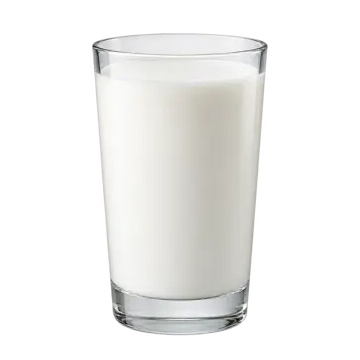 Skim milkLots of vitamin B12, riboflavin and calcium per serving
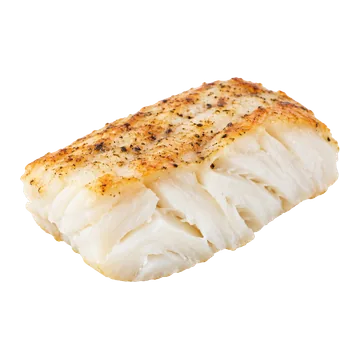 Cod, bakedLots of protein, selenium and omega-3: EPA + DHA per serving
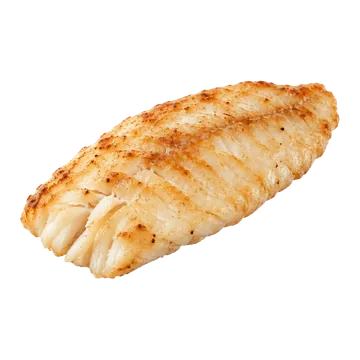 Tilapia, cookedLots of protein, selenium and vitamin B12 per serving
Left out: Chicken liver, simmered (Preformed vitamin A (retinol): limit it).
Which nutrients, and why these
Learn more
The 22 below are the nutrients the score reads. Each has a daily amount (Health Canada’s, or for EPA and DHA, which Health Canada gives no daily amount of their own, the European Food Safety Authority’s) and listed values for almost every food, which a fair comparison of foods needs. Vitamin D, choline and the omega-3s joined the score in method v0.4.
- CalciumBuilds your bones and teeth.Most absorbed per serving, measured: cooked kalemeasured absorption
- ProteinYour muscles, and every other tissue, are built and repaired from it.Most per serving, as listed: roast chicken breastlisted
- FibreKeeps your gut moving.Most per serving, as listed: whole-wheat pastalisted
- Vitamin AYour eyes need it to see in dim light.Most per serving, as listed: Beef liver, pan-friedlisted
- Vitamin CYour body makes collagen with it, which wounds need to heal.Most per serving, as listed: Orange juicelisted
- Vitamin EShields the fats in your cells from damage; your immune system uses it too.Most per serving, as listed: Sunflower seeds, dry-roastedlisted
- Vitamin K1Your blood needs it to clot.Most per serving, as listed: cooked mustard greenslisted
- Thiamin (B1)Your cells use it to get energy from food, and so to grow and work.Most per serving, as listed: canned tomatoeslisted
- Riboflavin (B2)Your cells use it to make energy and handle fats.Most per serving, as listed: Beef liver, pan-friedlisted
- Niacin (B3, niacin equivalents)More than 400 of your enzymes need it to work.Most per serving, as listed: Beef liver, pan-friedlisted
- Vitamin B6Helps you use protein, and your brain needs it to make its chemical messengers.Most per serving, as listed: Beef liver, pan-friedlisted
- FolateYour body needs it to make DNA and to divide new cells.Most per serving, as listed: Chicken liver, simmeredlisted
- Vitamin B12Your body needs it to make red blood cells and keep nerves working.Most per serving, as listed: Clams, cookedlisted
- IronCarries oxygen in your blood.Most per serving, as listed: Chicken liver, simmeredlisted
- MagnesiumYour muscles and nerves need it to work.Most per serving, as listed: pumpkin seedslisted
- PotassiumYour nerves, muscles and kidneys need it to work.Most per serving, as listed: Clams, cookedlisted
- ZincYour immune system and healing wounds depend on it.Most per serving, as listed: Oysters, cannedlisted
- SeleniumYour thyroid uses it to make its hormones.Most per serving, as listed: Pacific oysters, rawlisted
- Vitamin DYour body needs it to absorb calcium and keep your bones hard.Most per serving, as listed: Mushrooms, UV-exposed, rawlisted
- CholineYour cells need it for their membranes, and to make acetylcholine, a messenger for memory, mood and muscle control.Most per serving, as listed: Beef liver, pan-friedlisted
- Omega-3: ALAThe one omega-3 your body can’t make: it must come from food.Most per serving, as listed: whole flaxseedlisted
- Omega-3: EPA + DHALong-chain omega-3s, built into your cell membranes.Most per serving, as listed: cooked farmed salmonlisted
Also listed, outside the score
Listed by the databases, but not read by the score, the 0-to-1 number built from the 22 nutrients above that orders foods for a goal. No score, no absorption figure: each page ranks foods by the amount listed in one serving.
- PhosphorusA building block of your bones and teeth, of DNA, and of the molecule your cells use to store energy.Most per serving, as listed: Beef liver, pan-friedlisted only
- SodiumHelps keep your blood pressure and body fluids in balance, and your muscles and nerves working.Most per serving, as listed: Clams, cookedlisted only
- CopperA helper for enzymes that make energy, handle iron and build connective tissue.Most per serving, as listed: Beef liver, pan-friedlisted only
- ManganeseA helper for enzymes that build bone and handle sugars, protein and cholesterol; it also works with vitamin K in blood clotting.Most per serving, as listed: Mussels, cookedlisted only
- IodineYour thyroid builds its hormones from it.Most per serving, as listed: cottage cheeselisted only
- Pantothenic acid (B5)Your cells turn it into coenzyme A, which they need to build and break down fats and for many other jobs.Most per serving, as listed: Beef liver, pan-friedlisted only
- Biotin (B7)A helper for the enzymes that handle fats, glucose and amino acids.Most per serving, as listed: raw almondslisted only
- Omega-3: EPAEicosapentaenoic acid, one of the two long-chain omega-3 fats.Most per serving, as listed: cooked farmed salmonlisted only
- Omega-3: DHADocosahexaenoic acid, the other long-chain omega-3 fat; the amount in your blood and tissues falls when you run short of omega-3.Most per serving, as listed: cooked farmed salmonlisted only
Not covered, and why
None of these has a page here.
- Vitamin K2. The databases list one form, MK-4, for 41 of the 159 foods, so a ranking would be of one form in a few foods and would mislead. The vitamin K1 page says how K1 and K2 differ.
- Chromium. None of the national tables we read lists it for our foods. What a food holds depends on the soil, the water and the processing (samples of the same oatmeal varied 50-fold), and it is hard to measure without contaminating the sample. A lack of it has not been reported in healthy people.
- Molybdenum. Listed for only 11 of the 159 foods we checked, and what a food holds depends on the soil and the irrigation water it grew in, so a ranking of those few would say little. A lack of it from food has not been reported.
- Water. Most food pages list a food’s water, but we don’t rank by it: Health Canada’s daily amount of total water (3.7 L for men, 2.7 L for women, aged 19 to 30) counts drinks too, so a list of foods can’t say whether you have enough.
- Fluoride. The databases list it for only 49 of the 159 foods we checked, too few for a ranking to say much. Health Canada gives an adequate intake of 4 mg a day for men and 3 mg for women, and an upper level of 10 mg.
- Chloride. None of the national tables we read lists it for our foods, so there is nothing to rank. Salt is sodium chloride, so the sodium page is the nearest thing. Health Canada gives chloride an adequate intake of 2,300 mg a day and an upper level of 3,600 mg for adults.
- Omega-6 fats. Linoleic acid, the main one, is listed for 154 of the 159 foods we checked, but we haven’t ranked foods by it. Health Canada gives an adequate intake of 17 g a day for men and 12 g for women, a level taken to be enough, and sets no upper level; its table notes that this doesn’t mean high intakes are known to be tolerated. A ranking by amount would only put oils, nuts and seeds first.
- Amino acids. We rank protein as a whole. The databases list each amino acid for 135 of the 159 foods we checked, but Health Canada gives no daily amount for each to read a serving against, only a scoring pattern (milligrams per gram of protein) for judging how good a protein is.