Arsenic, all forms
In the body: It counts every form of arsenic, the harmful inorganic kind and the organic forms alike, so on its own it says little about risk.
Not rated by dose: a flag on 68 reviewed foods, among them calcium-set tofu, roast chicken breast and white rice. The list below has a line for each of 72 preparations.
Background. Shown, not scored: no dose basis at normal intake, a classification rather than a risk, or legal limits only.
This counts every form of arsenic together and has no reference value, so it is shown, not scored. Inorganic arsenic, the form rated against an agency reference point, has its own page. See also: Inorganic arsenic
The reference value and where it comes from
- The agency’s figureno agency dose value
- Basistotal arsenic (no reference value; the inorganic share is rated separately)
- Source ?Health Canada Total Diet Study, trace elements
Reviewed foods that carry it
68 reviewed foods carry it; none is rated by dose. A food counts once, as in the foods list: preparations sharing a page (raw and cooked, canned) count once; one with its own page counts apart. Below, one line for each of 72 preparations. 81 measurements in all. A preparation measured more than once gets one line, the measurement the dataset leads with or a stricter one, named beside the food; the others fold under it.
How often you can eat it ?
No food here is rated by dose. Each line says why it’s listed: a flag for the people the source names, advice on handling it, or context.
Flags and context, not rated by dose
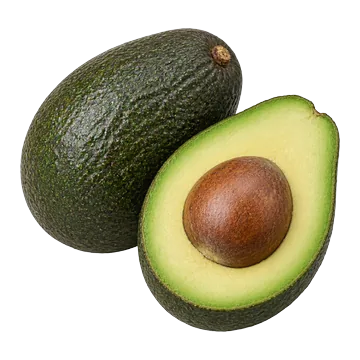 Avocado, raw
Not rated yet
US FDA Total Diet Study (2018–2020) · grade B ?
How it’s rated
Not rated: only total arsenic was measured, and the reference point (EFSA 2024) is for inorganic arsenic.
Intake: not applicable (flag) · Level in the food: 5.6 µg/kg (mean, n = 27)
Measured on: food-specific: FDA TDS #97, 6 detects of 27 (max 50 ppb), reporting limit 3 ppb; total arsenic, no speciation
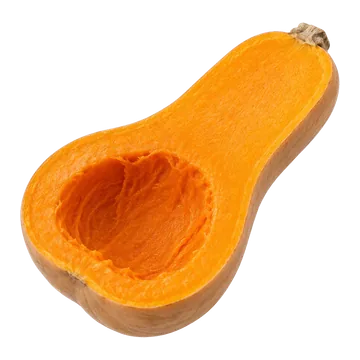 Butternut squash, baked
Not rated yet
US FDA Total Diet Study (2018–2020) · grade A ?
How it’s rated
Not rated: the FDA found total arsenic averaging 2 µg/kg in 27 boiled-squash samples (8 detected, reporting limit 3 ppb), but EFSA's 2024 reference point of 0.06 µg/kg body weight/day (BMDL05) applies to inorganic arsenic, which was not measured.
Intake: one 85 g serving a day · Level in the food: 2 µg/kg (TOTAL arsenic mean (standard deviation 3.9, max 17, 8 of 27 detects, reporting limit 3 ppb), n = 27)
Measured on: US FDA Total Diet Study FY2018-FY2020, TDS food 126 "Squash, winter, fresh/frozen, boiled", n 27 samples, United States. BOILED not baked (no baked winter-squash entry in the elements summary); the summary prints mean N/A when all 27 are non-detects, and does not state how non-detects enter a partial mean.
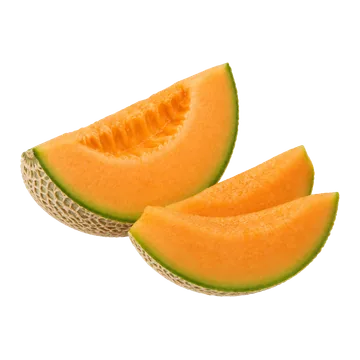 Cantaloupe, raw
Not rated yet
1.051 µgper servingHealth Canada Total Diet Study, trace elements · grade B ?
How it’s rated
Context only: total arsenic has no reference value; inorganic arsenic is not reported for melon. Not scored.
Intake: one serving a day, 70 kg adult · Level in the food: 7.01 ng/g (mean (equal-weight, pooled by n), n = 12)
Measured on: Health Canada TDS, HH12 Melons (cantaloupe and watermelon): 9 composites 2004-2012 (6.515 ng/g) and 3 composites 2016-2018 (8.485 ng/g), as consumed.
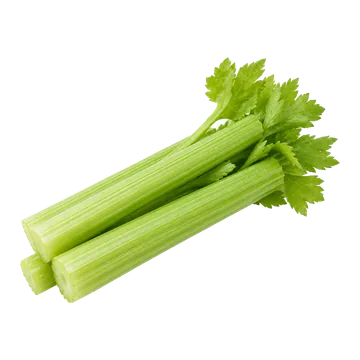 Celery, raw
Not rated yet
Health Canada Total Diet Study, trace elements · grade A ?
How it’s rated
Context: total arsenic has no reference value; the inorganic share is rated only where measured.
Intake: not applicable (flag) · Level in the food: 4.72 µg/kg (mean (equal-weight, two sets pooled by n), n = 12)
Measured on: Health Canada TDS GG08 celery, total arsenic, as consumed: 2004-2012 n 9 and 2016-2018 n 3
 Cherries, raw
Not rated yet
CFIA chemical residue monitoring (2016–2023) · grade B ?
How it’s rated
Not rated: EFSA's 2024 reference point for inorganic arsenic is a benchmark dose lower limit (BMDL05) of 0.06 µg/kg body weight/day, with no safe level. CFIA measured only total arsenic, a lower-bound mean of 5.978 ng/g over 108 samples (48.1% non-detects), not the inorganic fraction the reference point applies to, so no rating or grams figure is given.
Intake: one 140 g serving a day (HC TRA J.1), 70 kg adult · Level in the food: 5.978 ng/g (lower-bound mean over all n; TOTAL arsenic, not the inorganic fraction, n = 108)
Measured on: CFIA NCRMP annexes B1 (domestic) and B2 (import), fresh cherry commodity 'Cherry', 2016-17 to 2022-23, Canada; n 108 and positives 56 pooled by the script; lower-bound mean over all n (non-detects as 0); targeted inspection, not a random survey
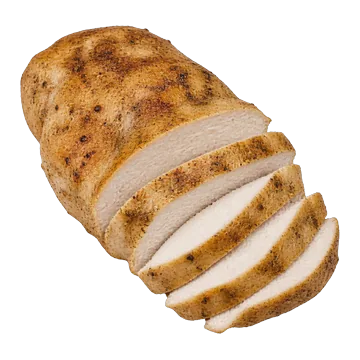 Chicken breast, roasted
Not rated yet
0.791 µgper servingtotal AsHealth Canada Total Diet Study, trace elements · grade B ?
How it’s rated
Not rated: EFSA's inorganic-arsenic reference (benchmark dose lower limit (BMDL05) 0.06 µg/kg body weight/day) needs the inorganic fraction; the TDS reports total arsenic only and no agency inorganic value for chicken muscle was found
Intake: one 100 g cooked serving a day, 70 kg adult · Level in the food: 7.913 µg/kg (mean, n = 12)
Measured on: category: HC TDS CC02 roast chicken and turkey, TOTAL arsenic, as consumed, 12 composites 2004-2018
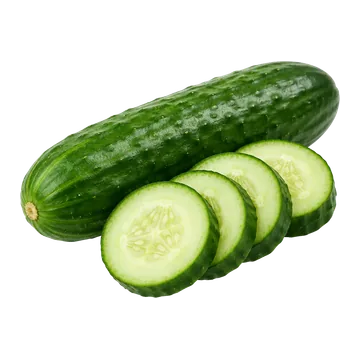 Cucumber, raw
Not rated yet
0.301 µgper servingHealth Canada Total Diet Study, trace elements · grade B ?
How it’s rated
Context only: total arsenic has no reference value; inorganic arsenic is not reported. Not scored.
Intake: one serving a day, 70 kg adult · Level in the food: 3.54 ng/g (mean (equal-weight, pooled by n), n = 12)
Measured on: Health Canada TDS, GG10 'Cucumbers (Fresh and pickled)': 9 composites 2004-2012 (2.929 ng/g, 1 non-detect) and 3 composites 2016-2018 (5.355 ng/g), as consumed.
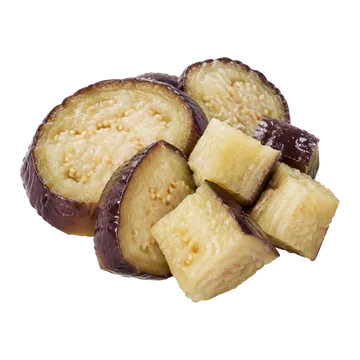 Eggplant, cooked
Not rated yet
CFIA chemical residue monitoring (2016–2023) · grade B ?
How it’s rated
Not rated: only total arsenic was measured (CFIA raw eggplant, lower-bound mean 6.75 µg/kg, 124 samples, 53.2% non-detects). EFSA's 2024 reference point, a benchmark dose lower limit (BMDL05) of 0.06 µg/kg body weight/day, applies to the inorganic fraction, which was not measured. The FDA boiled samples (2 of 6 detects) are shown beside it.
Intake: one 85 g serving a day (HC TRA V.1), 70 kg adult · Level in the food: 6.75 µg/kg (TOTAL arsenic, lower-bound mean over all n, pooled by n (6 annex sets), n = 124)
Measured on: CFIA National Chemical Residue Monitoring Program metals, RAW fresh eggplant (commodity "Eggplant"), Annex B1 domestic and B2 import pooled by n over 6 annex sets: 2016-17 to 2018-19 [ppm], 2019-20 to 2021-22 [ppm], 2022-23 [µg/g]; Canada. Statistic: lower-bound mean over all n (non-detects as 0), recomputed from each set's n x lower bound mean. RAW BASIS: not a boiled-eggplant figure; no cooked-basis metals source exists (no TDS code, not in FDA TDS FY2018-20).
1 other measurement of this food
- US FDA TDS 2018-20, boiled and peeled
Not rated yet
0.23 µgper servingtotal AsUS FDA Total Diet Study (2018–2020) · grade A ?
How it’s rated
Not rated: only total arsenic was measured (FDA boiled, peeled eggplant, mean 2.7 µg/kg, 2 of 6 detects, reporting limit 3 µg/kg, maximum 8.9). EFSA's 2024 reference point, a benchmark dose lower limit (BMDL05) of 0.06 µg/kg body weight/day, applies to the inorganic fraction. It is shown beside the CFIA raw figure.
Intake: one 85 g serving a day (HC TRA V.1), 70 kg adult · Level in the food: 2.7 µg/kg (TOTAL arsenic mean (standard deviation 4.2, max 8.9, 2 of 6 detects, reporting limit 3 ppb), n = 6)
Measured on: US FDA Total Diet Study FY2018-FY2020, TDS food 265 "Eggplant, fresh, peeled, boiled", n 6 samples, United States. COOKED basis (boiled, peeled). The summary prints mean N/A when every sample is a non-detect and does not state how non-detects enter a partial mean.
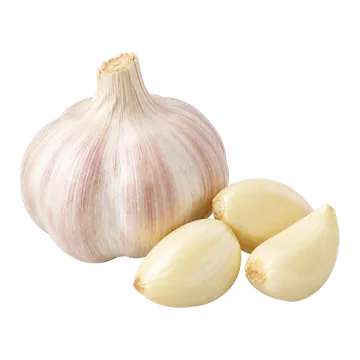 Garlic, raw
Not rated yet
US FDA Total Diet Study (2018–2020) · grade A ?
How it’s rated
Context: total arsenic has no reference value; the inorganic share was not measured.
Intake: not applicable (flag) · Level in the food: 8.7 ppb (mean, n = 6)
Measured on: FDA TDS FY2018-2020, 'Garlic, raw', total arsenic, 6 samples, all detected, range 6.3-14 ppb
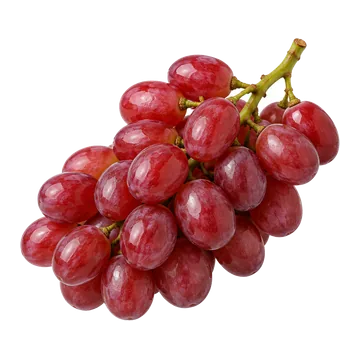 Grapes, raw
Not rated yet
0.552 µgper servingtotal arsenicHealth Canada Total Diet Study, trace elements · grade B ?
How it’s rated
Not rated: the reference is INORGANIC arsenic (EFSA 2024 benchmark dose lower limit (BMDL05) 0.06 µg/kg body weight/day; average 7.7 µg/day, seed) and the source gives TOTAL arsenic only. Stated worst case only, assuming 100% inorganic (not true of fruit): 140 g = 0.55 µg = 7% of 7.7 µg/day.
Intake: one 140 g serving a day, 70 kg adult · Level in the food: 3.944 µg/kg (TOTAL arsenic) (mean, n = 12)
Measured on: Health Canada TDS HH11 composites, TOTAL arsenic n 12 (9 composites 2004-2012 mean 3.917; 3 composites 2016-2018 mean 4.025). FDA TDS food 88: 3.1 µg/kg (27 samples, 16 detects).
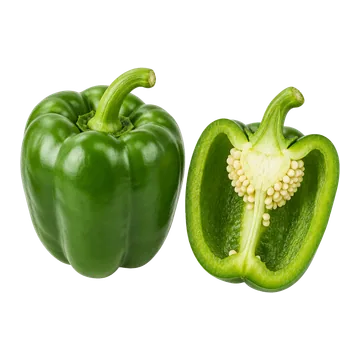 Green pepper, raw
Not rated yet
0.066 µgper servingHealth Canada Total Diet Study, trace elements · grade A ?
How it’s rated
Not rated: only total arsenic was measured, and the harmful form is inorganic arsenic. FDA: not detected in 27 samples.
Intake: one 85 g serving a day (Health Canada TRA V.1), 70 kg adult · Level in the food: 0.777 ng/g (mean (equal-weight, pooled by n), n = 12)
Measured on: Health Canada TDS, GG15, total arsenic, as consumed: 9 composites 2004-2012 (0.8565 ng/g) and 3 composites 2016-2018 (0.5363), no non-detects.
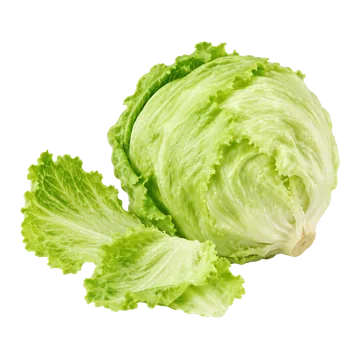 Iceberg lettuce, raw
Not rated yet
CFIA chemical residue monitoring (2016–2023) · grade B ?
How it’s rated
Not rated: total arsenic, not inorganic; no health-based limit applies to total arsenic.
Intake: one 85 g serving a day, 70 kg adult · Level in the food: 0.95 ng/g (lower-bound mean over all n (21 of 158 positive; max 23.2 ng/g), n = 158)
Measured on: CFIA NCRMP annex B2 (imports), 'Lettuce - head', fresh, 2017-18 to 2022-23. Pooled as an n-weighted mean of the annex rows' lower-bound means over all n, 4 import lines (2017-18+2018-19 n 102; 2019-20+2020-21 n 26; 2021-22 n 17; 2022-23 n 13) = n 158; domestic n 41 (4 lines). Years pooled: 2017-18 to 2022-23, no single-year composite mixed with a multi-year one without n weighting.
 Kiwi, raw
Not rated yet
0.214 µgper servingHealth Canada Total Diet Study, trace elements · grade A ?
How it’s rated
Not rated: this is total arsenic with no speciation, so no reference value is applied. A serving carries 0.2135 µg of total arsenic (Health Canada total diet study, 9 composites, 2004–2012).
Intake: one 140 g serving a day, 70 kg adult · Level in the food: 1.525 µg/kg (mean, n = 9)
Measured on: Health Canada Canadian Total Diet Study, trace elements, TDS food HH20 'Kiwi fruit (Fresh, raw kiwi)', composites 2004-2012 (9 composites, 0 non-detects), as consumed.
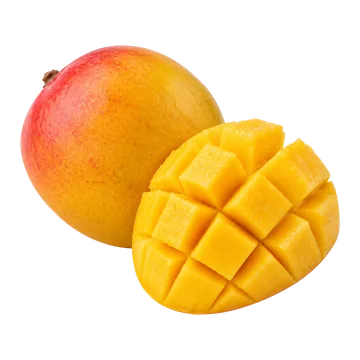 Mango, raw
Not rated yet
0.336 µgper servingUS FDA Total Diet Study (2018–2020) · grade B ?
How it’s rated
Not rated: this is total arsenic with no speciation, so no reference value is applied. A serving carries 0.336 µg of total arsenic (FDA, 6 samples, 3 detects).
Intake: one 140 g serving a day, 70 kg adult · Level in the food: 2.4 µg/kg (mean, n = 6)
Measured on: FDA Total Diet Study FY2018-2020, TDS food 412 'Mango, fresh/frozen', US, 6 samples, 3 detects, reporting limit 3 ppb, max 5.4 ppb.
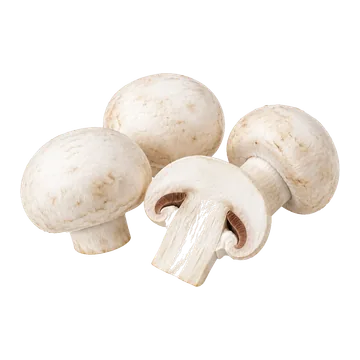 Mushrooms, raw
Not rated yet
US FDA Total Diet Study (2018–2020) · grade A ?
How it’s rated
Context: total arsenic has no reference value; the inorganic share was not measured.
Intake: not applicable (flag) · Level in the food: 15 ppb (mean, n = 27)
Measured on: FDA TDS FY2018-2020, 'Mushrooms, raw', total arsenic, 27 samples, all detected, range 9.2-24 ppb
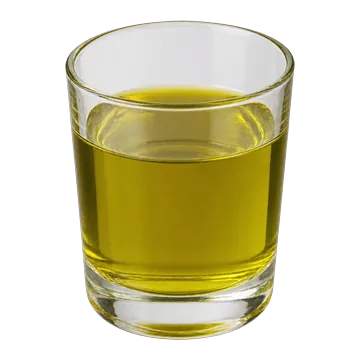 Olive oil, extra virgin
Not rated yet
US FDA Total Diet Study (2018–2020) · grade A ?
How it’s rated
Not rated: total arsenic is not speciated and the repo's arsenic row is for the inorganic form; mercury likewise; both are non-detects in all three composites.
Intake: one 9.07 g (10 mL) serving a day, 70 kg adult · Level in the food: 0 micrograms/kg (mean, n = 3)
Measured on: FDA TDS FY2018-20 #378 'Oil, olive': total arsenic 0/3 detects (RL 4 ppb), mercury 0/3 (RL 1 ppb)
 Pasta, cooked
Not rated yet
0.43 µgper servingtotal AsHealth Canada Total Diet Study, trace elements · grade B ?
How it’s rated
Not rated: the reference point (EFSA 2024) is for inorganic arsenic, and pasta has only total arsenic here. If all of it were inorganic, a serving would carry 0.43 µg, 0.006 µg/kg body weight, against an average adult intake of 0.03-0.15 µg/kg body weight/day.
Intake: one 215 g cooked serving a day, 70 kg adult · Level in the food: 1.98 µg/kg (mean, n = 12)
Measured on: food-specific but TOTAL arsenic only: Health Canada TDS FF16 'Pasta, plain', 12 composites 2004-2018. FDA TDS #347: arsenic not detected 0/3 (RL 3 ppb)
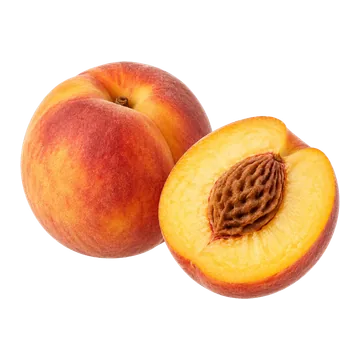 Peaches, raw
Not rated yet
Health Canada Total Diet Study, trace elements · grade B ?
How it’s rated
Not rated: only total arsenic was measured (Health Canada Total Diet Study mean 4.092 ng/g, 12 composites, none non-detect; CFIA fresh peach lower-bound mean 3.16 ng/g, 217 samples). EFSA's 2024 reference point, a benchmark dose lower limit (BMDL05) of 0.06 µg/kg body weight/day with no safe limit, applies to inorganic arsenic, and the inorganic share in fruit was not sourced.
Intake: one 140 g serving a day (HC TRA J.1), 70 kg adult · Level in the food: 4.092 ng/g (mean of 12 single-year composites (equal weight); TOTAL arsenic, not the inorganic fraction, n = 12)
Measured on: Health Canada TDS, HH13 "Peaches", As consumed, 2004-2012 and 2016-2018 (12 composites), total arsenic, Canada
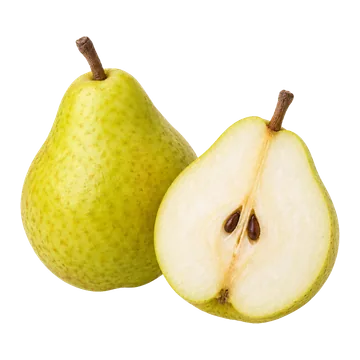 Pears, raw
Not rated yet
Health Canada Total Diet Study, trace elements · grade B ?
How it’s rated
Not rated: only total arsenic was measured (Health Canada Total Diet Study mean 3.694 ng/g, 12 composites, none non-detect; CFIA fresh pear lower-bound mean 1.97 ng/g, 353 samples). EFSA's 2024 reference point, a benchmark dose lower limit (BMDL05) of 0.06 µg/kg body weight/day with no safe limit, applies to the inorganic fraction. A CFIA speciation study of processed pear foods found inorganic arsenic of 4.11 ng/g in pear juice (total 5.64), 1.46 in infant pear food (total 3.09) and 14.45 in pear snacks (total 34.8).
Intake: one 140 g serving a day (HC TRA J.1), 70 kg adult · Level in the food: 3.694 ng/g (mean of single-year composites, n-weighted (4.094 n 9; 2.495 n 3); TOTAL arsenic, not the inorganic fraction, n = 12)
Measured on: Health Canada Total Diet Study, food code HH14 Pears (set 1 "Fresh, raw pears" 2000-2012, set 2 "Fresh, raw" 2016-2018), As consumed, Canada; the two single-year sets are combined here by composite count (n-weighted); non-detects stored as 0; the 1993-99 pooled composite is a separate row and is not averaged in
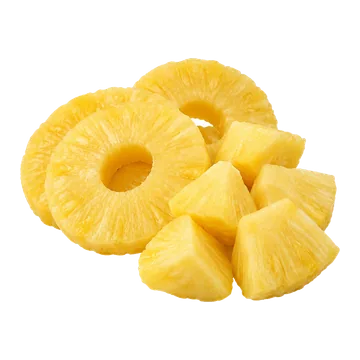 Pineapple, raw
Not rated yet
0.022 µgper servingUS FDA Total Diet Study (2018–2020) · grade A ?
How it’s rated
Not rated: this is total arsenic with no split into its forms, so no reference value is applied. The FDA mean is 0.16 µg/kg in 27 samples (96.3% non-detects), 0.0224 µg in a 140 g serving.
Intake: one 140 g serving a day, 70 kg adult · Level in the food: 0.16 µg/kg (mean, n = 27)
Measured on: FDA Total Diet Study FY2018-2020, TDS food 396 'Pineapple, raw/frozen', US, 27 samples, 1 detect, reporting limit 3 ppb, max 4.4 ppb.
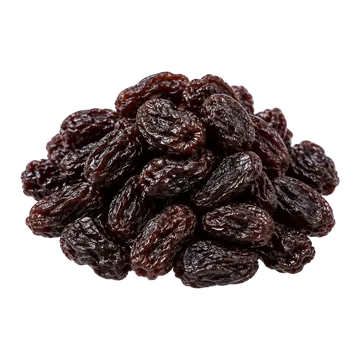 Raisins
Not rated yet
0.897 µgper servingtotal arsenicHealth Canada Total Diet Study, trace elements · grade B ?
How it’s rated
Not rated: the reference is INORGANIC arsenic (EFSA 2024 benchmark dose lower limit (BMDL05) 0.06 µg/kg body weight/day; average 7.7 µg/day, seed) and the source gives TOTAL arsenic only. Stated worst case only, assuming 100% inorganic (not true of fruit): 40 g = 0.90 µg = 12% of 7.7 µg/day.
Intake: one 40 g serving a day, 70 kg adult · Level in the food: 22.43 µg/kg (TOTAL arsenic) (mean, n = 12)
Measured on: Health Canada TDS HH17 composites, TOTAL arsenic n 12 (9 composites 2004-2012 mean 20.58 ng/g; 3 composites 2016-2018 mean 27.96 ng/g). FDA TDS food 95: 23 µg/kg (n 3).
 Raspberries, raw
Not rated yet
0.52 µgper servingtotal arsenicCFIA chemical residue monitoring (2016–2023) · grade B ?
How it’s rated
Not rated: the reference is INORGANIC arsenic (EFSA 2024 benchmark dose lower limit (BMDL05) 0.06 µg/kg body weight/day; average 7.7 µg/day, seed) and the source gives TOTAL arsenic only. Stated worst case only, assuming 100% inorganic (not true of fruit): 80 g = 0.52 µg = 7% of 7.7 µg/day.
Intake: one 80 g serving a day, 70 kg adult · Level in the food: 6.54 µg/kg (TOTAL arsenic) (mean, n = 83)
Measured on: CFIA NCRMP 2016-17 to 2022-23, commodity 'Raspberry', domestic B1 (n 13) and import B2 (n 70) pooled by sample count (n 83); non-detects as 0. Health Canada's TDS has no raspberry code and FDA's TDS has no raspberry food. TOTAL arsenic: B1 2 positives, 1.84 µg/kg; B2 38 positives, 7.41 µg/kg (highest 59.6).
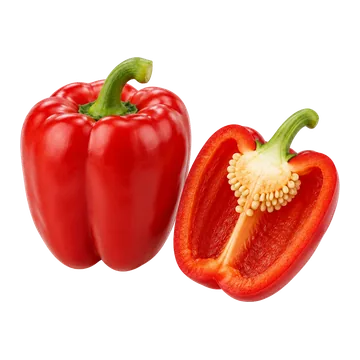 Red pepper, raw
Not rated yet
0.066 µgper servingHealth Canada Total Diet Study, trace elements · grade B ?
How it’s rated
Not rated: only total arsenic was measured, and the harmful form is inorganic arsenic. FDA: not detected in 27 samples.
Intake: one 85 g serving a day (Health Canada TRA V.1), 70 kg adult · Level in the food: 0.777 ng/g (mean (equal-weight, pooled by n), n = 12)
Measured on: Health Canada TDS, GG15, total arsenic, as consumed: 9 composites 2004-2012 (0.8565 ng/g) and 3 composites 2016-2018 (0.5363), no non-detects.
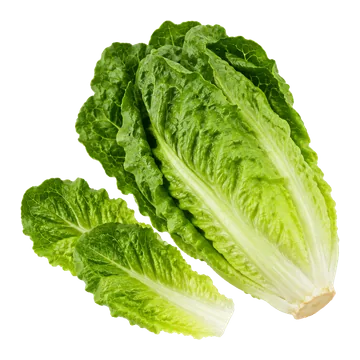 Romaine lettuce, raw
Not rated yet
0.177 µgper servingHealth Canada Total Diet Study, trace elements · grade B ?
How it’s rated
Not rated: only total arsenic was measured, and the harmful form is inorganic arsenic, which no source measures in lettuce. FDA: iceberg lettuce not detected; leaf lettuce detected in 8 of 27 samples, mean 1.7 ppb.
Intake: one 85 g serving a day (Health Canada TRA V.1), 70 kg adult · Level in the food: 2.088 ng/g (mean (equal-weight, pooled by n), n = 12)
Measured on: Health Canada TDS, GG11, total arsenic, as consumed: 9 composites 2004-2012 (2.521 ng/g, 1 non-detect) and 3 composites 2016-2018 (0.789).
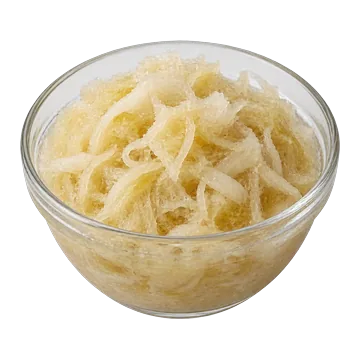 Sauerkraut
Not rated yet
Health Canada Total Diet Study, trace elements · grade B ?
How it’s rated
Total arsenic is not the toxic inorganic fraction; no speciation, no sauerkraut data. Not rated (brief: a hazard you cannot rate is 'missing').
Intake: one 30 g serving a day, 70 kg adult · Level in the food: 1.27 µg/kg (mean, n = 12)
Measured on: RELATED FOOD (B): Canadian TDS GG05 'Cabbage', 12 composites 2004-2018, TOTAL arsenic, no speciation (one non-detect, detection limit (detection limit) 0.19); range 0-4.03 ng/g
 Strawberries, raw
Not rated yet
0.392 µgper servingtotal arsenicUS FDA Total Diet Study (2018–2020) · grade B ?
How it’s rated
Not rated: the reference is INORGANIC arsenic (EFSA 2024 benchmark dose lower limit (BMDL05) 0.06 µg/kg body weight/day; average 7.7 µg/day, seed) and the source gives TOTAL arsenic only. Stated worst case only, assuming 100% inorganic (not true of fruit): 140 g = 0.39 µg = 5% of 7.7 µg/day.
Intake: one 140 g serving a day, 70 kg adult · Level in the food: 2.8 µg/kg (TOTAL arsenic) (mean, n = 27)
Measured on: FDA TDS food 86, TOTAL arsenic, 27 samples, 16 detects (non-detects 11, reporting limit 3 µg/kg); CFIA NCRMP pooled lower-bound mean 3.9 µg/kg (n 258, 95 positives).
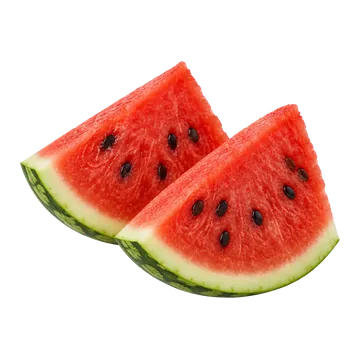 Watermelon, raw
Not rated yet
1.051 µgper servingHealth Canada Total Diet Study, trace elements · grade B ?
How it’s rated
Not rated: total arsenic has no reference value, and the total diet study does not report inorganic arsenic for melon. Health Canada's cantaloupe-and-watermelon composite has a mean of 7.01 ng/g total arsenic (12 composites), 1.051 µg in a serving.
Intake: one serving a day, 70 kg adult · Level in the food: 7.01 ng/g (mean (equal-weight, pooled by n), n = 12)
Measured on: Health Canada TDS, HH12 Melons (cantaloupe and watermelon) composite: 9 composites 2004-2012 (6.515 ng/g) and 3 composites 2016-2018 (8.485 ng/g), as consumed.
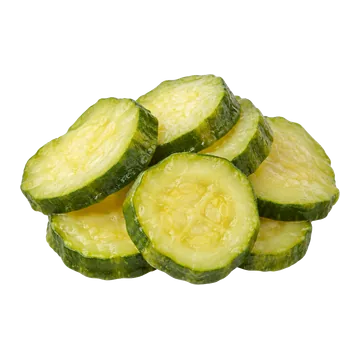 Zucchini, cooked
Not rated yet
0.032 µgper servingUS FDA Total Diet Study (2018–2020) · grade A ?
How it’s rated
Context only: total arsenic has no reference value; inorganic arsenic is not reported. Not scored.
Intake: one serving a day, 70 kg adult · Level in the food: 0.38 µg/kg (mean, n = 27)
Measured on: FDA Total Diet Study FY2018-2020, TDS food 407 'Zucchini, fresh/frozen, boiled' (US), 27 samples, 3 detects, reporting limit 3 ppb, max 3.5 ppb.
 0.018 µgper serving
How it’s rated
Context: total arsenic is not the toxic species; never scored.
Intake: one 250 mL serving a day, 70 kg adult · Level in the food: 0.07 µg/L (mean ± standard deviation 0.05 across brands, n = 4)
Measured on: Good et al. 2026, US (Houston) retail almond milk, 4 brands, total arsenic by ICP-MS
 Bacon, pan-fried
Context
US FDA Total Diet Study (2018–2020) · grade A ?
How it’s rated
Context only (total arsenic; inorganic share not measured).
Intake: not applicable (flag) · Level in the food: 0.61 µg/kg (mean of 27 composites (FDA), n = 27)
Measured on: US FDA Total Diet Study FY2018-2020, TDS food 20 'Pork bacon, oven-cooked', n 27 composites, as prepared; non-detects counted as zero (inferred, see notes); 5 detects, max 3.8 ppb, RL 3 ppb
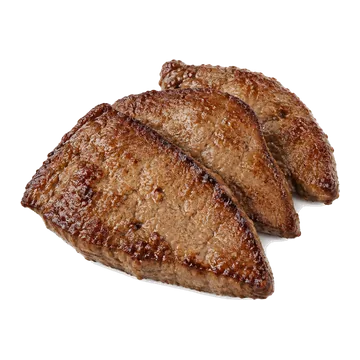 Beef liver, pan-fried
Context
0.55 µgper servingtotalHealth Canada Total Diet Study, trace elements · grade A ?
How it’s rated
Context only: total arsenic has no reference value; the inorganic share is not reported for meat.
Intake: 100 g cooked serving · Level in the food: 5.497 ng/g (µg/kg) (mean (equal-weight, pooled n-weighted), n = 12)
Measured on: Health Canada TDS, BB10 beef or veal liver, as consumed: 6.254 ng/g (9 composites, 2 non-detects) and 3.226 ng/g (3 composites)
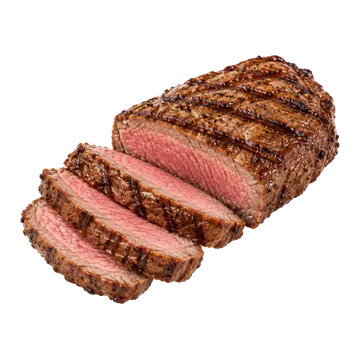
Health Canada Total Diet Study, trace elements · grade A ?
How it’s rated
Shown as context, not rated: the dataset has no reference value for total arsenic. EFSA rates inorganic arsenic (benchmark dose lower limit (BMDL05) 0.06 µg/kg body weight/day), which this record did not measure, so it is not estimated.
Intake: not applicable (context) · Level in the food: 4.827 ng/g (µg/kg) (mean (equal-weight, pooled n-weighted), n = 12)
Measured on: Health Canada TDS BB01 "Beef, steak (sirloin and T-bone)", As consumed, total arsenic, 12 composites: 9 in 2004-2012 (mean 4.467, 2 non-detects, detection limit (detection limit) to 17) and 3 in 2016-2018 (mean 5.907); roast item BB02: pooled 4.3413; detection limit range 0-17 ng/g
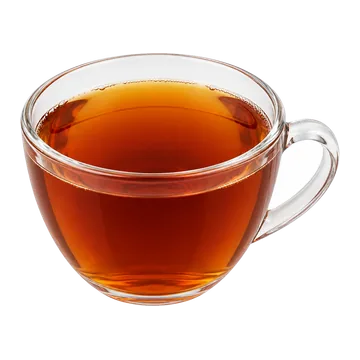 Black tea, brewed
Context
0.231 µgper servingper cupHealth Canada Total Diet Study, trace elements · grade A ?
How it’s rated
Total arsenic is context in the dataset; not scored.
Intake: one 250 mL (250 g) cup a day, 70 kg adult · Level in the food: 0.925 ng/g (mean (equal-weight), n = 12)
Measured on: Canadian TDS (Health Canada, open.canada.ca dataset 83934503-cfae-4773-b258-e336896c2c53), item KK06 'Tea (Black tea)', Basis for Result 'As consumed', Intended Use 'Ready-to-eat', composites 1999 (average of 1993-99) and 2000-2012, 2016-2018, Canadian cities; the brewing recipe is not stated in the record; 12 composites 2004-2018, range 0.27-2.93
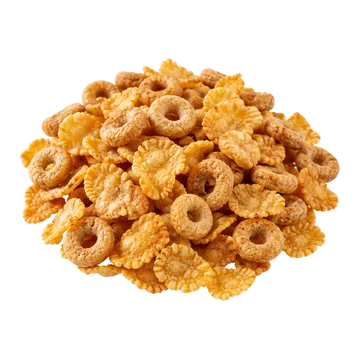 Breakfast cereal
Context
Health Canada Total Diet Study, trace elements · grade A ?
How it’s rated
Context only (total arsenic has no reference value). The inorganic share is rated on the inorganic arsenic rows from EFSA 2021.
Intake: one 30 g serving a day (Health Canada reference amount C.3), 70 kg adult · Level in the food: 2.526 ng/g (mean, n = 12)
Measured on: Health Canada TDS FF06 "Cereal, corn (Corn flake type cereal)" (Food Name "Cold Cereals, Corn Based"), 12 composites 2004-2018, as consumed. TOTAL arsenic (inorganic share not separated)
8 other measurements of this food
- US FDA TDS 2018-20, frosted shredded wheat
Context
US FDA Total Diet Study (2018–2020) · grade A ?
How it’s rated
Context only (total arsenic). Inorganic share not measured in this sheet.
Intake: one 30 g serving a day (Health Canada reference amount C.3), 70 kg adult · Level in the food: 1.1 ppb (mean, n = 3)
Measured on: FDA TDS FY2018-2020 #514 "Cereal, shredded wheat, frosted", n = 3. TOTAL arsenic
- US FDA TDS 2018-20, granola
Context
US FDA Total Diet Study (2018–2020) · grade A ?
How it’s rated
Context only (total arsenic). Inorganic share not measured in this sheet.
Intake: one 30 g serving a day (Health Canada reference amount C.3), 70 kg adult · Level in the food: 16 ppb (mean, n = 3)
Measured on: FDA TDS FY2018-2020 #512 "Cereal, granola", n = 3. TOTAL arsenic
- US FDA TDS 2018-20, honey oat rings
Context
US FDA Total Diet Study (2018–2020) · grade A ?
How it’s rated
Context only (total arsenic). Inorganic share not measured in this sheet.
Intake: one 30 g serving a day (Health Canada reference amount C.3), 70 kg adult · Level in the food: 21 ppb (mean, n = 3)
Measured on: FDA TDS FY2018-2020 #513 "Cereal, oat ring, honey", n = 3. TOTAL arsenic
- Health Canada TDS 2004-18, rice and bran cereals (mixed)
Context
Health Canada Total Diet Study, trace elements · grade A ?
How it’s rated
Context only (total arsenic has no reference value). The inorganic share is rated on the inorganic arsenic rows from EFSA 2021.
Intake: one 30 g serving a day (Health Canada reference amount C.3), 70 kg adult · Level in the food: 79.52 ng/g (mean, n = 12)
Measured on: Health Canada TDS FF08 "Cereals, rice & bran (Rice crispies, all-bran, and raisin bran)" (Food Name "Cereal, Rice, Bran"; a composite, no single grain), 12 composites 2004-2018, as consumed. TOTAL arsenic (inorganic share not separated)
- US FDA TDS 2018-20, corn flakes
Context
US FDA Total Diet Study (2018–2020) · grade A ?
How it’s rated
Context only (total arsenic). Inorganic share not measured in this sheet.
Intake: one 30 g serving a day (Health Canada reference amount C.3), 70 kg adult
Measured on: FDA TDS FY2018-2020 #71 "Cereal, corn flakes", n = 3. TOTAL arsenic
- US FDA TDS 2018-20, bran with raisins
Context
US FDA Total Diet Study (2018–2020) · grade A ?
How it’s rated
Context only (total arsenic). Inorganic share not measured in this sheet.
Intake: one 30 g serving a day (Health Canada reference amount C.3), 70 kg adult · Level in the food: 18 ppb (mean, n = 3)
Measured on: FDA TDS FY2018-2020 #74 "Cereal, bran with raisins", n = 3. TOTAL arsenic
- US FDA TDS 2018-20, crisped rice
Context
US FDA Total Diet Study (2018–2020) · grade A ?
How it’s rated
Context only (total arsenic). Inorganic share not measured in this sheet.
Intake: one 30 g serving a day (Health Canada reference amount C.3), 70 kg adult · Level in the food: 170 ppb (mean, n = 3)
Measured on: FDA TDS FY2018-2020 #75 "Cereal, crisped rice", n = 3. TOTAL arsenic
- US FDA TDS 2018-20, oat rings
Context
US FDA Total Diet Study (2018–2020) · grade A ?
How it’s rated
Context only (total arsenic). Inorganic share not measured in this sheet.
Intake: one 30 g serving a day (Health Canada reference amount C.3), 70 kg adult · Level in the food: 29 ppb (mean, n = 3)
Measured on: FDA TDS FY2018-2020 #77 "Cereal, oat ring", n = 3. TOTAL arsenic
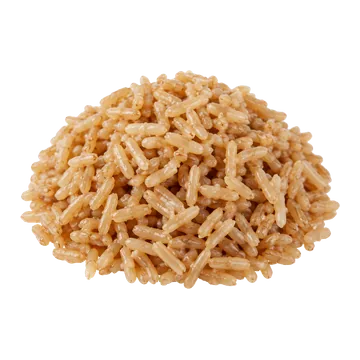 Brown rice, cooked
Context
8.96 µgper servingtotal arsenicUS FDA Total Diet Study (2018–2020) · grade A ?
How it’s rated
Shown as context, not rated: total arsenic has no reference value; the inorganic share is rated in its own row, and no inorganic share is applied to this figure. The FDA mean for cooked brown rice is 64 ppb (27 of 27 detected, maximum 88), 8.96 µg of total arsenic a serving. Shown beside the inorganic arsenic row as the as-eaten total.
Intake: one 140 g cooked serving a day · Level in the food: 64 ppb (mean (27 of 27 detected; standard deviation 10, min 49, max 88), n = 27)
Measured on: food-specific: US FDA Total Diet Study FY2018-2020 elements supplement, TDS food 402 'Rice, brown, cooked' (as eaten, US), 27 samples, reporting limit stated per analyte; total arsenic, as eaten
 Cakes
Context
Health Canada Total Diet Study, trace elements · grade A ?
How it’s rated
Shown as context, not rated: EFSA's 2024 reference (benchmark dose lower limit (BMDL05) 0.06 µg/kg body weight/day) is for inorganic arsenic; only total arsenic was measured.
Intake: n/a · Level in the food: 5.571 ng/g (mean, n = 12)
Measured on: food-specific: Health Canada Total Diet Study FF04 'Cake (Cake with icing)', 12 composites, 2004-2012 and 2016-2018, Canada, as consumed (1 non-detects stored as 0)
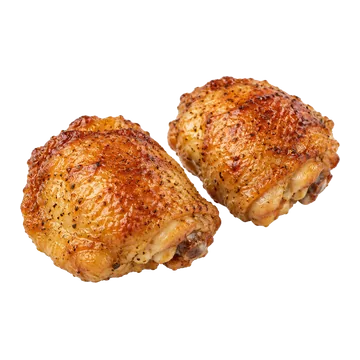 Chicken thigh, roasted
Context
Health Canada Total Diet Study, trace elements · grade A ?
How it’s rated
Shown as context, not rated: the dataset has no reference value for total arsenic. EFSA rates inorganic arsenic (benchmark dose lower limit (BMDL05) 0.06 µg/kg body weight/day), which this record did not measure, so it is not estimated.
Intake: not applicable (context) · Level in the food: 7.913 ng/g (µg/kg) (mean (equal-weight, pooled n-weighted), n = 12)
Measured on: Health Canada TDS CC02 "Poultry, chicken & turkey (roast chicken and turkey)", As consumed, total arsenic, 12 composites: 9 in 2004-2012 (mean 9.298, 1 non-detect, detection limit (detection limit) to 12) and 3 in 2016-2018 (mean 3.758); detection limit range 0-12 ng/g
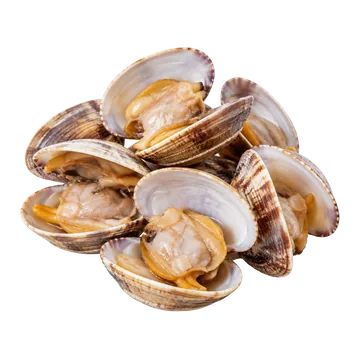 Clams, cooked
Context
CFIA mercury and metals in fish (2000–2021) · grade B ?
How it’s rated
Shown as context, not rated: total arsenic has no health-based value; the inorganic share is what would be rated, and it is not rated for clams. Cooked-basis clam meat averages 1.7439 µg/g of total arsenic (raw 1.008 × 1.73; 83 CFIA samples), mostly the organic form. Whole-animal clams are higher, a raw mean of 2.59 µg/g.
Intake: 100 g cooked (HC TRA I.3), one serving a day · Level in the food: 1.744 µg/g (mean of total arsenic (raw 1.008 x 1.73), n = 83)
Measured on: CFIA inspection results (not a random survey), all CLAM species, Sample Type Meat, any Primary Process (fresh, frozen, live, cooked; surf, soft-shell, Manila, geoduck, quahog and others), 2000-2021, domestic, import and export mixed; publisher gives ppm or µg/g (treated alike), basis not stated (wet tissue presumed). This is mostly RAW or frozen-raw meat. Cooked-basis value = raw mean x 1.73, the ratio of non-water solids in USDA FDC cooked (water 63.64 g/100 g) to raw (78.98 g/100 g) mixed-species clam, assuming nothing is lost in cooking (an upper bound; no retention study found). Total arsenic (mostly organic).
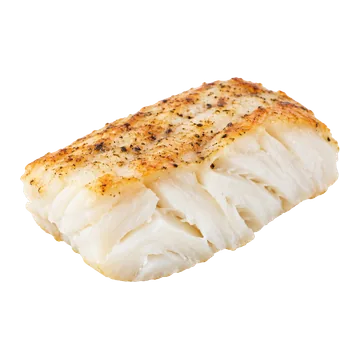 Cod, baked
Context
491.5 µgper servingUS FDA Total Diet Study (2018–2020) · grade A ?
How it’s rated
Shown as context, not rated: total arsenic has no reference value. The FDA mean for baked cod is 4,915 ppb (27 composites, all detected), 491.5 µg a serving. Fish arsenic is mostly organic forms, but the inorganic share was not measured in any source read, so no inorganic figure is given.
Intake: 100 g cooked serving (HC TRA I.3) · Level in the food: 4,915 ppb (mean (27 composites, all detected; standard deviation 2160, min 1300, max 10900 ppb), n = 27)
Measured on: US FDA TDS FY2018-2020, TDS food 387 'Cod, baked', reporting limit 3 ppb
 Coffee, brewed
Context
Health Canada Total Diet Study, trace elements · grade B ?
How it’s rated
Shown as context, not rated: only total arsenic was measured, and EFSA's reference point (benchmark dose lower limit (BMDL05) 0.06 µg/kg body weight/day) is for inorganic arsenic. No inorganic share has been found for coffee. The mean is 0.695 µg/kg, so a cup carries 0.17 µg (range 0.33-1.35; mean of the three most recent 0.359). FDA Total Diet Study: 0 of 3 detected, reporting limit 1 ppb.
Intake: one 250 mL cup (250.25 g) a day, 70 kg adult · Level in the food: 0.695 µg/kg (mean (equal-weight), n = 12)
Measured on: Health Canada TDS KK04 coffee, as consumed, total arsenic, composites 2004-2018 (no speciation)
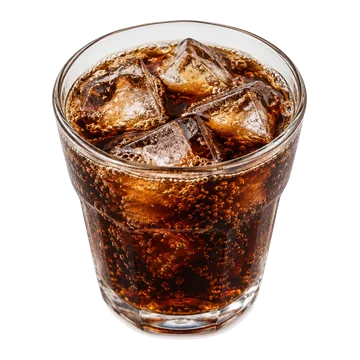 Cola
Context
0.15 µgper servingHealth Canada Total Diet Study, trace elements · grade B ?
How it’s rated
Total arsenic, not inorganic: Not rated (EFSA's inorganic-arsenic benchmark dose lower limit (BMDL05) needs the inorganic fraction; none found for cola). Context only.
Intake: one 375 mL reference amount (391.0 g at 1.0427 g/mL) a day, 70 kg adult · Level in the food: 0.384 µg/kg (mean (equal-weight, 12 composites 2004-2018), n = 12)
Measured on: Health Canada Total Diet Study trace elements, TDS code KK05 'Soft drinks, canned (Cola and lemon-lime (reg and diet))': ONE category composite covering regular AND diet cola and lemon-lime, so it is not cola-regular-specific (grade B). Composites 2004-2012 (n=9) and 2016-2018 (n=3), as consumed, equal-weight mean of all composites; non-detects stored as 0
 Cookies
Context
Health Canada Total Diet Study, trace elements · grade A ?
How it’s rated
Shown as context, not rated: EFSA's 2024 reference (benchmark dose lower limit (BMDL05) 0.06 µg/kg body weight/day) is for inorganic arsenic; only total arsenic was measured.
Intake: n/a · Level in the food: 5.698 ng/g (mean, n = 12)
Measured on: food-specific: Health Canada Total Diet Study FF09 'Cookies', 12 composites, 2004-2012 and 2016-2018, Canada, as consumed (1 non-detects stored as 0)
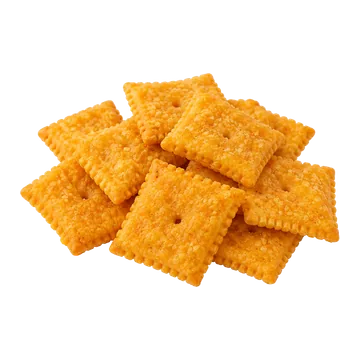 Crackers
Context
Health Canada Total Diet Study, trace elements · grade A ?
How it’s rated
Shown as context, not rated: EFSA's 2024 reference (benchmark dose lower limit (BMDL05) 0.06 µg/kg body weight/day) covers inorganic arsenic; the survey measured total only.
Intake: n/a · Level in the food: 5.253 ng/g (mean, n = 12)
Measured on: food-specific: Health Canada Total Diet Study FF10 'Crackers (soda crackers)', 12 composites, 2004-2012 and 2016-2018, Canada, as consumed
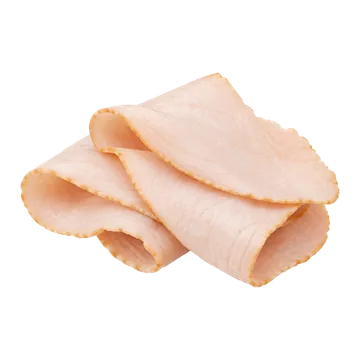 Deli turkey breast
Context
US FDA Total Diet Study (2018–2020) · grade A ?
How it’s rated
Context only (total arsenic; inorganic share not measured).
Intake: not applicable (flag) · Level in the food: 7.8 µg/kg (mean of 3 composites (FDA), n = 3)
Measured on: US FDA Total Diet Study FY2018-2020, TDS food 543 'Luncheon meat, turkey', n 3 composites, as prepared; non-detects counted as zero (inferred, see notes); 3 of 3 detected, max 9 ppb, RL 3 ppb
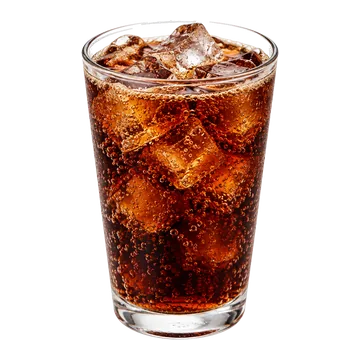 Diet cola
Context
0.144 µgper servingHealth Canada Total Diet Study, trace elements · grade B ?
How it’s rated
Total arsenic, not inorganic: Not rated (EFSA's inorganic-arsenic benchmark dose lower limit (BMDL05) needs the inorganic fraction; none found for cola). Context only.
Intake: one 375 mL reference amount (375.4 g at 1.00101 g/mL) a day, 70 kg adult · Level in the food: 0.384 µg/kg (mean (equal-weight, 12 composites 2004-2018), n = 12)
Measured on: Health Canada Total Diet Study trace elements, TDS code KK05 'Soft drinks, canned (Cola and lemon-lime (reg and diet))': ONE category composite covering regular AND diet cola and lemon-lime, so it is not cola-regular-specific (grade B). Composites 2004-2012 (n=9) and 2016-2018 (n=3), as consumed, equal-weight mean of all composites; non-detects stored as 0
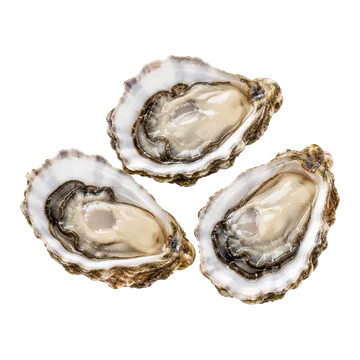 Eastern oysters, raw
Context
CFIA mercury and metals in fish (2000–2021) · grade B ?
How it’s rated
Context only, not rated: total arsenic is mostly arsenobetaine in bivalves and has no health-based value. The inorganic share is what is rated (next row).
Intake: 125 g raw (HC TRA I.3) · Level in the food: 1.65 µg/g (mean (total arsenic), n = 42)
Measured on: CFIA inspection results, OYSTER, AMERICAN, Whole, Live, 2008-2018 (Domestic 40, Import 2); basis not stated
 Flour tortillas
Context
0.25 µgper servingtotal arsenicUS FDA Total Diet Study (2018–2020) · grade A ?
How it’s rated
Context only: total arsenic has no reference value; wheat products carry little arsenic (white bread FDA 5.1 ppb).
Intake: one 55 g serving a day · Level in the food: 4.6 ppb (mean (25 of 27 detected; standard deviation 2, max 8.5), n = 27)
Measured on: food-specific: US FDA Total Diet Study FY2018-2020 elements supplement, TDS food 63 'Tortilla, flour' (US, 27 samples; the table does not say how the tortillas were prepared or heated); total arsenic
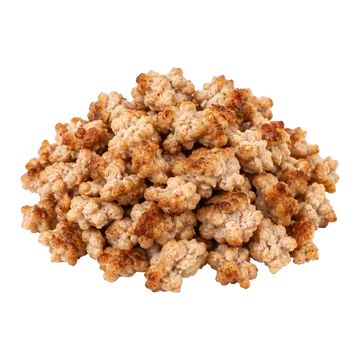 0.33 µgper serving
US FDA Total Diet Study (2018–2020) · grade A ?
How it’s rated
Context: total arsenic, no reference value; the inorganic share is not measured here.
Intake: 60 g cooked serving (HC TRA L.7) · Level in the food: 5.5 ppb (mean (27 composites; 14 detected, 13 non-detects; standard deviation 10, max 48 ppb), n = 27)
Measured on: US FDA TDS FY2018-2020, TDS food 390 'Turkey, ground, pan-cooked', reporting limit 3 ppb
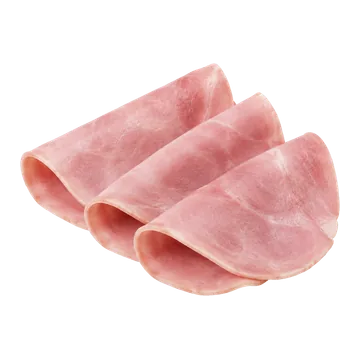 Ham, sliced
Context
Health Canada Total Diet Study, trace elements · grade A ?
How it’s rated
Shown as context, not rated: total arsenic has no reference value, and the inorganic share is what would be rated; none was measured for ham. FDA found a mean of 0.97 ppb in baked ham (7 detects in 27 samples).
Intake: not applicable (flag) · Level in the food: 6.383 µg/kg (mean (equal-weight of composites; two label eras pooled by n), n = 12)
Measured on: Health Canada TDS food BB05, as consumed; 2004-2012 n 9 (mean 7.432, 2 non-detects) + 2016-2018 n 3 (mean 3.235) pooled by n (n 12)
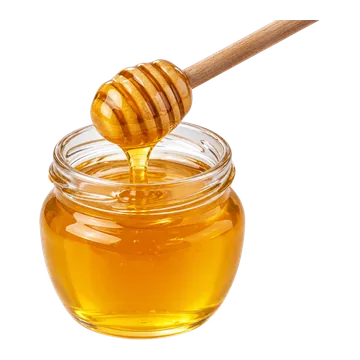 Honey
Context
0.021 µgper servingHealth Canada Total Diet Study, trace elements · grade A ?
How it’s rated
Context only: total arsenic has no reference value; the inorganic share was not measured. About 1 µg/kg, so a serving carries 0.02 µg of total arsenic.
Intake: one 20 g serving a day (HC TRA U.8) · Level in the food: 1.065 µg/kg (mean (equal-weight, 12 composites: 9 composites 2004-2012 at 1.042 and 3 composites 2016-2018 at 1.133), n = 12)
Measured on: Health Canada Total Diet Study, TDS food JJ04 'Honey, bottled', total arsenic, as consumed, Canada; non-detects stored as 0 (1 of 12)
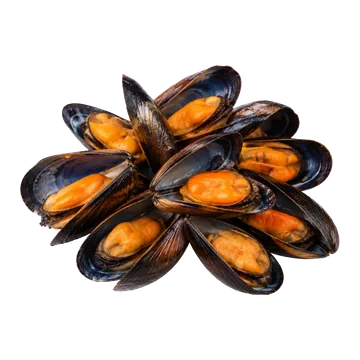 Mussels, cooked
Context
CFIA mercury and metals in fish (2000–2021) · grade B ?
How it’s rated
Shown as context, not rated: total arsenic has no health-based value; the inorganic share is what would be rated. Cooked mussels average 4.1253 µg/g total arsenic (CFIA inspection results, 282 samples; the raw mean of 2.062 doubled for water loss). Cooking and digestion can convert methylated arsenic to inorganic arsenic in shellfish.
Intake: 100 g cooked (HC TRA I.3), one serving a day · Level in the food: 4.125 µg/g (mean of total arsenic (raw 2.062 x 2.00), n = 282)
Measured on: CFIA inspection results (not a random survey), MUSSEL, BLUE, Sample Type Whole, Primary Process Live or Fresh, 2000-2021, domestic, import and export mixed; publisher gives ppm or µg/g (treated alike) and does not state wet or dry basis (wet tissue presumed: zinc and copper agree with USDA); this is RAW tissue as sold. Cooked-basis value = raw mean x 2.00, the ratio of non-water solids in USDA FDC cooked (water 61.15 g/100 g) to raw (80.58 g/100 g) blue mussel, assuming no contaminant is lost in cooking (an upper bound; no cooking-retention study found). Total arsenic (most of it organic).
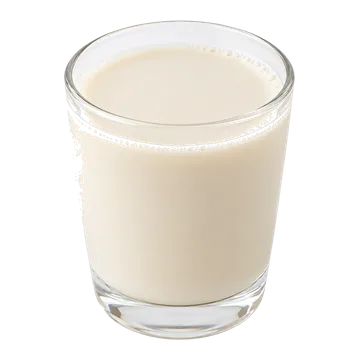 0.033 µgper serving
How it’s rated
Context: total arsenic is not the toxic species; never scored.
Intake: one 250 mL serving a day, 70 kg adult · Level in the food: 0.13 µg/L (mean ± standard deviation 0.03 across 2 brands, n = 2)
Measured on: Good et al. 2026, US (Houston) retail oat milk, 2 brands, total arsenic by ICP-MS
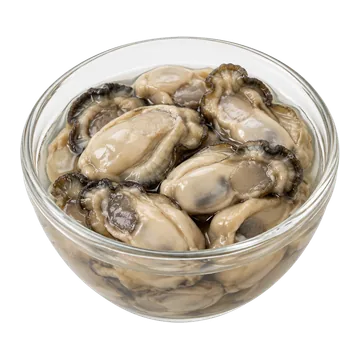 Oysters, canned
Context
CFIA mercury and metals in fish (2000–2021) · grade B ?
How it’s rated
Context only, not rated (total arsenic is mostly arsenobetaine in bivalves). Inorganic arsenic in canned oysters: not found.
Intake: 55 g canned (HC TRA I.4) · Level in the food: 2.63 µg/g (single sample (total arsenic), n = 1)
Measured on: CFIA inspection result, one sample: OYSTER, PACIFIC /JAPANESE, Sample Type Meat, Primary Process Canned, sampled 8 March 2013, Domestic, sampling plan 'Environmental Contaminants - Harvest Area' (system ID 2013FFI-0000101993-4); not a market-basket survey; basis not stated.
- Pies
Context
Health Canada Total Diet Study, trace elements · grade A ?
How it’s rated
Shown as context, not rated: EFSA's 2024 reference (benchmark dose lower limit (BMDL05) 0.06 µg/kg body weight/day) is for inorganic arsenic; only total arsenic was measured.
Intake: n/a · Level in the food: 2.868 ng/g (mean, n = 12)
Measured on: food-specific: Health Canada Total Diet Study FF17 'Pie, apple', 12 composites, 2004-2012 and 2016-2018, Canada, as consumed (4 non-detects stored as 0)
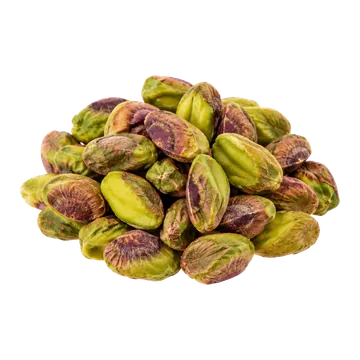 Pistachios, dry-roasted
Context
5.66 µgper servingtotal AsBielecka 2021 · grade B ?
How it’s rated
Context only: total arsenic, no inorganic share stated and no reference value applied. 30 g at 188.8 µg/kg = 5.7 µg total As. CFIA imports 2016-19 (n 3, all positive) pooled mean 0.016 ppm = 16 µg/kg, about 12 times lower than the Polish retail value: the two sources disagree and neither separates the inorganic fraction.
Intake: 30 g shelled serving (HC TRA O.1) · Level in the food: 188.8 µg/kg (mean ± standard deviation 188.80 ± 54.38 (range 92.84-280.90; median 192.42), n = 10)
Measured on: Polish retail survey (Bielecka 2021), pistachios, total As, 10 samples; the highest median As of the ten nuts tested
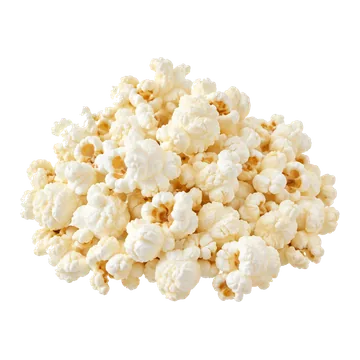 Popcorn, air-popped
Context
0.303 µgper servingtotal AsHealth Canada Total Diet Study, trace elements · grade A ?
How it’s rated
Context only: total arsenic, no inorganic share, no reference value applied. 50 g = 0.30 µg total As. FDA TDS microwave butter: not detected in all 3.
Intake: 50 g popped popcorn serving (HC TRA S.1) · Level in the food: 6.054 ng/g (mean of 11 annual TDS composites (2004-2011, 2016-2018), nondetects as zero; 1 of 11 below the detection limit (max 26.8 ng/g), n = 11)
Measured on: Health Canada Total Diet Study, TDS food MM01 "Popcorn, microwave", as consumed (popped, with the microwave-bag fat and salt), single-year composites; total arsenic
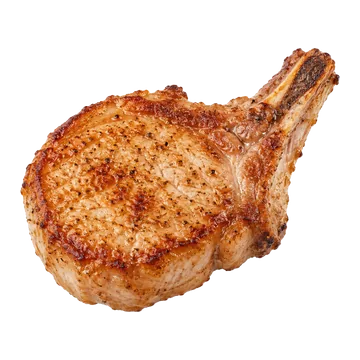 Pork chop, pan-fried
Context
0.181 µgper servingHealth Canada Total Diet Study, trace elements · grade A ?
How it’s rated
Context only: total arsenic, no reference value; the inorganic share is not measured in these data. FDA pan-cooked pork chop: 27 of 27 below 3 µg/kg.
Intake: 100 g cooked serving (HC TRA L.6) · Level in the food: 1.806 ng/g (µg/kg) (mean (equal-weight over composites, both label eras pooled n-weighted), n = 12)
Measured on: Health Canada TDS, BB04 Pork, fresh, as consumed. 9 composites 2004-2012 (mean 2.163, 3 non-detects, detection limit (detection limit) up to 30) and 3 composites 2016-2018 (mean 0.7355, 1 non-detect, detection limit up to 0.65)
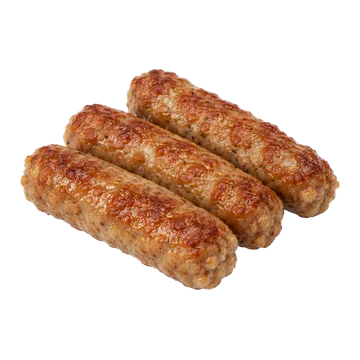 Pork sausage, pan-fried
Context
Health Canada Total Diet Study, trace elements · grade A ?
How it’s rated
Shown as context, not rated: the dataset has no reference value for total arsenic. EFSA rates inorganic arsenic (benchmark dose lower limit (BMDL05) 0.06 µg/kg body weight/day), which this record did not measure, so it is not estimated.
Intake: not applicable (context) · Level in the food: 4.798 ng/g (µg/kg) (mean (equal-weight, pooled n-weighted), n = 12)
Measured on: Health Canada TDS BB11 "Wieners & sausages (wieners, and fresh sausage)", As consumed, total arsenic, 12 composites: 9 in 2004-2012 (mean 5.609, 2 non-detects, detection limit (detection limit) to 54) and 3 in 2016-2018 (mean 2.366); detection limit range 0-54 ng/g
 Shrimp, cooked
Context
Health Canada Total Diet Study, trace elements · grade A ?
How it’s rated
Context only, not rated: total arsenic in crustaceans is mostly arsenobetaine; no health-based value for the total.
Intake: 100 g cooked (HC TRA I.3) · Level in the food: 304.2 ng/g (mean of composites (total arsenic), n = 9)
Measured on: Health Canada Total Diet Study, DD04 'Shellfish (cooked shrimp)', as consumed, 9 composites 2004-2012; bilingual name 312 ng/g, n=3, 2016-2018
 Sockeye salmon, canned
Context
Health Canada Total Diet Study, trace elements · grade B ?
How it’s rated
Context only, not rated (total arsenic in fish is mostly arsenobetaine).
Intake: 55 g canned (HC TRA I.4), one serving a day · Level in the food: 738.2 ng/g (mean of composites (total arsenic), n = 9)
Measured on: Health Canada Total Diet Study, DD03 'Fish, canned (tuna and Salmon)', as consumed, 9 composites 2004-2012. Composite food code DD03 is canned TUNA AND SALMON together (the share of each is not stated), so this is a category figure, not a salmon measurement.
 0.613 µgper serving
Health Canada Total Diet Study, trace elements · grade A ?
How it’s rated
Shown as context, not rated: the Total Diet Study mean of 2.451 ng/g (10 yearly composites, 0.613 µg per 250 g serving) is total arsenic, not the toxic form, and the inorganic arsenic that health limits apply to is not reported for this food.
Intake: one 250 mL serving (250 g) a day, 70 kg adult · Level in the food: 2.451 ng/g (mean (equal-weight of single-year composites), n = 10)
Measured on: Health Canada Total Diet Study, trace elements, TDS code KK07 'Soy beverage, fortified', as consumed, composites from 2006-2012 and 2016-2018 (10 single-year composites; no 1993-99 pooled composite is in this row); equal-weight mean of the composites; non-detects stored as 0 (0 non-detects for this analyte) (analyte: total arsenic, As)
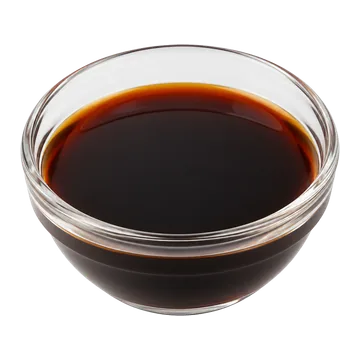 Soy sauce
Context
0.072 µgper servingper tablespoon (16 g)Health Canada Total Diet Study, trace elements · grade A ?
How it’s rated
Shown as context, not rated: the Health Canada mean of 4.494 ng/g (12 yearly composites) is total arsenic, not the toxic inorganic fraction, and no speciation was found. A tablespoon carries 0.072 µg of total arsenic.
Intake: one tablespoon (15 mL, 16 g) a day, 70 kg adult · Level in the food: 4.494 ng/g (mean (equal-weight, 12 annual composites), n = 12)
Measured on: Health Canada TDS PP07 'Soya sauce', 12 single-year composites 2004-2018 (arsenic measured from 2004), total arsenic, as consumed. FDA TDS soy sauce arsenic: not detected, RL 3 ppb (n 3).
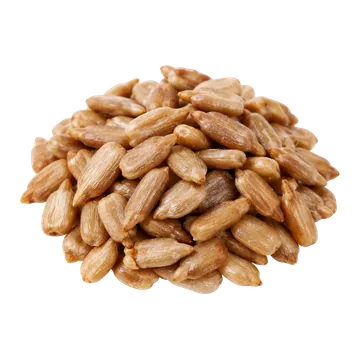 Sunflower seeds, dry-roasted
Context
0.244 µgper servingtotal AsHealth Canada Total Diet Study, trace elements · grade A ?
How it’s rated
Shown as context, not rated: the Total Diet Study lower-bound mean of 8.15 ng/g (11 yearly composites) is total arsenic, so no inorganic share and no reference value is applied. A 30 g serving carries 0.24 µg; FDA's roasted salted seeds read 2.2 ppb (1 of 3 detected) and CFIA 0.016 ppm (17 samples).
Intake: 30 g shelled serving (HC TRA O.1) · Level in the food: 8.15 ng/g (mean of 11 annual TDS composites (2004, 2006-2012, 2016-2018), nondetects as zero; 1 of 11 below the detection limit, n = 11)
Measured on: Health Canada Total Diet Study, TDS food JJ11, as consumed; total arsenic
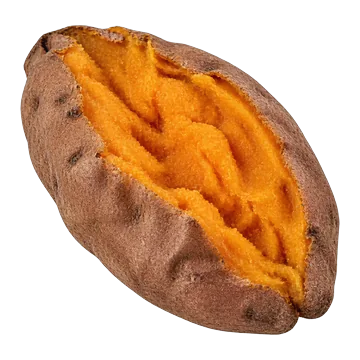 Sweet potato, baked
Context
0.46 µgper servingUS FDA Total Diet Study (2018–2020) · grade A ?
How it’s rated
Not rated: the reference point (EFSA 2024) is for inorganic arsenic and the TDS reports total arsenic; speciation not available
Intake: one 110 g serving a day, 70 kg adult · Level in the food: 4.2 µg/kg (mean, n = 27)
Measured on: food-specific: FDA TDS #397 baked, peel removed; TOTAL arsenic, not inorganic
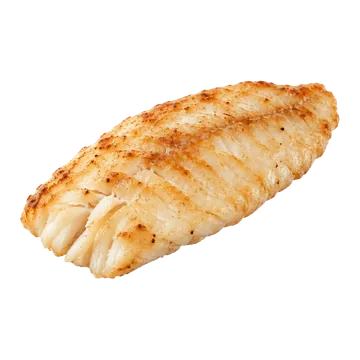 Tilapia, cooked
Context
US FDA Total Diet Study (2018–2020) · grade A ?
How it’s rated
Shown as context, not rated: total arsenic averaged 117 ppb in 27 baked samples (range 49 to 290), which has no health-based value; the toxic inorganic share was not measured.
Intake: 100 g cooked (HC TRA I.3), one serving a day · Level in the food: 117 ppb (mean of total arsenic (27 of 27 detected), n = 27)
Measured on: FDA Total Diet Study FY2018-FY2020, TDS food 388 "Tilapia, baked" (as eaten, baked; US retail; 27 samples). Total arsenic, standard deviation 59 ppb, range 49 to 290 ppb.
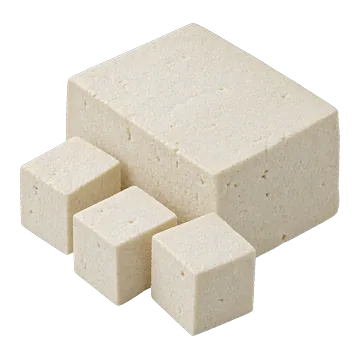 Tofu, calcium-set
Context
US FDA Total Diet Study (2018–2020) · grade B ?
How it’s rated
Context only: total arsenic does not give inorganic arsenic; not rated
Intake: one 85 g serving a day, 70 kg adult · Level in the food: 3 µg/kg (reporting limit (single non-detect), n = 1)
Measured on: food-specific: FDA TDS #547, total arsenic not detected
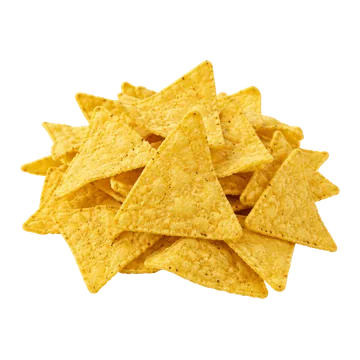 Tortilla chips
Context
Health Canada Total Diet Study, trace elements · grade A ?
How it’s rated
Context only, never scored: total arsenic. Inorganic arsenic was not measured in chips (no source found).
Intake: one 50 g reference serving a day (Health Canada TRA S.1), 70 kg adult · Level in the food: 4.387 ng/g (mean (total arsenic), n = 9)
Measured on: food-specific: Health Canada Total Diet Study 'Snack Food, Corn Chips' (GG27), 9 composites, 2007-2018
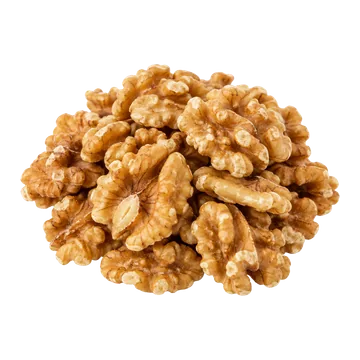 Walnuts, raw
Context
0.174 µgper servingtotalUS FDA Total Diet Study (2018–2020) · grade A ?
How it’s rated
Context only: the dataset holds total arsenic as context; inorganic arsenic was not measured in walnuts. No grams figure.
Intake: 30 g shelled serving · Level in the food: 5.8 µg/kg (mean; 21 of 22 detected (max 11 ppb), n = 22)
Measured on: US FDA TDS FY2018-2020, TDS food 403 Walnuts, shelled; total arsenic; reporting limit 3 ppb
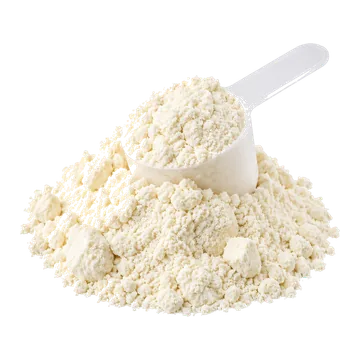 Whey protein concentrate
Context
How it’s rated
Shown as context, not rated: CFIA measured total arsenic, not the inorganic arsenic EFSA rates. The samples cover all protein powders, not whey alone.
Intake: not applicable (flag) · Level in the food: 0.024 ppm (mean (all samples, non-detects = 0), n = 196)
Measured on: CFIA targeted survey 'Toxic Metals in Selected Foods', April 2018 to March 2019, product 'Protein Powder' (ALL protein types, plant and rice included; whey cannot be separated), n = 196 samples in the open-data rows (the report counts 195): 72 domestic, 34 imported, 90 origin unknown; bought in Halifax, Montreal, Toronto, Ottawa, Vancouver, Calgary; results in µg/g (= ppm) 'as sold'. Mean recomputed from the CKAN rows with non-detects as 0 (lower bound); the report's own average uses quantifiable results only.
- Whey protein isolate
Context
How it’s rated
Shown as context, not rated: CFIA measured total arsenic, not the inorganic arsenic EFSA rates. The samples cover all protein powders, not whey alone.
Intake: not applicable (flag) · Level in the food: 0.024 ppm (mean (all samples, non-detects = 0), n = 196)
Measured on: CFIA targeted survey 'Toxic Metals in Selected Foods', April 2018 to March 2019, product 'Protein Powder' (ALL protein types, plant and rice included; whey cannot be separated), n = 196 samples in the open-data rows (the report counts 195): 72 domestic, 34 imported, 90 origin unknown; bought in Halifax, Montreal, Toronto, Ottawa, Vancouver, Calgary; results in µg/g (= ppm) 'as sold'. Mean recomputed from the CKAN rows with non-detects as 0 (lower bound); the report's own average uses quantifiable results only.
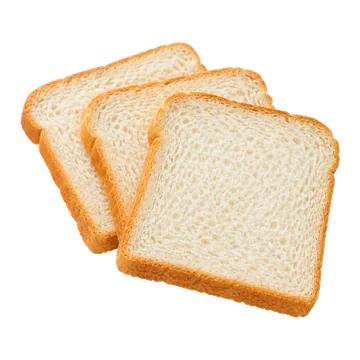 White bread
Context
Health Canada Total Diet Study, trace elements · grade A ?
How it’s rated
Shown as context, not rated: EFSA's 2024 reference (benchmark dose lower limit (BMDL05) 0.06 µg/kg body weight/day) is for inorganic arsenic; only total arsenic was measured, with no breakdown for bread.
Intake: n/a · Level in the food: 6.191 ng/g (mean, n = 12)
Measured on: food-specific: Health Canada Total Diet Study FF01 'Bread, white', 12 composites, 2004-2012 and 2016-2018
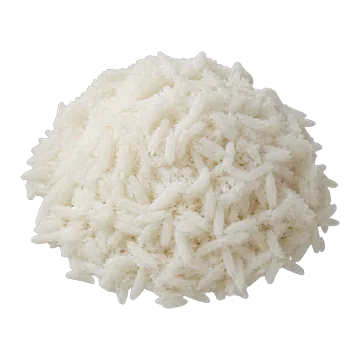 White rice, cooked
Context
9.22 µgper servingHealth Canada Total Diet Study, trace elements · grade A ?
How it’s rated
Total arsenic only (organic species included): context, not rated. Recent 3 composites mean 61.12; FDA TDS FY2018-2020 'Rice, white, enriched, cooked' total As mean 45 µg/kg (n = 27, 20-75), giving 6.3 µg per 140 g. The inorganic share (about 64-80%) is in the CFIA and EFSA data; the rated row is inorganic arsenic.
Intake: one serving a day, 70 kg adult · Level in the food: 65.85 µg/kg (mean, n = 12)
Measured on: food-specific: HC TDS FF19, 12 composites 2004-2018, ready-to-eat, as consumed; TOTAL arsenic by ICP-MS, not inorganic
Sources
- Bielecka J, Puscion-Jakubik A, Markiewicz-Zukowska R, et al. Assessment of the Safe Consumption of Nuts in Terms of the Content of Toxic Elements with Chemometric Analysis. Nutrients 2021;13(10):3606 · doi:10.3390/nu13103606 · PMID 34684607
bielecka-2021-nuts-toxic-elements· secondary source · CC BY 4.0 - CFIA, Mercury and Metals in Fish Products, 2000-2021 (inspection results; compilation of raw data)
cfia-metals-fish-2000-2021· dataset · Open Government Licence – Canada 2.0 - CFIA, National Chemical Residue Monitoring Program, Annex B results summaries 2016-17 to 2022-23, Table B-1 domestic and B-2 imported (open.canada.ca datasets 95a14ca0, c87af563, a2ea8989, 9e5211c8, a5cb7c3c, 6567ac46, cf149850); positives-only means, no detection limits stated; pooled by us
cfia-ncrmp-annex-b-2016-2023· dataset · Government of Canada terms (Crown copyright) - CFIA, National Chemical Residue Monitoring Program, Annex B1 (domestic) and B2 (import) results summaries 2016-17 to 2022-23 (open.canada.ca); rows Watermelon, Melon - Cantaloupe, Cucumber, Zucchini
cfia-ncrmp-annexes-2016-2023· secondary source · Government of Canada terms (Crown copyright) - CFIA, Toxic Metals in Selected Foods, April 1, 2018 to March 31, 2019 (open data resource 0e040e20-f157-46ce-860b-186b294ce1f7, product 'Protein Powder', 3,724 rows = 196 samples x 19 analytes)
cfia-toxic-metals-2018-19· dataset · Open Government Licence - Canada - US FDA. Total Diet Study elements FY2018-FY2020 summary (media159749).
fda-tds-elements-fy2018-2020· dataset · US public domain - US FDA, Total Diet Study FY2018–FY2020 Elements Report Supplement
fda-tds-fy2018-2020· dataset · US government work (17 USC 105), public domain - Good S, Anakwue C, Phan T. Comparative exposure and risk assessment of heavy metals, nutrients, and organochlorine pesticides in cow and plant-based milks. Sci Rep 2026;16 (article number not checked) · doi:10.1038/s41598-026-44766-0
good2026-plant-milks· full text read · CC BY 4.0 - Health Canada, Canadian Total Diet Study – Trace Elements (2005–2018 composites)
hc-tds-trace-elements· dataset · Open Government Licence – Canada 2.0 - Health Canada. Total Diet Study trace elements, open.canada.ca dataset 83934503, English resource 9c988c19-07ae-4aa4-8496-84658b6b0c45; composites pooled as an equal-weight mean per TDS food code, non-detects stored as 0.
hc-tds-trace-elements-open-canada· secondary source · Open Government Licence - Canada