Inorganic arsenic
In the body: Long, high exposure raises the risk of skin cancer.
No intake of it is known to be safe, so there’s no grams figure. Each food shows what a daily serving adds to an average adult’s intake. The one that stands out: Brown rice, cooked. A daily serving adds 52–260%, depending on how much you already take in. Also white rice: 40–200%. 1 more rated food stands out the same way: Breakfast cereal (EFSA 2021, rice flakes), 35–176%. The other rated foods and preparations add 37% or less. 16 more reviewed foods and preparations carry it but aren’t rated by dose: shown for context, or not rated yet.
These shares assume a serving every single day. Eaten once a week, the same serving adds a seventh as much.
What you can do: Cook rice in plenty of water, 6 parts or more to 1 part rice, then drain it: that removes part of the inorganic arsenic, though in enriched white or parboiled rice it also washes out half or more of the added B vitamins and iron. Rinsing first does little for the arsenic. And vary your grains, so rice is not the only one.
No safe level known.
Foods carry arsenic in other forms too. “Arsenic, all forms” counts them together and is shown, not scored. This page rates the inorganic form, the one with an agency reference point. See also: Arsenic, all forms, Inorganic arsenic for infants
The reference point, not a limit
The agency starts from a dose linked to an effect in studies, in people or in animals, and judges the margin between that dose and what people take in.
- Reference point0.06 µg/kg body weight/day
- That dose, for a 70 kg adult4.2 µg a day
Not a safe amount or an allowance: harm can’t be ruled out below it. - What an average 70 kg adult takes in2.1–10.5 µg a day
0.5 to 2.5 times that dose. - Basisbenchmark dose (BMDL): the lower estimate of the dose that produced a set size of effect in studies; the number after it is that size (BMDL10 is 10%, BMDL01 is 1%). A starting point rather than a limit
benchmark dose lower limit (BMDL05) (skin cancer) (human benchmark dose lower limit (BMDL)) - Margin of exposure that raises concern ?1
A margin below this counts as a concern. A margin of exposure is the dose that caused effects in studies divided by what people take in: the smaller it is, the closer people’s intake sits to that dose. - Average adult intake0.03–0.15 µg/kg body weight/day EFSA 2021 adult mean, lower bound minimum to upper bound maximum; upper bound median 0.11 = 7.7 µg/day at 70 kg (EFSA 2024)
- Source ?EFSA 2024
Reviewed foods that carry it
19 reviewed foods carry it, 5 of them rated by dose. A food counts once, as in the foods list: preparations sharing a page (raw and cooked, canned) count once; one with its own page counts apart. Below, one line for each of 23 preparations. 7 of those lines are rated by dose. 29 measurements in all. A preparation measured more than once gets one line, the measurement the dataset leads with or a stricter one, named beside the food; the others fold under it.
How often you can eat it ?
No grams figure for Inorganic arsenic: there is no limit to count grams against. Each food shows the method’s rating instead: how much a daily serving adds to the average adult’s intake.
One realistic serving each, rated by dose, not by presence. The most restrictive rating comes first, then the largest dose per serving.
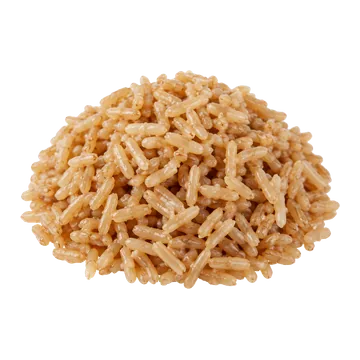 Brown rice, cooked
Go easy: can double average intake
5.47 µgper servinginorganic arsenic (140 g cooked)adds 52–260 % to an average adult’s intake (a share of that intake, not of a limit)CFIA 2009–2010 · grade A ?
How it’s rated
May exceed: no safe threshold is set for inorganic arsenic; EFSA's 2024 reference point is a benchmark dose lower limit (BMDL05) of 0.06 µg/kg body weight/day (skin cancer). Cooked rice carries about 39.09 µg/kg (121.6 µg/kg in the dry rice, converted from 45 g dry to 140 g cooked). One 140 g serving a day is 5.47 µg, 0.078 µg/kg body weight/day, which is 52% of the highest and 260% of the lowest mean adult intake in EFSA 2021 (0.03-0.15 µg/kg body weight/day). Cooked in excess water and drained, Gray 2016 reports 50% less, about 2.7 µg a serving. The mean comes from 30 CFIA samples (2009-2010) with non-detects stored as 0, so it is a lower bound.
Intake: 140 g cooked rice a day (HC TRA C.7, made from 45 g dry), 70 kg adult · Level in the food: 39.09 µg/kg (mean of 30 samples, converted to cooked rice (dry mean 121.6 µg/kg x 45 g dry / 140 g cooked); inorganic = As(III) + As(V), n = 30)
Measured on: food-specific, speciated: CFIA FSAP targeted survey 2009-2010 'Brown rice' (24 US, 1 Thailand, 1 Pakistan, 1 India, 3 unknown origin; imports; sampled July-December 2009), sold DRY, ng/g = µg/kg; the file stores non-detects as 0 (11 of 30 samples have As(V) = 0), so the mean is a lower bound. Applied to 45 g DRY rice = Health Canada's paired reference amount for 140 g cooked; never to the cooked weight
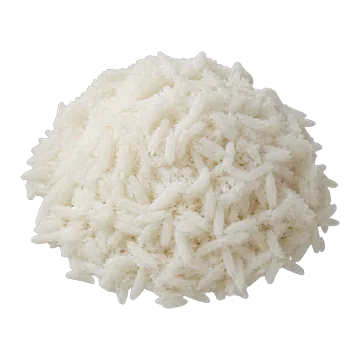 White rice, cooked
Go easy: can double average intake
4.21 µgper servingadds 40–200 % to an average adult’s intake (a share of that intake, not of a limit)CFIA 2009–2010 · grade A ?
How it’s rated
No safe threshold (EFSA 2024 reference point, benchmark dose lower limit (BMDL05), 0.06 µg/kg body weight/day; concern near a margin of exposure of 1). One serving a day (45 g dry) carries 4.21 µg inorganic arsenic, 0.060 µg/kg body weight: 40% of the highest and 200% of the lowest average adult intake in EFSA's 0.03-0.15 µg/kg body weight/day (2021). Whether that doubles intake depends on where in the range a person sits, so it may exceed. The serving alone has a margin of exposure of 1.0 against the BMDL05 (shown for scale; the rating rests on what it adds). Cooking in 6 parts water and draining (Health Canada) cuts inorganic arsenic by about 40% in long-grain polished rice (Gray 2016) or 45% (Raab 2009): 2.3-2.5 µg a serving, adding 22-24% to 110-120%, still either side of doubling. Shown beside: EFSA 2021 white rice 74-79 µg/kg (n = 337) gives 3.3-3.6 µg, +32-34% to +159-169%; FDA 2013 long-grain white 4.6 µg per 45 g dry (n = 149) gives +44% to +219%.
Intake: one serving a day, 45 g dry rice (= HC 140 g cooked), 70 kg adult · Level in the food: 93.6 µg/kg (mean, n = 25)
Measured on: food-specific, speciated: CFIA FSAP targeted survey 2009-2010 'White Rice' (imports: US 13, Thailand 10, India 2), sold dry, inorganic = As(III) + As(V); applied to 45 g DRY rice = Health Canada's paired reference amount for 140 g cooked
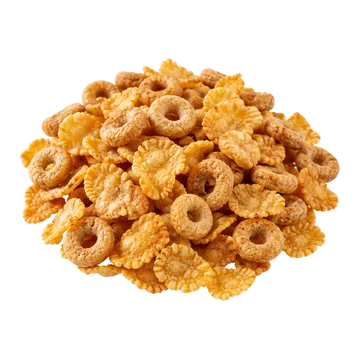 3.69 µgper servingadds 35.1–175.7 % to an average adult’s intake (a share of that intake, not of a limit)
How it’s rated
May exceed: whether a daily serving doubles intake depends on where in EFSA's range of adult averages a person sits (EFSA 2021: 0.03-0.15 µg/kg body weight/day, 2.1-10.5 µg/day). 30 g of rice flakes at a mean of 123 µg/kg (lower bound; 113 European samples, 5% below detection, counted as zero) carries 3.69 µg, which adds 35% at the top of that range and 176% at the bottom, more than doubling it. No safe threshold is set for inorganic arsenic. Rice-based cereals carry 4 to 7 times the inorganic arsenic of corn flakes and of breakfast cereals in general.
Intake: one 30 g serving a day (Health Canada reference amount C.3), 70 kg adult · Level in the food: 123 µg/kg (mean, n = 113)
Measured on: EFSA 2021 Table 9, FoodEx category "Rice flakes", European samples, iAs measured (speciation); upper-bound mean 126 µg/kg
6 other measurements of this food
- EFSA 2021, loose popped breakfast rice
Go easy: can double average intake
3 µgper servingadds 28.6–142.9 % to an average adult’s intake (a share of that intake, not of a limit)How it’s rated
May exceed: whether a daily serving doubles intake depends on where in EFSA's range of adult averages a person sits (EFSA 2021: 0.03-0.15 µg/kg body weight/day, 2.1-10.5 µg/day). 30 g of loose popped breakfast rice at a mean of 100 µg/kg (lower bound; 62 European samples, 19% below detection, counted as zero) carries 3.00 µg, which adds 29% at the top of that range and 143% at the bottom, more than doubling it. No safe threshold is set for inorganic arsenic. Rice-based cereals carry 4 to 7 times the inorganic arsenic of corn flakes and of breakfast cereals in general.
Intake: one 30 g serving a day (Health Canada reference amount C.3), 70 kg adult · Level in the food: 100 µg/kg (mean, n = 62)
Measured on: EFSA 2021 Table 9, FoodEx category "Breakfast rice, popped (loose)", European samples, iAs measured (speciation); upper-bound mean 114 µg/kg
- EFSA 2021, popped rice with sugar
Go easy: can double average intake
2.82 µgper servingadds 26.9–134.3 % to an average adult’s intake (a share of that intake, not of a limit)How it’s rated
May exceed: whether a daily serving doubles intake depends on where in EFSA's range of adult averages a person sits (EFSA 2021: 0.03-0.15 µg/kg body weight/day, 2.1-10.5 µg/day). 30 g of popped rice with sugar at a mean of 94 µg/kg (lower bound; 8 European samples, none below detection) carries 2.82 µg, which adds 27% at the top of that range and 134% at the bottom, more than doubling it. No safe threshold is set for inorganic arsenic. Rice-based cereals carry 4 to 7 times the inorganic arsenic of corn flakes and of breakfast cereals in general.
Intake: one 30 g serving a day (Health Canada reference amount C.3), 70 kg adult · Level in the food: 94 µg/kg (mean, n = 8)
Measured on: EFSA 2021 Table 9, FoodEx category "Rice, popped with sugar", European samples, iAs measured (speciation); upper-bound mean 94 µg/kg
- EFSA 2021, mixed cereal flakes
Nothing to watch: doesn’t double average intake
1.56 µgper servingadds 14.9–74.3 % to an average adult’s intake (a share of that intake, not of a limit)How it’s rated
No cap: no safe threshold is set for inorganic arsenic; EFSA's 2024 reference point is a benchmark dose lower limit (BMDL05) of 0.06 µg/kg body weight/day (skin cancer), and a margin of exposure near 1 raises a concern. Judged by what a daily serving adds to the average adult's intake. EFSA 2021 puts the adult average at 0.03-0.15 µg/kg body weight/day (2.1-10.5 µg/day). 30 g of mixed cereal flakes at a mean of 52 µg/kg (lower bound; 6 European samples, 33% below detection, counted as zero) carries 1.56 µg, adding 15-74%, short of doubling it.
Intake: one 30 g serving a day (Health Canada reference amount C.3), 70 kg adult · Level in the food: 52 µg/kg (mean, n = 6)
Measured on: EFSA 2021 Table 9, FoodEx category "Mixed cereal flakes", European samples, iAs measured (speciation); upper-bound mean 64 µg/kg
- EFSA 2021, rice flakes with chocolate
Nothing to watch: doesn’t double average intake
1.38 µgper servingadds 13.1–65.7 % to an average adult’s intake (a share of that intake, not of a limit)How it’s rated
No cap: no safe threshold is set for inorganic arsenic; EFSA's 2024 reference point is a benchmark dose lower limit (BMDL05) of 0.06 µg/kg body weight/day (skin cancer), and a margin of exposure near 1 raises a concern. Judged by what a daily serving adds to the average adult's intake. EFSA 2021 puts the adult average at 0.03-0.15 µg/kg body weight/day (2.1-10.5 µg/day). 30 g of rice flakes with chocolate at a mean of 46 µg/kg (lower bound; 7 European samples, none below detection) carries 1.38 µg, adding 13-66%, short of doubling it. Rice-based cereals carry 4 to 7 times the inorganic arsenic of corn flakes and of breakfast cereals in general.
Intake: one 30 g serving a day (Health Canada reference amount C.3), 70 kg adult · Level in the food: 46 µg/kg (mean, n = 7)
Measured on: EFSA 2021 Table 9, FoodEx category "Rice flakes and chocolate", European samples, iAs measured (speciation); upper-bound mean 46 µg/kg
- EFSA 2021, corn flakes
Nothing to watch: doesn’t double average intake
0.63 µgper servingadds 6–30 % to an average adult’s intake (a share of that intake, not of a limit)How it’s rated
No cap: no safe threshold is set for inorganic arsenic; EFSA's 2024 reference point is a benchmark dose lower limit (BMDL05) of 0.06 µg/kg body weight/day (skin cancer), and a margin of exposure near 1 raises a concern. Judged by what a daily serving adds to the average adult's intake. EFSA 2021 puts the adult average at 0.03-0.15 µg/kg body weight/day (2.1-10.5 µg/day). 30 g of corn flakes at a mean of 21 µg/kg (lower bound; 11 European samples, 45% below detection, counted as zero) carries 0.63 µg, adding 6-30%, short of doubling it.
Intake: one 30 g serving a day (Health Canada reference amount C.3), 70 kg adult · Level in the food: 21 µg/kg (mean, n = 11)
Measured on: EFSA 2021 Table 9, FoodEx category "Corn flakes", European samples, iAs measured (speciation); upper-bound mean 30 µg/kg
- EFSA 2021, all breakfast cereals, Europe
Nothing to watch: doesn’t double average intake
0.51 µgper servingadds 4.9–24.3 % to an average adult’s intake (a share of that intake, not of a limit)How it’s rated
No cap: no safe threshold is set for inorganic arsenic; EFSA's 2024 reference point is a benchmark dose lower limit (BMDL05) of 0.06 µg/kg body weight/day (skin cancer), and a margin of exposure near 1 raises a concern. Judged by what a daily serving adds to the average adult's intake. EFSA 2021 puts the adult average at 0.03-0.15 µg/kg body weight/day (2.1-10.5 µg/day). 30 g of breakfast cereals in general at a mean of 17 µg/kg (lower bound; 16 European samples, 31% below detection, counted as zero) carries 0.51 µg, adding 5-24%, short of doubling it.
Intake: one 30 g serving a day (Health Canada reference amount C.3), 70 kg adult · Level in the food: 17 µg/kg (mean, n = 16)
Measured on: EFSA 2021 Table 9, FoodEx category "Breakfast cereals", European samples, iAs measured (speciation); upper-bound mean 21 µg/kg
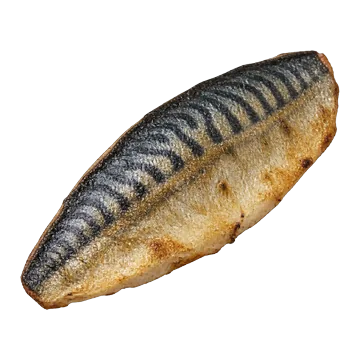 Mackerel, cooked
Nothing to watch: doesn’t double average intake
0.769 µgper servingupper bound; raw concentration x1.282 for cooking lossadds 7.3–36.6 % to an average adult’s intake (a share of that intake, not of a limit)Julshamn 2012 · grade B ?
How it’s rated
At the bound: 0.0110 µg/kg body weight/day = 18% of the EFSA benchmark dose lower limit (BMDL05) 0.06 µg/kg body weight/day, adding 7-37% to the adult background 0.03-0.15 (EFSA 2021, as held in the seeds); below the doubling line even at the bound. Total arsenic in CFIA Atlantic mackerel muscle is 1.23 mg/kg (n = 5), not rated: 158 µg total As per serving.
Intake: one 100 g cooked serving a day, 70 kg adult; concentration = raw x1.282 (Foodtopsy's arithmetic) · Level in the food: 6 µg/kg (upper limit (all results below it))
Measured on: category: Norwegian fillets of cod, herring, mackerel and four other species (923 fish), inorganic arsenic below 0.006 mg/kg in all cases; mackerel-only value not seen (abstract)
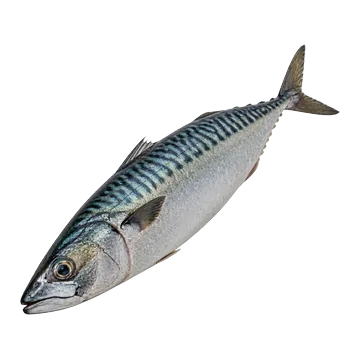 Mackerel, raw
Nothing to watch: doesn’t double average intake
0.75 µgper servingupper boundadds 7.1–35.7 % to an average adult’s intake (a share of that intake, not of a limit)Julshamn 2012 · grade B ?
How it’s rated
At the bound: 0.0107 µg/kg body weight/day = 18% of the EFSA benchmark dose lower limit (BMDL05) 0.06 µg/kg body weight/day, adding 7-36% to the adult background 0.03-0.15 (EFSA 2021, as held in the seeds); below the doubling line even at the bound. Total arsenic in CFIA Atlantic mackerel muscle is 1.23 mg/kg (n = 5), not rated: 154 µg total As per serving.
Intake: one 125 g raw serving a day, 70 kg adult · Level in the food: 6 µg/kg (upper limit (all results below it))
Measured on: category: Norwegian fillets of cod, herring, mackerel and four other species (923 fish), inorganic arsenic below 0.006 mg/kg in all cases; mackerel-only value not seen (abstract)
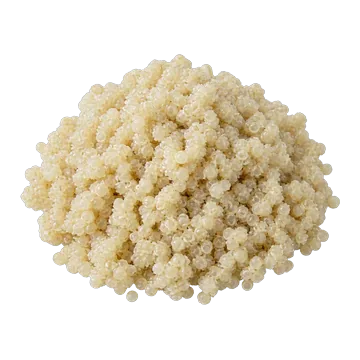 Quinoa, cooked
Nothing to watch: doesn’t double average intake
0.46 µgper servingtotal As (upper bound 0.75)adds 4.4–22 % to an average adult’s intake (a share of that intake, not of a limit)US FDA Total Diet Study (2018–2020) · grade B ?
How it’s rated
No cap, on an upper bound: treating all of quinoa's total arsenic as inorganic, one serving is at most 0.0107 µg/kg body weight/day against EFSA 2024's adult average of 0.03-0.15, adding 7-36% (Foodtopsy's arithmetic), short of doubling it. Inorganic arsenic itself is not measured in quinoa.
Intake: one 140 g cooked serving a day, 70 kg adult · Level in the food: 3.3 µg/kg (TOTAL arsenic; inorganic not measured) (mean, n = 3)
Measured on: food-specific agency data: FDA TDS FY2018-2020 #522 'Quinoa, cooked', 3 composites; total As only
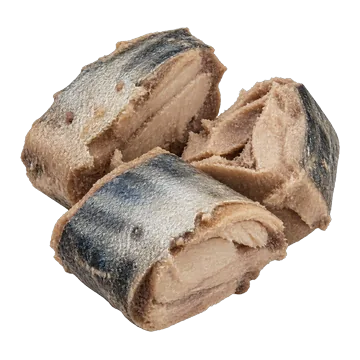 Mackerel, canned
Nothing to watch: doesn’t double average intake
0.33 µgper servingupper boundadds 3.1–15.7 % to an average adult’s intake (a share of that intake, not of a limit)Julshamn 2012 · grade B ?
How it’s rated
At the bound: 0.0047 µg/kg body weight/day = 8% of the EFSA benchmark dose lower limit (BMDL05) 0.06 µg/kg body weight/day, adding 3-16% to the adult background 0.03-0.15 (EFSA 2021, as held in the seeds); below the doubling line even at the bound. Total arsenic in CFIA Atlantic mackerel muscle is 1.23 mg/kg (n = 5), not rated: 68 µg total As per serving.
Intake: one 55 g drained serving a day, 70 kg adult · Level in the food: 6 µg/kg (upper limit (all results below it))
Measured on: category: Norwegian fillets of cod, herring, mackerel and four other species (923 fish), inorganic arsenic below 0.006 mg/kg in all cases; mackerel-only value not seen (abstract)
Flags and context, not rated by dose
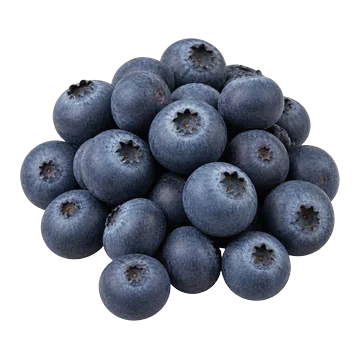 Blueberries, raw
Not rated yet
0.565 µgper servingtotal arsenicHealth Canada Total Diet Study, trace elements · grade B ?
How it’s rated
Not rated: EFSA's reference point (benchmark dose lower limit (BMDL05) 0.06 µg/kg body weight/day) is for inorganic arsenic, and neither source measures it. Worst case only, assuming all the arsenic were inorganic (not true of fruit): 80 g carries 0.57 µg, 7% of the average adult intake of 7.7 µg/day.
Intake: one 80 g serving a day, 70 kg adult · Level in the food: 7.07 µg/kg (TOTAL arsenic) (mean, n = 12)
Measured on: food-specific but TOTAL arsenic: HC TDS HH05 composites 2004-2018 (range 1.06-15.1); FDA TDS FY18-20 mean 4.8 µg/kg (15 of 27 detected)
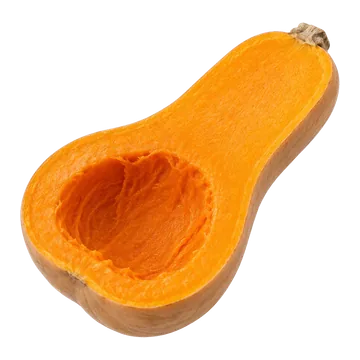 Butternut squash, baked
Not rated yet
US FDA Total Diet Study (2018–2020) · grade A ?
How it’s rated
Not rated: EFSA's 2024 reference point for inorganic arsenic is a benchmark dose lower limit (BMDL05) of 0.06 µg/kg body weight/day, with no safe limit, but inorganic arsenic was not measured in this food; only total arsenic was.
Intake: one 85 g serving a day
Measured on: Inorganic arsenic was not measured in this food; only total arsenic (on the total arsenic row).
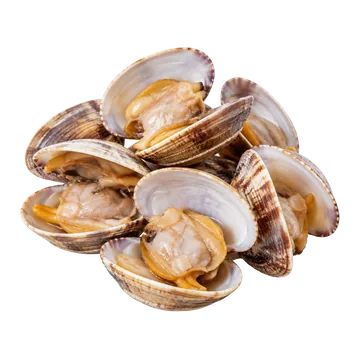 Clams, cooked
Not rated yet
PubMed 29953224 · grade B ?
How it’s rated
Not rated: EFSA's 2024 reference point for inorganic arsenic is a benchmark dose lower limit (BMDL05) of 0.06 µg/kg body weight/day, with no safe level. No measured inorganic-arsenic figure for clams was found, so there is no concentration or grams figure.
Intake: 100 g cooked (HC TRA I.3), one serving a day
Measured on: no measured inorganic-arsenic figure for clams found
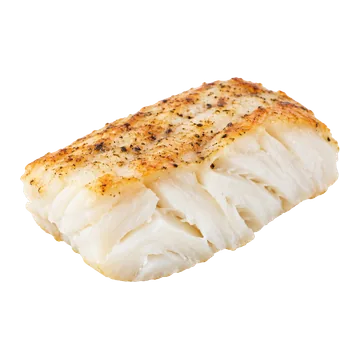 Cod, baked
Not rated yet
US FDA Total Diet Study (2018–2020) · grade B ?
How it’s rated
Not rated: EFSA's 2024 reference point for inorganic arsenic is a benchmark dose lower limit (BMDL05) of 0.06 µg/kg body weight/day. The inorganic fraction of the 4.9 mg/kg total arsenic in cooked cod was not found, and FDA and CFIA report total arsenic only, so no figure is estimated.
Intake: 100 g cooked serving (HC TRA I.3)
Measured on: FDA TDS reports total arsenic only; CFIA's fish dataset has a total arsenic column only
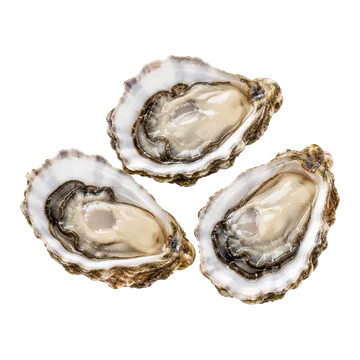 Eastern oysters, raw
Not rated yet
CFIA mercury and metals in fish (2000–2021) · grade B ?
How it’s rated
Not rated: no safe threshold is set for inorganic arsenic; EFSA's 2024 reference point is a benchmark dose lower limit (BMDL05) of 0.06 µg/kg body weight/day. No Canadian speciation of oysters, and no inorganic-arsenic value from an agency survey, was found, so none is rated.
Intake: not applicable (flag)
Measured on: no Canadian speciation of oysters found
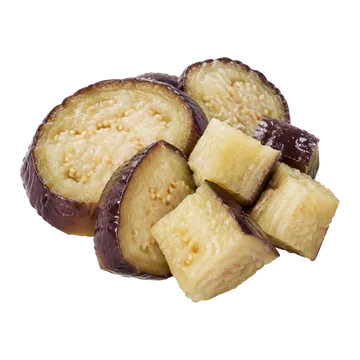 Eggplant, cooked
Not rated yet
CFIA chemical residue monitoring (2016–2023) · grade B ?
How it’s rated
Not rated: EFSA's 2024 reference point for inorganic arsenic is a benchmark dose lower limit (BMDL05) of 0.06 µg/kg body weight/day, with no safe limit. The inorganic fraction of eggplant was not measured, only total arsenic, so there is nothing to rate.
Intake: one 85 g serving a day (HC TRA V.1), 70 kg adult
Measured on: Inorganic arsenic was not measured in this food; only total arsenic (on the total arsenic row).
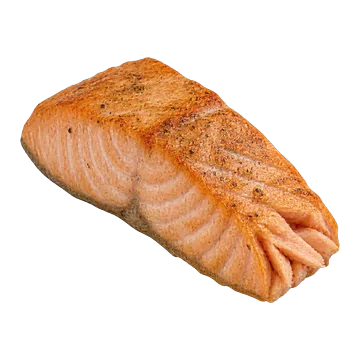 Farmed salmon, cooked
Not rated yet
US FDA Total Diet Study (2018–2020) · grade B ?
How it’s rated
Not rated: EFSA's reference point is for inorganic arsenic. The arsenic in fish is mostly organic, and total arsenic cannot be converted without a measurement of its forms in salmon.
Intake: one 100 g serving a day, 70 kg adult
Measured on: Not measured in the rated form (inorganic arsenic). Total arsenic measured: FDA TDS #318 baked mean 376 µg/kg (n = 27, range 130-1,400); CFIA raw Atlantic salmon mean 305 µg/kg (n = 75, 0% non-detect); no speciation found
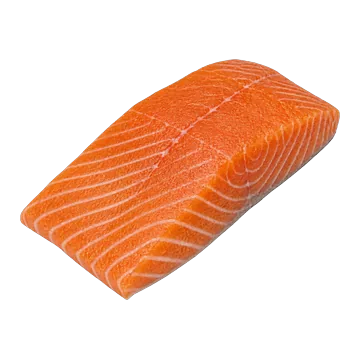 Farmed salmon, raw
Not rated yet
CFIA mercury and metals in fish (2000–2021) · grade B ?
How it’s rated
Not rated: EFSA's reference point is for inorganic arsenic. The arsenic in fish is mostly organic, and total arsenic cannot be converted without a measurement of its forms in salmon.
Intake: one 125 g raw serving a day, 70 kg adult
Measured on: Not measured in the rated form (inorganic arsenic). Total arsenic measured: CFIA raw Atlantic salmon mean 305 µg/kg (n = 75; 2008-2021); no speciation found
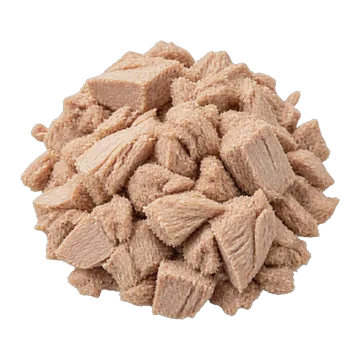 Light tuna, canned in water
Not rated yet
CFIA mercury and metals in fish (2000–2021)
How it’s rated
No inorganic fraction measured in any source I opened; no percentage applied
Intake: one 55 g serving a day, 70 kg adult
Measured on: Not found: only total arsenic exists: CFIA canned skipjack+yellowfin mean 0.95 mg/kg (n=43); HC TDS DD03 mean 776 ng/g (n=12); FDA TDS 1,200 ppb (n=3). Mostly organic in fish; no agency speciation found
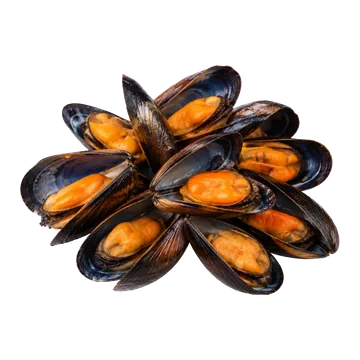 Mussels, cooked
Not rated yet
PubMed 29953224 · grade B ?
How it’s rated
Not rated: EFSA's 2024 reference point for inorganic arsenic is a benchmark dose lower limit (BMDL05) of 0.06 µg/kg body weight/day, with no safe threshold, and no inorganic share was measured for mussels, so there is no grams figure. A 2018 study found that boiling and steaming turned methylated arsenic into inorganic arsenic in shellfish, though its abstract gives no numbers.
Intake: 100 g cooked (HC TRA I.3), one serving a day
Measured on: no measured inorganic-arsenic figure for mussels found
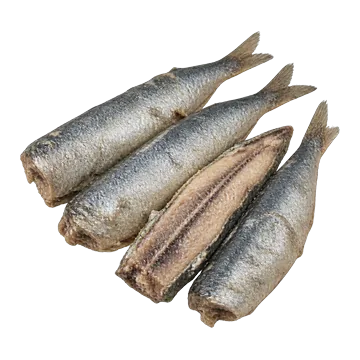 Sardines, canned in oil
Not rated yet
CFIA mercury and metals in fish (2000–2021)
How it’s rated
Cannot rate: inorganic fraction not found
Intake: one 55 g serving a day, 70 kg adult
Measured on: Not found: only total arsenic found (CFIA canned sardine meat 2020: 1.28 ppm, one sample; dried whole 2018 0.68 ppm); fish arsenic is mostly organic and the reference value is inorganic
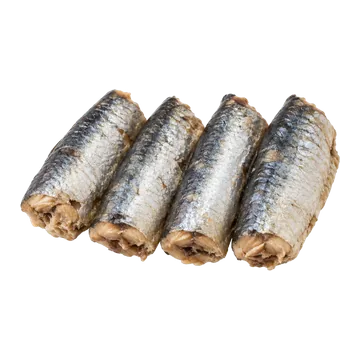 Sardines, canned in water
Not rated yet
CFIA mercury and metals in fish (2000–2021)
How it’s rated
Cannot rate: inorganic fraction not found
Intake: one 55 g serving a day, 70 kg adult
Measured on: Not found: only total arsenic found (CFIA canned sardine meat 2020: 1.28 ppm, one sample; dried whole 2018 0.68 ppm); fish arsenic is mostly organic and the reference value is inorganic
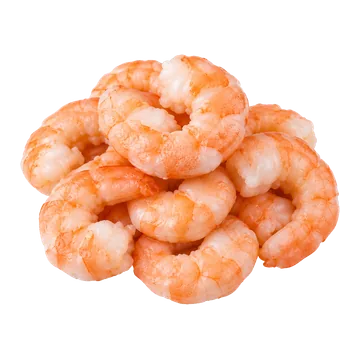 Shrimp, cooked
Not rated yet
PubMed 40024563 · grade B ?
How it’s rated
Not rated: EFSA's 2024 reference point for inorganic arsenic is a benchmark dose lower limit (BMDL05) of 0.06 µg/kg body weight/day, but no agency inorganic arsenic value for shrimp was used, so no grams figure is given. Two studies seen in abstract only (Fu 2025; Matos 2022) were not taken as values.
Intake: not applicable (flag)
Measured on: no Canadian speciation of shrimp found
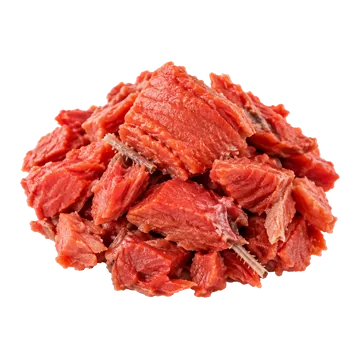 Sockeye salmon, canned
Not rated yet
Health Canada Total Diet Study, trace elements · grade B ?
How it’s rated
Not rated: EFSA's 2024 reference point for inorganic arsenic is a benchmark dose lower limit (BMDL05) of 0.06 µg/kg body weight/day, but no inorganic arsenic value for canned salmon was found, so no grams figure is given.
Intake: not applicable (flag)
Measured on: no inorganic-arsenic value for canned salmon found
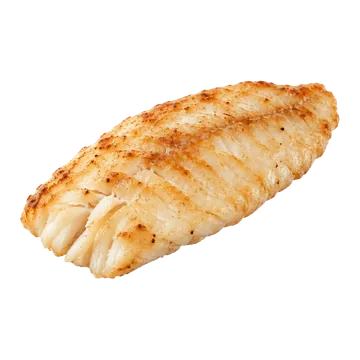 Tilapia, cooked
Not rated yet
US FDA Total Diet Study (2018–2020) · grade B ?
How it’s rated
Not rated: EFSA's 2024 reference point for inorganic arsenic is a benchmark dose lower limit (BMDL05) of 0.06 µg/kg body weight/day, but no inorganic arsenic figure was found for tilapia, which has been measured only as total arsenic.
Intake: 100 g cooked (HC TRA I.3), one serving a day
Measured on: no measured inorganic-arsenic figure for tilapia found
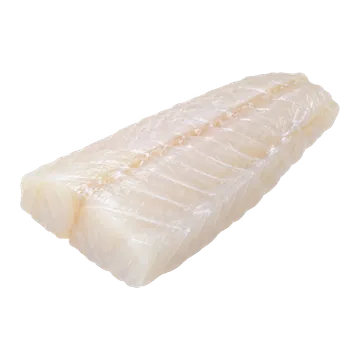 Cod, raw
Context
0.75 µgper servingupper boundPubMed 24786400 · grade B ?
How it’s rated
Shown as context, not rated: EFSA's 2024 reference point for inorganic arsenic is a benchmark dose lower limit (BMDL05) of 0.06 µg/kg body weight/day, and no safe limit is set. In Norwegian wild fish (Julshamn 2012, abstract only; not Canadian), all inorganic arsenic results in fillets of 7 species, including Northeast Arctic cod (923 fish), were below 0.006 mg/kg wet weight; the cod-only mean is not in the abstract. At that upper bound a 125 g serving would carry at most 0.75 µg, and at least 700 g a day would be needed to reach the limit (4.2 µg/day for 70 kg). This covers raw fillets only; the cooked row stays not rated because there is no cooked measurement.
Intake: 125 g raw (HC TRA I.3) · Level in the food: 0.006 mg/kg (upper bound: all inorganic arsenic results below 0.006 mg/kg wet weight in fillets of 7 species including Northeast Arctic cod (923 fish); cod-only mean not in the abstract)
Measured on: Julshamn et al. 2012 (NIFES, Norway), fillets, HPLC-ICP-MS, wild fish from open sea off Norway; raw fillets
Sources
- Canadian Food Inspection Agency, Food Safety Action Plan Targeted Survey: Arsenic Speciation in Rice and Pear Products 2009-2010 (213 samples; 25 'White Rice')
cfia-arsenic-speciation-2009-2010· full text read · Open Government Licence - Canada - CFIA, Mercury and Metals in Fish Products 2000-2021 (tuna rows: 7,072; canned 2,388)
cfia-fish-metals-2000-2021· dataset · Open Government Licence – Canada 2.0 - CFIA, Mercury and Metals in Fish Products, 2000-2021 (inspection results; compilation of raw data)
cfia-metals-fish-2000-2021· dataset · Open Government Licence – Canada 2.0 - CFIA, National Chemical Residue Monitoring Program, Annex B1 (domestic) and B2 (import) results summaries 2016-17 to 2022-23 (open.canada.ca); rows Watermelon, Melon - Cantaloupe, Cucumber, Zucchini
cfia-ncrmp-annexes-2016-2023· secondary source · Government of Canada terms (Crown copyright) - EFSA, Chronic dietary exposure to inorganic arsenic. EFSA J 2021;19(1):6380 · doi:10.2903/j.efsa.2021.6380 · PMID 33537067
efsa-2021-iars-exposure· full text read · EFSA Journal, open access (Wiley, CC BY-ND per PMC) - EFSA CONTAM Panel (2024). Update of the risk assessment of inorganic arsenic in food. EFSA Journal 22(1):e8488. · doi:10.2903/j.efsa.2024.8488
efsa-2024-iAs· full text read · CC BY-ND - US FDA. Total Diet Study elements FY2018-FY2020 summary (media159749).
fda-tds-elements-fy2018-2020· dataset · US public domain - US FDA, Total Diet Study FY2018–FY2020 Elements Report Supplement
fda-tds-fy2018-2020· dataset · US government work (17 USC 105), public domain - Health Canada, Canadian Total Diet Study – Trace Elements (2005–2018 composites)
hc-tds-trace-elements· dataset · Open Government Licence – Canada 2.0 - Julshamn K, Nilsen BM, Frantzen S, Valdersnes S, Maage A, Nedreaas K, Sloth JJ. Total and inorganic arsenic in fish samples from Norwegian waters. Food Addit Contam B 2012 · doi:10.1080/19393210.2012.698312 · PMID 24786400
julshamn2012· abstract only · not checked - Julshamn K, Nilsen BM, Frantzen S, Valdersnes S, Maage A, Nedreaas K, Sloth JJ (2012). Total and inorganic arsenic in fish samples from Norwegian waters. Food Addit Contam Part B Surveill 5(4):229-35 · doi:10.1080/19393210.2012.698312 · PMID 24786400
pmid:24786400· abstract only · licence not recorded - Change of Arsenic Speciation in Shellfish after Cooking and Gastrointestinal Digestion. J Agric Food Chem 2018 (PMID 29953224)
pmid:29953224· abstract only · licence not recorded - Fu B et al. Inorganic arsenic in aquatic products in Shenzhen, China from 2018 to 2024: levels, temporal variation and health risk assessment. Food Chem Toxicol 2025 (doi 10.1016/j.fct.2025.115353) · PMID 40024563 · pubmed.ncbi.nlm.nih.gov
pmid:40024563· abstract only · licence not recorded