Nitrate
In the body: Rated for context only: at the amounts in vegetables, EFSA says the benefits of vegetables prevail.
Not rated by dose: a flag on 25 reviewed foods, among them green beans, cooked kale and bok choy. The list below has a line for each of 33 preparations.
Background. Shown, not scored: no dose basis at normal intake, a classification rather than a risk, or legal limits only.
See also: Nitrite
A reference figure, shown for context
A background hazard, shown for scale: no food on this page is rated against this figure.
- The agency’s figure3.7 mg/kg body weight/day
- For a 70 kg adult259 mg a day
- Basisacceptable daily intake (ADI): what you can take in every day for life
acceptable daily intake (ADI) (as nitrate ion) - Average adult intake Shown as context only: EFSA (2008) concluded that the benefits of eating vegetables prevail.
- Source ?EFSA 2017
Reviewed foods that carry it
25 reviewed foods carry it; none is rated by dose. A food counts once, as in the foods list: preparations sharing a page (raw and cooked, canned) count once; one with its own page counts apart. Below, one line for each of 33 preparations.
How often you can eat it ?
No food here is rated by dose. Each line says why it’s listed: a flag for the people the source names, advice on handling it, or context.
Flags and context, not rated by dose
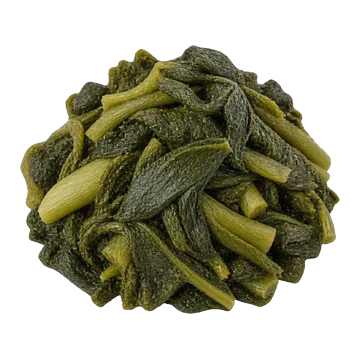 Mustard greens, cooked
Not rated yet
How it’s rated
Not rated: EFSA's 2008 nitrate opinion has no figure for mustard greens. Nitrate in vegetables is shown as context, never scored.
Intake: not applicable (flag)
Measured on: not stated in the draft
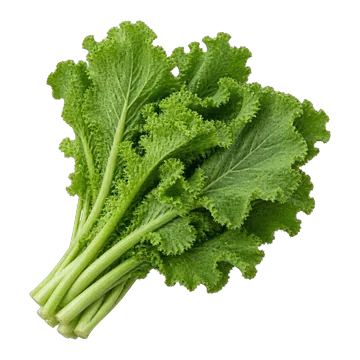 Mustard greens, raw
Not rated yet
How it’s rated
Not rated: EFSA's 2008 nitrate opinion has no figure for mustard greens. Nitrate in vegetables is shown as context, never scored.
Intake: not applicable (flag)
Measured on: not stated in the draft
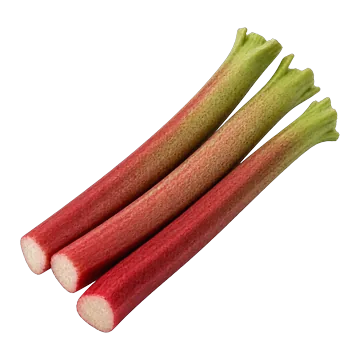 Rhubarb, raw
Not rated yet
How it’s rated
Not rated: nitrate is shown as context, never scored, and no measured value for rhubarb has been found yet.
Intake: one 140 g serving a day (85 g is the alternative), 70 kg adult
Measured on: Not found: EFSA 2008 (EFSA J 689) per-vegetable table blocked (Wiley 403; PDF mirror returned HTML). Whether rhubarb has a row is not known.
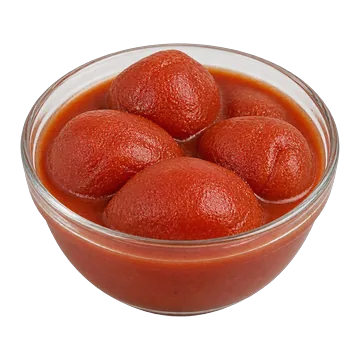 Tomatoes, canned
Not rated yet
How it’s rated
Not measured yet for canned tomato: EFSA's 2008 nitrate opinion gives fresh tomatoes only (mean 43 mg/kg, 856 samples; an 85 g fresh serving is about 1.4% of the acceptable daily intake), and no canned-tomato figure was found.
Intake: one 125 mL serving a day (Health Canada V.1; 125 g at 1 g/mL), 70 kg adult
Measured on: EFSA 2008 Table 4 covers fresh tomatoes only (856 samples, mean 43 mg/kg); canned tomato and paste are not in the table, and no canned-tomato nitrate figure was found
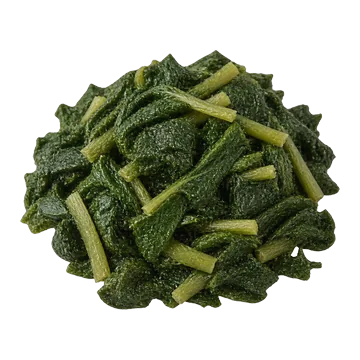 Turnip greens, cooked
Not rated yet
How it’s rated
Not rated: nitrate is shown as context, never scored, and there is no measured figure for turnip greens; none is borrowed from kale or Chinese cabbage.
Intake: one 85 g serving
Measured on: Not found: EFSA 2008 has no turnip-greens row (Table 2 brassica vegetables lists broccoli, Brussels sprouts, cabbage, cauliflower, Chinese cabbage, curly kale, kohlrabi, red cabbage, sauerkraut, savoy cabbage; the 'Turnip' row in Table 10 is the root)
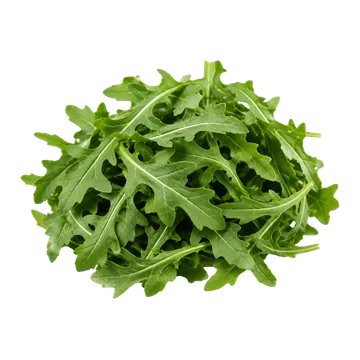 Arugula, raw
Context
397.5 mgper serving153 % of the 259 mg a day shown above: for scale, not a ratingHow it’s rated
Shown as context, not rated: EFSA's 2017 acceptable daily intake for nitrate is 3.7 mg/kg body weight/day, 259 mg/day for 70 kg (applying this food-additive figure to vegetable nitrate is the dataset's own convention). Arugula averages 4,677 mg/kg (EFSA, 1,943 samples, upper bound; median 4,800, 95th percentile 7,340), so about 55 g a day would reach it (54 g at the median, 35 g at the 95th percentile). One 85 g serving carries about 398 mg, 1.5 times the limit.
Intake: one 85 g serving a day, 70 kg adult · Level in the food: 4,677 mg/kg (mean (EFSA occurrence data, rucola, n 1,943; median 4,800; P5 1,528; P95 7,340), n = 1943)
Measured on: EFSA CONTAM Panel 2008 Table 7 'leafy vegetables', rucola, European Member State data 2000s; samples below the detection limit (detection limit) entered at the detection limit (upper bound); as sampled (raw leaf), which matches this raw row
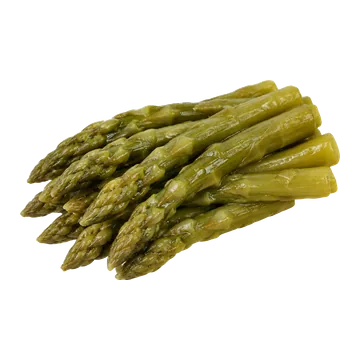 Asparagus, cooked
Context
How it’s rated
Shown as context, not rated: EFSA's 2017 acceptable daily intake for nitrate is 3.7 mg/kg body weight/day, 259 mg/day for 70 kg. No boiled-asparagus figure exists; on raw spears (EFSA 2008, 260 samples) the mean is 209 mg/kg, which would reach the limit at about 1,239 g a day (10,792 g at the median of 24 mg/kg, 178 g at the 95th percentile of 1,459). Boiling probably lowers nitrate, but no asparagus conversion is sourced, so the as-eaten amount is left missing.
Intake: one 85 g serving a day, 70 kg adult
Measured on: EFSA CONTAM Panel 2008 Table 9 'stem vegetables', asparagus, European Member State data, as sampled (raw): n 260, P5 1, median 24, mean 209, P95 1,459 mg/kg. RAW basis; no asparagus boiling loss found, so no sourced conversion to the boiled row.
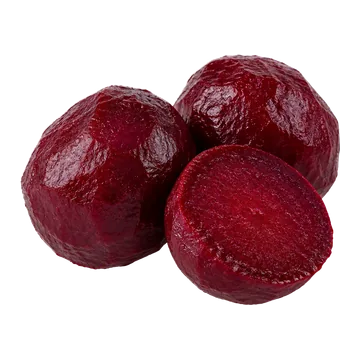 Beets, cooked
Context
How it’s rated
Shown as context, not rated: EFSA's 2017 acceptable daily intake for nitrate is 3.7 mg/kg body weight/day, 259 mg/day for 70 kg. No boiled-beet figure exists; on raw beetroot (EFSA 2008, 1,013 samples) the mean is 1,379 mg/kg, which would reach the limit at about 188 g a day (235 g at the median of 1,100, 71 g at the 95th percentile of 3,670). Boiling lowers nitrate by an amount not quantified for beetroot (EFSA found vegetables lost 16–79% in cooking water), so the as-eaten amount is left missing.
Intake: one 85 g serving a day, 70 kg adult
Measured on: EFSA CONTAM Panel 2008 Table 10 'roots and tubers', beetroot, European Member State data, as sampled (raw): n 1,013, P5 110, median 1,100, mean 1,379, P95 3,670 mg/kg. That is a RAW-root basis. No beetroot-specific boiling loss was found, so no sourced conversion to the boiled row exists.
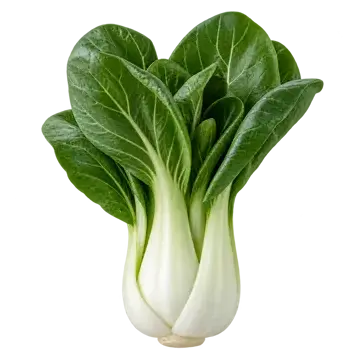 Bok choy, raw
Context
79.3 mgper serving31 % of the 259 mg a day shown above: for scale, not a rating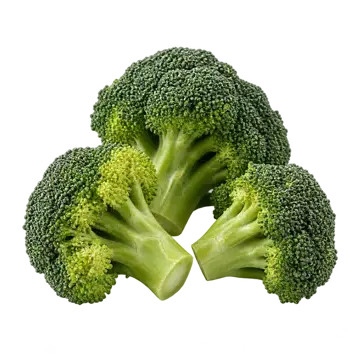 Broccoli, cooked
Context
- Broccoli, raw
Context
23.7 mgper serving9.2 % of the 259 mg a day shown above: for scale, not a rating 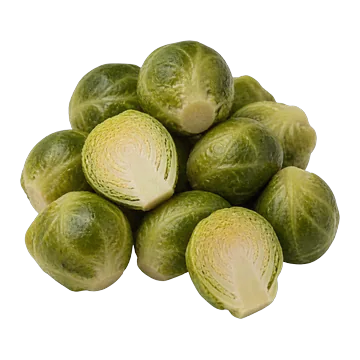 Brussels sprouts, cooked
Context
2 mgper serving0.8 % of the 259 mg a day shown above: for scale, not a ratingHow it’s rated
About 0.8% of the acceptable daily intake per serving (3.7 mg/kg body weight/day x 70 kg = 259 mg); shown as context, not rated. EFSA: 'Brussels sprouts had particularly low nitrate concentrations'.
Intake: one 85 g serving · Level in the food: 24 mg/kg (mean, n = 130)
Measured on: food-specific: EFSA 2008 'Brussels sprouts' (median 1, P5 1, P95 100 mg/kg), fresh vegetables as marketed (not boiled)
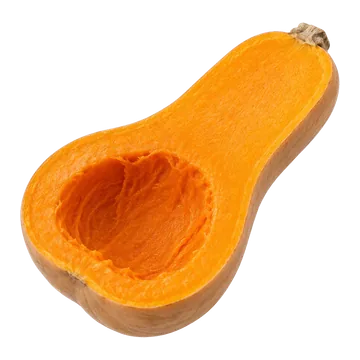 Butternut squash, baked
Context
76 mgper servingnitrate (raw, proxy)29 % of the 259 mg a day shown above: for scale, not a ratingHow it’s rated
Shown as context, not rated: EFSA's 2017 acceptable daily intake for nitrate is 3.7 mg/kg body weight/day, 259,000 µg a day at 70 kg. At the mean of 894 mg/kg in raw pumpkin (EU data, 32 samples, used as a proxy for butternut), about 290 g a day, eaten alone, would reach it; 661 g at the median of 392 and 56 g at the 95th percentile, 4,617. The mean is driven by a few French outliers (maximum 5,665).
Intake: one 85 g serving a day, 70 kg adult · Level in the food: 894 mg/kg (mean (median 392; P5 8; P95 4,617; reported maximum 5,665 in France), n = 32)
Measured on: PROXY: EFSA 2008 nitrate in vegetables, Table 4 fruiting vegetables, commodity "Pumpkin" (weighting factor 0.70), EU monitoring data; the EU commodity is not stated to be Cucurbita moschata and butternut is not separately listed. Samples below detection limit (detection limit) set to detection limit (upper bound). RAW basis, no baking adjustment.
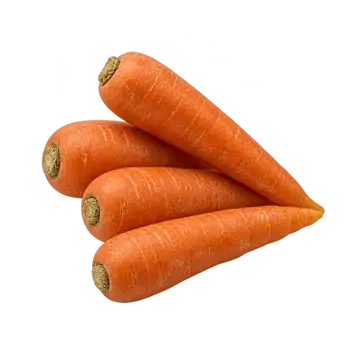 Carrots, raw
Context
25.2 mgper serving9.7 % of the 259 mg a day shown above: for scale, not a rating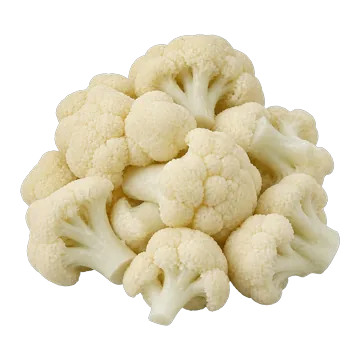 Cauliflower, cooked
Context
12.6 mgper serving4.9 % of the 259 mg a day shown above: for scale, not a ratingHow it’s rated
Shown as context, not rated: 4.9% of the acceptable daily intake (259 mg for 70 kg) per serving; boiling lowers it.
Intake: one 85 g serving · Level in the food: 148 mg/kg (mean, n = 289)
Measured on: food-specific: EFSA 2008 'Cauliflower' (median 122; P5 7; P95 390), as sampled
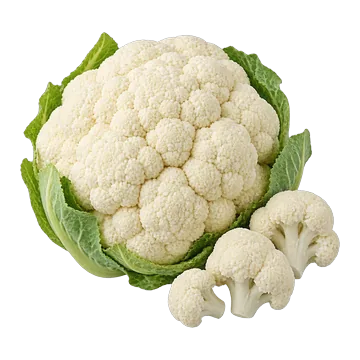 Cauliflower, raw
Context
12.6 mgper serving4.9 % of the 259 mg a day shown above: for scale, not a ratingHow it’s rated
Shown as context, not rated: 4.9% of the acceptable daily intake (259 mg for 70 kg) per serving; boiling lowers it.
Intake: one 85 g serving · Level in the food: 148 mg/kg (mean, n = 289)
Measured on: food-specific: EFSA 2008 'Cauliflower' (median 122; P5 7; P95 390), as sampled
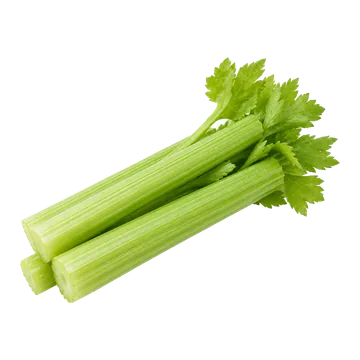 Celery, raw
Context
93.8 mgper serving36 % of the 259 mg a day shown above: for scale, not a ratingHow it’s rated
Shown as context, not rated: nitrate is information here, never scored. EFSA's 2017 acceptable daily intake is 3.7 mg/kg body weight/day, 259 mg/day for 70 kg; it is the food-additive figure, applied to vegetable nitrate by this dataset's own convention. At the mean of 1,103 mg/kg (EFSA data, n 387), about 235 g of celery a day would reach it (374 g at the median of 693 mg/kg, 78 g at the P95 of 3,319). Boiling cuts nitrate by about 50%, according to EFSA.
Intake: one 85 g serving a day, 70 kg adult · Level in the food: 1,103 mg/kg (mean (EFSA occurrence data, celery, n 387; median 693; P95 3,319), n = 387)
Measured on: EFSA CONTAM Panel 2008 Table 9 'stem vegetables', celery, European Member State data 2000s; samples below the detection limit (detection limit) entered at the detection limit (upper bound); as sampled, not cooked
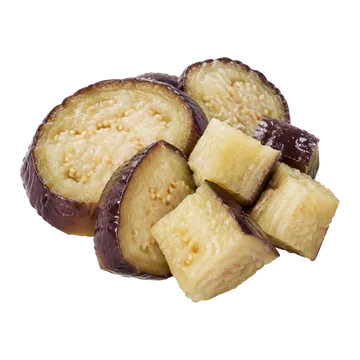 Eggplant, cooked
Context
26.69 mgper servingnitrate (raw basis)10 % of the 259 mg a day shown above: for scale, not a ratingHow it’s rated
Shown as context, not rated: EFSA's 2017 acceptable daily intake for nitrate is 3.7 mg/kg body weight/day, 259,000 µg/day for 70 kg, and EFSA concluded in 2008 that the benefits of vegetables prevail. Raw aubergine averages 314 mg/kg (182 European samples, below-detection values counted at the detection limit), so about 825 g a day, eaten alone, would reach the limit; one 85 g serving carries 26.69 mg. The data are from 2008, European and raw.
Intake: one 85 g serving a day, 70 kg adult · Level in the food: 314 mg/kg (mean (median 303; P5 29; P95 572), n = 182)
Measured on: EFSA 2008 nitrate in vegetables, Table 4 fruiting vegetables, "Aubergine", EU member-state monitoring data (weighting factor 0.46); samples below detection limit (detection limit) set to the detection limit (upper bound). RAW basis; no boiling or leaching adjustment.
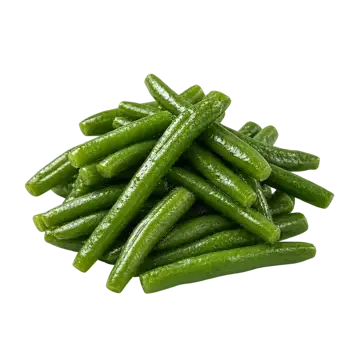 Green beans, cooked
Context
27.5 mgper serving11 % of the 259 mg a day shown above: for scale, not a rating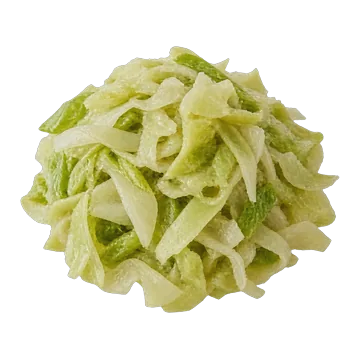 Green cabbage, cooked
Context
26.4 mgper serving10 % of the 259 mg a day shown above: for scale, not a ratingHow it’s rated
Shown as context, never scored: about 26 mg nitrate per 85 g, 10.2% of the acceptable daily intake (3.7 mg/kg body weight = 259 mg at 70 kg). EFSA: peas, cabbage, beans, carrots, potatoes, spinach, endive and celery leaves lost 16 to 79% of their nitrate when cooked in water (one range across vegetables, no figure for cabbage alone).
Intake: one 85 g serving · Level in the food: 311 mg/kg (mean, n = 1198)
Measured on: EFSA 2008 Table 2, brassica vegetables, row 'Cabbage' (raw, European monitoring; median 223, P5 47, P95 833). Row realigned from a scrambled third-party text extraction
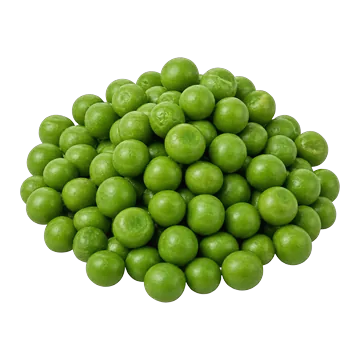 Green peas, cooked
Context
0.085 mgper serving0 % of the 259 mg a day shown above: for scale, not a ratingHow it’s rated
Shown as context, not rated: 0.085 mg per serving is about 0.03% of the acceptable daily intake (3.7 mg/kg body weight/day x 70 kg = 259 mg); peas are among the lowest-nitrate vegetables.
Intake: one 85 g serving · Level in the food: 1 mg/kg (median, n = 362)
Measured on: food-specific: EFSA 2008 'Peas' (362 samples, legumes table); raw vegetable, not the cooked product; boiling lowers nitrate further
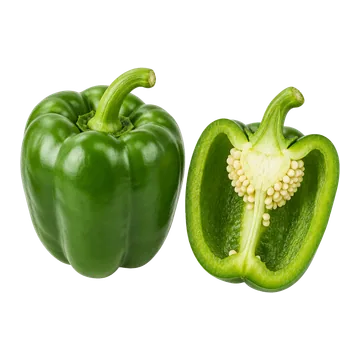 Green pepper, raw
Context
9.18 mgper serving3.5 % of the 259 mg a day shown above: for scale, not a ratingHow it’s rated
Shown as context, not rated: the acceptable daily intake for nitrate is 3.7 mg/kg body weight/day (SCF/JECFA, EFSA 2008), 259 mg a day at 70 kg. One 85 g serving carries 9.2 mg, 3.5% of it, and about 2,398 g a day of capsicum would reach it, eaten alone. The mean is 108 mg/kg in European monitoring (median 28, 95th percentile 476); no Canadian figure was found. EFSA lists capsicum separately from chili pepper without saying sweet or bell, so reading it as bell pepper is an inference from that split.
Intake: one 85 g serving a day (Health Canada TRA V.1), 70 kg adult · Level in the food: 108 mg/kg (mean, n = 455)
Measured on: EFSA 2008 Table 4 'Nitrate concentrations in fruiting vegetables', row 'Capsicum' (separate from 'Chili pepper'): European monitoring, as sampled, samples below the detection limit (detection limit) at the detection limit (upper bound); P5 1, median 28, P95 476 mg/kg. Not Canadian.
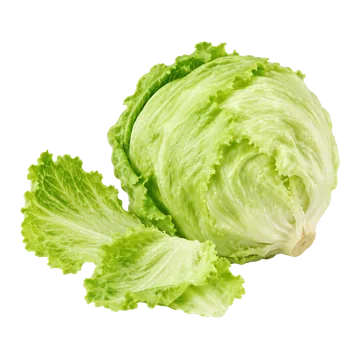 Iceberg lettuce, raw
Context
74.4 mgper serving85 g × 875 mg/kg29 % of the 259 mg a day shown above: for scale, not a ratingHow it’s rated
Shown as context, not rated: EFSA's acceptable daily intake for nitrate is 3.7 mg/kg body weight/day, 259 mg a day. Iceberg averages 875 mg/kg (1,980 European samples, below-detection values counted at the detection limit; P95 1,537), so about 296 g a day, eaten alone, would reach it; one serving is 28.7% of the limit (50% at the P95 value).
Intake: one 85 g serving · Level in the food: 875 mg/kg (mean (median 844; P5 210; P95 1,537), n = 1980)
Measured on: EFSA 2008 Table 7 (leafy vegetables), 'Iceberg lettuce', European surveillance data, samples below the detection limit (detection limit) counted at the detection limit
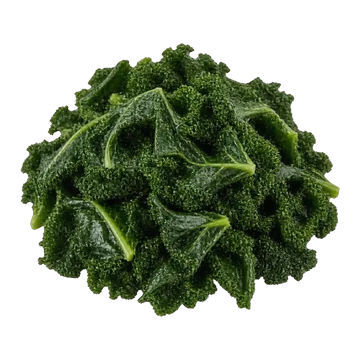 Kale, cooked
Context
45.6 mgper serving18 % of the 259 mg a day shown above: for scale, not a rating- Kale, raw
Context
45.6 mgper serving85 g × 537 mg/kg18 % of the 259 mg a day shown above: for scale, not a ratingHow it’s rated
Shown as context, not rated: EFSA's 2017 acceptable daily intake for nitrate is 3.7 mg/kg body weight/day, 259 mg/day for 70 kg. Raw curly kale averages 537 mg/kg (169 European samples, below-detection values counted at the detection limit; median 267, P95 1,846), so about 482 g a day, eaten alone, would reach it, and one serving is 17.6% of the limit (60.6% at the P95 value).
Intake: one 85 g serving · Level in the food: 537 mg/kg (mean (median 267; P5 19; P95 1,846), n = 169)
Measured on: EFSA 2008 Table 2 (brassica vegetables), 'Curly kale', raw vegetable as sampled in European surveillance; samples below the detection limit (detection limit) counted at the detection limit (upper bound)
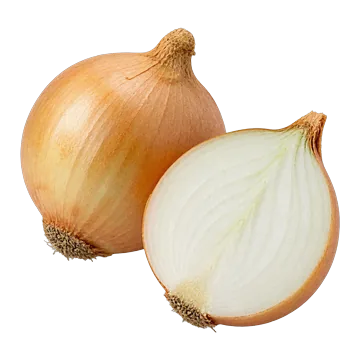 Onions, raw
Context
13.9 mgper serving5.4 % of the 259 mg a day shown above: for scale, not a ratingHow it’s rated
Shown as context, not scored (acceptable daily intake 3.7 mg/kg body weight/day = 259 mg for 70 kg). At the EFSA mean 164 mg/kg an 85 g serving carries 13.9 mg (5.4%); at the median 60 mg/kg, 5.1 mg (2.0%); at the Hong Kong total diet study mean 14 mg/kg, 1.2 mg (0.5%). EFSA: bulb vegetables 'were generally low in nitrate'.
Intake: one 85 g serving a day, 70 kg adult · Level in the food: 164 mg/kg (mean (EFSA occurrence data, 2008), n = 230)
Measured on: category: EFSA 2008 Table 3 'Onions' (230 samples, weighting factor 5.55; median 60, P5 1, P95 638 mg/kg); Hong Kong 2nd TDS onion 14 mg/kg (mean of two sampling occasions, 14 and 13)
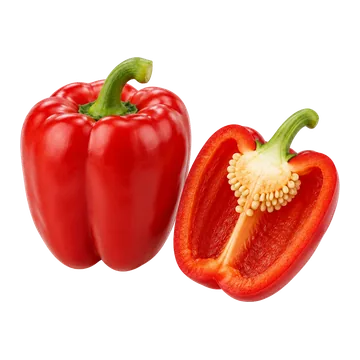 Red pepper, raw
Context
9.18 mgper serving3.5 % of the 259 mg a day shown above: for scale, not a ratingHow it’s rated
Shown as context, not rated: the acceptable daily intake for nitrate is 3.7 mg/kg body weight/day (SCF/JECFA, EFSA 2008), 259 mg a day at 70 kg. One 85 g serving carries 9.2 mg, 3.5% of it, and about 2,398 g a day of capsicum would reach it, eaten alone. The mean is 108 mg/kg in European monitoring (median 28, 95th percentile 476); no Canadian figure was found. EFSA lists capsicum separately from chili pepper without saying sweet or bell, so reading it as bell pepper is an inference from that split.
Intake: one 85 g serving a day (Health Canada TRA V.1), 70 kg adult · Level in the food: 108 mg/kg (mean, n = 455)
Measured on: EFSA 2008 Table 4 'Nitrate concentrations in fruiting vegetables', row 'Capsicum' (separate from 'Chili pepper'): European monitoring, as sampled, samples below the detection limit (detection limit) at the detection limit (upper bound); P5 1, median 28, P95 476 mg/kg. Not Canadian.
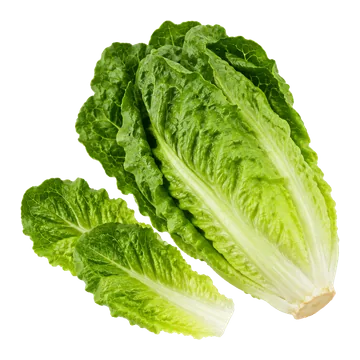 Romaine lettuce, raw
Context
93.9 mgper serving36 % of the 259 mg a day shown above: for scale, not a ratingHow it’s rated
Shown as context, not rated: the acceptable daily intake for nitrate is 3.7 mg/kg body weight/day (SCF/JECFA), 259 mg a day at 70 kg. One 85 g serving of romaine carries 93.9 mg, 36% of it, and about 234 g of romaine would reach it, eaten alone. That rests on EFSA's European mean of 1,105 mg/kg from 124 samples (median 1,097, 95th percentile 2,200); the sample is thin, and the unspecified 'Lettuce' row (mean 1,324) gives 196 g. No Canadian figure was found. EFSA: 'the recognised beneficial effects of consumption of vegetables prevail'.
Intake: one 85 g serving a day (Health Canada TRA V.1), 70 kg adult · Level in the food: 1,105 mg/kg (mean, n = 124)
Measured on: EFSA 2008 Table 7, row 'Cos lettuce' (romaine): European monitoring data, as sampled (raw), samples below the detection limit (detection limit) at the detection limit (upper bound); P5 167, median 1,097, P95 2,200 mg/kg. Not Canadian. Other rows: iceberg n 1,980 mean 875; 'Lettuce' n 7,749 mean 1,324; butterhead n 3,426 mean 2,026.
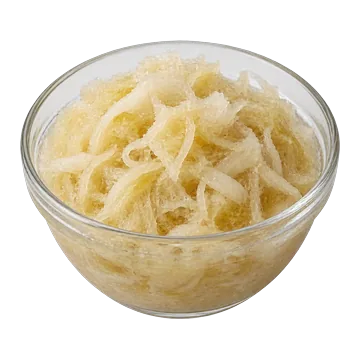 Sauerkraut
Context
1.98 mgper serving0.8 % of the 259 mg a day shown above: for scale, not a ratingHow it’s rated
Shown as context, not scored: 30 g x 66 mg/kg = 1.98 mg, 0.76% of the 259 mg acceptable daily intake for a 70 kg adult. Sauerkraut's mean (66 mg/kg) sits far below cabbage's (311) in the same table; nitrite was not assessed.
Intake: one 30 g serving · Level in the food: 66 mg/kg (mean, n = 37)
Measured on: food-specific: EFSA 2008 Table 2 'Sauerkraut', 37 samples (weighting factor 0.02): P5 37, median 42, mean 66, P95 215 mg/kg
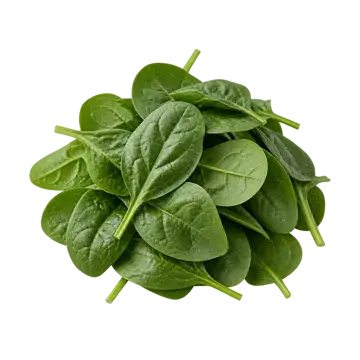 Spinach, cooked
Context
- Spinach, raw
Context
90.6 mgper serving35 % of the 259 mg a day shown above: for scale, not a rating 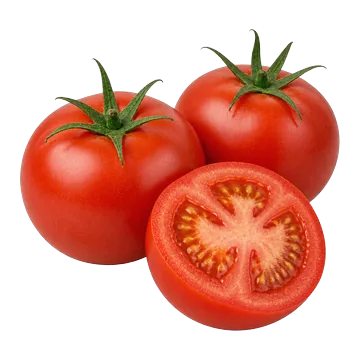 Tomatoes, raw
Context
3.66 mgper servingnitrate1.4 % of the 259 mg a day shown above: for scale, not a ratingHow it’s rated
Shown as context, not scored: 85 g at the mean is 3.7 mg nitrate (12 mg at the 95th percentile), about 1.4% (4.7%) of the acceptable daily intake of 3.7 mg/kg body weight (259 mg/day for 70 kg).
Intake: one 85 g serving a day (Health Canada V.1), 70 kg adult · Level in the food: 43 mg/kg (mean (EFSA weighted), n = 856)
Measured on: EFSA 2008 Table 4 "Nitrate concentrations in fruiting vegetables", Tomato: 856 samples (weighting factor 6.96), P5 1, median 26, mean 43, P95 144 mg/kg (European data, fresh)
 Watercress, raw
Context
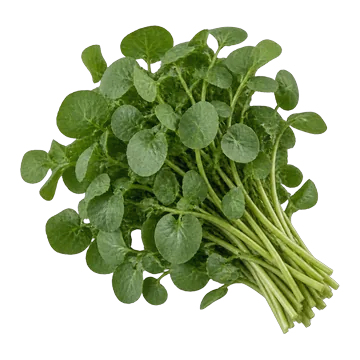
11.6 mgper serving4.5 % of the 259 mg a day shown above: for scale, not a ratingHow it’s rated
Shown as context, never scored: 85 g x 136 mg/kg = 11.6 mg, 4.5% of the acceptable daily intake (3.7 mg/kg body weight/day x 70 kg = 259 mg). The mean of 136 is far above the median of 12, so a few high samples drive it (n = 25).
Intake: one 85 g serving a day, 70 kg adult · Level in the food: 136 mg/kg (mean, n = 25)
Measured on: food-specific: 'Water cress' row, leafy vegetables, EFSA 2008 (as-sampled European monitoring data, mostly raw; median 12, P5 4, P95 174). Samples below the detection limit (detection limit) were expressed at the detection limit (upper bound).
Sources
- EFSA CONTAM Panel (2008) Nitrate in vegetables. EFSA Journal 689 · doi:10.2903/j.efsa.2008.689
efsa-2008-nitrate· full text read · EFSA Journal: CC BY-ND 4.0 - EFSA ANS Panel (2017) Re-evaluation of potassium nitrite and sodium nitrate as food additives. EFSA Journal 4787 · doi:10.2903/j.efsa.2017.4787
efsa-2017-nitrate-adi· abstract only · EFSA Journal: CC BY-ND 4.0