Aluminum
A metal that gets into food from soil and water, and from some food additives.
In the body: In animal studies, high doses affected the nervous system and reproduction.
The one to watch: Cakes. About 380 g, eaten alone, reaches the weekly limit. The rest stay under it at a serving a day. The one with the least room, Coffee creamer, powder, has about 120 g, eaten alone.
Builds up over time. Agencies set an amount you can take in every week, or every day, for life. A food measured against it shows the grams that reach it.
The limit
- The agency’s figure1 mg/kg body weight/week
- For a 70 kg adult70 mg a week
- Basistolerable weekly intake (TWI): what you can take in every week for life
tolerable weekly intake (TWI) (EFSA AFC 2008) (tolerable weekly intake (TWI)) - Average adult intake0.2–1.5 mg/kg body weight/week EFSA 2008 mean adult exposure 1.6-13 mg/day, about 0.2-1.5 mg/kg body weight/week for a 60 kg adult, from water and food (as restated in EFSA 2018); up to 2.3 mg/kg body weight/week in highly exposed consumers (same text)
- Source ?EFSA 2018
Reviewed foods that carry it
51 reviewed foods carry it, 51 of them rated by dose. A food counts once, as in the foods list: preparations sharing a page (raw and cooked, canned) count once; one with its own page counts apart. Below, one line for each of 56 preparations. 56 of those lines are rated by dose. 59 measurements in all. A preparation measured more than once gets one line, the measurement the dataset leads with or a stricter one, named beside the food; the others fold under it.
Grams to the limit ?
Grams of each food that reach the limit in its window, for a 70 kg adult. Fewest first: those are the foods to watch.
Known background: an average adult already takes in 0.2–1.5 mg/kg body weight/week. Where the dataset allows, the grams below are the room left after that intake (the median of the surveys’ averages where EFSA gives one, otherwise the highest); beside each, the same limit counted from zero, the food eaten alone.
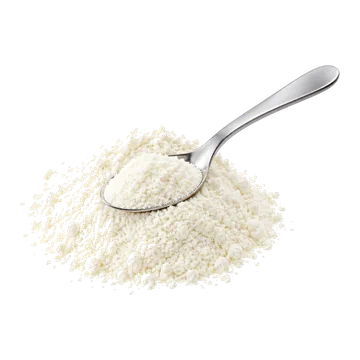 Coffee creamer, powder
Nothing to watch: under the limit for a 2 g serving
120greaches the limit in a weekCounted from zero: this food eaten alone.1.2 mg (2 g at 600 mg/kg; the paper puts up to 1.5 mg in its own packet) per 2 g servingDOI 10.1080/02652030500073584 · grade C ?
How it’s rated
No cap: this is the upper end of an approximate range (about 50-600 mg/kg) in a 2005 US abstract, not a mean, and it applies to powdered creamer only. EFSA's tolerable weekly intake for aluminium is 1 mg/kg body weight/week, 70 mg a week for 70 kg. At 600 mg/kg, 117 g of powder a week eaten alone would reach it; at the 50 mg/kg end, 1,400 g. The paper's own packet carries 1.5 mg, so a packet a day (10.5 mg a week) is 15% of the limit and adds 12-50% to the 3-12 mg a day of dietary aluminium it quotes. Abstract only.
Intake: one 2.0 g serving a day, 70 kg adult · Level in the food: 600 mg/kg (upper end of a reported range (about 50-600 mg/kg))
Measured on: Saiyed and Yokel 2005 (Food Additives & Contaminants), US: 'Many single serving packets of non-dairy creamer had approximately 50-600 mg Al kg(-1) as sodium aluminosilicate, providing up to 1.5 mg Al per serving.' Powdered creamer as sold (digested, atomic absorption); number of packets not in the abstract. Applies to the POWDER row only; no aluminium figure for liquid creamer.
 Cakes
Go easy: can push past the limit for a 80 g serving
380greaches the limit in a weekCounted from zero: this food eaten alone.14,568 µg per 80 g servingHealth Canada Total Diet Study, trace elements · grade A ?
How it’s rated
May exceed: EFSA's tolerable weekly intake for aluminium is 1 mg/kg body weight/week (2008), 70,000 µg a week for 70 kg. About 384 g a week would reach it, eaten alone. One 80 g slice is 20.81% of the weekly limit, but a slice a day is 145.7% of it, adding 97.1-728.5% to the adult weekly mean (0.2-1.5 mg/kg body weight/week, 14-105 mg/week). Over most of that range a daily habit reaches or passes the doubling line. One slice is not a toxic dose in itself; the limit is weekly, and the rating looks at a daily habit.
Intake: one 80 g reference serving a day (Health Canada TRA A.6), 70 kg adult · Level in the food: 182,104.012 ng/g (mean, n = 17)
Measured on: food-specific: Health Canada Total Diet Study FF04 'Cake (Cake with icing)', 17 composites, 1999-2012 and 2016-2018, Canada, as consumed
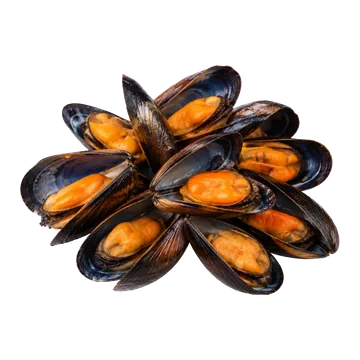 Mussels, cooked
Nothing to watch: under the limit for a 100 g serving
1,500greaches the limit in a weekCounted from zero: this food eaten alone.4.7 mg per 100 g servingCFIA mercury and metals in fish (2000–2021) · grade B ?
How it’s rated
No cap: EFSA's tolerable weekly intake for aluminium is 1 mg/kg body weight/week, 70,000 µg/week for 70 kg. Cooked mussels average 47.00 µg/g (CFIA inspection results, 431 samples; the raw mean of 23.49 doubled for water loss), so about 1,489 g cooked a week, eaten alone, would reach it, and about 3,600 g at the median (19.5 cooked). A 100 g serving carries 4.7 mg; no background intake is counted.
Intake: 100 g cooked (HC TRA I.3), one serving a day · Level in the food: 46.996 µg/g (mean (raw mean 23.49 x 2.00), n = 431)
Measured on: CFIA inspection results (not a random survey), MUSSEL, BLUE, Sample Type Whole, Primary Process Live or Fresh, 2000-2021, domestic, import and export mixed; publisher gives ppm or µg/g (treated alike) and does not state wet or dry basis (wet tissue presumed: zinc and copper agree with USDA); this is RAW tissue as sold. Cooked-basis value = raw mean x 2.00, the ratio of non-water solids in USDA FDC cooked (water 61.15 g/100 g) to raw (80.58 g/100 g) blue mussel, assuming no contaminant is lost in cooking (an upper bound; no cooking-retention study found). Raw median 9.73, max 304 µg/g: skewed, likely gut sediment in some whole animals.
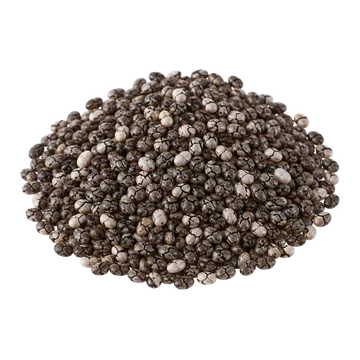 Chia seeds
Nothing to watch: under the limit for a 15 g serving
1,500greaches the limit in a weekCounted from zero: this food eaten alone.683 µg (at 45.5 ppm) per 15 g servingCFIA chemical residue monitoring (2016–2023) · grade A ?
How it’s rated
No cap: EFSA's tolerable weekly intake for aluminium is 1 mg/kg body weight/week, 70,000 µg a week for 70 kg. Eaten alone, about 1,540 g of chia a week would reach it at the highest CFIA annual mean of 45.5 ppm (23,400 g at the lowest, 2.99). A 15.0 g serving every day is 105 g a week: 4,780 µg, 6.8% of the limit at 45.5 ppm and 41% at the single highest sample (273 ppm, 28.7 mg). Chia carries 37 to 78 times the aluminium of the three nuts in this family.
Intake: 15 g serving (HC TRA C.5) · Level in the food: 45.5 ppm (highest annual mean (range of annual means 2.99-45.5 ppm; every one of 38 samples positive); max 273 ppm, n = 38)
Measured on: CFIA NCRMP annex B6 (imports) 2017-18 to 2020-21, 'Seed - Chia', 38 samples, 38 positive, 0 violations; the annex states no detection limit (detection limit)
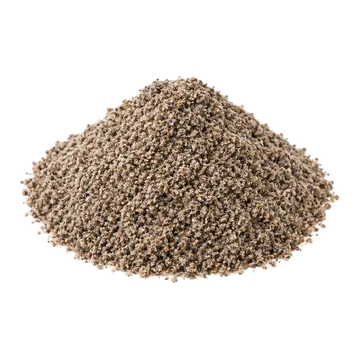 Chia seeds, ground
Nothing to watch: under the limit for a 15 g serving
1,500greaches the limit in a weekCounted from zero: this food eaten alone.683 µg (at 45.5 ppm) per 15 g servingCFIA chemical residue monitoring (2016–2023) · grade A ?
How it’s rated
No cap: EFSA's tolerable weekly intake for aluminium is 1 mg/kg body weight/week, 70,000 µg/week for 70 kg. At the highest annual CFIA mean (45.5 µg/g, 38 samples), about 1,540 g of chia a week eaten alone would reach it (23,400 g at the lowest annual mean, 2.99). A 15.0 g serving every day (105 g a week) is 4,780 µg, 6.8% of the limit, and 41% at the single highest sample (273 ppm). Chia carries 37 to 78 times the aluminium of the three nuts in its family.
Intake: 15 g serving (HC TRA C.5) · Level in the food: 45.5 ppm (highest annual mean (range of annual means 2.99-45.5 ppm; every one of 38 samples positive); max 273 ppm, n = 38)
Measured on: CFIA NCRMP annex B6 (imports) 2017-18 to 2020-21, 'Seed - Chia', 38 samples, 38 positive, 0 violations; the annex states no detection limit (detection limit)
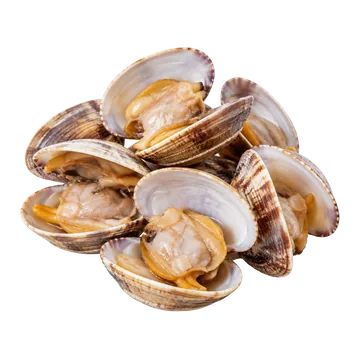 Clams, cooked
Nothing to watch: under the limit for a 100 g serving
3,900greaches the limit in a weekCounted from zero: this food eaten alone.1.79 mg per 100 g servingCFIA mercury and metals in fish (2000–2021) · grade C ?
How it’s rated
No cap: EFSA's tolerable weekly intake for aluminium is 1 mg/kg body weight/week, 70,000 µg/week for 70 kg. Clam meat averages 17.90 µg/g on a cooked basis (raw mean 10.35 × 1.73; 67 CFIA samples, raw median 0.56, maximum 158 µg/g, so very skewed), and about 3,910 g cooked a week eaten alone would reach it. Whole-animal clams are much higher (about 682 g cooked a week), which looks like gut sediment, so the meat figure is used.
Intake: 100 g cooked (HC TRA I.3), one serving a day · Level in the food: 17.901 µg/g (mean (raw 10.35 x 1.73), n = 67)
Measured on: CFIA inspection results (not a random survey), all CLAM species, Sample Type Meat, any Primary Process (fresh, frozen, live, cooked; surf, soft-shell, Manila, geoduck, quahog and others), 2000-2021, domestic, import and export mixed; publisher gives ppm or µg/g (treated alike), basis not stated (wet tissue presumed). This is mostly RAW or frozen-raw meat. Cooked-basis value = raw mean x 1.73, the ratio of non-water solids in USDA FDC cooked (water 63.64 g/100 g) to raw (78.98 g/100 g) mixed-species clam, assuming nothing is lost in cooking (an upper bound; no retention study found). Raw median 0.56, max 158 µg/g: very skewed.
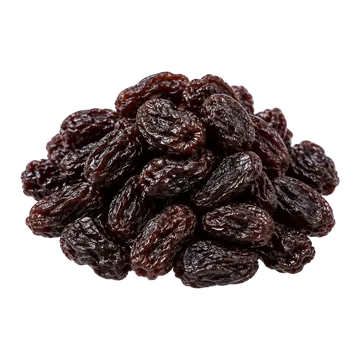 Raisins
Nothing to watch: under the limit for a 40 g serving
5,900greaches the limit in a weekCounted from zero: this food eaten alone.473 µg per 40 g servingHealth Canada Total Diet Study, trace elements · grade A ?
How it’s rated
No cap: EFSA's 2008 tolerable weekly intake (TWI) for aluminium is 1 mg/kg body weight/week, 70,000 µg a week for 70 kg. Eaten alone, about 5,900 g of raisins a week would reach it (mean 11.83 µg/g, 17 composites, none non-detect). A serving carries 473 µg, and seven daily servings would be 4.7% of the weekly limit, so the band rests on the limit alone; background intake was not computed. The cause of the high level, about 14 times that in grapes, is not investigated.
Intake: one 40 g serving a day, 70 kg adult · Level in the food: 11,828 µg/kg (mean, n = 17)
Measured on: Health Canada TDS HH17 raisins, aluminium: 13 composites 2000-2012 mean 10,710 ng/g and 4 composites 1999-2018 mean 15,460 ng/g, pooled by sample count; none non-detect; as consumed.
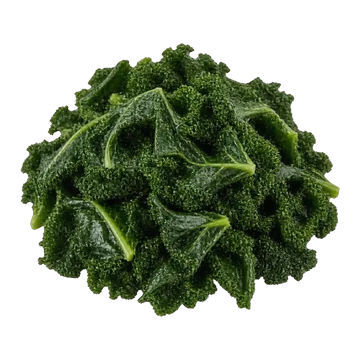 Kale, raw
Nothing to watch: under the limit for a 85 g serving
6,100greaches the limit in a weekCounted from zero: this food eaten alone.982 µg (85 g × 11.2 µg/g) per 85 g servingCFIA chemical residue monitoring (2016–2023) · grade B ?
How it’s rated
No cap: EFSA's 2008 tolerable weekly intake for aluminium is 1 mg/kg body weight/week, 70,000 µg/week for 70 kg. The CFIA lower-bound mean for imported raw kale is 11.55 µg/g (52 samples, all positive), so about 6,061 g a week, eaten alone, would reach it, and 1,308 g at the highest sample (53.5 µg/g). A daily 85 g serving is 595 g a week: 6,872 µg, 9.8% of the limit.
Intake: one 85 g serving a day, 70 kg adult · Level in the food: 11.55 ppm (lower-bound mean over all n, n-weighted over three CFIA import lines (all 52 positive); max 53.5 ppm, n = 52)
Measured on: CFIA NCRMP annex B2 (imports), 'Kale', fresh, 2016-17 to 2022-23 (n 37 + 13 + 2). Pooled n-weighted over the three import lines (2016-17 to 2018-19 n 37; 2019-20 to 2021-22 n 13; 2022-23 n 2) = n 52, as for iceberg lettuce.
 Cookies
Nothing to watch: under the limit for a 30 g serving
6,200greaches the limit in a weekCounted from zero: this food eaten alone.336 µg per 30 g servingHealth Canada Total Diet Study, trace elements · grade A ?
How it’s rated
No cap: EFSA's tolerable weekly intake for aluminium is 1 mg/kg body weight/week (2008), 70,000 µg a week for 70 kg. About 6,247 g a week would reach it, eaten alone. One 30 g serving is 0.48% of the weekly limit and seven daily servings are 3.4% of it; they add 2.2-16.8% to the adult weekly mean (0.2-1.5 mg/kg body weight/week, 14-105 mg/week), under the doubling line.
Intake: one 30 g reference serving a day (Health Canada TRA A.10), 70 kg adult · Level in the food: 11,204.824 ng/g (mean, n = 17)
Measured on: food-specific: Health Canada Total Diet Study FF09 'Cookies', 17 composites, 1999-2012 and 2016-2018, Canada, as consumed
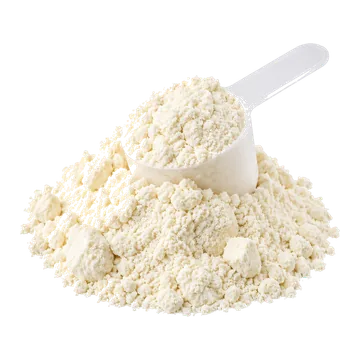 Whey protein concentrate
Nothing to watch: under the limit for a 30 g serving
9,700greaches the limit in a weekCounted from zero: this food eaten alone.215.7 µg per 30 g servingBethencourt 2023 · grade B ?
How it’s rated
No cap: EFSA's tolerable weekly intake for aluminium is 1 mg/kg body weight/week (70 mg a week for 70 kg). In 47 whey protein supplements bought mainly in Spain and Italy, not Canada, the mean was 7.19 mg/kg of powder; about 9,736 g a week would reach the limit, eaten alone. A 30 g serving a day carries 215.7 µg, 2.16% of the weekly limit, and adds 1.4% to 10.8% to the average adult's intake (0.2-1.5 mg/kg body weight/week, EFSA 2008); at the highest sample (35.22 mg/kg), 10.6%.
Intake: one 30 g serving a day (also the paper's first scenario), 70 kg adult · Level in the food: 7.19 mg/kg (mean of 47 whey protein supplements (Caverage), range 0.40-35.22 mg/kg, n = 47)
Measured on: Bethencourt-Barbuzano et al. 2023, Nutrients 15(16):3543 (PMC10458782): 47 whey protein supplements bought March 2021 to April 2022, mainly in Spain and Italy (declared type: 46.8% concentrate, 44.7% isolate, 8.5% hydrolysate; variants not separated in the tables); ICP-OES after dry incineration; mg/kg of powder as sold; Spain/Italy, not Canada
- Whey protein isolate
Nothing to watch: under the limit for a 30 g serving
9,700greaches the limit in a weekCounted from zero: this food eaten alone.215.7 µg per 30 g servingBethencourt 2023 · grade B ?
How it’s rated
No cap: EFSA's tolerable weekly intake for aluminium is 1 mg/kg body weight/week (70 mg a week for 70 kg). In 47 whey protein supplements bought mainly in Spain and Italy, not Canada, the mean was 7.19 mg/kg of powder; about 9,736 g a week would reach the limit, eaten alone. A 30 g serving a day carries 215.7 µg, 2.16% of the weekly limit, and adds 1.4% to 10.8% to the average adult's intake (0.2-1.5 mg/kg body weight/week, EFSA 2008); at the highest sample (35.22 mg/kg), 10.6%.
Intake: one 30 g serving a day (also the paper's first scenario), 70 kg adult · Level in the food: 7.19 mg/kg (mean of 47 whey protein supplements (Caverage), range 0.40-35.22 mg/kg, n = 47)
Measured on: Bethencourt-Barbuzano et al. 2023, Nutrients 15(16):3543 (PMC10458782): 47 whey protein supplements bought March 2021 to April 2022, mainly in Spain and Italy (declared type: 46.8% concentrate, 44.7% isolate, 8.5% hydrolysate; variants not separated in the tables); ICP-OES after dry incineration; mg/kg of powder as sold; Spain/Italy, not Canada
 Black tea, brewed
Nothing to watch: under the limit for a 250 g serving
13,000greaches the limit in a weekCounted from zero: this food eaten alone.1.341 mg per 250 g servingHealth Canada Total Diet Study, trace elements · grade A ?
How it’s rated
No cap: EFSA's tolerable weekly intake for aluminium is 1 mg/kg body weight/week, 70,000 µg a week for a 70 kg adult. Eaten alone, 13,048 g a week would reach it (52 cups; 7.5 cups a day); on the recent mean of 8.12 µg/g, 8,619 g. A daily cup is 9.4 mg a week, 13.4% of the limit, and adds 10.3% on the high average to 83.8% on the low average of adult intake (EFSA 2008, about 0.2-1.5 mg/kg body weight/week; shown, not subtracted): at the low end a daily cup keeps total intake under the limit, and at the high end it adds less than double the average. The mean counts a 1999 record that is a multi-year average; without it the figure is 13,154 g a week.
Intake: one 250 mL (250 g) cup a day, 70 kg adult · Level in the food: 5.365 µg/g (mean (equal-weight), n = 17)
Measured on: Canadian TDS (Health Canada, open.canada.ca dataset 83934503-cfae-4773-b258-e336896c2c53), item KK06 'Tea (Black tea)', Basis for Result 'As consumed', Intended Use 'Ready-to-eat', composites 1999 (average of 1993-99) and 2000-2012, 2016-2018, Canadian cities; the brewing recipe is not stated in the record; values 1.85-9.62 µg/g; recent 2016-18 mean 8.12 µg/g; tap-water aluminium included
2 other measurements of this food
- Slovenia 2022, 10 filter-bag black teas
Nothing to watch: under the limit
11,000greaches the limit in a weekCounted from zero: this food eaten alone.1.655 mg per 250 g servingPavlovic 2023 · grade A ?
How it’s rated
No cap: average adult intake spans a range, and each end is tested on its own. At the low end a daily serving keeps total intake under the limit; at the high end it adds less than double the average. Black tea from filter bags (10 products bought in Slovenia, 1 g in 100 mL of boiling ultrapure water for 5 min) averages 6.621 mg/L of aluminium, 3.8 times the loose-leaf mean, so a cup carries 1.655 mg. Eaten alone, 10,572 g a week would reach EFSA's tolerable weekly intake (70,000 µg a week for a 70 kg adult); at the strongest bag (8.90 mg/L), 7,865 g, or 4.5 cups a day.
Intake: one 250 mL (250 g) cup a day, 70 kg adult · Level in the food: 6.621 mg/L (mean of 10 products, n = 10)
Measured on: Pavlovic 2023: 10 black FILTER-BAG teas bought in Slovenia 2022, 1 g in a filter bag, 100 mL boiling ultrapure water, 5 min; range 3.83-8.90 mg/L (ICP-OES)
- Slovenia 2022, 11 loose-leaf black teas
Nothing to watch: under the limit
More than anyone eatsNo realistic amount reaches the limit.0.435 mg per 250 g servingPavlovic 2023 · grade A ?
How it’s rated
The counted figure is 40,000 g a week, about 23 servings a day.
Grams to the limit = 70,000 ÷ 1.741 = 40,209 g a week (maximum loose 2.65 mg/L: 26,415 g).
Intake: one 250 mL (250 g) cup a day, 70 kg adult · Level in the food: 1.741 mg/L (mean of 11 products, n = 11)
Measured on: Pavlovic 2023: 11 black LOOSE-LEAF teas (teahouses, Slovenia 2022), same brew (1 g/100 mL, 5 min, ultrapure water); range 1.25-2.65 mg/L
 Almond butter
Nothing to watch: under the limit for a 15 g serving
More than anyone eatsNo realistic amount reaches the limit.61.5 µg (15 g × 4.10 µg/g) per 15 g servingCFIA chemical residue monitoring (2016–2023) · grade B ?
How it’s rated
The counted figure is 17,000 g a week, about 163 servings a day.
No cap: EFSA's 2008 tolerable weekly intake for aluminium is 1 mg/kg body weight/week, 70,000 µg/week for a 70 kg adult. At a lower-bound mean of 4.10 µg/g (CFIA, 97 samples, whole almonds rather than butter), about 17,100 g of almond butter a week eaten alone would reach it. A 15.0 g serving every day (105 g a week) adds about 430 µg a week, 0.6% of the limit; other sources are not counted.
Intake: one 15.0 g serving a day, 70 kg adult · Level in the food: 4.1 µg/g (lower-bound mean over all n, n-weighted over three CFIA lines (all 97 positive); units ppm = µg/g, n = 97)
Measured on: CFIA NCRMP 'Nut - Almond' as for cadmium; max 12.31 µg/g
 Shrimp, cooked
Nothing to watch: under the limit for a 100 g serving
19,000greaches the limit in a weekCounted from zero: this food eaten alone.369 µg per 100 g servingHealth Canada Total Diet Study, trace elements · grade A ?
How it’s rated
No cap: EFSA's tolerable weekly intake (TWI) for aluminium is 1 mg/kg body weight/week, 70,000 µg a week for 70 kg. Eaten alone, about 18,960 g of cooked shrimp a week would reach it. Health Canada's mean is 3,692 ng/g (13 composites), and a serving carries 369 µg.
Intake: 100 g cooked (HC TRA I.3), one serving a day · Level in the food: 3,692 ng/g (mean of composites, n = 13)
Measured on: Health Canada Total Diet Study, DD04 'Shellfish (cooked shrimp)', as consumed, 13 composites 2000-2012; bilingual name 3505 ng/g, n=4
 Popcorn, air-popped
Nothing to watch: under the limit for a 50 g serving
More than anyone eatsNo realistic amount reaches the limit.102 µg per 50 g servingHealth Canada Total Diet Study, trace elements · grade A ?
How it’s rated
The counted figure is 34,000 g a week, about 98 servings a day.
No cap: EFSA's tolerable weekly intake for aluminium is 1 mg/kg body weight/week, 70,000 µg a week at 70 kg. At 2.039 µg/g (Total Diet Study microwave popcorn, 15 composites), about 34,331 g in a week, eaten alone, would reach it. A 50 g serving every day is 714 µg a week, 1.0% of the limit (3.4% with the older pooled 1993-99 value, 6.782 µg/g); the bag may add some aluminium and is not separated.
Intake: 50 g popped popcorn serving (HC TRA S.1) · Level in the food: 2,039 ng/g (mean of 15 annual TDS composites (2000-2011, 2016-2018 (15 annual composites)); 0 nondetects, n = 15)
Measured on: Health Canada Total Diet Study, TDS food MM01 "Popcorn, microwave", as consumed (popped, with the microwave-bag fat and salt), single-year composites; Canada. The 1993-99 pooled composite (6,782 ng/g, one record) is not averaged in
 Soy sauce
Nothing to watch: under the limit for a 16 g serving
More than anyone eatsNo realistic amount reaches the limit.30.757 µg (per tablespoon, 16 g) per 16 g servingHealth Canada Total Diet Study, trace elements · grade A ?
How it’s rated
The counted figure is 36,000 g a week, about 325 servings a day.
No cap: EFSA's tolerable weekly intake for aluminium is 1 mg/kg body weight/week, 70,000 µg a week. At 1.9223 µg/g (16 yearly composites), about 36,415 g of soy sauce a week, eaten alone, would reach it, and a daily tablespoon is 0.22 mg a week, 0.31% of the limit. EFSA's 2008 adult mean intake of 0.2-1.5 mg/kg body weight/week is shown beside it, never subtracted.
Intake: one tablespoon (15 mL, 16 g) a day, 70 kg adult · Level in the food: 1,922.3 ng/g (mean (equal-weight, 16 annual composites), n = 16)
Measured on: Health Canada TDS trace elements, TDS food PP07 'Soya sauce', 16 single-year composites 2000-2018 (2000-2012, 2016, 2017, 2018), as consumed; ng/g; mean of the equal-weight annual composites, recomputed from the per-year values; non-detects at half the detection limit (detection limit) (none in this analyte); no pooled 1993-99 composite exists for this code.
 Bacon, pan-fried
Nothing to watch: under the limit for a 15 g serving
More than anyone eatsNo realistic amount reaches the limit.27 µg per 15 g servingHealth Canada Total Diet Study, trace elements · grade B ?
How it’s rated
The counted figure is 39,000 g a week, about 371 servings a day.
No cap: EFSA's tolerable weekly intake for aluminium is 1 mg/kg body weight/week, 70,000 µg a week. Eaten alone, about 38,954 g a week would reach it. The figure is Health Canada's mean (1,797 µg/kg) for a blended ham-and-bacon composite as consumed, so it is a rough guide to bacon alone; the FDA elements summary gave no aluminium figure for bacon.
Intake: one 15 g reference serving a day, 70 kg adult · Level in the food: 1,797 µg/kg (mean (equal-weight of composites; two label eras pooled by n); ham and bacon pooled, n = 17)
Measured on: Health Canada TDS food BB05 'Pork, cured (ham and bacon)', as consumed; 2000-2012 n 13 (1707) + 1999 and 2016-2018 n 4 (2091); the code pools ham and bacon
 Ham, sliced
Nothing to watch: under the limit for a 55 g serving
More than anyone eatsNo realistic amount reaches the limit.98.8 µg per 55 g servingHealth Canada Total Diet Study, trace elements · grade A ?
How it’s rated
The counted figure is 39,000 g a week, about 101 servings a day.
No cap: EFSA's tolerable weekly intake (TWI) for aluminium is 1 mg/kg body weight/week, 70,000 µg a week for 70 kg. Eaten alone, about 38,954 g a week would reach it; a 55 g serving carries 98.8 µg. Cured pork carries about 1.8 mg/kg in the Canadian Total Diet Study; water-added cures and phosphate additives are candidates, but the cause is not established. Background intake is not shown.
Intake: one 55 g reference serving a day, 70 kg adult · Level in the food: 1,797 µg/kg (mean (equal-weight of composites; two label eras pooled by n), n = 17)
Measured on: Health Canada TDS food BB05 'Pork, cured (ham and bacon)', as consumed, Canada; 2000-2012 n 13 (mean 1707) + 1999 and 2016-2018 n 4 (mean 2091) pooled by n (n 17); no non-detects
 Ice cream, vanilla
Nothing to watch: under the limit for a 105 g serving
More than anyone eatsNo realistic amount reaches the limit.188.221 µg per 105 g servingHealth Canada Total Diet Study, trace elements · grade A ?
How it’s rated
The counted figure is 39,000 g a week, about 53 servings a day.
No cap: EFSA's tolerable weekly intake for aluminium is 1 mg/kg body weight/week, 70,000 µg a week for 70 kg. Eaten alone, about 39,013 g (39 kg) of ice cream a week would reach it. A 105 g serving carries 188.22 µg, 0.269% of the weekly limit.
Intake: one 188 mL (3/4 cup; 104.9 g) serving, 70 kg adult · Level in the food: 1,794.29 µg/kg (mean (equal-weight, 17 composites, two era rows combined), n = 17)
Measured on: Health Canada TDS trace elements, TDS food AA07 Ice cream (vanilla and chocolate), as consumed: 2000-2012: n = 13, 0 non-detects, mean 1883 ng/g; 1999 and 2016-2018: n = 4, 0 non-detects, mean 1506 ng/g
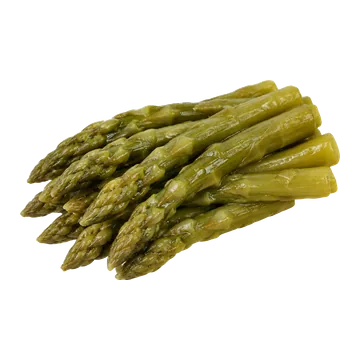 Asparagus, cooked
Nothing to watch: under the limit for a 85 g serving
More than anyone eatsNo realistic amount reaches the limit.152 µg per 85 g servingHealth Canada Total Diet Study, trace elements · grade A ?
How it’s rated
The counted figure is 39,000 g a week, about 66 servings a day.
No cap: EFSA's tolerable weekly intake for aluminium is 1 mg/kg body weight/week, 70,000 µg/week for 70 kg. At 1,790 µg/kg in cooked asparagus (Health Canada Total Diet Study, 11 composites, lower bound), about 39,106 g a week eaten alone would reach it; an 85 g serving carries 152 µg. Other sources of aluminium are not counted.
Intake: one 85 g serving a day, 70 kg adult · Level in the food: 1,790 µg/kg (mean (equal-weight of single-year composites), n = 11)
Measured on: Health Canada Total Diet Study trace elements, TDS food GG23 'Asparagus (Cooked asparagus)', as consumed, Canada; 11 single-year composites (2005-2012, 2016, 2017, 2018); non-detects stored as 0 (none occurred), so a lower bound
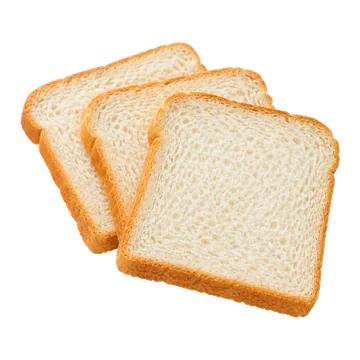 White bread
Nothing to watch: under the limit for a 75 g serving
More than anyone eatsNo realistic amount reaches the limit.128 µg per 75 g servingHealth Canada Total Diet Study, trace elements · grade A ?
How it’s rated
The counted figure is 41,000 g a week, about 78 servings a day.
No cap: EFSA's tolerable weekly intake for aluminium is 1 mg/kg body weight/week (2008), 70,000 µg a week for 70 kg. About 40,893 g of white bread in a week would reach it, eaten alone. One 75 g serving is 0.18% of the weekly limit and seven daily servings are 1.3% of it; they add 0.9-6.4% to the adult weekly mean (0.2-1.5 mg/kg body weight/week, 14-105 mg/week), well under doubling it.
Intake: one 75 g reference serving a day (Health Canada TRA A.1), 70 kg adult · Level in the food: 1,711.765 ng/g (mean, n = 17)
Measured on: food-specific: Health Canada Total Diet Study FF01 'Bread, white', 17 composites, 1999-2012 and 2016-2018, Canada, as consumed
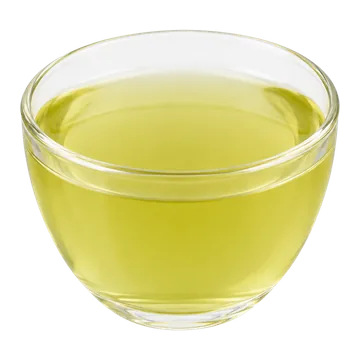 Green tea, brewed
Nothing to watch: under the limit for a 250 g serving
More than anyone eatsNo realistic amount reaches the limit.0.422 mg per 250 g servingPavlovic 2023 · grade A ?
How it’s rated
The counted figure is 41,000 g a week, about 24 servings a day.
No cap: EFSA's tolerable weekly intake for aluminium is 1 mg/kg body weight/week, 70,000 µg/week for 70 kg. Loose-leaf green tea averages 1.689 mg/L (9 products, ultrapure water), so about 41,445 g a week (23.7 cups a day), eaten alone, would reach it, and 18,717 g for the strongest product (3.74 mg/L). A daily cup is 3.0 mg a week, 4.2% of the limit, and adds 2.8% on the high average to 21.1% on the low average of adult intake (EFSA 2008, about 0.2–1.5 mg/kg body weight/week; shown, not subtracted).
Intake: one 250 mL (250 g) cup a day, 70 kg adult · Level in the food: 1.689 mg/L (mean of 9 loose leaf green products, n = 9)
Measured on: Pavlovic 2023, 35 commercial teas bought in Slovenia in 2022 (filter bags in shops, loose teas in teahouses); green loose-leaf teas (GL1-GL9), n = 9 products, each infused 1 g in 100 mL boiling ultrapure water for 5 min (a filter bag even for loose leaf), 2-3 replicate measurements per product; mean of the per-product means, computed here from Table 2. mg/L taken equal to µg/g at 1.00 g/mL.
1 other measurement of this food
- Slovenia 2022, 5 filter-bag green teas
Nothing to watch: under the limit
12,000greaches the limit in a weekCounted from zero: this food eaten alone.1.512 mg per 250 g servingPavlovic 2023 · grade A ?
How it’s rated
No cap: EFSA's tolerable weekly intake for aluminium is 1 mg/kg body weight/week, 70,000 µg/week for 70 kg. Green filter-bag tea averages 6.048 mg/L (5 products, ultrapure water), so about 11,574 g a week (6.6 cups a day), eaten alone, would reach it, and 9,358 g for the strongest product (7.48 mg/L). A daily cup is 10.6 mg a week, 15.1% of the limit, and adds 10.1% on the high average to 75.6% on the low average of adult intake (EFSA 2008, about 0.2–1.5 mg/kg body weight/week; shown, not subtracted).
Intake: one 250 mL (250 g) cup a day, 70 kg adult · Level in the food: 6.048 mg/L (mean of 5 filter bag green products, n = 5)
Measured on: Pavlovic 2023, 35 commercial teas bought in Slovenia in 2022 (filter bags in shops, loose teas in teahouses); green filter-bag teas (GF1-GF5), n = 5 products, each infused 1 g in 100 mL boiling ultrapure water for 5 min (a filter bag even for loose leaf), 2-3 replicate measurements per product; mean of the per-product means, computed here from Table 2. mg/L taken equal to µg/g at 1.00 g/mL.
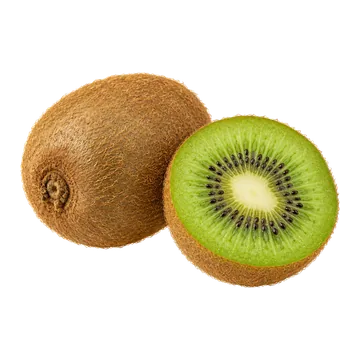 Kiwi, raw
Nothing to watch: under the limit for a 140 g serving
More than anyone eatsNo realistic amount reaches the limit.231.6 µg per 140 g servingHealth Canada Total Diet Study, trace elements · grade A ?
How it’s rated
The counted figure is 42,000 g a week, about 43 servings a day.
No cap: EFSA's tolerable weekly intake (TWI) for aluminium is 1 mg/kg body weight/week, 70,000 µg a week for 70 kg. Eaten alone, about 42,322 g a week would reach it. A serving carries 231.6 µg. The level is unusually high for a fruit, with a very wide spread between composites. Background intake is not subtracted.
Intake: one 140 g serving a day, 70 kg adult · Level in the food: 1,654 ng/g (mean (equal-weight), n = 13)
Measured on: Health Canada Canadian Total Diet Study, trace elements, TDS food HH20 'Kiwi fruit (Fresh, raw kiwi)', composites 2000-2012 (13 composites, 1 non-detect), as consumed.
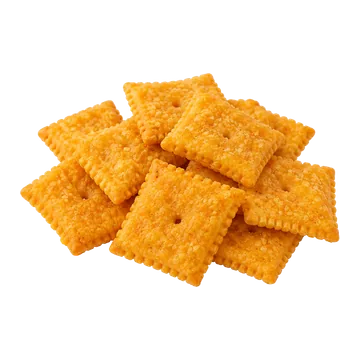 Crackers
Nothing to watch: under the limit for a 30 g serving
More than anyone eatsNo realistic amount reaches the limit.37.3 µg per 30 g servingHealth Canada Total Diet Study, trace elements · grade A ?
How it’s rated
The counted figure is 56,000 g a week, about 268 servings a day.
No cap: EFSA's tolerable weekly intake for aluminium is 1 mg/kg body weight/week (70,000 µg a week for 70 kg). A 30 g serving carries 37 µg, 0.05% of it; seven daily servings are 0.4% of it and add 0.2-1.9% to the adult weekly mean. About 56,281 g in a week would reach the limit, eaten alone.
Intake: one 30 g reference serving a day (Health Canada TRA A.12), 70 kg adult · Level in the food: 1,243.765 ng/g (mean, n = 17)
Measured on: food-specific: Health Canada Total Diet Study FF10 'Crackers (soda crackers)', 17 composites, 1999-2012 and 2016-2018, Canada, as consumed
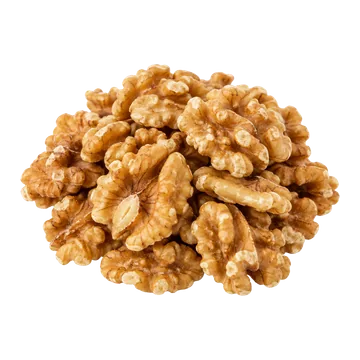 Walnuts, raw
Nothing to watch: under the limit for a 30 g serving
More than anyone eatsNo realistic amount reaches the limit.36.9 µg per 30 g servingCFIA chemical residue monitoring (2016–2023) · grade A ?
How it’s rated
The counted figure is 57,000 g a week, about 271 servings a day.
No cap: EFSA's tolerable weekly intake (TWI) for aluminium is 1 mg/kg body weight/week, 70,000 µg a week for 70 kg. Eaten alone, about 56,900 g of walnuts a week would reach it, using the highest of four annual CFIA means (1.23 ppm, range 0.571-1.23; 27 imported samples, all positive). A 30 g serving a day is 258 µg a week, 0.4% of the TWI.
Intake: 30 g shelled serving (HC TRA O.1) · Level in the food: 1.23 ppm (highest annual mean of 4 years (range 0.571-1.23 ppm; every sample positive, so plain means); max 3.69 ppm, n = 27)
Measured on: CFIA NCRMP annex B6 (imports) 2017-18 to 2020-21, commodity 'Nut - Walnut', 27 samples, 27 positive, 0 violations; Canada (imports); the annex states no detection limit (detection limit)
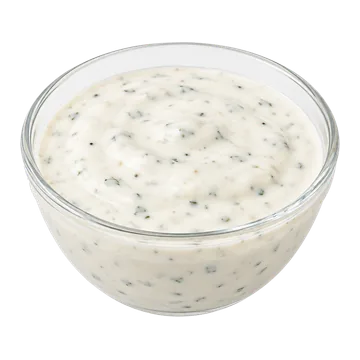 Ranch dressing
Nothing to watch: under the limit for a 30.4 g serving
More than anyone eatsNo realistic amount reaches the limit.36.1 µg per 30.4 g servingHow it’s rated
The counted figure is 59,000 g a week, about 277 servings a day.
No cap: EFSA's tolerable weekly intake for aluminium is 1 mg/kg body weight/week (2008), 70 mg a week for a 70 kg adult. Seven daily servings carry 253 µg, 0.36% of it, and about 58,968 g of dressing in a week would reach it, eaten alone. No adult average intake is recorded here, so only the servings' share of the limit is shown.
Intake: one 30.4 g (30 mL) serving a day, 70 kg adult · Level in the food: 1,187.1 ng/g (mean (equal-weight of composites; two sets pooled by n), n = 8)
Measured on: Health Canada Total Diet Study, food II07 'Salad Dressing', as consumed: 5 composites 2008-2012 (1,324 ng/g) and 3 composites 2016-2018 (958.9), no non-detects, pooled by n. Aluminium is 14 times the mayonnaise item (84-133 ng/g).
 Cherries, raw
Nothing to watch: under the limit for a 140 g serving
More than anyone eatsNo realistic amount reaches the limit.134.997 µg per 140 g servingCFIA chemical residue monitoring (2016–2023) · grade B ?
How it’s rated
The counted figure is 73,000 g a week, about 74 servings a day.
No cap: EFSA's tolerable weekly intake for aluminium is 1 mg/kg body weight/week, 70,000 µg/week for 70 kg. At a lower-bound mean of 0.964 µg/g (CFIA, 108 samples), about 72,594 g of cherries a week eaten alone would reach it, an upper bound because the concentration is a lower bound; a 140 g serving carries 135 µg.
Intake: one 140 g serving a day (HC TRA J.1), 70 kg adult · Level in the food: 0.964 µg/g (lower-bound mean over all n, n = 108)
Measured on: CFIA NCRMP annexes B1 (domestic) and B2 (import), fresh cherry commodity 'Cherry', 2016-17 to 2022-23, Canada; n 108 and positives 98 pooled by the script; lower-bound mean over all n (non-detects as 0); targeted inspection, not a random survey
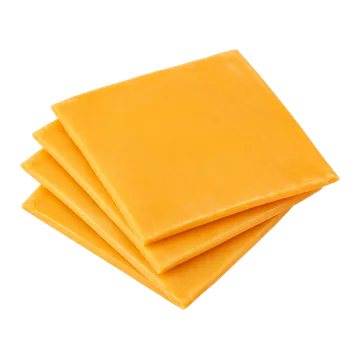 Processed cheese slices
Nothing to watch: under the limit for a 30 g serving
More than anyone eatsNo realistic amount reaches the limit.28.606 µg per 30 g servingHealth Canada Total Diet Study, trace elements · grade A ?
How it’s rated
The counted figure is 73,000 g a week, about 350 servings a day.
No cap: EFSA's tolerable weekly intake for aluminium is 1 mg/kg body weight/week, 70,000 µg a week for 70 kg. Eaten alone, about 73,411 g (73 kg) of this cheese a week would reach it. A 30 g serving carries 28.61 µg, 0.041% of the weekly limit.
Intake: one 30 g serving, 70 kg adult · Level in the food: 953.53 µg/kg (mean (equal-weight, 17 composites, two era rows combined), n = 17)
Measured on: Health Canada TDS trace elements, TDS food AA11 Cheese, processed, as consumed: 2000-2012: n = 13, 0 non-detects, mean 992 ng/g; 1999 and 2016-2018: n = 4, 0 non-detects, mean 828.5 ng/g
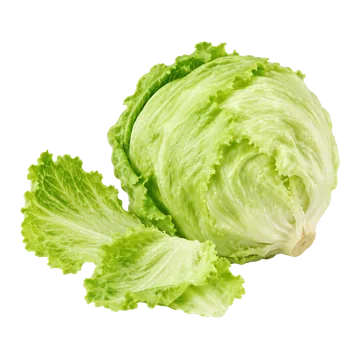 Iceberg lettuce, raw
Nothing to watch: under the limit for a 85 g serving
More than anyone eatsNo realistic amount reaches the limit.79.6 µg (85 g × 0.936 µg/g) per 85 g servingCFIA chemical residue monitoring (2016–2023) · grade B ?
How it’s rated
The counted figure is 75,000 g a week, about 126 servings a day.
No cap: EFSA's 2008 tolerable weekly intake for aluminium is 1 mg/kg body weight/week, 70,000 µg/week for 70 kg. The CFIA lower-bound mean for imported head lettuce is 0.936 µg/g (158 samples, 138 positive), so about 74,800 g a week, eaten alone, would reach it; a daily serving (595 g a week) is 0.8% of the limit.
Intake: one 85 g serving a day, 70 kg adult · Level in the food: 0.936 µg/g (lower-bound mean over all n (138 of 158 positive; max 12.1 ppm); units ppm = µg/g, n = 158)
Measured on: CFIA NCRMP annex B2 (imports), 'Lettuce - head', fresh, 2017-18 to 2022-23. Pooled as an n-weighted mean of the annex rows' lower-bound means over all n, 4 import lines (2017-18+2018-19 n 102; 2019-20+2020-21 n 26; 2021-22 n 17; 2022-23 n 13) = n 158; domestic n 41 (4 lines). Years pooled: 2017-18 to 2022-23, no single-year composite mixed with a multi-year one without n weighting.
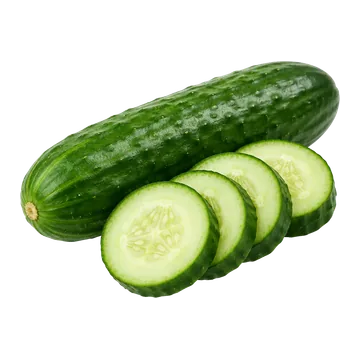 Cucumber, raw
Nothing to watch: under the limit for a 85 g serving
More than anyone eatsNo realistic amount reaches the limit.77.31 µg per 85 g servingHealth Canada Total Diet Study, trace elements · grade B ?
How it’s rated
The counted figure is 77,000 g a week, about 129 servings a day.
No cap: EFSA's 2008 tolerable weekly intake for aluminium is 1 mg/kg body weight/week, 70,000 µg a week for 70 kg. Eaten alone, about 76,967 g a week would reach it, on a lower-bound Health Canada mean of 0.9095 µg/g. That composite covers fresh and pickled cucumbers.
Intake: one serving a day, 70 kg adult · Level in the food: 909.5 ng/g (mean (equal-weight of composites; pooled by n), n = 17)
Measured on: Health Canada TDS, GG10 'Cucumbers (Fresh and pickled)': 13 composites 2000-2012 (472.7 ng/g) and 4 (2,329 ng/g, 1999-2018 set), as consumed, no non-detects.
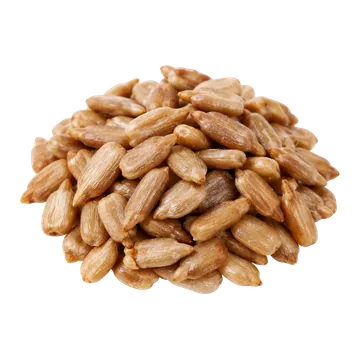 Sunflower seeds, dry-roasted
Nothing to watch: under the limit for a 30 g serving
More than anyone eatsNo realistic amount reaches the limit.27 µg per 30 g servingHealth Canada Total Diet Study, trace elements · grade A ?
How it’s rated
The counted figure is 78,000 g a week, about 371 servings a day.
No cap: EFSA's tolerable weekly intake for aluminium is 1 mg/kg body weight/week, 70,000 µg a week at 70 kg. At 0.8985 µg/g (15 yearly composites), about 77,908 g in a week, eaten alone, would reach it. A 30 g serving every day adds 189 µg a week, 0.3% of the limit; even the pooled 1993-99 value (4.489 µg/g) would give 1.3%.
Intake: 30 g shelled serving (HC TRA O.1) · Level in the food: 898.5 ng/g (mean of 15 annual TDS composites (2000-2004, 2006-2012, 2016-2018), nondetects as zero; 1 of 15 below the detection limit; composite range 0-2,532 ng/g, n = 15)
Measured on: Health Canada Total Diet Study, TDS food JJ11 "Seeds, shelled (Sunflower seeds)", as consumed, single-year composites; Canada. The 1993-99 pooled composite (4,489 ng/g, one record) is not averaged in
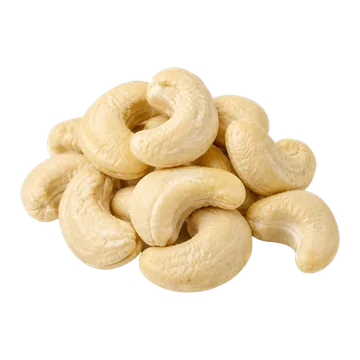 Cashews, raw
Nothing to watch: under the limit for a 30 g serving
More than anyone eatsNo realistic amount reaches the limit.25.8 µg per 30 g servingCFIA chemical residue monitoring (2016–2023) · grade A ?
How it’s rated
The counted figure is 81,000 g a week, about 388 servings a day.
No cap: EFSA's tolerable weekly intake for aluminium is 1 mg/kg body weight/week, 70,000 µg a week at 70 kg. Eaten alone, about 81,500 g of cashews a week would reach it. A 30 g serving a day comes to 181 µg a week, 0.3% of the limit.
Intake: 30 g shelled serving (HC TRA O.1) · Level in the food: 0.859 ppm (highest annual mean of 3 years (range 0.466-0.859 ppm; every sample positive); max 1.61 ppm, n = 14)
Measured on: CFIA NCRMP annex B6 (imports) 2017-18 to 2019-20, 'Nut - Cashew', 14 samples, 14 positive, 0 violations; the annex states no detection limit (detection limit)
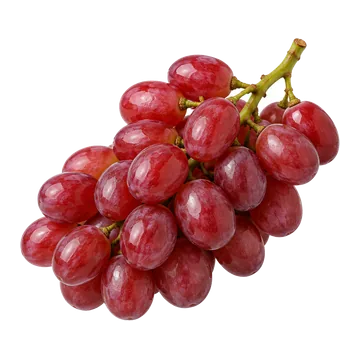 Grapes, raw
Nothing to watch: under the limit for a 140 g serving
More than anyone eatsNo realistic amount reaches the limit.114.7 µg per 140 g servingHealth Canada Total Diet Study, trace elements · grade A ?
How it’s rated
The counted figure is 85,000 g a week, about 87 servings a day.
No cap: EFSA's 2008 tolerable weekly intake (TWI) for aluminium is 1 mg/kg body weight/week, 70,000 µg a week for 70 kg. Eaten alone, about 85,400 g a week would reach it; seven daily servings would be 1.1% of the weekly limit. A 140 g serving carries 114.7 µg. Background intake is not shown.
Intake: one 140 g serving a day, 70 kg adult · Level in the food: 819.5 µg/kg (mean, n = 17)
Measured on: Health Canada TDS HH11 grapes, aluminium: 13 composites 2000-2012 mean 777 ng/g and 4 composites 1999-2018 mean 957.8 ng/g, pooled by sample count; none non-detect; as consumed.
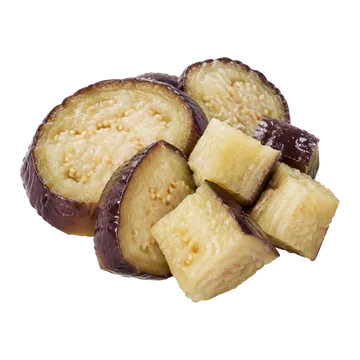 Eggplant, cooked
Nothing to watch: under the limit for a 85 g serving
More than anyone eatsNo realistic amount reaches the limit.65.31 µg (raw basis) per 85 g servingCFIA chemical residue monitoring (2016–2023) · grade B ?
How it’s rated
The counted figure is 91,000 g a week, about 153 servings a day.
No cap: EFSA's 2008 tolerable weekly intake is 1 mg/kg body weight/week, 70,000 µg/week for 70 kg. At 0.7683 µg/g (CFIA lower-bound mean, 124 samples), about 91,108 g of eggplant a week, eaten alone, would reach it; one 85 g serving carries 65.31 µg. The concentration is for raw eggplant, and no boiled figure exists.
Intake: one 85 g serving a day (HC TRA V.1), 70 kg adult · Level in the food: 768.3 µg/kg (lower-bound mean over all n, pooled by n (6 annex sets), n = 124)
Measured on: CFIA National Chemical Residue Monitoring Program metals, RAW fresh eggplant (commodity "Eggplant"), Annex B1 domestic and B2 import pooled by n over 6 annex sets: 2016-17 to 2018-19 [ppm], 2019-20 to 2021-22 [ppm], 2022-23 [µg/g]; Canada. Statistic: lower-bound mean over all n (non-detects as 0), recomputed from each set's n x lower bound mean. RAW BASIS: not a boiled-eggplant figure; no cooked-basis metals source exists (no TDS code, not in FDA TDS FY2018-20).
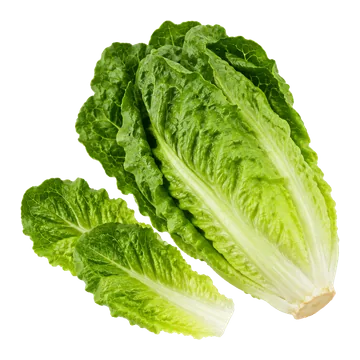 Romaine lettuce, raw
Nothing to watch: under the limit for a 85 g serving
More than anyone eatsNo realistic amount reaches the limit.63.3 µg per 85 g servingHow it’s rated
The counted figure is 94,000 g a week, about 158 servings a day.
No cap: a serving carries 63 µg of aluminium, far under EFSA's tolerable weekly intake of 1 mg/kg body weight/week (2008), which is 70,000 µg for a 70 kg adult. About 93,937 g of lettuce a week would reach it, eaten alone. The Health Canada Total Diet Study mean is 745.2 ng/g.
Intake: one 85 g serving a day (Health Canada TRA V.1), 70 kg adult · Level in the food: 745.2 ng/g (mean (equal-weight of composites; pooled by n), n = 17)
Measured on: Health Canada Total Diet Study, food GG11 'Lettuce (Iceburg and romaine)', as consumed: 13 composites 2000-2012 (807.2 ng/g) and 4 composites 1999/2016-2018 (543.5), no non-detects.
- Pies
Nothing to watch: under the limit for a 110 g serving
More than anyone eatsNo realistic amount reaches the limit.75.9 µg per 110 g servingHealth Canada Total Diet Study, trace elements · grade A ?
How it’s rated
The counted figure is 100,000 g a week, about 132 servings a day.
No cap: EFSA's tolerable weekly intake for aluminium is 1 mg/kg body weight/week (2008), 70,000 µg a week for 70 kg. About 101,512 g a week would reach it, eaten alone. One 110 g serving is 0.11% of the weekly limit and seven daily servings are 0.8% of it; they add 0.5-3.8% to the adult weekly mean (0.2-1.5 mg/kg body weight/week, 14-105 mg/week).
Intake: one 110 g reference serving a day (Health Canada TRA A.22), 70 kg adult · Level in the food: 689.577 ng/g (mean, n = 17)
Measured on: food-specific: Health Canada Total Diet Study FF17 'Pie, apple', 17 composites, 1999-2012 and 2016-2018, Canada, as consumed
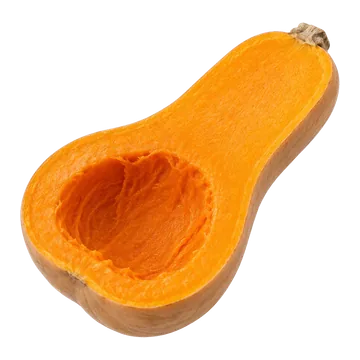 Butternut squash, baked
Nothing to watch: under the limit for a 85 g serving
More than anyone eatsNo realistic amount reaches the limit.52.2 µg (raw basis) per 85 g servingCFIA chemical residue monitoring (2016–2023) · grade B ?
How it’s rated
The counted figure is 110,000 g a week, about 191 servings a day.
No cap: EFSA's 2008 tolerable weekly intake for aluminium is 1 mg/kg body weight/week, 70,000 µg a week. At the CFIA lower-bound mean of 614.4 µg/kg (raw squash, winter and summer together, 151 samples), about 113,932 g a week, eaten alone, would reach it, and an 85 g serving carries 52.2 µg. This is a raw basis, not a baked butternut figure.
Intake: one 85 g serving a day (HC TRA V.1), 70 kg adult · Level in the food: 614.4 µg/kg (lower-bound mean over all n, pooled by n (6 annex sets), n = 151)
Measured on: CFIA National Chemical Residue Monitoring Program metals, RAW "Squash" (winter and summer NOT split), Annex B1 domestic and B2 import pooled by n over 6 annex sets: 2016-17 to 2018-19 [ppm], 2019-20 to 2021-22 [ppm], 2022-23 [µg/g]; Canada. Statistic: lower-bound mean over all n, recomputed from each set n x lower bound mean. RAW BASIS, not a baked-butternut figure.
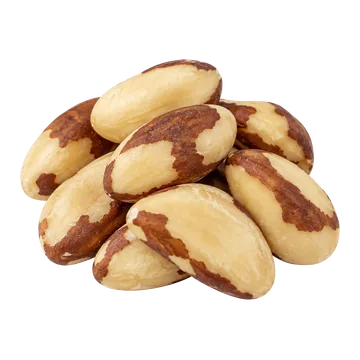 Brazil nuts, raw
Nothing to watch: under the limit for a 30 g serving
More than anyone eatsNo realistic amount reaches the limit.17.3 µg per 30 g servingCFIA chemical residue monitoring (2016–2023) · grade A ?
How it’s rated
The counted figure is 120,000 g a week, about 577 servings a day.
No cap: EFSA's tolerable weekly intake for aluminium is 1 mg/kg body weight/week, 70,000 µg a week for 70 kg. Eaten alone, about 121,000 g of Brazil nuts a week would reach it. A 30 g serving every day comes to 121 µg a week, 0.2% of the limit.
Intake: 30 g shelled serving (HC TRA O.1) · Level in the food: 0.578 ppm (highest annual mean of 3 annual lines (0.299-0.578 ppm; every sample positive); max 1.06 ppm, n = 6)
Measured on: CFIA NCRMP annex B2 (imports) 2021-22, 'Nut - Brazil Nut', 6 samples, 6 positive, 0 violations; the annex states no detection limit (detection limit)
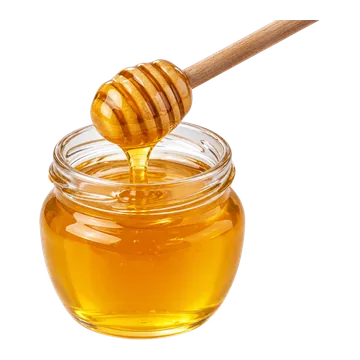 Honey
Nothing to watch: under the limit for a 20 g serving
More than anyone eatsNo realistic amount reaches the limit.10.01 µg per 20 g servingHealth Canada Total Diet Study, trace elements · grade A ?
How it’s rated
The counted figure is 140,000 g a week, about 999 servings a day.
No cap: EFSA's tolerable weekly intake (TWI) for aluminium is 1 mg/kg body weight/week, 70,000 µg a week for 70 kg. Eaten alone, about 139,900 g of honey a week would reach it. A serving carries 10.0 µg, 0.01% of the weekly limit. Background intake is not subtracted.
Intake: one 20 g serving a day (HC TRA U.8), 70 kg adult · Level in the food: 500.3 µg/kg (mean (equal-weight, 17 composites: 13 composites 2000-2012 at 482.1 and 4 composites 1999 and 2016-2018 at 559.3), n = 17)
Measured on: Health Canada Total Diet Study, TDS food JJ04 'Honey, bottled', as consumed, Canada, 1999-2018; no non-detects
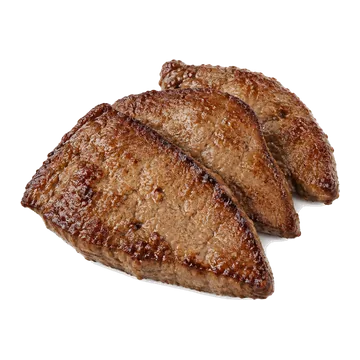 Beef liver, pan-fried
Nothing to watch: under the limit for a 100 g serving
More than anyone eatsNo realistic amount reaches the limit.49.5 µg per 100 g servingHow it’s rated
The counted figure is 140,000 g a week, about 202 servings a day.
No cap: EFSA's tolerable weekly intake for aluminium is 1 mg/kg body weight/week, 70,000 µg a week. Eaten alone, about 141,000 g of liver a week would reach it, on a lower-bound Health Canada mean of 494.8 µg/kg (17 composites). Results differ widely between sampling periods and no explanation was sought.
Intake: 100 g cooked serving · Level in the food: 494.8 ng/g (µg/kg) (mean (equal-weight, pooled n-weighted), n = 17)
Measured on: Health Canada TDS, BB10 beef or veal liver, as consumed: 367.5 ng/g (13 composites, 2 non-detects) and 908.8 ng/g (4 composites)
 Soy drink, unsweetened, fortified
Nothing to watch: under the limit for a 250 g serving
More than anyone eatsNo realistic amount reaches the limit.116 µg per 250 g servingHealth Canada Total Diet Study, trace elements · grade A ?
How it’s rated
The counted figure is 150,000 g a week, about 86 servings a day.
No cap: EFSA's 2008 tolerable weekly intake for aluminium is 1 mg/kg body weight/week, 70,000 µg a week. At 0.465 µg/g (10 yearly composites), about 150,538 g of soy drink in a week (about 150 L), eaten alone, would reach it. A 250 g serving carries 116 µg, 0.17% of the weekly limit.
Intake: one 250 mL serving (250 g) a day, 70 kg adult · Level in the food: 465 ng/g (mean (equal-weight of single-year composites), n = 10)
Measured on: Health Canada Total Diet Study, trace elements, TDS code KK07 'Soy beverage, fortified', as consumed, composites from 2006-2012 and 2016-2018 (10 single-year composites; no 1993-99 pooled composite is in this row); equal-weight mean of the composites; non-detects stored as 0 (0 non-detects for this analyte)
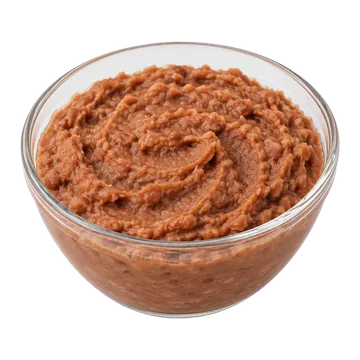 Refried beans, canned
Nothing to watch: under the limit for a 90 g serving
More than anyone eatsNo realistic amount reaches the limit.40.2 µg (90.35 g × 0.445 µg/g) per 90 g servingHealth Canada Total Diet Study, trace elements · grade B ?
How it’s rated
The counted figure is 160,000 g a week, about 249 servings a day.
No cap: EFSA's 2008 tolerable weekly intake for aluminium is 1 mg/kg body weight/week, 70,000 µg a week. At 0.445 µg/g (canned baked beans as a proxy, 12 composites from 2000-2012), about 157,300 g of refried beans a week, eaten alone, would reach it. A daily 90.35 g serving, 632 g a week, is 0.4% of the limit (0.6% at the 650.7 ng/g from the other composite set).
Intake: one 90 g serving a day, 70 kg adult · Level in the food: 445 ng/g (mean of composites (equal-weight; 12 composites 2000-2012), n = 12)
Measured on: related product: Health Canada TDS GG01 'Baked beans, canned', as consumed, composites 2000-2012 (the pack's 1999-2018 set, n 4, gives 650.7 ng/g)
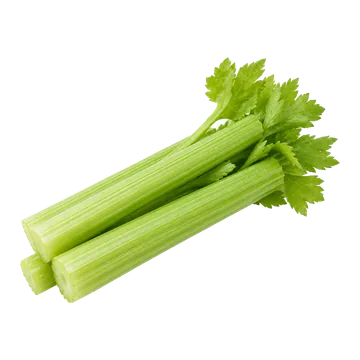 Celery, raw
Nothing to watch: under the limit for a 85 g serving
More than anyone eatsNo realistic amount reaches the limit.31.5 µg per 85 g servingHealth Canada Total Diet Study, trace elements · grade A ?
How it’s rated
The counted figure is 190,000 g a week, about 317 servings a day.
No cap: EFSA's tolerable weekly intake for aluminium is 1 mg/kg body weight/week, 70,000 µg a week for 70 kg. Eaten alone, about 188,724 g a week would reach it, on a Health Canada mean of 370.9 µg/kg.
Intake: one 85 g serving a day, 70 kg adult · Level in the food: 370.9 µg/kg (mean (equal-weight, two sets pooled by n), n = 17)
Measured on: Health Canada TDS GG08 celery, as consumed: 2000-2012 n 13 and 1999-2018 set n 4 (0 non-detects)
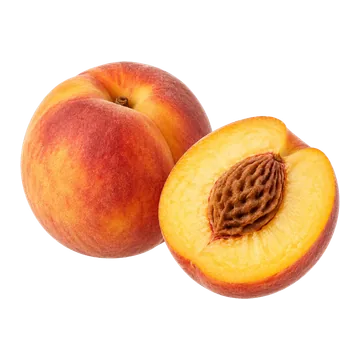 Peaches, raw
Nothing to watch: under the limit for a 140 g serving
More than anyone eatsNo realistic amount reaches the limit.49.994 µg per 140 g servingHealth Canada Total Diet Study, trace elements · grade A ?
How it’s rated
The counted figure is 200,000 g a week, about 200 servings a day.
No cap: EFSA's tolerable weekly intake for aluminium is 1 mg/kg body weight/week, 70,000 µg/week for 70 kg. Health Canada's Total Diet Study mean is 0.3571 µg/g (16 composites, 2 non-detects stored as zero), so about 196,024 g a week, eaten alone, would reach it; one 140 g serving carries about 50 µg. CFIA fresh peach is about 6 times higher (2.29 µg/g, 217 samples), which would give 30,592 g a week; the gap is unexplained.
Intake: one 140 g serving a day (HC TRA J.1), 70 kg adult · Level in the food: 357.1 ng/g (mean of 16 single-year composites (equal weight), n = 16)
Measured on: Health Canada Total Diet Study, food code HH13 "Peaches" (the pack gives no fresh/canned qualifier), As consumed, composites of 2000-2012 and 2016-2018 (16 single-year composites), Canada; equal-weight mean; non-detects stored as 0; the 1993-99 pooled composite is a separate row and is not averaged in
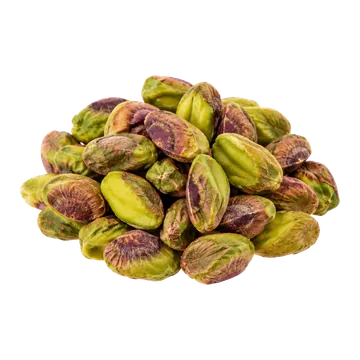 Pistachios, dry-roasted
Nothing to watch: under the limit for a 30 g serving
More than anyone eatsNo realistic amount reaches the limit.10.3 µg per 30 g servingCFIA chemical residue monitoring (2016–2023) · grade A ?
How it’s rated
The counted figure is 200,000 g a week, about 972 servings a day.
No cap: EFSA's tolerable weekly intake for aluminium is 1 mg/kg body weight/week, 70,000 µg a week at 70 kg. At the CFIA mean of 0.343 ppm (3 samples, all positive), about 204,082 g of pistachios in a week, eaten alone, would reach it. A 30 g serving every day adds 72 µg a week, 0.10% of the limit.
Intake: 30 g shelled serving (HC TRA O.1) · Level in the food: 0.343 ppm (pooled mean of positives over 3 annual rows (annual means 0.126-0.613; every sample positive); max 0.613 ppm, n = 3)
Measured on: CFIA NCRMP annex B6 (FSO) 2016-17 to 2018-19, 'Nut - Pistachio', 3 samples, 3 positive, 0 violations; the annex states no detection limit (detection limit)
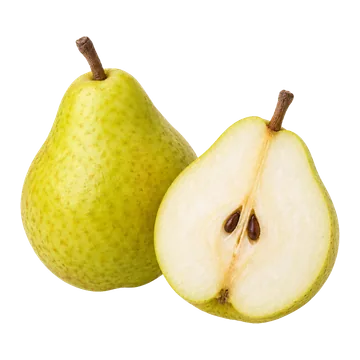 Pears, raw
Nothing to watch: under the limit for a 140 g serving
More than anyone eatsNo realistic amount reaches the limit.33.645 µg per 140 g servingHealth Canada Total Diet Study, trace elements · grade A ?
How it’s rated
The counted figure is 290,000 g a week, about 297 servings a day.
No cap: EFSA's tolerable weekly intake for aluminium is 1 mg/kg body weight/week, 70,000 µg/week for 70 kg. Health Canada's Total Diet Study mean is 0.240319 µg/g (16 composites, non-detects stored as zero), so about 291,280 g a week, eaten alone, would reach it; one 140 g serving carries 33.6 µg. CFIA fresh pear is 1.7 times higher (0.399 µg/g, 353 samples).
Intake: one 140 g serving a day (HC TRA J.1), 70 kg adult · Level in the food: 240.32 ng/g (mean of single-year composites, n-weighted over two sets (239.7 n 13; 243 n 3), n = 16)
Measured on: Health Canada Total Diet Study, food code HH14 Pears (set 1 "Fresh, raw pears" 2000-2012, set 2 "Fresh, raw" 2016-2018), As consumed, Canada; the two single-year sets are combined here by composite count (n-weighted); non-detects stored as 0; the 1993-99 pooled composite is a separate row and is not averaged in
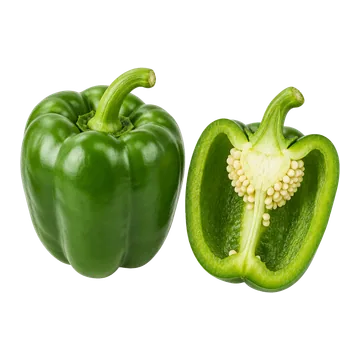 Green pepper, raw
Nothing to watch: under the limit for a 85 g serving
More than anyone eatsNo realistic amount reaches the limit.19.1 µg per 85 g servingHow it’s rated
The counted figure is 310,000 g a week, about 523 servings a day.
No cap: a serving carries 19 µg of aluminium, far under EFSA's tolerable weekly intake of 1 mg/kg body weight/week (2008), which is 70,000 µg for a 70 kg adult. About 311,166 g a week of green pepper would reach it, eaten alone. The Health Canada Total Diet Study mean is 224.96 ng/g.
Intake: one 85 g serving a day (Health Canada TRA V.1), 70 kg adult · Level in the food: 224.96 ng/g (mean (equal-weight of composites; pooled by n), n = 17)
Measured on: Health Canada Total Diet Study, food GG15 'Peppers (Raw, green pepper)', as consumed: 13 composites 2000-2012 (169.5 ng/g) and 4 composites 1999/2016-2018 (405.2), no non-detects.
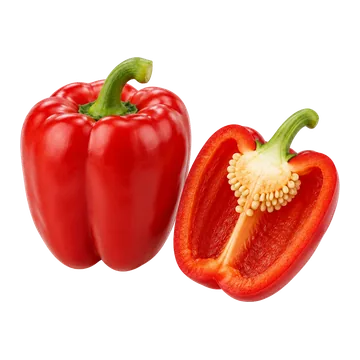 Red pepper, raw
Nothing to watch: under the limit for a 85 g serving
More than anyone eatsNo realistic amount reaches the limit.19.1 µg per 85 g servingHow it’s rated
The counted figure is 310,000 g a week, about 523 servings a day.
No cap: a serving carries 19 µg of aluminium, far under EFSA's tolerable weekly intake of 1 mg/kg body weight/week (2008), which is 70,000 µg for a 70 kg adult. About 311,166 g a week of green pepper would reach it, eaten alone. The Health Canada Total Diet Study mean is 224.96 ng/g.
Intake: one 85 g serving a day (Health Canada TRA V.1), 70 kg adult · Level in the food: 224.96 ng/g (mean (equal-weight of composites; pooled by n), n = 17)
Measured on: Health Canada Total Diet Study, food GG15 'Peppers (Raw, green pepper)', as consumed: 13 composites 2000-2012 (169.5 ng/g) and 4 composites 1999/2016-2018 (405.2), no non-detects.
 Coffee, brewed
Nothing to watch: under the limit for a 250 g serving
More than anyone eatsNo realistic amount reaches the limit.44.2 µg per 250 g servingHealth Canada Total Diet Study, trace elements · grade A ?
How it’s rated
The counted figure is 400,000 g a week, about 227 servings a day.
No cap: EFSA's tolerable weekly intake for aluminium is 1 mg/kg body weight/week, 70 mg a week for a 70 kg adult. Eaten alone, about 396,600 g a week would reach it (1,197,000 g on the recent mean of 58.5 µg/kg). A cup a day is 0.31 mg a week, 0.44% of the limit, and adds 0.3% to 2.2% to the average adult's intake of 14-105 mg a week (EFSA 2008: 0.2-1.5 mg/kg body weight/week). The mean counts a 1999 record that is a multi-year average; without it the figure is 401,560 g a week.
Intake: one 250 mL cup (250.25 g) a day, 70 kg adult · Level in the food: 176.483 µg/kg (mean (equal-weight, 17 composites incl. 1999 record), n = 17)
Measured on: Health Canada TDS KK04 coffee, as consumed; 2 non-detects (detection limit (detection limit) 56, 155) stored as 0
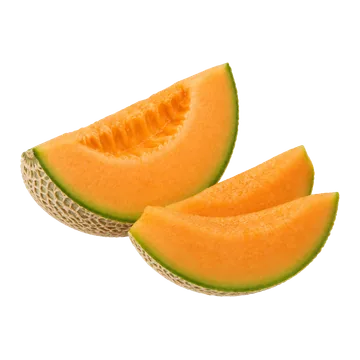 Cantaloupe, raw
Nothing to watch: under the limit for a 150 g serving
More than anyone eatsNo realistic amount reaches the limit.18.94 µg per 150 g servingHealth Canada Total Diet Study, trace elements · grade B ?
How it’s rated
The counted figure is 550,000 g a week, about 528 servings a day.
No cap: EFSA's 2008 tolerable weekly intake for aluminium is 1 mg/kg body weight/week, 70,000 µg a week for 70 kg. Eaten alone, about 554,319 g a week would reach it, on a lower-bound mean of 0.1263 µg/g (Health Canada, cantaloupe and watermelon composites).
Intake: one serving a day, 70 kg adult · Level in the food: 126.3 ng/g (mean (equal-weight of composites; pooled by n), n = 17)
Measured on: Health Canada TDS, HH12 Melons (cantaloupe and watermelon): 13 composites 2000-2012 (99.26 ng/g, 1 non-detect) and 4 (214.1 ng/g), as consumed.
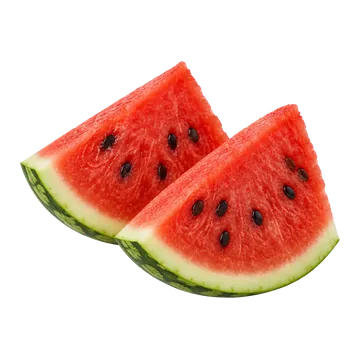 Watermelon, raw
Nothing to watch: under the limit for a 150 g serving
More than anyone eatsNo realistic amount reaches the limit.18.94 µg per 150 g servingHealth Canada Total Diet Study, trace elements · grade B ?
How it’s rated
The counted figure is 550,000 g a week, about 528 servings a day.
No cap: EFSA's 2008 tolerable weekly intake (TWI) for aluminium is 1 mg/kg body weight/week, 70,000 µg a week for 70 kg. Eaten alone, about 554,319 g a week would reach it, on the lower-bound mean of 0.1263 µg/g in Health Canada's cantaloupe-and-watermelon composite (17 composites). A serving carries 18.94 µg.
Intake: one serving a day, 70 kg adult · Level in the food: 126.3 ng/g (mean (equal-weight of composites; pooled by n), n = 17)
Measured on: Health Canada TDS, HH12 Melons (cantaloupe and watermelon) composite: 13 composites 2000-2012 (99.26 ng/g, 1 non-detect) and 4 (214.1 ng/g), as consumed.
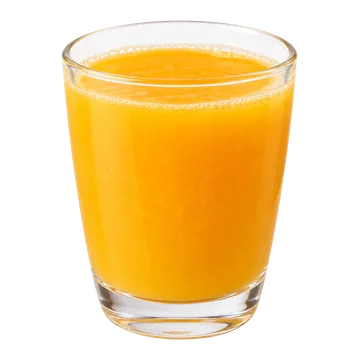 Orange juice
Nothing to watch: under the limit for a 262 g serving
More than anyone eatsNo realistic amount reaches the limit.31.08 µg per 262 g servingHow it’s rated
The counted figure is 590,000 g a week, about 322 servings a day.
No cap: EFSA's tolerable weekly intake (TWI) for aluminium is 1 mg/kg body weight/week, 70,000 µg a week for 70 kg. Eaten alone, about 590,044 g a week would reach it; a serving carries 31.08 µg, and one daily serving is 0.31% of the daily share of the weekly limit. Background intake is not shown.
Intake: one 250 mL glass (262 g) a day, 70 kg adult · Level in the food: 118.64 µg/kg (mean (pooled by sample count), n = 17)
Measured on: Health Canada TDS HH08 Citrus juice, frozen (Orange Juice, frozen conc), as consumed: 13 composites 2000-2012 mean 103.6 ng/g (1 non-detects) plus 4 composites 1999/2016-2018 under the bilingual label mean 167.5 ng/g (0 non-detects); pooled by sample count. Juice made from frozen concentrate, reconstituted: the as-consumed basis.
 Cola
Nothing to watch: under the limit for a 391 g serving
More than anyone eatsNo realistic amount reaches the limit.38.2 µg per 391 g servingHealth Canada Total Diet Study, trace elements · grade B ?
How it’s rated
The counted figure is 720,000 g a week, about 262 servings a day.
No cap: EFSA's tolerable weekly intake for aluminium is 1 mg/kg body weight/week (2008), 70 mg a week for 70 kg. Eaten alone, about 715,916 g a week would reach it. A serving a day comes to 0.27 mg a week, 0.38% of it, and adds 0.3% to 1.9% to the average adult intake of 14-105 mg a week. EFSA notes that average intake may already exceed the tolerable weekly intake in a significant part of the European population.
Intake: one 375 mL reference amount (391.0 g at 1.0427 g/mL) a day, 70 kg adult · Level in the food: 97.78 µg/kg (mean (equal-weight, 16 composites), n = 16)
Measured on: Health Canada Total Diet Study trace elements, TDS code KK05 'Soft drinks, canned (Cola and lemon-lime (reg and diet))': ONE category composite covering regular AND diet cola and lemon-lime, so it is not cola-regular-specific (grade B). Composites 2000-2012 (n=13) and 2016-2018 (n=3), as consumed, equal-weight mean of all composites; non-detects stored as 0; canned product, so the can is a possible source (the TDS does not say)
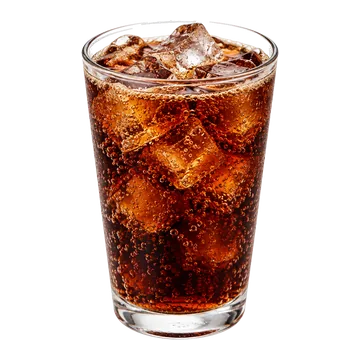 Diet cola
Nothing to watch: under the limit for a 375 g serving
More than anyone eatsNo realistic amount reaches the limit.36.7 µg per 375 g servingHealth Canada Total Diet Study, trace elements · grade B ?
How it’s rated
The counted figure is 720,000 g a week, about 273 servings a day.
No cap: EFSA's tolerable weekly intake for aluminium is 1 mg/kg body weight/week (2008), 70 mg a week for 70 kg. Eaten alone, about 715,916 g a week would reach it. A serving a day comes to 0.26 mg a week, 0.37% of it, and adds 0.2-1.8% to the average adult intake of 14-105 mg a week.
Intake: one 375 mL reference amount (375.4 g at 1.00101 g/mL) a day, 70 kg adult · Level in the food: 97.78 µg/kg (mean (equal-weight, 16 composites), n = 16)
Measured on: Health Canada Total Diet Study trace elements, TDS code KK05 'Soft drinks, canned (Cola and lemon-lime (reg and diet))': ONE category composite covering regular AND diet cola and lemon-lime, so it is not cola-regular-specific (grade B). Composites 2000-2012 (n=13) and 2016-2018 (n=3), as consumed, equal-weight mean of all composites; non-detects stored as 0; canned product, so the can is a possible source (the TDS does not say)
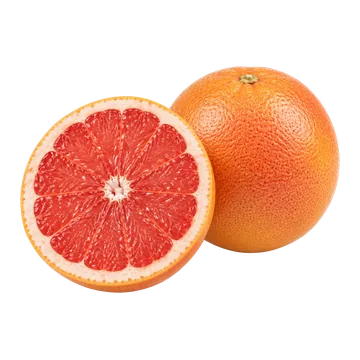 Grapefruit, raw
Nothing to watch: under the limit for a 140 g serving
More than anyone eatsNo realistic amount reaches the limit.5.58 µg per 140 g servingHow it’s rated
The counted figure is 1,800,000 g a week, about 1,792 servings a day.
No cap: EFSA's tolerable weekly intake (TWI) for aluminium is 1 mg/kg body weight/week, 70,000 µg a week for 70 kg. Eaten alone, about 1,756,147 g a week would reach it. A 140 g serving carries 5.58 µg; one daily serving is 0.06% of the daily share of the weekly limit. The Health Canada composite covers grapefruit and oranges together. Background intake is not shown.
Intake: one 140 g serving a day, 70 kg adult · Level in the food: 39.86 µg/kg (mean (pooled by sample count), n = 17)
Measured on: Health Canada TDS HH07 Citrus fruit, raw (Oranges and grapefruit), as consumed: 13 composites 2000-2012 mean 35.22 ng/g (3 non-detects) plus 4 composites 1999/2016-2018 under the bilingual label mean 54.94 ng/g (1 non-detects); pooled by sample count. The composite names grapefruit and oranges together; grapefruit alone is not separated.
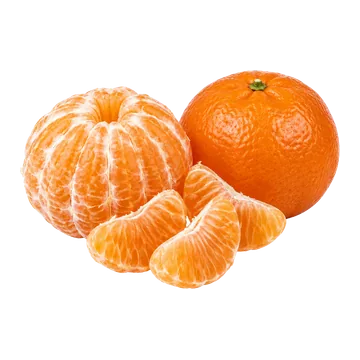 Mandarins, raw
Nothing to watch: under the limit for a 140 g serving
More than anyone eatsNo realistic amount reaches the limit.5.58 µg per 140 g servingHow it’s rated
The counted figure is 1,800,000 g a week, about 1,792 servings a day.
No cap: EFSA's tolerable weekly intake (TWI) for aluminium is 1 mg/kg body weight/week, 70,000 µg a week for 70 kg. Eaten alone, about 1,756,147 g a week would reach it; a serving carries 5.58 µg, and one daily serving is 0.06% of the daily share of the weekly limit. The Health Canada composite covers oranges and grapefruit. Background intake is not shown.
Intake: one 140 g serving a day, 70 kg adult · Level in the food: 39.86 µg/kg (mean (pooled by sample count), n = 17)
Measured on: Health Canada TDS HH07 Citrus fruit, raw (Oranges and grapefruit), as consumed: 13 composites 2000-2012 mean 35.22 ng/g (3 non-detects) plus 4 composites 1999/2016-2018 under the bilingual label mean 54.94 ng/g (1 non-detects); pooled by sample count. PROXY: no TDS food code names mandarins; HH07 is the citrus composite 'Oranges and grapefruit', used as the nearest as-consumed citrus fruit.
Sources
- Bethencourt-Barbuzano E, et al. Whey Protein Dietary Supplements: Metal Exposure Assessment and Risk Characterization. Nutrients 2023;15(16):3543 (PMC10458782) · doi:10.3390/nu15163543 · PMID 37630733
bethencourt-2023· full text read · CC BY - CFIA, Mercury and Metals in Fish Products, 2000-2021 (inspection results; compilation of raw data)
cfia-metals-fish-2000-2021· dataset · Open Government Licence – Canada 2.0 - CFIA, National Chemical Residue Monitoring Program, Annex B results summaries 2016-17 to 2022-23, Table B-1 domestic and B-2 imported (open.canada.ca datasets 95a14ca0, c87af563, a2ea8989, 9e5211c8, a5cb7c3c, 6567ac46, cf149850); positives-only means, no detection limits stated; pooled by us
cfia-ncrmp-annex-b-2016-2023· dataset · Government of Canada terms (Crown copyright) - CFIA, National Chemical Residue Monitoring Program, Annex B1 (domestic) and B2 (import) results summaries 2016-17 to 2022-23 (open.canada.ca); rows Watermelon, Melon - Cantaloupe, Cucumber, Zucchini
cfia-ncrmp-annexes-2016-2023· secondary source · Government of Canada terms (Crown copyright) - Saiyed SM, Yokel RA. Aluminium content of some foods and food products in the USA, with aluminium food additives. Food Addit Contam 2005 Mar · doi:10.1080/02652030500073584 · PMID 16019791
doi:10.1080/02652030500073584· abstract only · licence not recorded - EFSA AFC Panel (2008) Safety of aluminium from dietary intake. EFSA Journal 754; news release 'EFSA Advises on the Safety of Aluminium in Food' · doi:10.2903/j.efsa.2008.754
efsa-2008-aluminium· secondary source · EFSA - EFSA FAF Panel, Re-evaluation of aluminium sulphates (E 520-523), sodium aluminium phosphate (E 541), potassium aluminium silicate (E 555) and others as food additives, EFSA J 2018;16(7):5372 (PMC7009639) · doi:10.2903/j.efsa.2018.5372 · doi.org
efsa-2018-aluminium-sulphates· full text read · CC BY (EFSA) - Health Canada, Canadian Total Diet Study – Trace Elements (2005–2018 composites)
hc-tds-trace-elements· dataset · Open Government Licence – Canada 2.0 - Pavlovic A, Tavcar G, Ponikvar-Svet M, et al. Fluoride and Aluminium in Tea (Camellia sinensis L.)-Tea Quality Indicators and Risk Factors for Consumers. Molecules 2023;28(17):6396 · doi:10.3390/molecules28176396 · PMID 37687225
pavlovic2023· full text read · CC BY (PMC open access)