Patulin
A mould toxin in rotting apples, and in apple juice made from damaged fruit.
In the body: A mould toxin: in animal studies, high doses irritated the gut and harmed the kidneys and the immune system.
Not rated by dose: a flag on 2 reviewed foods, among them Fuji apples and Pears, raw.
Builds up over time. Agencies set an amount you can take in every week, or every day, for life. A food measured against it shows the grams that reach it.
The limit
- The agency’s figure0.4 µg/kg body weight/day
- For a 70 kg adult28 µg a day
- Basisprovisional tolerable daily intake (pTDI): what you can take in every day for life, until better evidence arrives
provisional tolerable daily intake (pTDI) (JECFA), as stated by Health Canada - Source ?Health Canada 2011
Reviewed foods that carry it
2 reviewed foods carry it; none is rated by dose.
Grams to the limit ?
No reviewed food here has a measured level yet, so none has a gram figure. The limit is shown, ready for the first measurement; each line below says what the food is flagged for.
Named above but not among the foods we review, so no line below: apple juice.
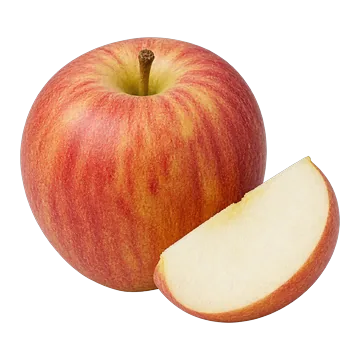 Apple (Fuji), raw
Not rated yet for a 140 g serving
No gram figure for this foodWe have no measurement of this in this food, so there is no gram figure.Health Canada, List of Contaminants and Other Adulterating Substances… · grade B ?
How it’s rated
Not rated: no measured level for sound apples has been found. Reference: JECFA provisional tolerable daily intake 0.4 µg/kg body weight/day (28 µg/day at 70 kg), as stated by Health Canada. Handling advice: in 35 mouldy apples the visibly unspoiled tissue had a median of 1.91 µg/kg and a maximum of 5,020 µg/kg, so cutting out the rot does not remove the toxin.
Intake: one 140 g serving a day, 70 kg adult
Measured on: no agency occurrence data for whole apples found; Canada limits only apple juice and unfermented cider (50 ppb)
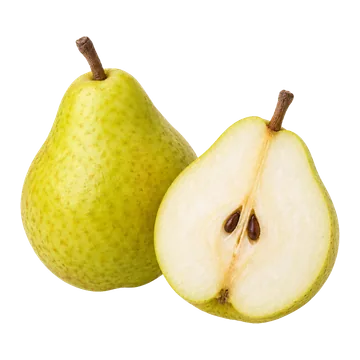 Pears, raw
Context for a 140 g serving
No gram figure for this foodShown for context, not rated by dose: “How it’s rated” says why, so there is no gram figure here.PubMed 613910 · grade C ?
How it’s rated
Shown as context, not rated: patulin comes from Penicillium decay in damaged or rotten pome fruit. The reference limit of 0.4 µg/kg body weight/day is not applied because no intact-pear concentration was found; the only data are a 1977 survey (about 120 samples) of apples and pears with brown rot, with patulin in about half. A pear with visible rot is not the food as eaten.
Intake: not applicable (context)
Measured on: Apples and pears with brown rot, 1977 survey (about 120 samples); patulin in about half
Sources
- Health Canada, List of Contaminants and Other Adulterating Substances in Foods (Part 2, item A.1: aflatoxin, nut; nut products, 15 ppb of the nut meat portion; page date 2026-07-24)
hc-contaminants-list· page · Government of Canada terms (Crown copyright; not OGL) - Health Canada, ARCHIVED - Information Document on Health Canada's Proposed Standard (Maximum Level) for the Presence of the Mycotoxin Patulin in Apple Juice and Unfermented Apple Cider (consultation closed 2011-10-04; archived page, date modified 2012-06-28; Wayback Machine capture 2021-03-23)
hc-patulin-consultation-2011· page · Government of Canada terms (Crown copyright; not OGL) - Occurrence of patulin in fruit and vegetables. Ann Nutr Aliment 1977 · PMID 613910
pmid:613910· abstract only · licence not recorded