Pesticide residues
In the body: Residues on produce are checked against legal maximums. A maximum is approved only if the residues people could eat stay under a daily amount set with a large safety margin.
Not rated by dose: a flag on 41 reviewed foods, among them Fuji apples, oranges and Green pepper, raw. The list below has a line for each of 44 preparations.
What you can do: Wash fruit and vegetables under running water, and scrub the firm ones with a clean brush: washing helps remove pesticide residues left on the surface, as well as dirt and germs.
Background. Shown, not scored: no dose basis at normal intake, a classification rather than a risk, or legal limits only.
The reference value and where it comes from
- The agency’s figureno agency dose value
- Basispesticide residues (context, not rated)
- Source ?Lecerf 2022
Reviewed foods that carry it
41 reviewed foods carry it; none is rated by dose. A food counts once, as in the foods list: preparations sharing a page (raw and cooked, canned) count once; one with its own page counts apart. Below, one line for each of 44 preparations.
How often you can eat it ?
No food here is rated by dose. Each line says why it’s listed: a flag for the people the source names, advice on handling it, or context.
Flags and context, not rated by dose
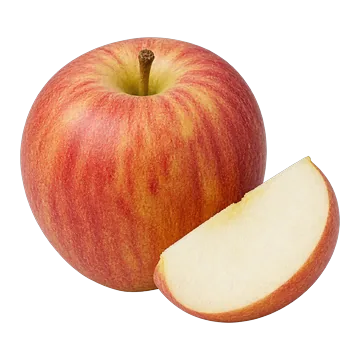 Apple (Fuji), raw
Context
Lecerf 2022 · grade B ?
How it’s rated
Context only (not rated; new hazard name). Peeled apples carried fewer residues at lower concentrations; estimated exposure 0.04 to 2.10% of the acceptable daily intake (ADI) in adults at the 95th percentile intake of 277 g per person per day.
Intake: one 140 g serving a day, 70 kg adult
Measured on: abstract only: peeled and unpeeled apples; country and residue list not in the abstract
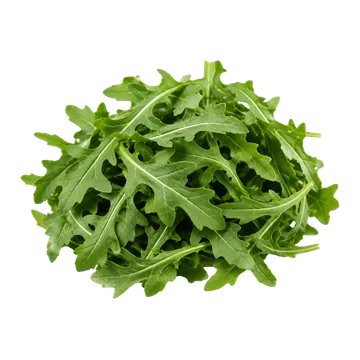 Arugula, raw
Context
CFIA chemical residue monitoring (2022–2023) · grade A ?
How it’s rated
Shown as context, not rated: no limit is applied to pesticide residues here. At least 22 of 34 CFIA samples (65%) carried a residue on the liquid-chromatography screen alone. By analyte, permethrin was found in 5 of 26 samples (all 5 above Canada's limit; maximum 4.59 ppm), cypermethrin in 4 of 26 (3 above; maximum 0.639), famoxadone in 2 of 19 (2 above; maximum 4.53) and mandipropamid in 9 of 26 (none above). A violation means above a Canadian residue limit, not a health finding; washing was not looked up.
Intake: not applicable (flag)
Measured on: CFIA annex B6 'Arugula' 'Pesticide Screen', 2016-17 to 2019-20 pooled: the pack's n 68 / 34 positive counts screens, not samples: each annex year lists two screens (PESTICIDES-F and PESTICIDES-LC) with identical n (5+5, 1+1, 4+4, 1+1, 7+7, 1+1, 15+15), so n 68 screens is 34 samples run twice; F screens 12 positive of 34, LC screens 22 positive of 34; 0 violations at screen level; analyte lines below show violations
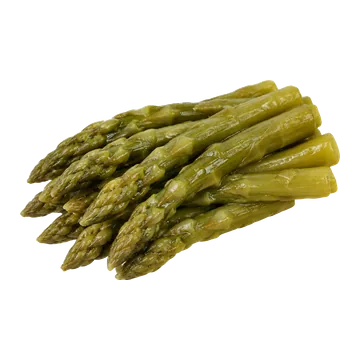 Asparagus, cooked
Context
CFIA chemical residue monitoring (2022–2023) · grade A ?
How it’s rated
Shown as context, not rated: no limit is applied to pesticide residues here. About a quarter of CFIA screens on raw spears were positive: 18 of 73 domestic and 84 of 332 imported in 2016–22, and far fewer in 2022–23 (2 of 30 domestic, 3 of 112 imported). No violations appear in the tables read; the effect of boiling was not looked up.
Intake: not applicable (flag)
Measured on: CFIA NCRMP annex summaries, 'Asparagus' (raw spears, not boiled): B1 domestic 'Pesticide Screen' n 73, 18 positive, 0 violations (2016-17 to 2021-22, 5 years) and n 30, 2 positive (2022-23); B2 imports n 332, 84 positive, 0 violations (2016-17 to 2021-22) and n 112, 3 positive (2022-23); B6 FSO n 36, 2 positive (2016-17, 2017-18); glyphosate screen domestic n 3, 0 positive
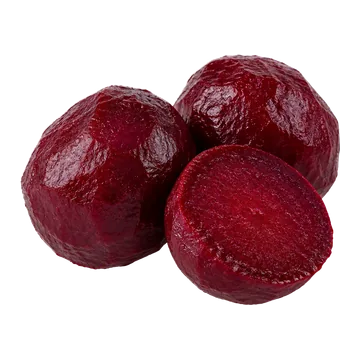 Beets, cooked
Context
CFIA chemical residue monitoring (2022–2023) · grade A ?
How it’s rated
Shown as context, not rated: no limit is applied to pesticide residues here. Residues were frequent on raw beets in the CFIA 2016–22 screens: 65 of 129 imported and 61 of 174 domestic; the 2022–23 screens found fewer (10 of 44 imported, 4 of 56 domestic). By analyte, violations of Canada's residue limits were cypermethrin 1, methoxyfenozide 2 and flutriafol 1 in imports. The effects of peeling and boiling were not looked up.
Intake: not applicable (flag)
Measured on: CFIA NCRMP annex summaries 2016-17 to 2022-23, 'Beet' (raw root, not boiled): B2 imports 'Pesticide Screen' n 129, 65 positive, 0 violations (2016-17 to 2021-22); n 44, 10 positive (2022-23); B1 domestic n 174, 61 positive, 0 violations (2016-17 to 2021-22) and n 56, 4 positive (2022-23); B6 FSO n 12, 2 positive (2017-18)
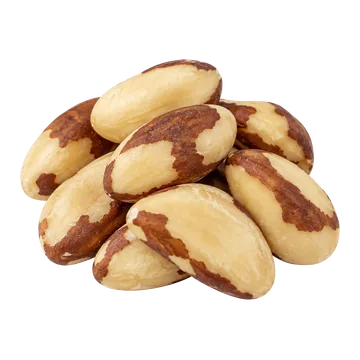 Brazil nuts, raw
Context
CFIA chemical residue monitoring (2016–2023) · grade A ?
How it’s rated
Context only (pesticide residues are not scored): one positive in 29 screens, none above a limit.
Intake: not applicable
Measured on: CFIA NCRMP pesticide screens, 'Nut - Brazil Nut': imports 2019-20 to 2020-21 n 16 (1 positive); 2021-22 n 2 (0); 2022-23 n 4 (0); glyphosate screens n 4, 1, 2 (0 positive)
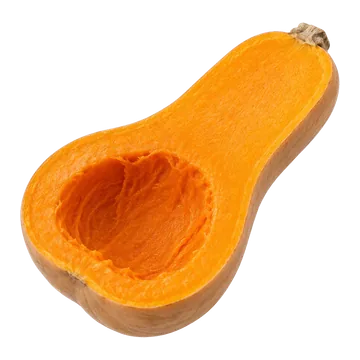 Butternut squash, baked
Context
CFIA chemical residue monitoring (2016–2023) · grade B ?
How it’s rated
Shown as context, not rated: 303 of 617 CFIA screens of raw squash (winter and summer together) had a residue, 34.9% of 232 domestic and 57.7% of 385 imported samples. The pesticide screen lines themselves show 0 violations; two pooled 2022-23 import lines show one each (dithiocarbamate, 1 of 41; acephate, 1 of 47). This is not specific to butternut.
Intake: not applicable (flag) · Level in the food: 49.1 % of CFIA-screened samples with at least one residue (domestic 34.9% of 232, import 57.7% of 385) (share of samples, n = 617)
Measured on: CFIA NCRMP pesticide screens, RAW "Squash" (winter and summer NOT split), B1 domestic (2016-17 to 2021-22 n 178 pos 74; 2022-23 n 54 pos 7) and B2 import (2016-17 to 2021-22 n 289 pos 196; 2022-23 n 96 pos 26), pooled.
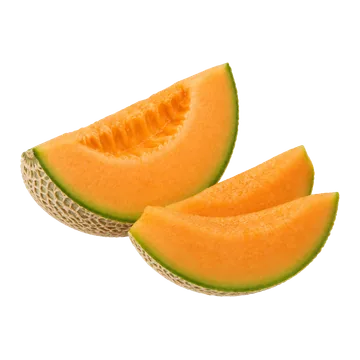 Cantaloupe, raw
Context
CFIA chemical residue monitoring (2016–2023) · grade A ?
How it’s rated
Context only, never scored. Violations in the import data: thiabendazole 13 of 224 samples (29 positives, max 2.58 ppm), ethylene diamine 5 of 133, clothianidin 2 of 220. No acceptable daily intake (ADI) arithmetic was done.
Intake: one serving a day, 70 kg adult · Level in the food: 76.2 % of CFIA-screened import samples with at least one residue (share of samples, n = 290)
Measured on: CFIA NCRMP, commodity 'Melon - Cantaloupe', import (B2) pesticide screens: 189 of 232 positive (2016-17 to 2021-22) and 32 of 58 positive (2022-23); also 7 of 18 in a B6 import set (2019-20) not counted; domestic (B1) 32 of 54 positive and 0 of 4 (2022-23).
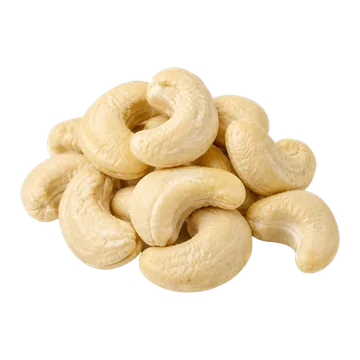 Cashews, raw
Context
CFIA chemical residue monitoring (2016–2023) · grade A ?
How it’s rated
Context only (pesticide residues are not scored). Three positives in 68 import screens, none above a limit.
Intake: not applicable
Measured on: CFIA NCRMP pesticide screens, 'Nut - Cashew': imports 2017-18 to 2019-20 n 68 (3 positive, 0 violations); 2021-22 n 10 (0); 2022-23 n 6 (0); domestic 2018-19 to 2020-21 n 4 (0); glyphosate screens negative (n 1, 5, 3)
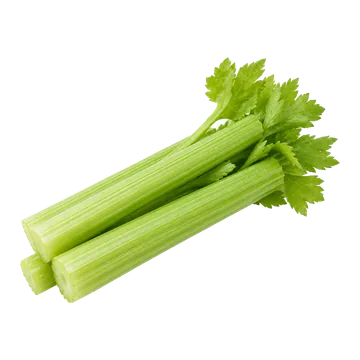 Celery, raw
Context
CFIA chemical residue monitoring (2022–2023) · grade A ?
How it’s rated
Context only, never rated. Residues are frequent on celery (most samples carry at least one), with no violation of a Canadian maximum residue limit in any table.
Intake: not applicable (flag)
Measured on: CFIA NCRMP annex summaries 2016-17 to 2022-23, celery: B2 imports 'Pesticide Screen' n 500, 440 positive, 0 violations (2016-17 to 2021-22) and n 176, 106 positive (2022-23); B1 domestic n 72, 60 positive and n 22, 13 positive
 Cherries, raw
Context
CFIA chemical residue monitoring (2016–2023) · grade A ?
How it’s rated
Shown as context, not rated: no limit is applied to pesticide residues here. 293 of 333 CFIA-screened samples (88%) carried at least one residue, the highest rate of the three tree fruits, with 0 violations on every pooled row. Cherries are eaten whole and unpeeled; the effect of washing was not looked up.
Intake: not applicable (context) · Level in the food: 88 % of samples with at least one residue detected (domestic and import pesticide screens pooled) (share of samples, n = 333)
Measured on: CFIA NCRMP annexes B1 (domestic) and B2 (import), fresh cherry, pesticide screens 2016-17 to 2022-23, Canada; n pooled by the script
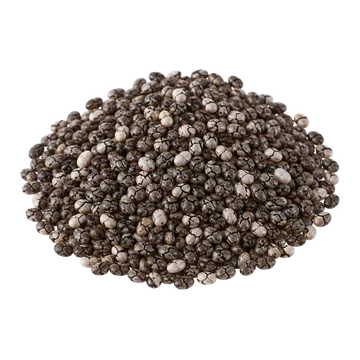 Chia seeds
Context
CFIA chemical residue monitoring (2016–2023) · grade A ?
How it’s rated
Context only (pesticide residues are not scored): 4 positives in 146 screens, none flagged as violations except the two glyphosate results above.
Intake: not applicable
Measured on: CFIA NCRMP pesticide screens, 'Seed - Chia': imports 2017-18 to 2020-21 n 96 (2 positive); 2021-22 n 26 (1); 2022-23 n 10 (0); domestic 2022-23 n 6 (0) and 2017-18 to 2020-21 n 4 (0); 'Chia Products' imports n 4 (1 positive); glyphosate lines in the row above
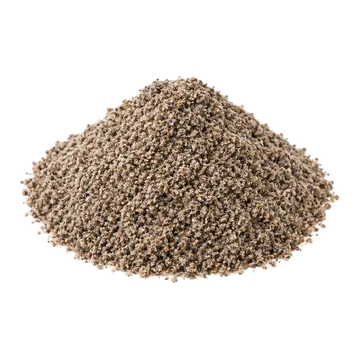 Chia seeds, ground
Context
CFIA chemical residue monitoring (2016–2023) · grade A ?
How it’s rated
Context only (pesticide residues are not scored): 4 positives in 146 screens, none flagged as violations except the two glyphosate results above.
Intake: not applicable
Measured on: CFIA NCRMP pesticide screens, 'Seed - Chia': imports 2017-18 to 2020-21 n 96 (2 positive); 2021-22 n 26 (1); 2022-23 n 10 (0); domestic 2022-23 n 6 (0) and 2017-18 to 2020-21 n 4 (0); 'Chia Products' imports n 4 (1 positive); glyphosate lines in the row above
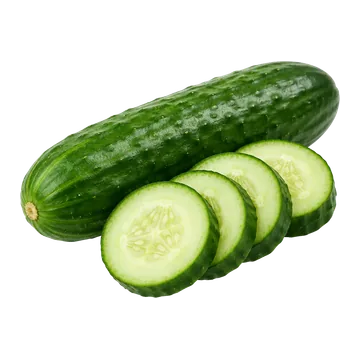 Cucumber, raw
Context
CFIA chemical residue monitoring (2016–2023) · grade A ?
How it’s rated
Context only, never scored. Violations: boscalid 1 of 399 domestic samples (44 positives, max 1.47 ppm); spinosyn A+D 1 of 97 greenhouse domestic samples (max 0.58 ppm). No acceptable daily intake (ADI) arithmetic was done.
Intake: one serving a day, 70 kg adult · Level in the food: 64 % of CFIA-screened domestic samples with at least one residue (share of samples, n = 566)
Measured on: CFIA NCRMP, commodity 'Cucumber', domestic (B1) pesticide screens: 297 of 402 positive (2016-17 to 2021-22) and 65 of 164 positive (2022-23). Import (B2): 241 of 286 and 56 of 96 positive (78%). 'Cucumber (GH)', greenhouse: domestic 90 of 98, import 20 of 24.
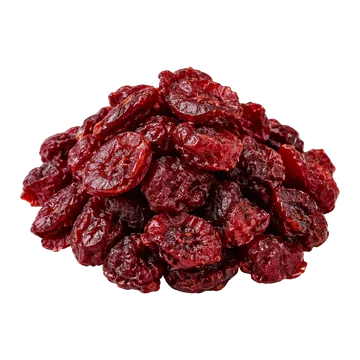 Dried cranberries, sweetened
Context
CFIA chemical residue monitoring (2016–2023) · grade B ?
How it’s rated
Shown as context, not rated: no limit is applied to pesticide residues here. CFIA screens of fresh domestic cranberries (before drying and sweetening), 2016–17 to 2021–22, found a residue in 38 of 70 samples, with 0 violations; residues in the dried product were not found.
Intake: one 40 g serving a day
Measured on: CFIA NCRMP 'Cranberry' B1 domestic, 'Pesticide Screen', 2016-17 to 2021-22: n 70, 38 positives, 0 violations; most frequent: chlorantraniliprole (16 of 47), methoxyfenozide (14 of 40), novaluron (5 of 20). Fresh fruit, before drying and sweetening.
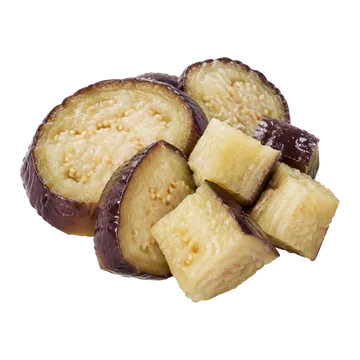 Eggplant, cooked
Context
CFIA chemical residue monitoring (2016–2023) · grade A ?
How it’s rated
Shown as context, not rated: 224 of 385 CFIA screens of raw eggplant (58.2%) found at least one residue: 33.0% of 97 domestic and 66.7% of 288 imported. Two pooled lines show one violation each, acetamiprid on imports 2016-17 to 2021-22 (1 of 218 analysed) and cypermethrin on imports 2022-23 (1 of 33). Residues are on raw fruit; the effect of peeling or boiling was not looked up.
Intake: not applicable (flag) · Level in the food: 58.2 % of CFIA-screened samples with at least one residue (domestic 33.0% of 97, import 66.7% of 288) (share of samples, n = 385)
Measured on: CFIA NCRMP pesticide screens, raw eggplant, B1 domestic (2016-17 to 2021-22 n 75 pos 27; 2022-23 n 22 pos 5) and B2 import (2016-17 to 2021-22 n 222 pos 157; 2022-23 n 66 pos 35), pooled; the import share is the larger.
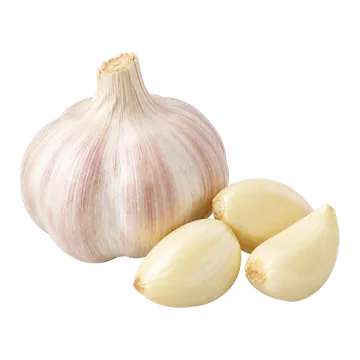 Garlic, raw
Context
CFIA chemical residue monitoring (2022–2023) · grade A ?
How it’s rated
Context only, never rated. Residues are uncommon on fresh garlic in these screens (imports 14 of 172 positive), none a violation.
Intake: not applicable (flag)
Measured on: CFIA NCRMP annex summaries 2016-17 to 2022-23, 'Garlic - Fresh': imports B2 Pesticide Screen n 92, 13 positive and n 80, 1 positive; domestic B1 n 18, 0 positive and n 12, 1 positive; no violations
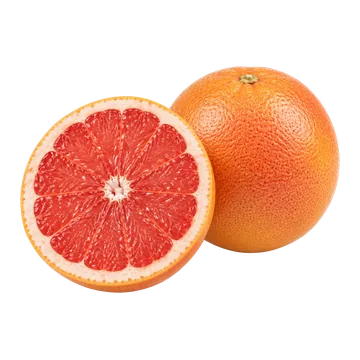 Grapefruit, raw
Context
CFIA chemical residue monitoring (2016–2023) · grade A ?
How it’s rated
Context only, never scored. Imazalil 256 of 316 positive (mean of positives 0.511-1.29 ppm, max 3.98) plus 43 of 90 in 2022-23; thiabendazole 226 of 316 (max 5.59); fludioxonil 42 and dithiocarbamate 38 positives in the pack's tail. Residues sit on the peel, which is not eaten; for oranges, juicing removed 63-100% (Foods 2022 abstract), and peeling is not measured for grapefruit. No acceptable daily intake (ADI) arithmetic done.
Intake: one 140 g serving a day, 70 kg adult · Level in the food: 89 % of samples with at least one residue detected (import pesticide screens pooled) (share of samples, n = 408)
Measured on: CFIA NCRMP, commodity Grapefruit, import B2: 2016-17 to 2021-22 n 318 (294 positive) plus 2022-23 n 90 (69 positive); 0 violations in the pesticide screens. Whole unwashed fruit as sampled.
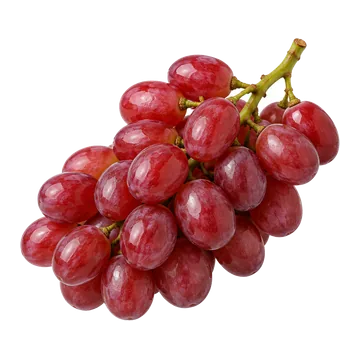 Grapes, raw
Context
CFIA chemical residue monitoring (2016–2023) · grade A ?
How it’s rated
Context only, never scored. 1,183 of 1,382 screened samples carried a residue. Most-detected imports (2016-17 to 2021-22, n about 943): boscalid 400, cyprodinil 352, pyraclostrobin 307, imidacloprid 304, myclobutanil 285; each with 0 violations. Glyphosate screen on imports: 11 of 68 positive. No acceptable daily intake (ADI) arithmetic done.
Intake: not applicable (context) · Level in the food: 85.6 % of samples with at least one residue detected (domestic and import pesticide screens pooled) (share of samples, n = 1382)
Measured on: CFIA NCRMP 2016-17 to 2022-23, commodity 'Grape': domestic B1 87 + 28 samples (79 + 23 positive), import B2 957 + 310 samples (849 + 232 positive); 0 violations in any of the screens.
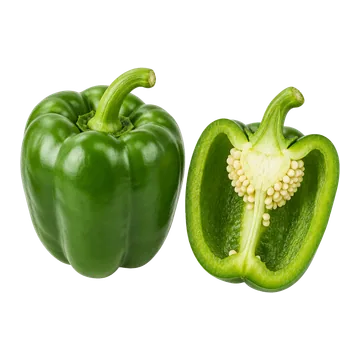 Green pepper, raw
Context
CFIA chemical residue monitoring (2022–2023) · grade A ?
How it’s rated
Shown as context, not rated: the CFIA monitoring table counts violations per analyte, not per sample, so a share of samples over the limit cannot be worked out. Violations are against Canadian maximum residue limits, which are legal limits and are not used as a rating. CFIA 2022-23: 37 domestic samples screened, with violations for acetamiprid 1 and pyridalyl 1; 89 imported samples, with violations led by cypermethrin 4 and oxamyl-oxime 3. 'Pepper' is read as sweet pepper because the table lists 'Pepper - Hot' separately.
Intake: not a dose rule
Measured on: CFIA NCRMP 2022-23 Annex B. Domestic 'Pepper' (Table B-1): 37 samples screened (GC 7 with a detect, LC 11); analyte violations: acetamiprid 1, pyridalyl 1. Imported 'Pepper' (Table B-2): 89 samples (GC 60 with a detect, LC 69); 17 analyte violations: cypermethrin 4, oxamyl-oxime 3, methomyl 2, pyridalyl 2, captan 1, cyfluthrin 1, tebuconazole 1, acetamiprid 1, carbendazim/thiophanate-methyl 1, oxamyl oxime + oxamyl 1. 'Pepper - Hot' is listed separately.
 Green tea, brewed
Context
How it’s rated
Context, not scored: leaf residues cannot be put on a cup without a pesticide-specific transfer rate, and none was found.
Intake: one 250 mL (250 g) cup a day, 70 kg adult
Measured on: CFIA dried teas 2009-10, n = 100 (metals) and a pesticide screen on the same 100 teas (sample IDs ending A: GC-MS screen FPH053 and LC-MS screen PESTICIDES-LC, each n = 100; metals are the B samples); tea type not stated; results in µg/g of DRY LEAF; no brewed-tea residue data found.
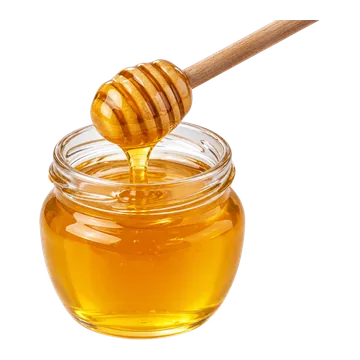 Honey
Context
CFIA chemical residue monitoring (2016–2023) · grade A ?
How it’s rated
Shown as context, not rated: pesticide residues have no health-based reference value here. Beyond glyphosate (its own row), the commonest positives in CFIA's Canadian honey tests were 2,4-dimethylaniline, an amitraz metabolite (170 of 1,083 domestic tests, mean of positives 0.007–0.010 ppm), boscalid, cyanuric acid and ethylene diamine. Amitraz and fumagillin are bee treatments, not crop sprays.
Intake: not rated
Measured on: CFIA NCRMP honey 'Pesticide Screen' lines (tests, not distinct samples: 2022-23 runs a GC and an LC screen on the same 208 domestic samples): Canadian honey 2016-17 to 2021-22: 1,077 tests, 53 positives, 0 violations; 2022-23: 416 tests, 4 positives, 0 violations; imported 2016-22: 528 tests, 44 positives, 0 violations; 2022-23: 320 tests, 10 positives
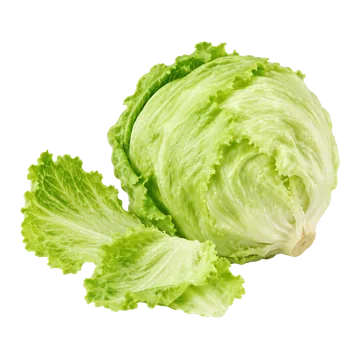 Iceberg lettuce, raw
Context
CFIA chemical residue monitoring (2016–2023) · grade A ?
How it’s rated
Context only (legal limits are never scored): 334 of 728 screens carried at least one residue (46%: domestic 33%, imports 49%); the annex lines record no violation.
Intake: not applicable (context)
Measured on: CFIA NCRMP 'Lettuce - head' pesticide screens 2017-18 to 2022-23: domestic B1 157 screened (52 positive; lines n 79, 56, 22), imports B2 571 screened (282 positive; lines n 274, 147, 150); glyphosate screen domestic n 5 (0 pos), imports n 52 across two lines (1 positive); every line 'viol 0'
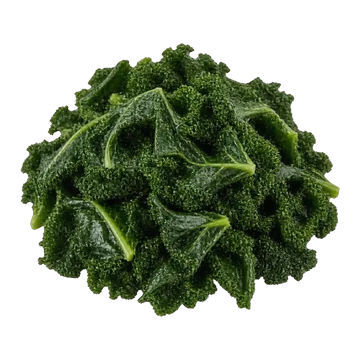 Kale, raw
Context
CFIA chemical residue monitoring (2016–2023) · grade A ?
How it’s rated
Context only (legal limits are never scored); 144 of 185 screened samples (78%) carried at least one residue (domestic 19 of 30, imports 125 of 155), none above the Canadian maximum residue limit.
Intake: not applicable (context)
Measured on: CFIA NCRMP 'Kale' pesticide screens: domestic B1 2016-17 to 2021-22 n 20 (17 positive) + 2022-23 n 10 (2) = 30 (19); imports B2 2016-17 to 2021-22 n 125 (110) + 2022-23 n 30 (15) = 155 (125); glyphosate screen domestic 2018-19 n 2 (1 positive), imports n 4 (0); 0 violations in every line
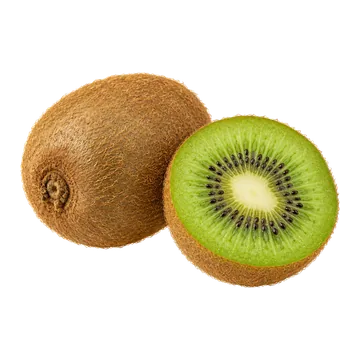 Kiwi, raw
Context
CFIA chemical residue monitoring (2016–2023) · grade A ?
How it’s rated
Shown as context, not rated: pesticide residues are not scored and no acceptable-daily-intake arithmetic was done. In CFIA's tests of imported kiwifruit, violations were fenhexamid 3 (10 positives of 241, max 4.33 ppm), dithiocarbamates 2 (10 positives of 240) and boscalid 1 (6 of 197).
Intake: one 140 g serving a day, 70 kg adult · Level in the food: 37.5 % of CFIA-screened samples with at least one residue (import, pesticide screens 2016-17 to 2021-22 and 2022-23) (share of samples, n = 325)
Measured on: CFIA NCRMP, commodity 'Kiwifruit', import B2 pesticide screens: 94 of 241 positive (2016-17 to 2021-22) and 28 of 84 positive (2022-23); domestic B1 1 sample, 0 positive.
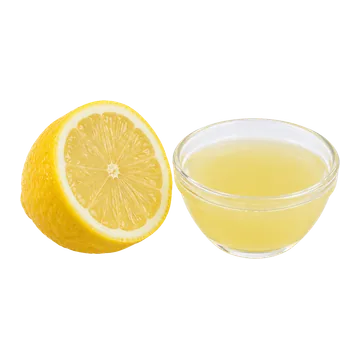 Lemon juice
Context
CFIA chemical residue monitoring (2016–2023) · grade A ?
How it’s rated
Context only, never scored. Imazalil 332 of 410 positive, mean of positives 0.377-2.08 ppm, max 13 ppm, 10 over the Canadian limit; thiabendazole 307 of 409; fludioxonil 201 of 408; dithiocarbamate 54 of 335 positive, 14 violations. Pesticides sit on the peel: for oranges, juice processing removed 63-100% of residues (Foods 2022 abstract). Lime import: pesticide screen 225 of 277 plus 56 of 104 positive; imazalil 140 of 271. Juice concentrates 2008-09: lemon imazalil mean 0.453 µg/g (n 5, all detected), chlorpyrifos 0.0303 (n 1), methidathion 0.0272 (n 1). No acceptable daily intake (ADI) arithmetic done.
Intake: not applicable (context) · Level in the food: 89 % of samples with at least one residue detected (import pesticide screens pooled, whole lemon) (share of samples, n = 562)
Measured on: CFIA NCRMP, commodity Lemon, import B2: 2016-17 to 2021-22 n 412 (383 positive) plus 2022-23 n 150 (117 positive); 0 violations in the pesticide screens. Whole fruit as sampled; peel is the usual residue site and the juice is not the sample.
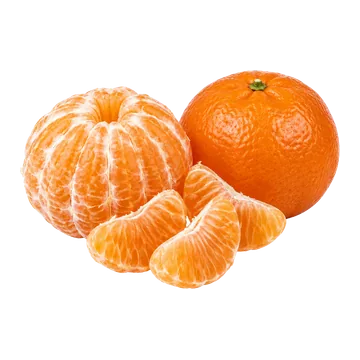 Mandarins, raw
Context
CFIA chemical residue monitoring (2016–2023) · grade A ?
How it’s rated
Context only, never scored. Imazalil 17 of 26 positive (mean of positives 0.998-2.29, max 2.71); thiabendazole 13 of 19; dithiocarbamate 4 of 6 positive, 2 violations (n 6). Small samples. Most residue is on the peel, which is not eaten; for oranges, juicing removed 63-100% of residues, and peeling is not measured here. No acceptable daily intake (ADI) arithmetic done.
Intake: not applicable (context) · Level in the food: 86.7 % of samples with at least one residue detected (import pesticide screens pooled) (share of samples, n = 30)
Measured on: CFIA NCRMP, 'Tangerine/manderine/clementine', import B2: 2017-18 to 2021-22 n 16 (14 positive) plus 2022-23 n 14 (12 positive); 0 violations in the pesticide screens. Whole unwashed fruit as sampled.
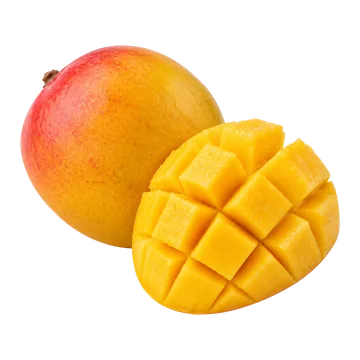 Mango, raw
Context
CFIA chemical residue monitoring (2016–2023) · grade A ?
How it’s rated
Shown as context, not rated: pesticide residues are not scored and no acceptable-daily-intake arithmetic was done. In CFIA's tests of imported mango, violations were prochloraz 14 of 337 samples (23 positives, max 2.48 ppm), thiabendazole 8 (43 positives, max 3.17 ppm), ethylene diamine 5, dithiocarbamates 1 and carbendazim/thiophanate methyl 1 + 1. Samples are unwashed whole fruit, and the skin is not eaten.
Intake: one 140 g serving a day, 70 kg adult · Level in the food: 41.6 % of CFIA-screened samples with at least one residue (import, pesticide screens 2016-17 to 2021-22 and 2022-23) (share of samples, n = 488)
Measured on: CFIA NCRMP, commodity 'Mango', import B2 pesticide screens: 173 of 358 positive (2016-17 to 2021-22) and 30 of 130 positive (2022-23); domestic B1 2 samples, 0 positive.
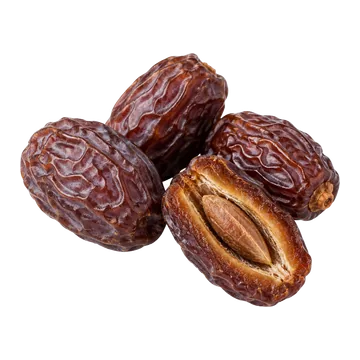 Medjool dates
Context
CFIA chemical residue monitoring (2016–2023) · grade C ?
How it’s rated
Shown as context, not rated: no limit is applied to pesticide residues here. CFIA screened imported dates only 5 times (2016–17 and 2019–20), with 0 positives and 0 violations, which is too few to say anything about prevalence.
Intake: one 40 g serving
Measured on: CFIA NCRMP 'Date' (B2 import), Pesticide Screen, 2016-17 and 2019-20: n 5, 0 positives, 0 violations. Tiny n.
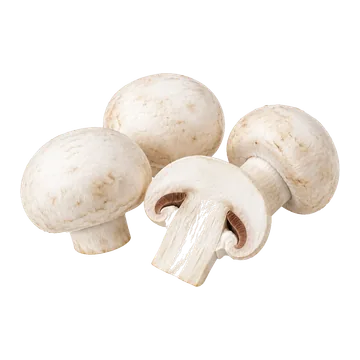 Mushrooms, raw
Context
CFIA chemical residue monitoring (2022–2023) · grade A ?
How it’s rated
Context only, never rated. Three analyte-by-table lines recorded a violation (domestic permethrin 1, dithiocarbamate 1, AMPA 1) and imports of processed mushrooms carried tin above its limit in 2 samples (2022-23, max 341 µg/g).
Intake: not applicable (flag)
Measured on: CFIA NCRMP annex summaries 2016-17 to 2022-23, mushrooms: domestic B1 Pesticide Screen n 210, 72 positive and n 70, 8 positive; imports B2 n 116, 49 positive and n 38, 5 positive; glyphosate screen domestic 21 of 23 positive
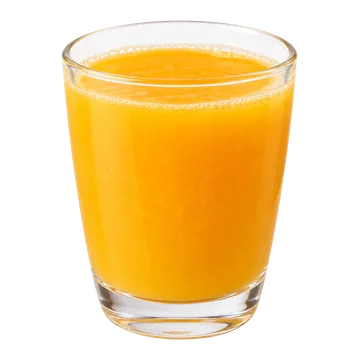 Orange juice
Context
CFIA chemical residue monitoring (2016–2023) · grade A ?
How it’s rated
Context only, never scored. 25 of 47 domestic juice screens positive, most in the earlier years (24 of 35 against 1 of 12 in 2022-23). Fruit (whole orange, import): 1,066 of 1,131 screens positive plus 237 of 316; imazalil 940 of 1,098, max 7.49 ppm, 3 violations; dithiocarbamate 47 violations. Residues sit on the peel; juice processing removed 63-100% in oranges (Foods 2022 abstract). Concentrates 2008-09: orange imazalil 0.106 µg/g (n 1). No acceptable daily intake (ADI) arithmetic done.
Intake: one 250 mL glass (262 g) a day, 70 kg adult · Level in the food: 53.2 % of samples with at least one residue detected (domestic retail juice, pesticide screens pooled) (share of samples, n = 47)
Measured on: CFIA NCRMP, commodity 'Juice - Orange', domestic B1: 2016-17 to 2021-22 n 35 (24 positive) plus 2022-23 n 12 (1 positive); 1 violation (cyanuric acid, n 6). Single-strength juice as sampled.
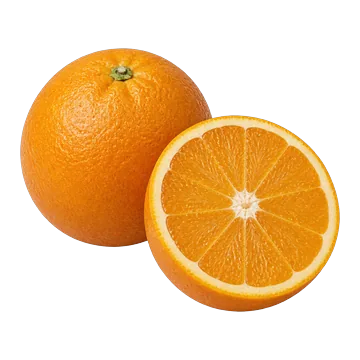 Oranges, raw
Context
PubMed 11469317 · grade B ?
How it’s rated
Shown as context, not scored: pesticide residues sit mainly in the peel, which is not the edible portion. In Valencia, imazalil was found in 112 of 150 samples (74.7%) at a mean of 1.2 mg/kg and thiabendazole in 21 (14.0%) at 0.47 mg/kg; six samples (4.0%) exceeded the EU limit. In Geneva, imazalil and thiabendazole were found in 70% and 36% of samples, and three exceeded Swiss limits.
Intake: not computed: no EFSA/Health Canada reference value for imazalil or thiabendazole was opened · Level in the food: 1.2 mg/kg (mean of positives (imazalil), n = 150)
Measured on: Valencia (Spain) co-operative, 150 citrus samples; Geneva 2003, 240 citrus samples in all (164 conventional, 53 sold as 'without post-harvest treatment', 23 organic) (all citrus, peel handling not stated). NO Canadian orange residue data found
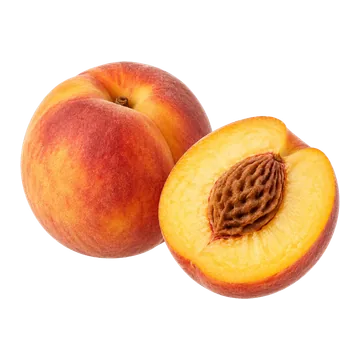 Peaches, raw
Context
CFIA chemical residue monitoring (2016–2023) · grade A ?
How it’s rated
Shown as context, not rated: 436 of 576 CFIA-screened fresh peach samples (75.7%) had at least one residue, and the pooled screens show 0 violations. No intake arithmetic is done; the samples were whole fruit, and the effects of washing, peeling or canning were not searched.
Intake: not applicable (context) · Level in the food: 75.7 % of samples with at least one residue detected (domestic and import pesticide screens pooled) (share of samples, n = 576)
Measured on: CFIA NCRMP annexes B1 (domestic) and B2 (import), fresh peach, pesticide screens 2016-17 to 2021-22 and 2022-23 added, Canada; n pooled by the script
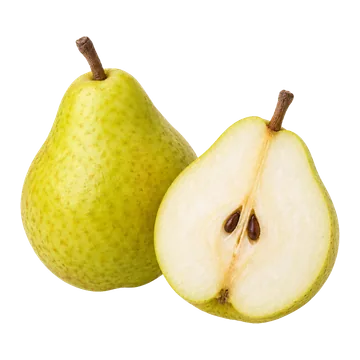 Pears, raw
Context
CFIA chemical residue monitoring (2016–2023) · grade A ?
How it’s rated
Shown as context, not rated: 893 of 1,166 CFIA-screened fresh pear samples (76.6%) carried at least one residue, and every pooled line shows 0 violations. No intake arithmetic is done, and the effect of peeling was not searched.
Intake: not applicable (context) · Level in the food: 76.6 % of samples with at least one residue detected (domestic and import pesticide screens pooled) (share of samples, n = 1166)
Measured on: CFIA NCRMP annexes B1 (domestic) and B2 (import), fresh pear, pesticide screens 2016-17 to 2022-23, Canada; n pooled by the script (the import screen is large: n 982)
 Pineapple, raw
Context
CFIA chemical residue monitoring (2016–2023) · grade A ?
How it’s rated
Shown as context, not rated: 66.5% of 352 CFIA-screened import samples carried at least one pesticide residue. Violations were triadimenol in 16 of 98 samples (30 positives), triadimefon in 4, and dithiocarbamates in 1 of 220. No acceptable-daily-intake arithmetic was done, and the samples are unwashed whole fruit, so the eaten flesh is probably lower, though that was not searched.
Intake: one 140 g serving a day, 70 kg adult · Level in the food: 66.5 % of CFIA-screened samples with at least one residue (import, pesticide screens 2016-17 to 2021-22 and 2022-23 added) (share of samples, n = 352)
Measured on: CFIA NCRMP, commodity 'Pineapple', import B2 pesticide screens: 194 of 262 positive (2016-17 to 2021-22) and 40 of 90 positive (2022-23). Domestic pineapple does not exist; juice lines not used.
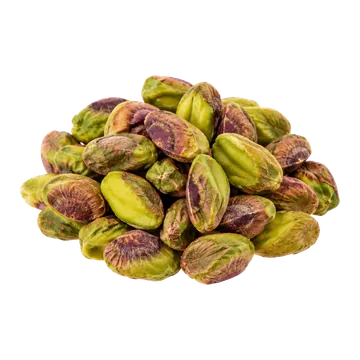 Pistachios, dry-roasted
Context
CFIA chemical residue monitoring (2016–2023) · grade A ?
How it’s rated
Context only (pesticide residues are not scored). Positives are mostly neonicotinoids at 0.01-0.1 ppm; none above a limit.
Intake: not applicable
Measured on: CFIA NCRMP pesticide screens, 'Nut - Pistachio': FSO 2016-17 to 2019-20 n 32 (2 positive, 0 violations; acetamiprid 0.097 and imidacloprid 0.022 ppm in 2016-17, methoxyfenozide 0.0352 ppm in 2019-20); imports 2022-23 n 2 (1 positive: acetamiprid 0.012, clothianidin 0.08, thiamethoxam 0.036 µg/g); glyphosate screen n 1, 0 positive; Canada
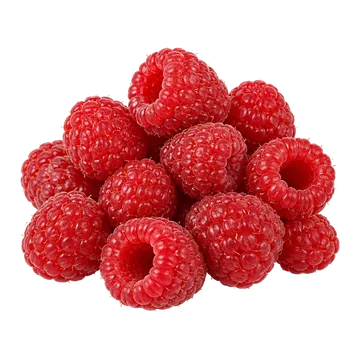 Raspberries, raw
Context
CFIA chemical residue monitoring (2016–2023) · grade A ?
How it’s rated
Context only, never scored. 177 of 260 screened samples carried a residue. Violations: cypermethrin on imports, 30 positives of 145 samples with 5 above the Canadian limit (2016-17 to 2021-22); other analytes in the pack list (acetamiprid 17, spinosyns 17, spinetoram 15, bifenthrin 15 and 11, captan 13 and 13 positives) show no violations in the lines read. No acceptable daily intake (ADI) arithmetic done.
Intake: not applicable (context) · Level in the food: 68.1 % of samples with at least one residue detected (domestic and import pesticide screens pooled) (share of samples, n = 260)
Measured on: CFIA NCRMP 2016-17 to 2022-23, 'Raspberry' pesticide screen: domestic B1 44 + 8 samples (40 + 4 positive), import B2 150 + 58 samples (111 + 22 positive).
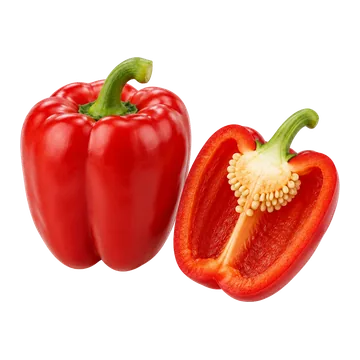 Red pepper, raw
Context
CFIA chemical residue monitoring (2022–2023) · grade A ?
How it’s rated
Shown as context, not rated: the CFIA monitoring table counts violations per analyte, not per sample, so a share of samples over the limit cannot be worked out. Violations are against Canadian maximum residue limits, which are legal limits and are not used as a rating. CFIA 2022-23: 37 domestic samples screened, with violations for acetamiprid 1 and pyridalyl 1; 89 imported samples, with violations led by cypermethrin 4 and oxamyl-oxime 3. 'Pepper' is read as sweet pepper because the table lists 'Pepper - Hot' separately.
Intake: not a dose rule
Measured on: CFIA NCRMP 2022-23 Annex B. Domestic 'Pepper' (Table B-1): 37 samples screened (GC 7 with a detect, LC 11); analyte violations: acetamiprid 1, pyridalyl 1. Imported 'Pepper' (Table B-2): 89 samples (GC 60 with a detect, LC 69); 17 analyte violations: cypermethrin 4, oxamyl-oxime 3, methomyl 2, pyridalyl 2, captan 1, cyfluthrin 1, tebuconazole 1, acetamiprid 1, carbendazim/thiophanate-methyl 1, oxamyl oxime + oxamyl 1. 'Pepper - Hot' is listed separately.
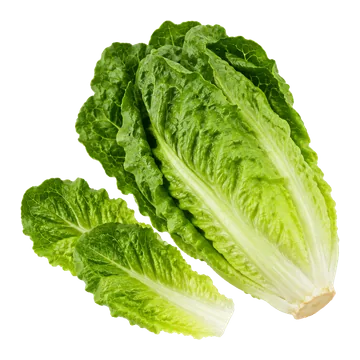 Romaine lettuce, raw
Context
CFIA chemical residue monitoring (2022–2023) · grade A ?
How it’s rated
Shown as context, not rated: legal maximum residue limits are not a health limit, so none is applied, and the published table does not give a violation rate per sample.
Intake: not a dose rule
Measured on: CFIA NCRMP 2022-23 Annex B tables. Domestic: lettuce 13 samples screened, head 11, leaf 28, 0 violations in each. Imported: lettuce 10 (methomyl 1 violation), head 75 (0), leaf 30 (cypermethrin 1, methomyl 2). Violation counts are per analyte, not per sample.
 Strawberries, raw
Context
CFIA chemical residue monitoring (2016–2023) · grade A ?
How it’s rated
Shown as context, not rated: 622 of 748 screened samples had a residue. Imports carried the violations (2016-17 to 2021-22): captan in 160 of 383 samples with 11 above the Canadian limit, bifenthrin in 75 of 376 with 12 above, and dithiocarbamates in 89 of 345 with 1 above; the domestic screens had no violations. No acceptable-daily-intake arithmetic was done. The samples are unwashed raw berries, and whether washing or freezing changes the residues was not searched.
Intake: not applicable (context) · Level in the food: 83.2 % of samples with at least one residue detected (domestic and import pesticide screens pooled) (share of samples, n = 748)
Measured on: CFIA NCRMP 2016-17 to 2022-23, 'Strawberry' pesticide screen: domestic B1 154 + 62 samples (139 + 36 positive), import B2 398 + 134 samples (341 + 106 positive); 0 violations in the domestic screens.
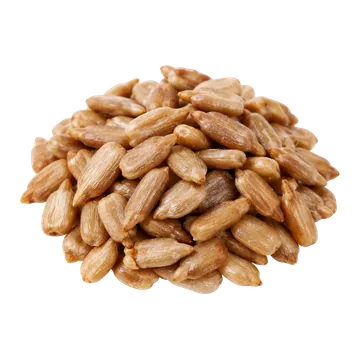 Sunflower seeds, dry-roasted
Context
CFIA chemical residue monitoring (2016–2023) · grade A ?
How it’s rated
Context only (pesticide residues are not scored). No positive in 22 screens.
Intake: not applicable
Measured on: CFIA NCRMP pesticide screens, 'Seed - Sunflower': domestic 2022-23 n 6; imports 2021-22 n 12, 2022-23 n 4; Canada; 0 positives, 0 violations
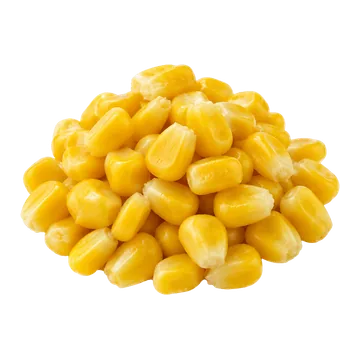 Sweet corn, frozen, cooked
Context
CFIA chemical residue monitoring (2022–2023) · grade B ?
How it’s rated
Context only, never rated. Few positives, none a violation. Matched to fresh or unspecified corn, not frozen boiled kernels.
Intake: not applicable (flag)
Measured on: CFIA NCRMP annex summaries 2016-17 to 2022-23, commodity 'Corn' (the pack's check: sweet vs grain not stated): domestic B1 Pesticide Screen n 241, 39 positive, 0 violations; imports B2 n 196, 41 positive; 2022-23 domestic n 102, 1 positive, imports n 90, 1 positive
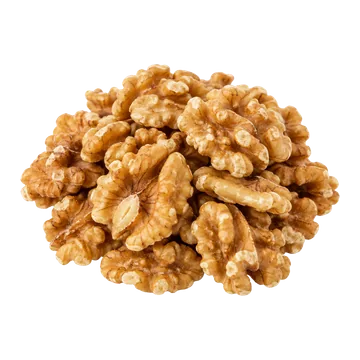 Walnuts, raw
Context
CFIA chemical residue monitoring (2016–2023) · grade A ?
How it’s rated
Context only (pesticide residues are not scored). No residue above a limit in 92 screened samples; glyphosate acceptable daily intake (ADI) 0.5 mg/kg body weight/day (EFSA 2023) is 35 mg a day for an adult, so one positive at 0.029 ppm is not a concern.
Intake: not applicable
Measured on: CFIA NCRMP pesticide screens, 'Nut - Walnut': domestic 2021-22 n 4 (0 positive); imports 2021-22 n 18 (0), 2022-23 n 18 (0), 2017-18 to 2020-21 n 52 (0); glyphosate screen 2020-21 n 10 (1 positive, 0.029 ppm, 0 violations)
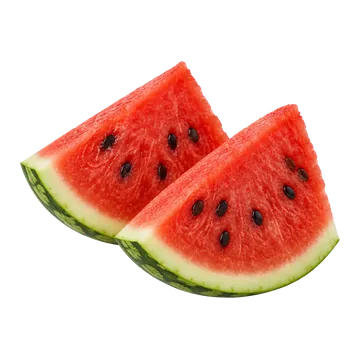 Watermelon, raw
Context
CFIA chemical residue monitoring (2016–2023) · grade A ?
How it’s rated
Shown as context, not rated: 59.6% of 255 CFIA import samples carried a pesticide residue. Violations: ethylene diamine in 7 of 149 import samples (46 positives, maximum 0.221 ppm); no other analyte had a violation. No acceptable-daily-intake arithmetic was done. The samples are unpeeled whole fruit and the rind is not eaten, so flesh residues are probably lower, though that was not searched.
Intake: one serving a day, 70 kg adult · Level in the food: 59.6 % of CFIA-screened import samples with at least one residue (share of samples, n = 255)
Measured on: CFIA NCRMP, commodity 'Watermelon', import (B2) pesticide screens: 136 of 203 positive (2016-17 to 2021-22) and 16 of 52 positive (2022-23); domestic (B1) 5 of 11 positive (2016-17 to 2021-22) and 0 of 4 (2022-23).
 Zucchini, cooked
Context
CFIA chemical residue monitoring (2016–2023) · grade A ?
How it’s rated
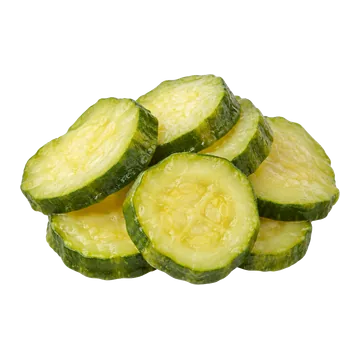
Context only, never scored. No analyte line with a violation appears among the SUM lines read (71 further analyte lines were not read). No acceptable daily intake (ADI) arithmetic was done.
Intake: one serving a day, 70 kg adult · Level in the food: 59.8 % of CFIA-screened domestic samples with at least one residue (2016-17 to 2022-23, pooled) (share of samples, n = 87)
Measured on: CFIA NCRMP, commodity 'Zucchini' (raw whole fruit), domestic (B1) pesticide screens: 52 of 69 positive (2016-17 to 2021-22) and 0 of 18 (2022-23). Import (B2): 56 of 76 positive and 10 of 20 (2022-23).
Sources
- CFIA, Dried teas, targeted survey 2009-2010 (open.canada.ca dataset 2782dbc5-ebbb-4ef1-a85f-294a5fe60f47, resource dried_teas_2009-10.csv): metals n = 100 samples, product 'Tea' (type not stated: black/green not distinguished), results in µg/g of DRY LEAF
cfia-dried-teas-2009-10· secondary source · Open Government Licence - Canada - CFIA, National Chemical Residue Monitoring Program and Chemistry Food Safety Oversight Program Annual Report 2022-2023, Annex B tables B-1 (Canadian) and B-2 (imported)
cfia-ncrmp-2022-23· full text read · Open Government Licence - Canada - CFIA, National Chemical Residue Monitoring Program, Annex B results summaries 2016-17 to 2022-23, Table B-1 domestic and B-2 imported (open.canada.ca datasets 95a14ca0, c87af563, a2ea8989, 9e5211c8, a5cb7c3c, 6567ac46, cf149850); positives-only means, no detection limits stated; pooled by us
cfia-ncrmp-annex-b-2016-2023· dataset · Government of Canada terms (Crown copyright) - CFIA, National Chemical Residue Monitoring Program, Annex B1 (domestic) and B2 (import) results summaries 2016-17 to 2022-23 (open.canada.ca); rows Watermelon, Melon - Cantaloupe, Cucumber, Zucchini
cfia-ncrmp-annexes-2016-2023· secondary source · Government of Canada terms (Crown copyright) - Lecerf JM, Periquet A, Carlin F. Comparison of pesticide residue and specific nutrient levels in peeled and unpeeled apples. J Sci Food Agric 2023 (online 2022) · doi:10.1002/jsfa.12159 · PMID 36468616
lecerf2022· abstract only · Publisher copyright - Fernandez M, Pico Y, Manes J. Pesticide residues in oranges from Valencia (Spain). Food Addit Contam 2001 Jul · doi:10.1080/02652030118441 · PMID 11469317
pmid:11469317· abstract only · Publisher copyright (journal article)