Ochratoxin A
In the body: Acts on the kidneys.
No intake of it is known to be safe, so there’s no grams figure. Each food shows what a daily serving adds to an average adult’s intake. None of the 22 rated foods and preparations adds more than 45% per daily serving, depending on how much you already take in. The most is Raisins. 8 more reviewed foods and preparations carry it but aren’t rated by dose: shown for context, or not rated yet.
No safe level known.
The reference point, not a limit
The agency starts from a dose linked to an effect in studies, in people or in animals, and judges the margin between that dose and what people take in.
- Reference point14.5 µg/kg body weight/day
- That dose, for a 70 kg adult1,020 µg a day
Not a safe amount or an allowance: harm can’t be ruled out below it. - What an average 70 kg adult takes in0.1–0.4 µg a day
That dose is 2,400 to 8,700 times what an average adult takes in. - Basisbenchmark dose (BMDL): the lower estimate of the dose that produced a set size of effect in studies; the number after it is that size (BMDL10 is 10%, BMDL01 is 1%). A starting point rather than a limit
benchmark dose lower limit (BMDL10) (kidney tumours, rats) (animal benchmark dose lower limit (BMDL10)) - Margin of exposure that raises concern ?10,000
A margin below this counts as a concern. A margin of exposure is the dose that caused effects in studies divided by what people take in: the smaller it is, the closer people’s intake sits to that dose. - Average adult intake0.00166–0.00603 µg/kg body weight/day EFSA 2020 Table 14 adults: mean 1.66–3.84 (lower bound) and 3.47–6.03 (upper bound) ng/kg body weight/day; average margin of exposure (MOE) 2,400–8,700
- Source ?EFSA 2020
Reviewed foods that carry it
27 reviewed foods carry it, 19 of them rated by dose. A food counts once, as in the foods list: preparations sharing a page (raw and cooked, canned) count once; one with its own page counts apart. Below, one line for each of 30 preparations. 22 of those lines are rated by dose. 38 measurements in all. A preparation measured more than once gets one line, the measurement the dataset leads with or a stricter one, named beside the food; the others fold under it.
How often you can eat it ?
No grams figure for Ochratoxin A: there is no limit to count grams against. Each food shows the method’s rating instead: how much a daily serving adds to the average adult’s intake.
One realistic serving each, rated by dose, not by presence. The most restrictive rating comes first, then the largest dose per serving.
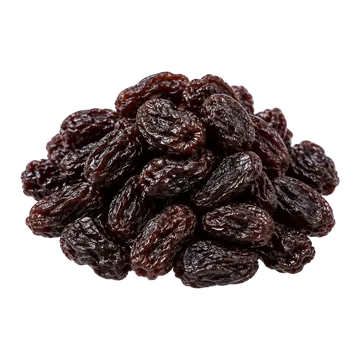 Raisins
Nothing to watch: doesn’t double average intake
52.1 ngper servingOTAadds 12–45 % to an average adult’s intake (a share of that intake, not of a limit)CFIA ochratoxin A survey (2012–2022) · grade A ?
How it’s rated
No cap: no safe limit is set for ochratoxin A (EFSA 2020 benchmark dose lower limit (BMDL10) of 14.5 µg/kg body weight/day, kidney tumours in rats). Judged by what a daily serving adds to the average adult's intake: 40 g at the CFIA mean of 1.303 ng/g (189 samples, 29% non-detects) is 52.1 ng, 0.745 ng/kg body weight/day, about 19% to 44% of the lower-bound average adult exposure (12% to 44% across upper and lower bounds), well short of doubling it. The tail is wider: one serving at the 95th percentile (2.92 ng/g) is 117 ng, and the highest sample (116.4 ng/g) would be 4.7 µg in one sitting.
Intake: one 40 g serving a day, 70 kg adult · Level in the food: 1.303 ng/g (µg/kg) (mean, n = 189)
Measured on: CFIA targeted survey 'Ochratoxin A in Selected Foods 2012-2018 and 2019-2022', product 'Raisin', 189 samples, 134 detects (non-detects stored as 0); median 0.117, 95th percentile 2.92, highest 116.4 ng/g; origins: unknown 79, United States 59, Türkiye 32, South Africa 9.
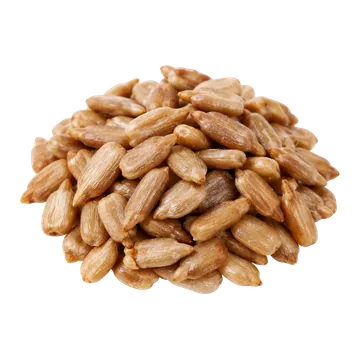 Sunflower seeds, dry-roasted
Nothing to watch: doesn’t double average intake
14.2 ngper servingOTA (lower bound)adds 3.4–12 % to an average adult’s intake (a share of that intake, not of a limit)CFIA ochratoxin A survey (2012–2022) · grade B ?
How it’s rated
No cap: no safe limit is set for ochratoxin A; EFSA's 2020 reference point is a benchmark dose lower limit (BMDL10) of 14.5 µg/kg body weight/day. A 30 g serving at the CFIA lower-bound mean of 0.4724 ng/g (46 samples, 14 detected) carries 14.2 ng, 0.202 ng/kg body weight/day, adding +5% to +12% to EFSA's adult mean on the lower bound (1.68-3.84 ng/kg body weight/day), under the doubling line. A few positives drive the mean (highest 19.73 ng/g, 592 ng or 8.5 ng/kg body weight in one sitting), so the upper bound could be higher and was not computed.
Intake: 30 g shelled serving (HC TRA O.1) · Level in the food: 0.472 ng/g (mean (nondetects counted as zero); 14 of 46 samples detected, max 19.73 ng/g; mean of the 14 positives about 1.55 ng/g (Foodtopsy's arithmetic), n = 46)
Measured on: CFIA Food Safety Action Plan targeted survey, ochratoxin A in selected foods, 2012-2018 and 2019-22, 'Seed - Sunflower'; Canada
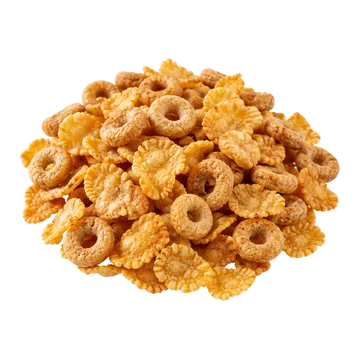 Breakfast cereal
Nothing to watch: doesn’t double average intake
8.782 ngper servingadds 2.1–7.6 % to an average adult’s intake (a share of that intake, not of a limit)CFIA ochratoxin A survey (2012–2022) · grade A ?
How it’s rated
No cap: no safe threshold is set for ochratoxin A (EFSA 2020 reference point: benchmark dose lower limit (BMDL10) 14.5 µg/kg body weight/day for kidney tumours in rats). Judged by what a daily serving adds to the average adult's intake (EFSA 2020: 1.66-6.03 ng/kg body weight/day, 116-422 ng/day): a 30 g serving at the mean of 0.2927 ng/g carries 8.8 ng, adding 2.1-7.6%, far from doubling it. Mean of 609 retail samples (CFIA, taken between 2012 and 2014; 41% not detected, counted as zero).
Intake: one 30 g serving a day (Health Canada reference amount C.3), 70 kg adult · Level in the food: 0.293 ng/g (mean, n = 609)
Measured on: CFIA OTA survey 2012-2018 and 2019-2022 (open data covers sampling years 2012,2013,2014), products "Cereal - Adult" (406) and "Cereal - Children" (203), retail Canada; mean computed here, nd = 0 (lower bound)
5 other measurements of this food
- CFIA 2010-11, adult and children's cereals
Nothing to watch: doesn’t double average intake
8.777 ngper servingadds 2.1–7.6 % to an average adult’s intake (a share of that intake, not of a limit)How it’s rated
No cap: no safe threshold is set for ochratoxin A (EFSA 2020 reference point: benchmark dose lower limit (BMDL10) 14.5 µg/kg body weight/day for kidney tumours in rats). Judged by what a daily serving adds to the average adult's intake (EFSA 2020: 1.66-6.03 ng/kg body weight/day, 116-422 ng/day): a 30 g serving at the mean of 0.2926 ng/g carries 8.8 ng, adding 2.1-7.6%, far from doubling it. Mean of 196 retail samples (CFIA targeted survey 2010-2011; 38% not detected, counted as zero), a separate survey year not averaged with the later one.
Intake: one 30 g serving a day (Health Canada reference amount C.3), 70 kg adult · Level in the food: 0.293 ng/g (mean, n = 196)
Measured on: CFIA targeted survey 2010-2011, "Cereal - Adult" (162) and "Cereal - Children" (34), retail Canada; mean computed here, nd = 0 (lower bound)
- Health Canada TDS 2008-09, rice and bran cereals (mixed)
Nothing to watch: doesn’t double average intake
7.95 ngper servingadds 1.9–6.8 % to an average adult’s intake (a share of that intake, not of a limit)Health Canada Total Diet Study, ochratoxin A (2008–2009) · grade A ?
How it’s rated
No cap: no safe threshold is set for ochratoxin A (EFSA 2020 reference point: benchmark dose lower limit (BMDL10) 14.5 µg/kg body weight/day for kidney tumours in rats). Judged by what a daily serving adds to the average adult's intake (EFSA 2020: 1.66-6.03 ng/kg body weight/day, 116-422 ng/day): a 30 g serving at the mean of 0.265 ng/g carries 8.0 ng, adding 1.9-6.8%, far from doubling it. Health Canada Total Diet Study 2008-2009, rice and bran cereal: 2 composites (0.266 and 0.264 ng/g), against 0.009 ng/g for the corn-based cereal.
Intake: one 30 g serving a day (Health Canada reference amount C.3), 70 kg adult · Level in the food: 0.265 ng/g (mean, n = 2)
Measured on: Health Canada TDS OTA 2008-2009, FF08 "Céréales, riz, son" (rice and bran composite), 2 composites (Quebec 2008: 0.266; Calgary 2009: 0.264), as consumed
- EFSA 2020, European breakfast cereals
Nothing to watch: doesn’t double average intake
5.4 ngper servingadds 1.3–4.6 % to an average adult’s intake (a share of that intake, not of a limit)How it’s rated
No cap: no safe threshold is set for ochratoxin A (EFSA 2020 reference point: benchmark dose lower limit (BMDL10) 14.5 µg/kg body weight/day for kidney tumours in rats). Judged by what a daily serving adds to the average adult's intake (EFSA 2020: 1.66-6.03 ng/kg body weight/day, 116-422 ng/day): a 30 g serving at the mean of 0.18 µg/kg carries 5.4 ng, adding 1.3-4.6%, far from doubling it. European data, not Canadian, shown beside the Canadian rows: EFSA 2020 (Table 16) lower-bound mean for breakfast cereals across 1,882 samples (upper bound 0.44 µg/kg).
Intake: one 30 g serving a day (Health Canada reference amount C.3), 70 kg adult · Level in the food: 0.18 µg/kg (mean, n = 1882)
Measured on: EFSA 2020 occurrence database, FoodEx category "Breakfast cereals", 2019 extract, European samples
- Health Canada TDS 2008-09, oat cereals only
Nothing to watch: doesn’t double average intake
3.315 ngper servingadds 0.8–2.9 % to an average adult’s intake (a share of that intake, not of a limit)Health Canada Total Diet Study, ochratoxin A (2008–2009) · grade A ?
How it’s rated
No cap: no safe threshold is set for ochratoxin A (EFSA 2020 reference point: benchmark dose lower limit (BMDL10) 14.5 µg/kg body weight/day for kidney tumours in rats). Judged by what a daily serving adds to the average adult's intake (EFSA 2020: 1.66-6.03 ng/kg body weight/day, 116-422 ng/day): a 30 g serving at the mean of 0.1105 ng/g carries 3.3 ng, adding 0.8-2.9%, far from doubling it. Health Canada Total Diet Study 2008-2009: 2 composites (0.11 and 0.111 ng/g). Health Canada's two files label this food differently: one calls it a cold oat-based cereal, the other quick-cook oatmeal, a hot cereal outside this category. Which is right is not settled.
Intake: one 30 g serving a day (Health Canada reference amount C.3), 70 kg adult · Level in the food: 0.111 ng/g (mean, n = 2)
Measured on: Health Canada TDS OTA 2008-2009, FF07 cold oat-based cereals (French name; the trace-element file names FF07 "Cereals, oatmeal (Quick cook oatmeal)", a labelling conflict between the two Health Canada files), 2 composites (Quebec 2008: 0.11; Calgary 2009: 0.111), as consumed
- Health Canada TDS 2008-09, corn cereals only
Nothing to watch: doesn’t double average intake
0.27 ngper servingadds 0.1–0.2 % to an average adult’s intake (a share of that intake, not of a limit)Health Canada Total Diet Study, ochratoxin A (2008–2009) · grade A ?
How it’s rated
No cap: no safe threshold is set for ochratoxin A (EFSA 2020 reference point: benchmark dose lower limit (BMDL10) 14.5 µg/kg body weight/day for kidney tumours in rats). Judged by what a daily serving adds to the average adult's intake (EFSA 2020: 1.66-6.03 ng/kg body weight/day, 116-422 ng/day): a 30 g serving at the mean of 0.009 ng/g carries 0.3 ng, adding 0.1-0.2%, far from doubling it. Health Canada Total Diet Study 2008-2009, cold corn-based cereals: 2 composites (0.007 and 0.011 ng/g).
Intake: one 30 g serving a day (Health Canada reference amount C.3), 70 kg adult · Level in the food: 0.009 ng/g (mean, n = 2)
Measured on: Health Canada TDS OTA 2008-2009, FF06 cold corn-based cereals, 2 composites (Quebec 2008: 0.007; Calgary 2009: 0.011), as consumed
 Coffee, brewed
Nothing to watch: doesn’t double average intake
8.2 ngper servingadds 1.9–7.1 % to an average adult’s intake (a share of that intake, not of a limit)PubMed 25525684 · grade A ?
How it’s rated
No cap: no safe threshold is set for ochratoxin A. An americano made from one naturally contaminated ground roasted coffee (7 g in 100 mL boiling water, 32.7 ng/L) carries 8.2 ng a cup, or 0.117 ng/kg body weight, which adds 0.7% to 19% to EFSA's (2020) mean exposure range of 0.6-17.8 ng/kg body weight/day. That coffee sits at about the upper end of EFSA's dry-coffee mean (0.94 µg/kg). Dry coffee has its own row.
Intake: one 250 mL cup (250.25 g) a day, 70 kg adult · Level in the food: 32.7 ng/L (one coffee, americano, 6 repeats, 50.8% transfer, n = 1)
Measured on: Malir 2014: one naturally contaminated ground roasted coffee (0.92 ng/g), americano by electric machine, 7 g coffee in 100 mL boiling water; 3.27 ng per cup
2 other measurements of this food
- French study 2010, French-press brew of worst coffees
Nothing to watch: doesn’t double average intake
17.3 ngper servingadds 4.1–15 % to an average adult’s intake (a share of that intake, not of a limit)PubMed 22069666 · grade B ?
How it’s rated
No cap: no safe threshold is set for ochratoxin A. A French-press cup made from the most contaminated roasted coffees (median 69.3 ng/L; all 12 samples detected) carries 17.3 ng, or 0.247 ng/kg body weight, which adds 1.4% to 41% to EFSA's (2020) mean exposure range of 0.6-17.8 ng/kg body weight/day. Because these coffees were chosen as the most contaminated, the figure leans high. Dry coffee has its own row.
Intake: one 250 mL cup (250.25 g) a day, 70 kg adult · Level in the food: 69.3 ng/L (median of detects (mean 146.8; range 27-882), n = 12)
Measured on: Tozlovanu & Pfohl-Leszkowicz 2010: beverages (piston / French press decoction) made from the most contaminated roasted coffees; Table 4
- French study 2010, machine brew, worst-contaminated coffees
Nothing to watch: doesn’t double average intake
11.9 ngper servingadds 2.8–10 % to an average adult’s intake (a share of that intake, not of a limit)PubMed 22069666 · grade B ?
How it’s rated
No cap: no safe threshold is set for ochratoxin A. A cup made from the most contaminated of 30 French supermarket coffees (median of the detects 47.6 ng/L; 2 of 18 below detection) carries 11.9 ng, or 0.170 ng/kg body weight, which adds 1.0% to 28% to EFSA's (2020) mean exposure range of 0.6-17.8 ng/kg body weight/day. Because these coffees were chosen as the most contaminated, the figure leans high. Dry coffee has its own row.
Intake: one 250 mL cup (250.25 g) a day, 70 kg adult · Level in the food: 47.6 ng/L (median of detects (mean 107; range 11.9-796), n = 18)
Measured on: Tozlovanu & Pfohl-Leszkowicz 2010: beverages (electric-machine infusion) made from the most contaminated of 30 French supermarket roasted coffees; Table 4 'ng/L coffee'; 2 of 18 below detection limit (detection limit)
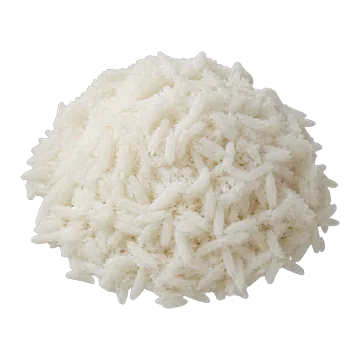 White rice, cooked
Nothing to watch: doesn’t double average intake
7.2 ngper servingadds 1.7–6.2 % to an average adult’s intake (a share of that intake, not of a limit)CFIA 2018–2019 · grade B ?
How it’s rated
No cap. With non-detects counted as zero the mean is 0.159 ng/g; counted at the lowest value detected (0.049 ng/g), which the detection limit cannot exceed, it is at most 0.201. 45 g of dry rice then carries 7.2-9.0 ng, 0.10-0.13 ng/kg body weight, adding 1.7-7.8% to EFSA's adult average (1.66-6.03 ng/kg body weight/day): far from doubling. Margin of exposure against the benchmark dose lower limit (BMDL10) of 4.73 µg/kg body weight/day (kidney lesions, pigs) about 46,000; against 14.5 (kidney tumours, rats) about 141,000.
Intake: one serving a day, 70 kg adult · Level in the food: 0.159 µg/kg (mean, n = 99)
Measured on: category: CFIA targeted survey 2018-2019, product 'Grain - Rice' (rice type not stated; origin unknown 50, US 25, Canada 8, India 6, other 10), as sold
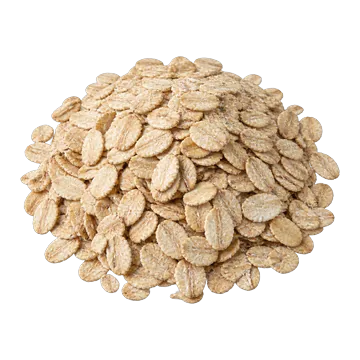 Rolled oats, dry
Nothing to watch: doesn’t double average intake
3.5 ngper servingadds 0.8–3 % to an average adult’s intake (a share of that intake, not of a limit)CFIA 2018–2019 · grade A ?
How it’s rated
No cap. On the lower bound a serving adds 0.8-3.0% to EFSA's adult average (1.66-3.84 ng/kg body weight/day on the lower bound, 3.47-6.03 on the upper). No detection limit is given, but it cannot be higher than a value that was detected, so the highest value found (0.48 µg/kg) caps the mean: even at that level a serving adds only 4.5-16.5%, far from doubling.
Intake: one 40 g dry serving a day, 70 kg adult · Level in the food: 0.087 µg/kg (mean, n = 25)
Measured on: food-specific: CFIA 'Oatmeal' (Flocons d'avoine) retail, dry as sold, April 2018 to March 2019: 9 of 25 detected (0.069-0.48 µg/kg); 'Oat Products' n=24 mean 0.138 (16 detected)
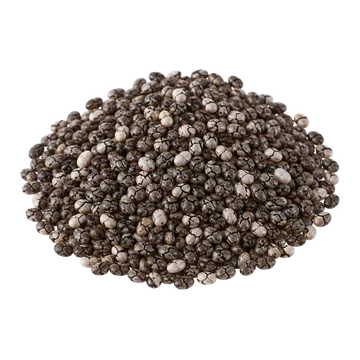 Chia seeds
Nothing to watch: doesn’t double average intake
1.15 ngper servingOTA (lower bound)adds 0.27–0.99 % to an average adult’s intake (a share of that intake, not of a limit)CFIA ochratoxin A survey (2012–2022) · grade A ?
How it’s rated
No cap: no safe limit is set for ochratoxin A; EFSA's 2020 reference point is a benchmark dose lower limit (BMDL10) of 14.5 µg/kg body weight/day (14,500 ng/kg body weight/day). A 15.0 g serving at the lower-bound mean of 0.07684 ng/g carries 1.15 ng, 0.0165 ng/kg body weight/day at 70 kg; the maximum sample (1.14 ng/g) would give 17 ng, 0.24 ng/kg body weight/day. The margin to the BMDL10 is about 880,000 at the mean. Chia is the one food in this family with a real ochratoxin signal in the CFIA survey (18 of 44 samples detected).
Intake: 15 g serving (HC TRA C.5) · Level in the food: 0.077 ng/g (mean (nondetects counted as zero); 18 of 44 samples detected, median 0, max 1.14 ng/g, n = 44)
Measured on: CFIA Food Safety Action Plan targeted survey, ochratoxin A in selected foods 2012-2018 and 2019-22, 'Seed - Chia'; 44 samples; Canada
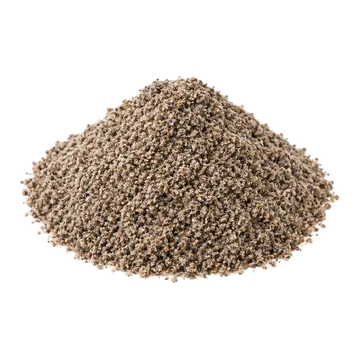 Chia seeds, ground
Nothing to watch: doesn’t double average intake
1.15 ngper servingOTA (lower bound)adds 0.27–0.99 % to an average adult’s intake (a share of that intake, not of a limit)CFIA ochratoxin A survey (2012–2022) · grade A ?
How it’s rated
No cap: no safe level of ochratoxin A is set (EFSA 2020 benchmark dose lower limit (BMDL10) 14.5 µg/kg body weight/day), so there is no grams figure. The CFIA lower-bound mean is 0.07684 ng/g (44 samples, 18 detected), so a 15.0 g serving carries 1.15 ng, 0.0165 ng/kg body weight/day; the maximum sample (1.14 ng/g) would give 17 ng, 0.24 ng/kg body weight/day. The margin to the reference point is about 880,000 at the mean; average background exposure was not compared.
Intake: 15 g serving (HC TRA C.5) · Level in the food: 0.077 ng/g (mean (nondetects counted as zero); 18 of 44 samples detected, median 0, max 1.14 ng/g, n = 44)
Measured on: CFIA Food Safety Action Plan targeted survey, ochratoxin A in selected foods 2012-2018 and 2019-22, 'Seed - Chia'; 44 samples; Canada
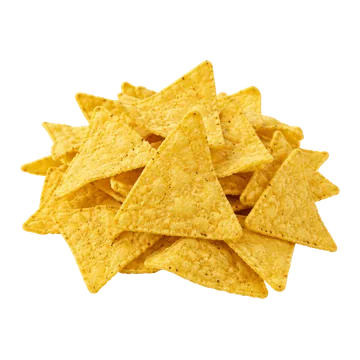 Tortilla chips
Nothing to watch: doesn’t double average intake
1.03 ngper servingadds 0.2–0.9 % to an average adult’s intake (a share of that intake, not of a limit)CFIA ochratoxin A survey (2012–2022) · grade A ?
How it’s rated
No cap: no safe threshold is set for ochratoxin A; EFSA (2020) counts a margin of exposure of 10,000 on a benchmark dose lower limit (BMDL10) of 14.5 µg/kg body weight/day as low concern. A 50 g serving is 1.03 ng, 0.015 ng/kg body weight, and adds 0.2-0.9% to the adult mean (lower-bound means 1.66-3.84, upper-bound 3.47-6.03 ng/kg body weight/day). The highest sample, 0.591 ng/g, gives 29.6 ng, 0.42 ng/kg body weight: 11-25% of the lower-bound mean.
Intake: one 50 g reference serving a day (Health Canada TRA S.1), 70 kg adult · Level in the food: 0.021 ng/g (mean, n = 82)
Measured on: food-specific: CFIA FSAP Targeted Survey - Ochratoxin A in Selected Foods, 2012-2018 and 2019-2022 dataset, product 'Chips - Corn', 82 samples collected 2012-04-12 to 2014-03-22 (24 domestic, 22 import, 36 unknown), Canada; as sold
1 other measurement of this food
- CFIA 2010-11, 58 corn chip samples
Nothing to watch: doesn’t double average intake
3.36 ngper servingadds 0.8–2.9 % to an average adult’s intake (a share of that intake, not of a limit)CFIA 2010–2011 · grade A ?
How it’s rated
No cap: no safe threshold is set for ochratoxin A. A 50 g serving is 3.36 ng, 0.048 ng/kg body weight, 0.8-2.9% of the lower-bound adult mean (1.66-3.84 ng/kg body weight/day). The highest sample, 1.844 ng/g, gives 92 ng, 1.32 ng/kg body weight: 34-79% of that mean. An older source, not averaged with the newer row.
Intake: one 50 g reference serving a day (Health Canada TRA S.1), 70 kg adult · Level in the food: 0.067 ng/g (mean, n = 58)
Measured on: food-specific: CFIA FSAP Targeted Survey - Ochratoxin A and Deoxynivalenol in Selected Foods, 2010-2011, product 'Chips - Corn', retail Canada; as sold
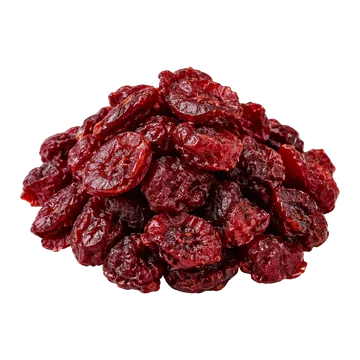 Dried cranberries, sweetened
Nothing to watch: doesn’t double average intake
0.567 ngper servingOTAadds 0.2–0.5 % to an average adult’s intake (a share of that intake, not of a limit)CFIA ochratoxin A survey (2012–2022) · grade B ?
How it’s rated
No cap: no safe level of ochratoxin A is set (EFSA 2020 benchmark dose lower limit (BMDL10) 14.5 µg/kg body weight/day, kidney tumours in rats), so there is no grams figure. The CFIA lower-bound mean is 0.01417 ng/g (12 samples, one detect at 0.17 ng/g), so a 40 g serving carries 0.567 ng (0.0081 ng/kg body weight/day), about 0.2–0.5% of EFSA's lower-bound adult mean exposure (1.68 to 3.84 ng/kg body weight/day). The single positive sample would give 6.8 ng, about 6% of the lowest average. Twelve samples, mostly of unknown origin, make the figure thin.
Intake: one 40 g serving a day, 70 kg adult · Level in the food: 0.014 ng/g (µg/kg) (mean, n = 12)
Measured on: CFIA targeted survey 'Ochratoxin A in Selected Foods 2012-2018 and 2019-2022', product 'Cranberry - dried', 12 samples, 1 detect (0.17 ng/g; non-detects stored as 0), recomputed from the CSV; origins unknown 7, United States 2, United States/Canada 2, Canada 1. Fresh 'Cranberry': 2 samples, none detected (also 2011-12, 2 samples, none).
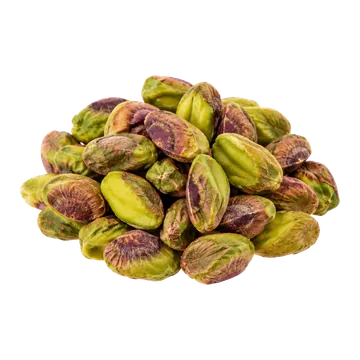 Pistachios, dry-roasted
Nothing to watch: doesn’t double average intake
0.5 ngper servingOTA (lower bound)adds 0.12–0.43 % to an average adult’s intake (a share of that intake, not of a limit)CFIA ochratoxin A survey (2012–2022) · grade B ?
How it’s rated
No cap: no safe limit is set for ochratoxin A; EFSA's 2020 reference point is a benchmark dose lower limit (BMDL10) of 14.5 µg/kg body weight/day (14,500 ng/kg body weight/day). A 30 g serving at the CFIA lower-bound mean of 0.01667 ng/g (30 samples, 5 detected) carries 0.50 ng, 0.0071 ng/kg body weight/day; even at the highest sample, 0.13 ng/g, it is 3.9 ng, 0.056 ng/kg body weight/day.
Intake: 30 g shelled serving (HC TRA O.1) · Level in the food: 0.017 ng/g (mean (nondetects counted as zero); 5 of 30 samples detected, max 0.13 ng/g, n = 30)
Measured on: CFIA Food Safety Action Plan targeted survey, ochratoxin A in selected foods, 2012-2018 and 2019-22, 'Nut - Pistachio'; Canada
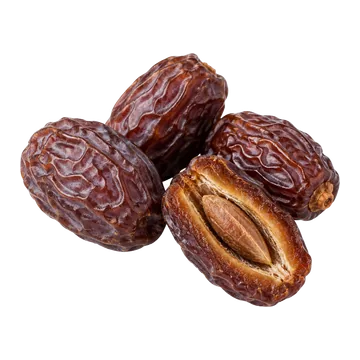 Medjool dates
Nothing to watch: doesn’t double average intake
0.356 ngper servingOTAadds 0.1–0.3 % to an average adult’s intake (a share of that intake, not of a limit)CFIA ochratoxin A survey (2012–2022) · grade A ?
How it’s rated
No cap: no safe level of ochratoxin A is set (EFSA 2020 benchmark dose lower limit (BMDL10) 14.5 µg/kg body weight/day, kidney tumours in rats), so there is no grams figure. The CFIA lower-bound mean is 0.008895 ng/g (57 samples, 7 detects), so a 40 g serving carries 0.356 ng (0.0051 ng/kg body weight/day), about 0.13–0.30% of EFSA's lower-bound adult mean exposure (1.68 to 3.84 ng/kg body weight/day); the highest sample (0.12 ng/g) would give 4.8 ng, about 4%. A separate study of 19 palm dates found one sample at 0.75 µg/kg, which in a 40 g serving is 30 ng, about 11–26%.
Intake: one 40 g serving a day, 70 kg adult · Level in the food: 0.009 ng/g (µg/kg) (mean, n = 57)
Measured on: CFIA targeted survey 'Ochratoxin A in Selected Foods 2012-2018 and 2019-2022', product 'Date', 57 samples, 7 detects (0.043-0.12 ng/g; non-detects stored as 0), recomputed from the CSV; origins unknown 26, Iran 18, China 5, United States 5, Tunisia 2, Canada 1; sampled 2012 onward.
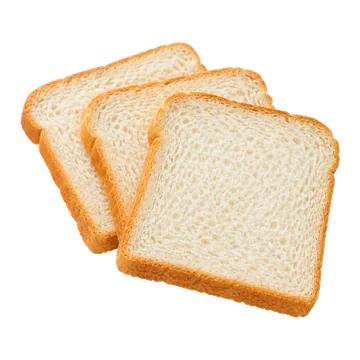 White bread
Nothing to watch: doesn’t double average intake
0.024 µgper servingadds 5.6–20.4 % to an average adult’s intake (a share of that intake, not of a limit)CFIA ochratoxin A survey (2012–2022) · grade A ?
How it’s rated
No cap: no safe threshold for ochratoxin A; EFSA (2020) counts a margin of exposure of 10,000 on a benchmark dose lower limit (BMDL10) of 14.5 µg/kg body weight/day as low concern. A 75 g serving is 23.7 ng, 0.34 ng/kg body weight: +5.6-20.4% of the EFSA adult means (116-422 ng/day).
Intake: one 75 g reference serving a day (Health Canada TRA A.1), 70 kg adult · Level in the food: 0.316 ng/g (mean, n = 209)
Measured on: food-specific: CFIA ochratoxin A in selected foods 2012-2022, 'Bakery Product - Bread' (all bread), retail Canada; as sold
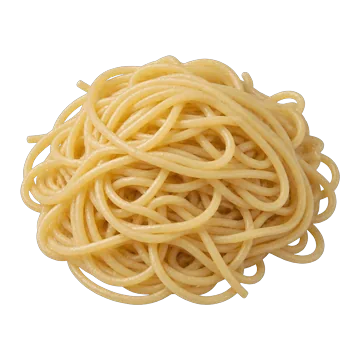 Pasta, cooked
Nothing to watch: doesn’t double average intake
0.021 µgper servingadds 4.9–17.7 % to an average adult’s intake (a share of that intake, not of a limit)CFIA ochratoxin A survey (2012–2022) · grade A ?
How it’s rated
Same occurrence as the dry row, applied to the dry weight of the cooked serving (215 g cooked is about 90 g dry). 85 g x 0.229 µg/kg = 0.0195 µg = 0.000278 µg/kg body weight/day: a margin of exposure of about 52,000 against EFSA's benchmark dose lower limit (BMDL10) of 14.5 µg/kg body weight/day (kidney tumours in rats, EFSA 2020); it adds 4.6-16.8% to the average adult intake (0.00166-0.00603 µg/kg body weight/day), so no cap.
Intake: one 215 g cooked serving (about 90 g dry by SR water contents), 70 kg adult; as-sold concentration, no cooking loss credited (upper bound) · Level in the food: 0.229 µg/kg (mean, n = 190)
Measured on: food-specific: CFIA Food Safety Action Plan targeted survey, OTA in selected foods (dataset title 2012-2018 and 2019-2022; the 402 pasta rows are dated 2013 to 2017), product 'Pasta - Dry', 190 samples, 131 detected, non-detects stored as 0 (lower bound), median 0.126, P95 0.713 (linear interpolation; the 'lower' convention gives 0.671), max 2.82. All pasta products (n = 402): mean 0.164, 56% detected, max 2.82. The 2018-19 multi-mycotoxin survey found 3 of 128 pasta samples with OTA (max 1.5) at its higher detection limit
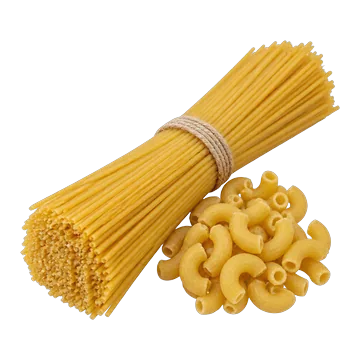 Pasta, dry
Nothing to watch: doesn’t double average intake
0.02 µgper servingadds 4.6–16.8 % to an average adult’s intake (a share of that intake, not of a limit)CFIA ochratoxin A survey (2012–2022) · grade A ?
How it’s rated
85 g x 0.229 µg/kg = 0.0195 µg = 0.000278 µg/kg body weight/day: a margin of exposure of about 52,000 against EFSA's benchmark dose lower limit (BMDL10) of 14.5 µg/kg body weight/day (kidney tumours in rats, EFSA 2020); it adds 4.6-16.8% to the average adult intake (0.00166-0.00603 µg/kg body weight/day), so no cap. Health Canada's proposed maximum for cereal products is 3 ppb (2009, still under consideration); the highest pasta sample, 2.82, is below it.
Intake: one 85 g dry serving a day, 70 kg adult (as sold) · Level in the food: 0.229 µg/kg (mean, n = 190)
Measured on: food-specific: CFIA Food Safety Action Plan targeted survey, OTA in selected foods (dataset title 2012-2018 and 2019-2022; the 402 pasta rows are dated 2013 to 2017), product 'Pasta - Dry', 190 samples, 131 detected, non-detects stored as 0 (lower bound), median 0.126, P95 0.713 (linear interpolation; the 'lower' convention gives 0.671), max 2.82. All pasta products (n = 402): mean 0.164, 56% detected, max 2.82. The 2018-19 multi-mycotoxin survey found 3 of 128 pasta samples with OTA (max 1.5) at its higher detection limit
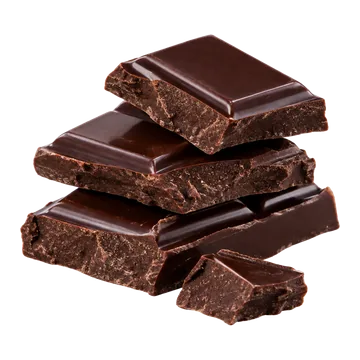 Dark chocolate
Nothing to watch: doesn’t double average intake
0.016 µgper servingadds 3.7–13.4 % to an average adult’s intake (a share of that intake, not of a limit)Health Canada 2013 · grade A ?
How it’s rated
No cap: no safe threshold is set for ochratoxin A (EFSA 2020). A daily 40 g serving carries 15.6 ng, or 0.223 ng/kg body weight. Against the average adult intake (EFSA: 1.66-3.84 ng/kg body weight/day on the lower bound, 3.47-6.03 on the upper) that adds 3.7-13.4%, far from doubling it.
Intake: one 40 g serving a day, 70 kg adult (Health Canada TRA U.1, 40 g) · Level in the food: 0.39 ng/g (mean, n = 20)
Measured on: Health Canada survey of cocoa products sampled in Canada in 2011-2012 (Turcotte AM, Scott PM, Tague B; Mycotoxin Research 2013, doi:10.1007/s12550-013-0167-x): dark chocolate (n 20); 20 of 20 dark chocolates above the quantification limit (quantification limit), mean 0.39 ng/g; HPLC-fluorescence after immunoaffinity clean-up; mean quantification limit for chocolate 0.16 ng/g; mean as reported (bound not stated). Canada.
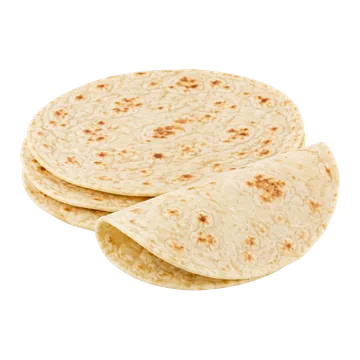 Flour tortillas
Nothing to watch: doesn’t double average intake
0.014 µgper servingadds 3.3–11.9 % to an average adult’s intake (a share of that intake, not of a limit)CFIA 2018–2019 · grade B ?
How it’s rated
No cap: there is no grams figure. A serving carries 0.0138 µg, 0.0002 µg/kg body weight/day; it adds 3.3% to 11.9% to EFSA's average adult intake (1.66-6.03 ng/kg body weight/day). The figure is a proxy, the CFIA wheat-products category (April 2018 to March 2019, 29 samples, mean 0.2504 ng/g, 11 not detected, max 1.48), not tortilla. Tortilla-specific data also exist (Afacan 2025, Turkish retail wheat tortillas, n 16: 5 positive, mean 0.134 µg/kg).
Intake: one 55 g serving a day · Level in the food: 0.25 ng/g (mean (non-detects as 0; 11 of 29 not detected; max 1.48), n = 29)
Measured on: category value, NOT tortilla: CFIA survey April 2018 to March 2019, product 'Wheat Products' (29 samples; the survey's product label, wheat flour or milled products not further described), as sold
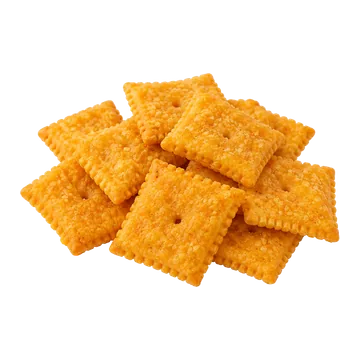 Crackers
Nothing to watch: doesn’t double average intake
0.0076 µgper servingadds 1.8–6.5 % to an average adult’s intake (a share of that intake, not of a limit)CFIA ochratoxin A survey (2012–2022) · grade A ?
How it’s rated
No cap: no safe threshold is set for ochratoxin A; EFSA (2020) counts a margin of exposure of 10,000 on a benchmark dose lower limit (BMDL10) of 14.5 µg/kg body weight/day as low concern. A 30 g serving is 7.6 ng, 0.11 ng/kg body weight, and adds 1.8-6.5% to the adult mean (116-422 ng/day).
Intake: one 30 g reference serving a day (Health Canada TRA A.12), 70 kg adult · Level in the food: 0.252 ng/g (mean, n = 275)
Measured on: food-specific: CFIA ochratoxin A in selected foods 2012-2022, product 'Crackers', retail Canada; as sold
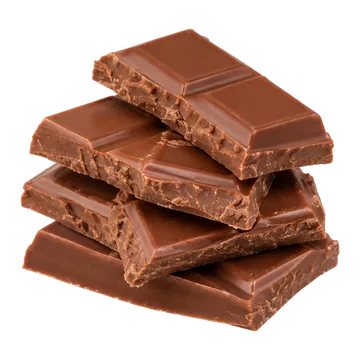 Milk chocolate
Nothing to watch: doesn’t double average intake
0.0076 µgper servingadds 1.8–6.5 % to an average adult’s intake (a share of that intake, not of a limit)Health Canada 2013 · grade A ?
How it’s rated
No cap: no safe threshold is set for ochratoxin A (EFSA 2020). A daily 40 g serving carries 7.6 ng, or 0.109 ng/kg body weight. Against the average adult intake (EFSA: 1.66-3.84 ng/kg body weight/day on the lower bound, 3.47-6.03 on the upper) that adds 1.8-6.5%, far from doubling it.
Intake: one 40 g serving a day, 70 kg adult (Health Canada TRA U.1, 40 g) · Level in the food: 0.19 ng/g (mean, n = 10)
Measured on: Health Canada survey of cocoa products sampled in Canada in 2011-2012 (Turcotte AM, Scott PM, Tague B; Mycotoxin Research 2013, doi:10.1007/s12550-013-0167-x): milk chocolate (n 10); 7 of 10 milk chocolates above the quantification limit (quantification limit), mean 0.19 ng/g; HPLC-fluorescence after immunoaffinity clean-up; mean quantification limit for chocolate 0.16 ng/g; mean as reported (bound not stated). Canada.
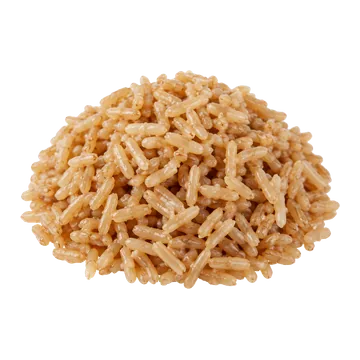 Brown rice, cooked
Nothing to watch: doesn’t double average intake
0.0072 µgper serving45 g dry x 0.159 ng/gadds 1.7–6.2 % to an average adult’s intake (a share of that intake, not of a limit)CFIA 2018–2019 · grade B ?
How it’s rated
No cap: EFSA 2020 sets no safe level for ochratoxin A, so the rating rests on a serving's contribution to average intake. A serving (45 g dry rice) carries 0.0072 µg, 0.0001 µg/kg body weight/day; 85 of 99 CFIA samples had no detectable ochratoxin A (maximum 11.1 ng/g). The survey does not separate brown rice from other rice, and the average-intake background was not computed.
Intake: 45 g dry rice a day, 70 kg adult · Level in the food: 0.159 ng/g (mean (non-detects as 0), n = 99)
Measured on: CFIA targeted survey April 2018 to March 2019, product 'Grain - Rice' (99 samples; the file does not say brown or white; imports from US, India, Thailand, Pakistan and others), sold dry
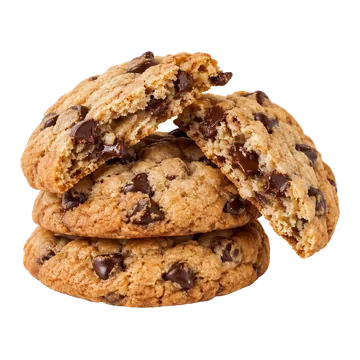 Cookies
Nothing to watch: doesn’t double average intake
0.0053 µgper servingadds 1.2–4.5 % to an average adult’s intake (a share of that intake, not of a limit)CFIA ochratoxin A survey (2012–2022) · grade A ?
How it’s rated
No cap: no safe threshold for ochratoxin A; EFSA (2020) counts a margin of exposure of 10,000 as low concern. A 30 g serving at the mean is 5.2 ng: +1.2-4.5% of the EFSA adult means (116-422 ng/day); at the maximum (4.42 ng/g), 133 ng: +31-114%.
Intake: one 30 g reference serving a day (Health Canada TRA A.10), 70 kg adult · Level in the food: 0.175 ng/g (mean, n = 299)
Measured on: food-specific: CFIA ochratoxin A in selected foods 2012-2022, 'Bakery Product - Cookie', retail Canada; as sold
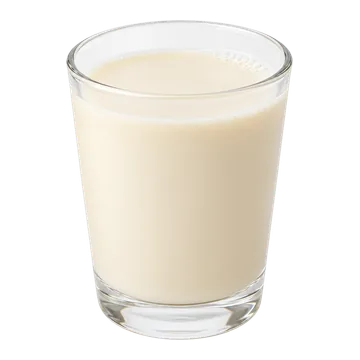 Soy drink, unsweetened, fortified
Nothing to watch: doesn’t double average intake
0.0013 µgper servingadds 0.31–1.1 % to an average adult’s intake (a share of that intake, not of a limit)CFIA ochratoxin A survey (2012–2022) · grade A ?
How it’s rated
No cap: no safe limit is set for ochratoxin A; EFSA's 2020 reference point is a benchmark dose lower limit (BMDL10) of 14.5 µg/kg body weight/day. A 250 g serving at the CFIA lower-bound mean of 0.005196 ng/g (102 samples, 4 detected) adds 0.0013 µg (0.019 ng/kg body weight), and 0.05 µg at the highest sample, 0.202 ng/g. The share of the average adult's intake was not worked out.
Intake: one 250 mL serving (250 g) a day, 70 kg adult · Level in the food: 0.005 ng/g (mean of all samples, non-detects stored as 0 (CFIA targeted survey, RAW; n 102, 4 detects, max 0.202 ng/g), n = 102)
Measured on: CFIA Food Safety Action Plan targeted survey, ochratoxin A in selected foods 2012-2018 and 2019-2022, product 'Beverage - Soy' (retail soy beverage as sold); Canada
Flags and context, not rated by dose
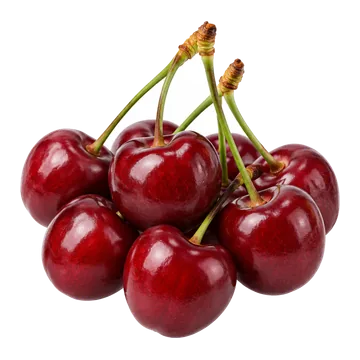 Cherries, raw
Not rated yet
CFIA 2011–2022 · grade C ?
How it’s rated
Not rated: EFSA's 2020 reference point for ochratoxin A is a benchmark dose lower limit (BMDL10) of 14.5 µg/kg body weight/day (kidney tumours in rats), with no safe level. Only 3 CFIA samples exist, 1 with a detect (0.069 ng/g), a mean of 0.023 ng/g, and fresh or dried form is not stated. At 0.069 ng/g a 140 g serving would carry 0.01 µg, but three samples cannot support a rating.
Intake: 140 g, one serving a day (context) · Level in the food: 0.023 ng/g (mean over all samples (non-detects as 0), 1 of 3 detects, n = 3)
Measured on: CFIA targeted OTA surveys 2011-12 (n 2, 1 detect 0.069 ng/g) and 2012-18/2019-22 (n 1, none); fresh or dried form not stated; Canada
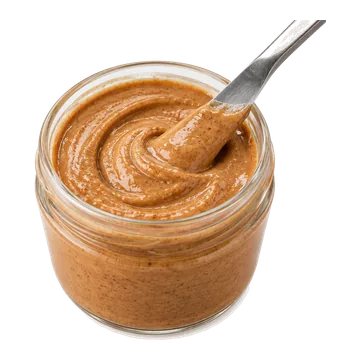 Almond butter
Context
0.75 ngper servingOTA (15 g × 0.05013 ng/g)CFIA ochratoxin A survey (2012–2022) · grade B ?
How it’s rated
Shown as context, not rated: EFSA's 2020 tolerable weekly intake for ochratoxin A is 0.12 µg/kg body weight/week, but it is not applied as a limit here. The CFIA mean for almond butter itself is 0.05013 ng/g with non-detects counted as zero; only 3 of 8 samples had any (maximum 0.221 ng/g), so a 15.0 g serving carries 0.75 ng. Eight samples is small.
Intake: one 15.0 g serving · Level in the food: 0.05 ng/g (mean, non-detects counted as zero (median 0; max 0.221); 3 of 8 detected, n = 8)
Measured on: CFIA targeted survey, ochratoxin A in selected foods 2012-2018 and 2019-2022, product 'Butter - Almond' (the product itself)
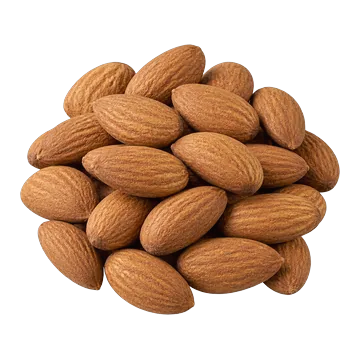 Almonds, raw
Context
0.84 ngper servingCFIA ochratoxin A survey (2012–2022) · grade B ?
How it’s rated
Not rated: no ochratoxin A row in the hazard reference table yet
Intake: one 30 g serving a day, 70 kg adult · Level in the food: 0.028 ng/g (mean, n = 15)
Measured on: food-specific: CFIA 'Nut - Almond' (2020-21 samples); 5 of 15 detected, max 0.12 ng/g; non-detects stored as 0
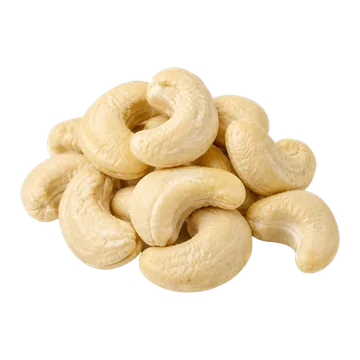 Cashews, raw
Context
CFIA ochratoxin A survey (2012–2022) · grade B ?
How it’s rated
Shown as context, not rated: EFSA's 2020 reference point for ochratoxin A is a benchmark dose lower limit (BMDL10) of 14.5 µg/kg body weight/day. The CFIA survey found no detects in 4 cashew samples, too few to rate.
Intake: 30 g shelled serving · Level in the food: 0 ng/g (mean (nondetects counted as zero), n = 4)
Measured on: CFIA targeted survey, ochratoxin A in selected foods 2012-2018 and 2019-22, 'Nut - Cashew'; 4 samples, 0 detects; Canada
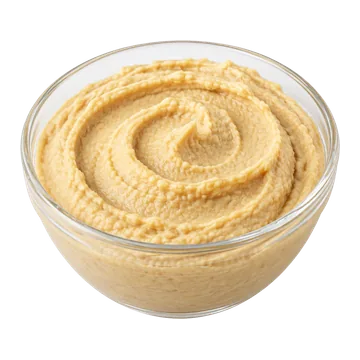 Hummus
Context
2.2 ngper servingOTA (30 g × 0.07477 ng/g)CFIA ochratoxin A survey (2012–2022) · grade B ?
How it’s rated
Shown as context, not rated: ochratoxin A has no safe level (EFSA 2020 benchmark dose lower limit (BMDL10) 14.5 µg/kg body weight/day, a margin-of-exposure reference). CFIA tested 22 hummus samples: 8 detected, mean 0.07477 ng/g counting non-detects as zero (maximum 0.65), so a 30 g serving carries about 2.2 ng. No share of average intake is calculated.
Intake: one 30 g serving · Level in the food: 0.075 ng/g (mean, non-detects counted as zero (8 of 22 detected; median 0; max 0.65), n = 22)
Measured on: CFIA targeted survey, ochratoxin A in selected foods 2012-2018 and 2019-2022, product 'Chickpea Product - Hummus' (the product itself); the 'Chickpea Products' group n 33: mean 0.3761, max 2.97
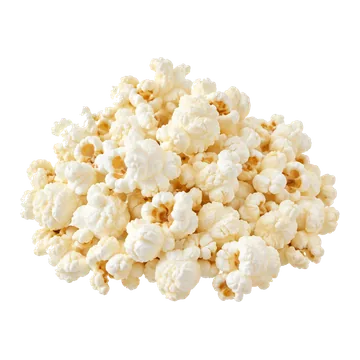 Popcorn, air-popped
Context
How it’s rated
Shown as context, not rated: EFSA's 2020 reference point for ochratoxin A is a benchmark dose lower limit (BMDL10) of 14.5 µg/kg body weight/day, but the only Canadian figure is one CFIA sample, not detected, which is too few to rate. A Spanish study detected it in 10 of 30 popcorn kernel samples (no concentrations in the abstract), so the zero should not be read as absence.
Intake: 50 g popped popcorn serving (HC TRA S.1) · Level in the food: 0 ng/g (1 sample, not detected, n = 1)
Measured on: CFIA targeted survey, ochratoxin A in selected foods 2011-12, "Popcorn"; 1 sample; Canada
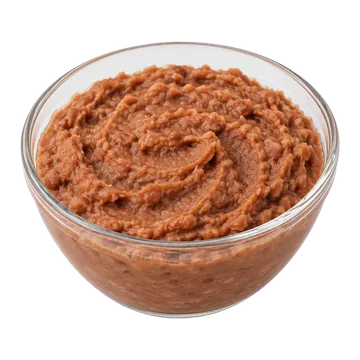 Refried beans, canned
Context
123 ngper servingOTA (90.35 g × 1.362 ng/g)CFIA ochratoxin A survey (2012–2022) · grade B ?
How it’s rated
Shown as context, not rated: ochratoxin A has no safe level (EFSA's 2020 benchmark dose lower limit (BMDL10) is 14.5 µg/kg body weight/day, for kidney tumours), and the average adult intake is not available to test a share against. At the CFIA bean-products mean of 1.362 ng/g (35 samples, 17 detected, maximum 26.1), a 90 g serving carries 123 ng, 1.8 ng/kg body weight; a few lots drive the figure.
Intake: one 90 g serving · Level in the food: 1.362 ng/g (mean, non-detects counted as zero (17 of 35 detected; median 0; max 26.1), n = 35)
Measured on: CFIA targeted survey, ochratoxin A in selected foods 2012-2018 and 2019-2022, category 'Bean Products'; dried 'Bean - Pinto' n 25, 3 detected, mean 0.8646, max 21.35
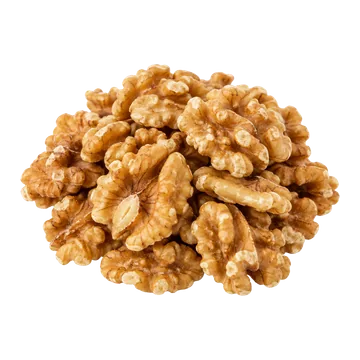 Walnuts, raw
Context
CFIA ochratoxin A survey (2012–2022) · grade B ?
How it’s rated
Shown as context, not rated: ochratoxin A was detected in none of 5 CFIA samples (2012-2018 and 2019-22 surveys), too few to rate or to give a contribution figure; EFSA's 2020 benchmark dose lower limit (BMDL10) is 14.5 µg/kg body weight/day.
Intake: 30 g shelled serving · Level in the food: 0 ng/g (mean (nondetects counted as zero), n = 5)
Measured on: CFIA Food Safety Action Plan targeted survey, ochratoxin A in selected foods 2012-2018 and 2019-22, 'Nut - Walnut'; 5 samples, 0 detects; Canada
Sources
- CFIA, Food Safety Action Plan Targeted Survey - Ochratoxin A and Deoxynivalenol in Selected Foods - 2010-2011, open.canada.ca dataset 4c43a389-245b-4c6c-a28a-c88235064e1b (resource b87d36bc-a568-4dc5-8391-9d8afdbf6048); report page inspection.canada.ca "2010-2011 Ochratoxin A and Deoxynivalenol in Selected Foods"
cfia-don-ota-2010-11· dataset · Open Government Licence - Canada - CFIA, Food Safety Action Plan Targeted Survey - Ochratoxin A in Selected Foods - 2011-2012
cfia-ota-2011-12· secondary source · Government of Canada terms (Crown copyright) - CFIA, Food Safety Action Plan Targeted Survey - Ochratoxin A in Selected Foods, 2012-2018 and 2019-2022
cfia-ota-2012-2022· dataset · Open Government Licence - Canada 2.0 (as for the other CFIA datasets; not checked on this page) - CFIA, Ochratoxin A in Wheat Products, Oat Products, Rice Products and Other Grain Products, April 1, 2018 to March 31, 2019
cfia-ota-2018-2019· dataset · Open Government Licence - Canada - CFIA, Food Safety Action Plan Targeted Survey - Ochratoxin A and Deoxynivalenol in Selected Foods - 2010-2011 (open data, datastore resource b87d36bc-a568-4dc5-8391-9d8afdbf6048)
cfia-ota-don-2010-2011· dataset · Open Government Licence - Canada 2.0 - CFIA, Ochratoxin A in Wheat Products, Oat Products, Rice Products and Other Grain Products, April 1 2018 to March 31 2019 (495 samples; 99 'Grain - Rice')
cfia-ota-grains-2018-2019· full text read · Open Government Licence - Canada - CFIA, ochratoxin A in selected foods, targeted surveys 2011-12 and 2012-18/2019-22 (open.canada.ca resources e8611921...
cfia-ota-selected-foods-2011-2022· secondary source · Open Government Licence - Canada - EFSA CONTAM Panel (2020) Risk assessment of ochratoxin A in food. EFSA Journal 18(5):6113 · doi:10.2903/j.efsa.2020.6113 · PMID 37649524
efsa-2020-ochratoxin· full text read · EFSA Journal: CC BY-ND 4.0 - EFSA CONTAM Panel, Risk assessment of ochratoxin A in food. EFSA J 2020;18:e6113 · doi:10.2903/j.efsa.2020.6113 · PMID 37649524
efsa-2020-ota· abstract only · EFSA Journal, open access - Turcotte AM, Scott PM, Tague B (2013) Analysis of cocoa products for ochratoxin A and aflatoxins. Mycotoxin Research (Aug 2013) · doi:10.1007/s12550-013-0167-x · PMID 23564311
hc-ota-chocolate-2013· abstract only · publisher; abstract quoted - Health Canada, Canadian Total Diet Study - Ochratoxin A (OTA) 2008-2009, open.canada.ca dataset 71fa9c90-f690-4928-9239-69b4ecbeccee (resource 237fe2c2-2f86-4ef4-b11d-485a28f8a57a, French)
hc-tds-ota-2008-09· dataset · Open Government Licence - Canada - Tozlovanu M, Pfohl-Leszkowicz A. Ochratoxin A in roasted coffee from French supermarkets and transfer in coffee beverages: comparison of analysis methods. Toxins 2010;2:1928 · doi:10.3390/toxins2081928 · PMID 22069666
pmid:22069666· full text read · CC BY 3.0 - Malir F et al. Transfer of ochratoxin A into tea and coffee beverages. Toxins 2014;6:3438 · doi:10.3390/toxins6123438 · PMID 25525684
pmid:25525684· full text read · CC BY