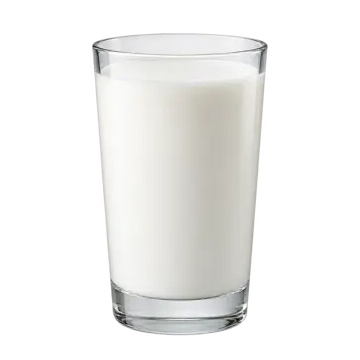
Whole milk
Checked by us One serving: 263 g (about 250 mL) · 158 kcal
Lots of vitamin B12, vitamin D and calcium. Rich in 1 more nutrient: see Good for.
A lot per serving: saturated and trans fat. Nothing else to watch for most people.
Worth knowing for some people: lactose intolerance.
Good for
How we counted this
What one serving (263 g) gives you.
Your body needs enough of each of these. Past enough, more doesn’t help. Amounts are what the food databases list, not what your body absorbs, unless a row says it was measured.
The words: “A lot” means one serving gives 20% or more of Health Canada’s daily amount, “Some” 10% to 19%, “A little” 2% to 9%, “Almost none” under 2%. Strongest word first; within a word, protein and fibre lead, then the biggest share. ?
A milligram (mg) is a thousandth of a gram, and a microgram (µg) a thousandth of a milligram: 1,000 µg make 1 mg.
- A lot
Vitamin B12
Your body needs it to make red blood cells and keep nerves working.
Learn more
1.42 µg in one serving: 59% of the 2.4 µg a day.
Listed amount only. 1 absorption study of this nutrient is on file for this food, but none is quoted yet. Each one is in The numbers, with the reason. See the studies
Source: NIH Office of Dietary Supplements, vitamin B12 fact sheet for health professionals
- A lot
Vitamin D
Your body needs it to absorb calcium and keep your bones hard.
Learn more
Your skin also makes it in sunlight, so food is only one of its sources.
5.1 µg in one serving: 34% of the 15 µg a day.
Added to this milk by law in Canada; the label gives the Canadian amount.
Source: How much of it gets in hasn’t been measured for this food yet. NIH Office of Dietary Supplements, vitamin D fact sheet for health professionals
- A lot
Calcium
Builds your bones and teeth.
The label says 323.6 mg of calcium. Your body gets about 103.9 mg.
From our evidence: Calcium on the label vs calcium absorbed →
Learn more
tested at 312 mg · Heaney & Weaver 1990: milk (same study as kale) · grade A
- refWhole milk263 g · reference, not ranked · 32.1% gets in · tested at 312 mg104mglabel 324
Listed: 324 mg. The word above is read from how well this calcium gets in compared with milk’s: 324 mg × 32.1% (gets in from this food) ÷ 32.1% (from milk) = 324 mg, counted as milk’s calcium, which is 32% of 1,000 mg a day.
Source: NIH Office of Dietary Supplements, calcium fact sheet for health professionals
- ref
- A lot
Riboflavin (B2)
Your cells use it to make energy and handle fats. It also helps turn tryptophan into niacin and activate vitamin B6.
Learn more
0.36 mg in one serving: 28% of the 1.3 mg a day men need, 33% of the 1.1 mg women need. The word follows the smaller share, which is the share of the higher amount. ?
Listed amount only. 1 absorption study of this nutrient is on file for this food, but none is quoted yet. Each one is in The numbers, with the reason. See the studies
Source: NIH Office of Dietary Supplements, riboflavin fact sheet for health professionals
18 more nutrients below “a lot”
- Some
Protein
Your muscles, and every other tissue, are built and repaired from it.
Learn more
8.6 g in one serving: 15% of the 56 g a day men need, 19% of the 46 g women need. The word follows the smaller share, which is the share of the higher amount. ?
Listed amount only. 2 absorption studies of this nutrient are on file for this food, but none is quoted yet. Each one is in The numbers, with the reason. See the studies
- Some
Vitamin B6
Helps you use protein, and your brain needs it to make its chemical messengers.
Learn more
0.16 mg in one serving: 12% of the 1.3 mg a day.
Source: How much of it gets in hasn’t been measured for this food yet. NIH Office of Dietary Supplements, vitamin B6 fact sheet for health professionals
- Some
Omega-3: ALA
The one omega-3 your body can’t make: it must come from food. Your cells build it into their membranes and burn it for energy.
Learn more
197 mg in one serving: 12% of the 1,600 mg a day men need, 18% of the 1,100 mg women need. The word follows the smaller share, which is the share of the higher amount. ?
Source: How much of it gets in hasn’t been measured for this food yet. NIH Office of Dietary Supplements, omega-3 fatty acids fact sheet for health professionals
- Some
Thiamin (B1)
Your cells use it to get energy from food, and so to grow and work.
Learn more
0.15 mg in one serving: 13% of the 1.2 mg a day men need, 14% of the 1.1 mg women need. The word follows the smaller share, which is the share of the higher amount. ?
Source: How much of it gets in hasn’t been measured for this food yet. NIH Office of Dietary Supplements, thiamin fact sheet for health professionals
- Some
Potassium
Your nerves, muscles and kidneys need it to work.
Learn more
395 mg in one serving: 12% of the 3,400 mg a day men need, 15% of the 2,600 mg women need. The word follows the smaller share, which is the share of the higher amount. ?
Source: How much of it gets in hasn’t been measured for this food yet. NIH Office of Dietary Supplements, potassium fact sheet for health professionals
- Some
Zinc
Your immune system and healing wounds depend on it.
Learn more
1.11 mg in one serving: 10% of the 11 mg a day men need, 14% of the 8 mg women need. The word follows the smaller share, which is the share of the higher amount. ?
Listed amount only. 1 absorption study of this nutrient is on file for this food, but none is quoted yet. Each one is in The numbers, with the reason. See the studies
Source: NIH Office of Dietary Supplements, zinc fact sheet for health professionals
- Some
Niacin (B3, niacin equivalents)
More than 400 of your enzymes need it to work.
Learn more
1.54 mg in one serving: 10% of the 16 mg a day men need, 11% of the 14 mg women need. The word follows the smaller share, which is the share of the higher amount. ?
Source: How much of it gets in hasn’t been measured for this food yet. NIH Office of Dietary Supplements, niacin fact sheet for health professionals
- A little
Vitamin A
Your eyes need it to see in dim light.
Learn more
Getting enough matters; more than enough doesn’t sharpen your sight.
84.2 µg in one serving: 9% of the 900 µg a day men need, 12% of the 700 µg women need. The word follows the smaller share, which is the share of the higher amount. ?
Source: How much of it gets in hasn’t been measured for this food yet. NIH Office of Dietary Supplements, vitamin A fact sheet for health professionals
- A little
Selenium
Your thyroid uses it to make its hormones.
Learn more
5 µg in one serving: 9% of the 55 µg a day.
Listed amount only. 1 absorption study of this nutrient is on file for this food, but none is quoted yet. Each one is in The numbers, with the reason. See the studies
Source: NIH Office of Dietary Supplements, selenium fact sheet for health professionals
- A little
Choline
Your cells need it for their membranes, and to make acetylcholine, a messenger for memory, mood and muscle control.
Learn more
46.8 mg in one serving: 9% of the 550 mg a day men need, 11% of the 425 mg women need. The word follows the smaller share, which is the share of the higher amount. ?
Source: How much of it gets in hasn’t been measured for this food yet. NIH Office of Dietary Supplements, choline fact sheet for health professionals
- A little
Magnesium
Your muscles and nerves need it to work.
Learn more
31.3 mg in one serving: 8% of the 400 mg a day men need, 10% of the 310 mg women need. The word follows the smaller share, which is the share of the higher amount. ?
Source: How much of it gets in hasn’t been measured for this food yet. NIH Office of Dietary Supplements, magnesium fact sheet for health professionals
- Almost none
Omega-3: EPA + DHA
Long-chain omega-3s, built into your cell membranes. DHA is concentrated in your brain and retinas.
Learn more
2.63 mg in one serving: 1% of the 250 mg a day.
Health Canada sets no daily amount for these fats, so the daily figure here is the European Food Safety Authority’s.
Source: How much of it gets in hasn’t been measured for this food yet. NIH Office of Dietary Supplements, omega-3 fatty acids fact sheet for health professionals
- Almost none
Vitamin E
Shields the fats in your cells from damage; your immune system uses it too.
Learn more
0.13 mg in one serving: 1% of the 15 mg a day.
Source: How much of it gets in hasn’t been measured for this food yet. NIH Office of Dietary Supplements, vitamin E fact sheet for health professionals
- Almost none
Vitamin K1
Your blood needs it to clot.
Learn more
0.79 µg in one serving: 1% of the 120 µg a day men need, 1% of the 90 µg women need. The word follows the smaller share, which is the share of the higher amount. ?
Source: How much of it gets in hasn’t been measured for this food yet. NIH Office of Dietary Supplements, vitamin K fact sheet for health professionals
- Almost none
Fibre
Keeps your gut moving.
Learn more
0 g in one serving: under 1% of the 38 g a day men need, under 1% of the 25 g women need. The word follows the smaller share, which is the share of the higher amount. ?
Source: How much of it gets in hasn’t been measured for this food yet. Institute of Medicine 2005, Dietary Reference Intakes for Energy, Carbohydrate, Fiber, Fat, Fatty Acids, Cholesterol, Protein, and Amino Acids
- Almost none
Folate
Your body needs it to make DNA and to divide new cells.
Learn more
0 µg in one serving: under 1% of the 400 µg a day.
Source: How much of it gets in hasn’t been measured for this food yet. NIH Office of Dietary Supplements, folate fact sheet for health professionals
- Almost none
Iron
Carries oxygen in your blood.
Learn more
0 mg in one serving: under 1% of the 8 mg a day men need, under 1% of the 18 mg women need. The word follows the smaller share, which is the share of the higher amount. ?
Source: How much of it gets in hasn’t been measured for this food yet. NIH Office of Dietary Supplements, iron fact sheet for health professionals
- Almost none
Vitamin C
Your body makes collagen with it, which wounds need to heal. It also helps you absorb iron from plants.
Learn more
0 mg in one serving: under 1% of the 90 mg a day men need, under 1% of the 75 mg women need. The word follows the smaller share, which is the share of the higher amount. ?
Source: How much of it gets in hasn’t been measured for this food yet. NIH Office of Dietary Supplements, vitamin C fact sheet for health professionals
Watch out
How we counted this
Checked for cadmium and lead: fine at normal amounts.
Cadmium
Nothing to watchYou’d need more than 100 servings a day, every day, of this food alone to use up what an average adult’s intake leaves under the limit.
Learn more
One serving carries 0.04 µg
How we got this
A serving a day adds 0.2% to what an average adult already takes in: a share of that intake, not of the limit. With that serving every day, an average adult would be at about 71% of the limit.
An average adult already takes in about 71% of the limit. One serving a day fits in the room left.
Counted from zero, with no allowance for what adults already take in from other food, 1,100,000 g a week would reach the limit.
Why this rating: Eating it daily comes to 1,842 g a week, which stays within the 310,000 g of room left before the limit.
The dataset’s rating: Nothing to watch: under the limit
A daily serving adds 0.23% to an average adult's cadmium intake (EFSA 2012 adult median, 1.77 µg/kg body weight/week; Canadian adults in 2007: 1.2-1.75), far from doubling it, so no cap.
Health Canada, Canadian Total Diet Study – Trace Elements (2005–2018 composites) · grade A
Lead
Nothing to watchYou’d need more than 100 servings a day, every day, of this food alone to double the lead an average adult already gets. No dose is known to be safe, so doubling is where we flag.
Learn more
A serving a day adds 0.1% to what an average adult already takes in. There is no limit to take a share of.
One serving carries 0.05 µg
How we got this
The dataset’s rating: Nothing to watch: doesn’t double average intake
adds 0.1% (lower bound)
Health Canada, Canadian Total Diet Study – Trace Elements (2005–2018 composites) · grade A
For some people
Lactose intolerance
A 263 g serving carries about 10.2–13.3 g of lactose. · US food database (USDA Foundation Foods), US food database (USDA SR Legacy), Canadian Nutrient File 2026, UK food tables (CoFID 2021) · grade B
EFSA: the vast majority of people who digest lactose poorly tolerate up to 12 g at once, with no or minor symptoms. Some react to under 6 g.
Lactose intolerance isn’t a milk allergy: the gut can’t digest the sugar, whereas an allergy is the immune system reacting to milk protein.
Source: EFSA NDA Panel, Scientific opinion on lactose thresholds in lactose intolerance and galactosaemia, EFSA Journal 2010 · Health Canada, Milk – a priority food allergen
Worth knowing
No limit applies, so none is rated.
Sodium and saturated fat
One 263 g serving, as a share of the label’s daily value: sodium 100 mg (4%) · saturated and trans fat 5.2 g (26%)
Learn more
We name one of these whenever a serving gives 20% or more of its daily value on Health Canada’s Table of Daily Values (sodium 2,300 mg, saturated and trans fat together 20 g), the same 20% that reads “a lot” under Good for. The same rule applies to every food. Daily values are what labels count against, not limits.
Source: Health Canada, Table of Daily Values (nutrition labelling)
Sugar
13 g of sugar in a 263 g serving, natural and added together.
Learn more
Shown, not rated. The food tables we read give total sugar, and few give added sugar, so the site can’t yet tell sugar added in making a food from the sugar in fruit or milk.
Better options
How we counted this
“Better” here always means better at something the row names: more of one nutrient, more nutrients per serving, or the goal you pick. It never means better in every way.
Every amount below is for the same weight, 263 g, the size of one serving of this food, so a swap compares like with like. A serving of another food can be bigger or smaller.
A food is listed only if it gives clearly more: at least a fifth more than this food, and at least 10% of the daily amount more.
More of what it’s good for
More vitamin B12
 Greek yogurt, plain, nonfat1.97 µg in 263 g (this food: 1.42 µg) · but less vitamin D
 Cottage cheese1.74 µg in 263 g (this food: 1.42 µg) · but less vitamin D
Amounts as listed, not adjusted for how much gets in.
For vitamin D: Processed cheese slices would lead, in the same 263 g, but is left out (Worth knowing: dioxins and dioxin-like PCBs · portions too different to compare by weight).
For calcium: no other dairy foods we’ve checked let clearly more in, in the same 263 g.
More nutrients per serving, counted together
The other dairy foods we’ve checked with more nutrients per serving than this one, counting at most 100 kcal. One score ranks them all, so the same few often lead.
- Greek yogurt, plain, nonfat
- More selenium (25.5 µg vs 5 µg)
- More protein (26.8 g vs 8.6 g)
- More riboflavin (0.73 mg vs 0.36 mg)
- Less vitamin D (0 µg vs 5.1 µg)
- Less omega-3: ALA (2.63 mg vs 197 mg)
- Cottage cheese
- More protein (30.6 g vs 8.6 g)
- More selenium (25.5 µg vs 5 µg)
- More niacin (6.71 mg vs 1.54 mg)
- Less vitamin D (0.26 µg vs 5.1 µg)
2 foods out of the 6 other dairy foods we’ve checked and could compare give clearly more nutrients per serving.
Where the calcium card measured that less calcium gets in than from milk, calcium counts for less; everything else is as listed.
Your goal
Your goal changes only this list, not what the food gives you or what to watch.
Losing weight: fewer calories, and more nutrients, protein and fibre for each calorie.
- Skim milk
- 89 kcal in 263 g (this food: 158)
- Less vitamin D (3.16 µg vs 5.1 µg)
- Less omega-3: ALA (2.63 mg vs 197 mg)
- Greek yogurt, plain, nonfat
- More selenium (25.5 µg vs 5 µg)
- More protein (26.8 g vs 8.6 g)
- More riboflavin (0.73 mg vs 0.36 mg)
- Less vitamin D (0 µg vs 5.1 µg)
- Less omega-3: ALA (2.63 mg vs 197 mg)
 Kefir, low-fat
- 113 kcal in 263 g (this food: 158)
- More vitamin A (450 µg vs 84.2 µg)
- Less vitamin B12 (0.76 µg vs 1.42 µg)
- Less vitamin D (2.63 µg vs 5.1 µg)
Building muscle: more protein and more calories, per 100 g.
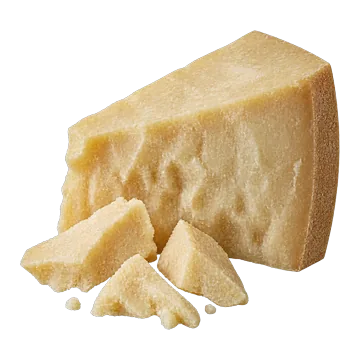 Parmesan35.8 g protein · 392 kcal per 100 g
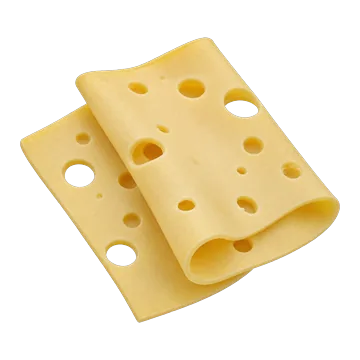 Swiss cheese27 g protein · 393 kcal per 100 g
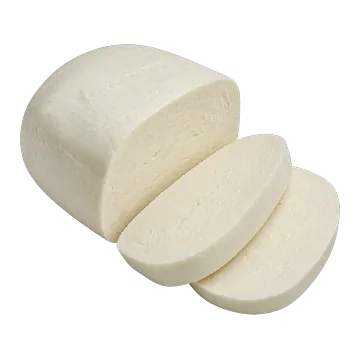 Mozzarella, part-skim23.7 g protein · 298 kcal per 100 g
Why some foods aren’t suggested
Left out: Processed cheese slices (Worth knowing: dioxins and dioxin-like PCBs · portions too different to compare by weight).
Bring a tracker export or describe your usual week. The same rules check all of it.
The numbers
Open every value
Name in the database: Whole milk (reference)
How the serving was set: 250 mL = 263.1 g (Health Canada D.11; FDC 249 g per cup)
Listed nutrients, per 100 g
For each nutrient, the value this page uses is marked “used”. A row marked “second database” is another database’s figure for a matching food, kept so you can see how far databases disagree (they can differ in the samples analysed, lab methods and rounding). Its own cells are worked out from it, but none of the page’s words or scores are.
| Nutrient | Per serving | Per 100 calories | How | Source | Grade | |
|---|---|---|---|---|---|---|
| Omega-3: ALA | 0.075 g | 0.2 g | 0.13 g | from SR Legacy used | US food database (USDA SR Legacy) #172217 | C |
| Calcium | 123 mg | 323.61 mg | 205 mg | listed used | US food database (USDA Foundation Foods) #746782 | C |
| 120 mg | 315.72 mg | 200 mg | second database · not used | UK food tables (CoFID 2021) #12-596 | C | |
| 115 mg | 302.57 mg | 191.67 mg | second database · not used | Canadian Nutrient File 2026 #113 | C | |
| Carbohydrate | 4.63 g | 12.18 g | 7.72 g | listed used | US food database (USDA Foundation Foods) #746782 | C |
| Choline | 17.8 mg | 46.83 mg | 29.67 mg | listed used | US food database (USDA Foundation Foods) #746782 | C |
| Energy | 60 kcal | 157.86 kcal | – | FDC Energy (kcal) used | US food database (USDA Foundation Foods) | – |
| Omega-3: EPA + DHA | 0.001 g | 0 g | 0 g | listed used | US food database (USDA Foundation Foods) #746782 | C |
| Fat | 3.2 g | 8.42 g | 5.33 g | listed used | US food database (USDA Foundation Foods) #746782 | C |
| 3.6 g | 9.47 g | 6 g | second database · not used | UK food tables (CoFID 2021) #12-596 | C | |
| Cholesterol | 12 mg | 31.57 mg | 20 mg | listed used | US food database (USDA Foundation Foods) #746782 | C |
| Fatty acids, total saturated | 1.86 g | 4.89 g | 3.1 g | listed used | US food database (USDA Foundation Foods) #746782 | C |
| Fibre | 0 g | 0 g | 0 g | from SR Legacy used | US food database (USDA SR Legacy) #172217 | C |
| 0 g | 0 g | 0 g | second database · not used | UK food tables (CoFID 2021) #12-596 | C | |
| Folate | 0 µg | 0 µg | 0 µg | listed used | US food database (USDA Foundation Foods) #746782 | C |
| 8 µg | 21.05 µg | 13.33 µg | second database · not used | UK food tables (CoFID 2021) #12-596 | C | |
| Iron | 0 mg | 0 mg | 0 mg | listed used | US food database (USDA Foundation Foods) #746782 | C |
| 0.02 mg | 0.05 mg | 0.03 mg | second database · not used | UK food tables (CoFID 2021) #12-596 | C | |
| Magnesium | 11.9 mg | 31.31 mg | 19.83 mg | listed used | US food database (USDA Foundation Foods) #746782 | C |
| 11 mg | 28.94 mg | 18.33 mg | second database · not used | UK food tables (CoFID 2021) #12-596 | C | |
| Niacin (B3, niacin equivalents) | 0.587 mg | 1.54 mg | 0.98 mg | listed used | Canadian Nutrient File 2026 #113 | C |
| Phosphorus | 101 mg | 265.73 mg | 168.33 mg | listed used | US food database (USDA Foundation Foods) #746782 | C |
| 96 mg | 252.58 mg | 160 mg | second database · not used | UK food tables (CoFID 2021) #12-596 | C | |
| Potassium | 150 mg | 394.65 mg | 250 mg | listed used | US food database (USDA Foundation Foods) #746782 | C |
| 157 mg | 413.07 mg | 261.67 mg | second database · not used | UK food tables (CoFID 2021) #12-596 | C | |
| Protein | 3.27 g | 8.6 g | 5.45 g | listed used | US food database (USDA Foundation Foods) #746782 | C |
| 3.4 g | 8.95 g | 5.67 g | second database · not used | UK food tables (CoFID 2021) #12-596 | C | |
| Riboflavin (B2) | 0.138 mg | 0.36 mg | 0.23 mg | listed used | US food database (USDA Foundation Foods) #746782 | C |
| 0.23 mg | 0.61 mg | 0.38 mg | second database · not used | UK food tables (CoFID 2021) #12-596 | C | |
| Selenium | 1.9 µg | 5 µg | 3.17 µg | listed used | US food database (USDA Foundation Foods) #746782 | C |
| 1 µg | 2.63 µg | 1.67 µg | second database · not used | UK food tables (CoFID 2021) #12-596 | C | |
| Sodium | 38 mg | 99.98 mg | 63.33 mg | listed used | US food database (USDA Foundation Foods) #746782 | C |
| 42 mg | 110.5 mg | 70 mg | second database · not used | UK food tables (CoFID 2021) #12-596 | C | |
| Sugars | 5.05 g | 13.29 g | 8.42 g | from SR Legacy used | US food database (USDA SR Legacy) #172217 | C |
| 4.6 g | 12.1 g | 7.67 g | second database · not used | UK food tables (CoFID 2021) #12-596 | C | |
| Thiamin (B1) | 0.056 mg | 0.15 mg | 0.09 mg | listed used | US food database (USDA Foundation Foods) #746782 | C |
| 0.03 mg | 0.08 mg | 0.05 mg | second database · not used | UK food tables (CoFID 2021) #12-596 | C | |
| Vitamin A | 32 µg | 84.19 µg | 53.33 µg | listed used | US food database (USDA Foundation Foods) #746782 | C |
| Vitamin B12 | 0.54 µg | 1.42 µg | 0.9 µg | listed used | US food database (USDA Foundation Foods) #746782 | C |
| 0.9 µg | 2.37 µg | 1.5 µg | second database · not used | UK food tables (CoFID 2021) #12-596 | C | |
| Vitamin B6 | 0.061 mg | 0.16 mg | 0.1 mg | listed used | US food database (USDA Foundation Foods) #746782 | C |
| 0.06 mg | 0.16 mg | 0.1 mg | second database · not used | UK food tables (CoFID 2021) #12-596 | C | |
| Vitamin C | 0 mg | 0 mg | 0 mg | from SR Legacy used | US food database (USDA SR Legacy) #172217 | C |
| 2 mg | 5.26 mg | 3.33 mg | second database · not used | UK food tables (CoFID 2021) #12-596 | C | |
| Vitamin D | 1.939 µg | 5.1 µg | 3.23 µg | listed used | Canadian Nutrient File 2026 #113 | C |
| 0.96 µg | 2.53 µg | 1.6 µg | second database · not used · 2× | US food database (USDA Foundation Foods) #746782 | C | |
| Vitamin E | 0.05 mg | 0.13 mg | 0.08 mg | listed used | US food database (USDA Foundation Foods) #746782 | C |
| 0.06 mg | 0.16 mg | 0.1 mg | second database · not used | UK food tables (CoFID 2021) #12-596 | C | |
| Vitamin K1 | 0.3 µg | 0.79 µg | 0.5 µg | from SR Legacy used | US food database (USDA SR Legacy) #172217 | C |
| 0.6 µg | 1.58 µg | 1 µg | second database · not used · 2× | UK food tables (CoFID 2021) #12-596 | C | |
| Water | 88.1 g | 231.79 g | 146.83 g | listed used | US food database (USDA Foundation Foods) #746782 | C |
| 87.6 g | 230.48 g | 146 g | second database · not used | UK food tables (CoFID 2021) #12-596 | C | |
| Zinc | 0.42 mg | 1.11 mg | 0.7 mg | listed used | US food database (USDA Foundation Foods) #746782 | C |
| 0.5 mg | 1.32 mg | 0.83 mg | second database · not used | UK food tables (CoFID 2021) #12-596 | C |
| Nutrient | Per 100 g | Per serving | Per 100 calories | How | Source | Grade |
|---|---|---|---|---|---|---|
| Beta-carotene | 7 µg | 18.42 µg | 11.67 µg | listed used | US food database (USDA Foundation Foods) #746782 | C |
| 14 µg | 36.83 µg | 23.33 µg | second database · not used · 2× | UK food tables (CoFID 2021) #12-596 | C | |
| Copper | 0.001 mg | 0 mg | 0 mg | listed used | US food database (USDA Foundation Foods) #746782 | C |
| Energy (Atwater general) | 61 kcal | 160.49 kcal | 101.67 kcal | listed used | US food database (USDA Foundation Foods) #746782 | C |
| Energy (Atwater specific) | 60 kcal | 157.86 kcal | 100 kcal | listed used | US food database (USDA Foundation Foods) #746782 | C |
| Nitrogen | 0.51 g | 1.34 g | 0.85 g | listed used | US food database (USDA Foundation Foods) #746782 | C |
| Ash | 0.8 g | 2.1 g | 1.33 g | listed used | US food database (USDA Foundation Foods) #746782 | C |
| Sucrose | 0 g | 0 g | 0 g | listed used | US food database (USDA Foundation Foods) #746782 | C |
| Glucose | 0 g | 0 g | 0 g | listed used | US food database (USDA Foundation Foods) #746782 | C |
| Fructose | 0 g | 0 g | 0 g | listed used | US food database (USDA Foundation Foods) #746782 | C |
| Maltose | 0 g | 0 g | 0 g | listed used | US food database (USDA Foundation Foods) #746782 | C |
| Alcohol, ethyl | 0 g | 0 g | 0 g | from SR Legacy used | US food database (USDA SR Legacy) #172217 | C |
| Caffeine | 0 mg | 0 mg | 0 mg | from SR Legacy used | US food database (USDA SR Legacy) #172217 | C |
| Theobromine | 0 mg | 0 mg | 0 mg | from SR Legacy used | US food database (USDA SR Legacy) #172217 | C |
| Energy | 251 kj | 660.38 kj | 418.33 kj | listed used | US food database (USDA Foundation Foods) #746782 | C |
| Sugars, Total | 4.81 g | 12.66 g | 8.02 g | listed used | US food database (USDA Foundation Foods) #746782 | C |
| Galactose | 0 g | 0 g | 0 g | listed used | US food database (USDA Foundation Foods) #746782 | C |
| Total fat (NLEA) | 2.77 g | 7.29 g | 4.62 g | listed used | US food database (USDA Foundation Foods) #746782 | C |
| Vitamin A, IU | 162 iu | 426.22 iu | 270 iu | from SR Legacy used | US food database (USDA SR Legacy) #172217 | C |
| Carotene, alpha | 0 µg | 0 µg | 0 µg | listed used | US food database (USDA Foundation Foods) #746782 | C |
| Vitamin D (D2 + D3), International Units | 38.4 iu | 101.03 iu | 64 iu | second database · not used | US food database (USDA Foundation Foods) #746782 | C |
| Vitamin D2 (ergocalciferol) | 0 µg | 0 µg | 0 µg | second database · not used | US food database (USDA Foundation Foods) #746782 | C |
| Vitamin D3 (cholecalciferol) | 0.96 µg | 2.53 µg | 1.6 µg | second database · not used | US food database (USDA Foundation Foods) #746782 | C |
| 25-hydroxycholecalciferol | 0 µg | 0 µg | 0 µg | second database · not used | US food database (USDA Foundation Foods) #746782 | C |
| Zeaxanthin | 1 µg | 2.63 µg | 1.67 µg | listed used | US food database (USDA Foundation Foods) #746782 | C |
| Cryptoxanthin, beta | 0 µg | 0 µg | 0 µg | listed used | US food database (USDA Foundation Foods) #746782 | C |
| Lutein | 5 µg | 13.16 µg | 8.33 µg | listed used | US food database (USDA Foundation Foods) #746782 | C |
| Lycopene | 0 µg | 0 µg | 0 µg | listed used | US food database (USDA Foundation Foods) #746782 | C |
| Tocopherol, beta | 0 mg | 0 mg | 0 mg | listed used | US food database (USDA Foundation Foods) #746782 | C |
| Tocopherol, gamma | 0 mg | 0 mg | 0 mg | listed used | US food database (USDA Foundation Foods) #746782 | C |
| Tocopherol, delta | 0 mg | 0 mg | 0 mg | listed used | US food database (USDA Foundation Foods) #746782 | C |
| Tocotrienol, alpha | 0 mg | 0 mg | 0 mg | listed used | US food database (USDA Foundation Foods) #746782 | C |
| Tocotrienol, beta | 0 mg | 0 mg | 0 mg | listed used | US food database (USDA Foundation Foods) #746782 | C |
| Tocotrienol, gamma | 0 mg | 0 mg | 0 mg | listed used | US food database (USDA Foundation Foods) #746782 | C |
| Tocotrienol, delta | 0 mg | 0 mg | 0 mg | listed used | US food database (USDA Foundation Foods) #746782 | C |
| cis-beta-Carotene | 2 µg | 5.26 µg | 3.33 µg | listed used | US food database (USDA Foundation Foods) #746782 | C |
| cis-Lycopene | 0 µg | 0 µg | 0 µg | listed used | US food database (USDA Foundation Foods) #746782 | C |
| cis-Lutein/Zeaxanthin | 0 µg | 0 µg | 0 µg | listed used | US food database (USDA Foundation Foods) #746782 | C |
| Vitamin K (Menaquinone-4) | 1 µg | 2.63 µg | 1.67 µg | from SR Legacy used | US food database (USDA SR Legacy) #172217 | C |
| Vitamin K (Dihydrophylloquinone) | 0 µg | 0 µg | 0 µg | from SR Legacy used | US food database (USDA SR Legacy) #172217 | C |
| Folic acid | 0 µg | 0 µg | 0 µg | from SR Legacy used | US food database (USDA SR Legacy) #172217 | C |
| Folate, food | 5 µg | 13.16 µg | 8.33 µg | from SR Legacy used | US food database (USDA SR Legacy) #172217 | C |
| Folate, DFE | 5 µg | 13.16 µg | 8.33 µg | from SR Legacy used | US food database (USDA SR Legacy) #172217 | C |
| Choline, free | 3 mg | 7.89 mg | 5 mg | listed used | US food database (USDA Foundation Foods) #746782 | C |
| Choline, from phosphocholine | 1.3 mg | 3.42 mg | 2.17 mg | listed used | US food database (USDA Foundation Foods) #746782 | C |
| Choline, from phosphotidyl choline | 1.8 mg | 4.74 mg | 3 mg | listed used | US food database (USDA Foundation Foods) #746782 | C |
| Choline, from glycerophosphocholine | 10.3 mg | 27.1 mg | 17.17 mg | listed used | US food database (USDA Foundation Foods) #746782 | C |
| Betaine | 0.7 mg | 1.84 mg | 1.17 mg | listed used | US food database (USDA Foundation Foods) #746782 | C |
| Choline, from sphingomyelin | 1.4 mg | 3.68 mg | 2.33 mg | listed used | US food database (USDA Foundation Foods) #746782 | C |
| Tryptophan | 0.043 g | 0.11 g | 0.07 g | listed used | US food database (USDA Foundation Foods) #746782 | C |
| Threonine | 0.154 g | 0.41 g | 0.26 g | listed used | US food database (USDA Foundation Foods) #746782 | C |
| Isoleucine | 0.173 g | 0.46 g | 0.29 g | listed used | US food database (USDA Foundation Foods) #746782 | C |
| Leucine | 0.333 g | 0.88 g | 0.56 g | listed used | US food database (USDA Foundation Foods) #746782 | C |
| Lysine | 0.298 g | 0.78 g | 0.5 g | listed used | US food database (USDA Foundation Foods) #746782 | C |
| Methionine | 0.09 g | 0.24 g | 0.15 g | listed used | US food database (USDA Foundation Foods) #746782 | C |
| Cystine | 0.019 g | 0.05 g | 0.03 g | from SR Legacy used | US food database (USDA SR Legacy) #172217 | C |
| Phenylalanine | 0.161 g | 0.42 g | 0.27 g | listed used | US food database (USDA Foundation Foods) #746782 | C |
| Tyrosine | 0.162 g | 0.43 g | 0.27 g | listed used | US food database (USDA Foundation Foods) #746782 | C |
| Valine | 0.207 g | 0.54 g | 0.35 g | listed used | US food database (USDA Foundation Foods) #746782 | C |
| Arginine | 0.127 g | 0.33 g | 0.21 g | listed used | US food database (USDA Foundation Foods) #746782 | C |
| Histidine | 0.097 g | 0.26 g | 0.16 g | listed used | US food database (USDA Foundation Foods) #746782 | C |
| Alanine | 0.11 g | 0.29 g | 0.18 g | listed used | US food database (USDA Foundation Foods) #746782 | C |
| Aspartic acid | 0.279 g | 0.73 g | 0.47 g | listed used | US food database (USDA Foundation Foods) #746782 | C |
| Glutamic acid | 0.788 g | 2.07 g | 1.31 g | listed used | US food database (USDA Foundation Foods) #746782 | C |
| Glycine | 0.069 g | 0.18 g | 0.12 g | listed used | US food database (USDA Foundation Foods) #746782 | C |
| Proline | 0.333 g | 0.88 g | 0.56 g | listed used | US food database (USDA Foundation Foods) #746782 | C |
| Serine | 0.188 g | 0.49 g | 0.31 g | listed used | US food database (USDA Foundation Foods) #746782 | C |
| Hydroxyproline | 0 g | 0 g | 0 g | listed used | US food database (USDA Foundation Foods) #746782 | C |
| Cysteine | 0.038 g | 0.1 g | 0.06 g | listed used | US food database (USDA Foundation Foods) #746782 | C |
| Vitamin E, added | 0 mg | 0 mg | 0 mg | from SR Legacy used | US food database (USDA SR Legacy) #172217 | C |
| Vitamin B-12, added | 0 µg | 0 µg | 0 µg | from SR Legacy used | US food database (USDA SR Legacy) #172217 | C |
| Fatty acids, total trans | 0.112 g | 0.29 g | 0.19 g | listed used | US food database (USDA Foundation Foods) #746782 | C |
| SFA 4:0 | 0.067 g | 0.18 g | 0.11 g | listed used | US food database (USDA Foundation Foods) #746782 | C |
| SFA 6:0 | 0.054 g | 0.14 g | 0.09 g | listed used | US food database (USDA Foundation Foods) #746782 | C |
| SFA 8:0 | 0.034 g | 0.09 g | 0.06 g | listed used | US food database (USDA Foundation Foods) #746782 | C |
| SFA 10:0 | 0.084 g | 0.22 g | 0.14 g | listed used | US food database (USDA Foundation Foods) #746782 | C |
| SFA 12:0 | 0.097 g | 0.26 g | 0.16 g | listed used | US food database (USDA Foundation Foods) #746782 | C |
| SFA 14:0 | 0.303 g | 0.8 g | 0.51 g | listed used | US food database (USDA Foundation Foods) #746782 | C |
| SFA 16:0 | 0.857 g | 2.25 g | 1.43 g | listed used | US food database (USDA Foundation Foods) #746782 | C |
| SFA 18:0 | 0.309 g | 0.81 g | 0.52 g | listed used | US food database (USDA Foundation Foods) #746782 | C |
| SFA 20:0 | 0.004 g | 0.01 g | 0.01 g | listed used | US food database (USDA Foundation Foods) #746782 | C |
| MUFA 18:1 | 0.812 g | 2.14 g | 1.35 g | from SR Legacy used | US food database (USDA SR Legacy) #172217 | C |
| PUFA 18:2 | 0.12 g | 0.32 g | 0.2 g | from SR Legacy used | US food database (USDA SR Legacy) #172217 | C |
| PUFA 18:3 | 0.075 g | 0.2 g | 0.13 g | from SR Legacy used | US food database (USDA SR Legacy) #172217 | C |
| PUFA 20:4 | 0.004 g | 0.01 g | 0.01 g | listed used | US food database (USDA Foundation Foods) #746782 | C |
| PUFA 22:6 n-3 (DHA) | 0 g | 0 g | 0 g | listed used | US food database (USDA Foundation Foods) #746782 | C |
| SFA 22:0 | 0.002 g | 0.01 g | 0 g | listed used | US food database (USDA Foundation Foods) #746782 | C |
| MUFA 14:1 | 0 g | 0 g | 0 g | from SR Legacy used | US food database (USDA SR Legacy) #172217 | C |
| MUFA 16:1 | 0 g | 0 g | 0 g | from SR Legacy used | US food database (USDA SR Legacy) #172217 | C |
| PUFA 18:4 | 0 g | 0 g | 0 g | listed used | US food database (USDA Foundation Foods) #746782 | C |
| MUFA 20:1 | 0 g | 0 g | 0 g | from SR Legacy used | US food database (USDA SR Legacy) #172217 | C |
| PUFA 20:5 n-3 (EPA) | 0.001 g | 0 g | 0 g | listed used | US food database (USDA Foundation Foods) #746782 | C |
| MUFA 22:1 | 0 g | 0 g | 0 g | from SR Legacy used | US food database (USDA SR Legacy) #172217 | C |
| PUFA 22:5 n-3 (DPA) | 0.002 g | 0.01 g | 0 g | listed used | US food database (USDA Foundation Foods) #746782 | C |
| TFA 14:1 t | 0.005 g | 0.01 g | 0.01 g | listed used | US food database (USDA Foundation Foods) #746782 | C |
| Fatty acids, total monounsaturated | 0.688 g | 1.81 g | 1.15 g | listed used | US food database (USDA Foundation Foods) #746782 | C |
| Fatty acids, total polyunsaturated | 0.108 g | 0.28 g | 0.18 g | listed used | US food database (USDA Foundation Foods) #746782 | C |
| SFA 15:0 | 0.032 g | 0.08 g | 0.05 g | listed used | US food database (USDA Foundation Foods) #746782 | C |
| SFA 17:0 | 0.018 g | 0.05 g | 0.03 g | listed used | US food database (USDA Foundation Foods) #746782 | C |
| SFA 24:0 | 0.001 g | 0 g | 0 g | listed used | US food database (USDA Foundation Foods) #746782 | C |
| TFA 16:1 t | 0.008 g | 0.02 g | 0.01 g | listed used | US food database (USDA Foundation Foods) #746782 | C |
| TFA 18:1 t | 0.082 g | 0.22 g | 0.14 g | listed used | US food database (USDA Foundation Foods) #746782 | C |
| TFA 22:1 t | 0 g | 0 g | 0 g | listed used | US food database (USDA Foundation Foods) #746782 | C |
| TFA 18:2 t not further defined | 0.018 g | 0.05 g | 0.03 g | listed used | US food database (USDA Foundation Foods) #746782 | C |
| PUFA 18:2 CLAs | 0.013 g | 0.03 g | 0.02 g | listed used | US food database (USDA Foundation Foods) #746782 | C |
| MUFA 24:1 c | 0 g | 0 g | 0 g | listed used | US food database (USDA Foundation Foods) #746782 | C |
| PUFA 20:2 n-6 c,c | 0.001 g | 0 g | 0 g | listed used | US food database (USDA Foundation Foods) #746782 | C |
| MUFA 16:1 c | 0.039 g | 0.1 g | 0.07 g | listed used | US food database (USDA Foundation Foods) #746782 | C |
| MUFA 18:1 c | 0.612 g | 1.61 g | 1.02 g | listed used | US food database (USDA Foundation Foods) #746782 | C |
| PUFA 18:2 n-6 c,c | 0.084 g | 0.22 g | 0.14 g | listed used | US food database (USDA Foundation Foods) #746782 | C |
| MUFA 22:1 c | 0 g | 0 g | 0 g | listed used | US food database (USDA Foundation Foods) #746782 | C |
| PUFA 18:3 n-6 c,c,c | 0.001 g | 0 g | 0 g | listed used | US food database (USDA Foundation Foods) #746782 | C |
| MUFA 17:1 | 0.005 g | 0.01 g | 0.01 g | listed used | US food database (USDA Foundation Foods) #746782 | C |
| Fatty acids, total trans-monoenoic | 0.095 g | 0.25 g | 0.16 g | listed used | US food database (USDA Foundation Foods) #746782 | C |
| Fatty acids, total trans-dienoic | 0.018 g | 0.05 g | 0.03 g | listed used | US food database (USDA Foundation Foods) #746782 | C |
| Fatty acids, total trans-polyenoic | 0 g | 0 g | 0 g | listed used | US food database (USDA Foundation Foods) #746782 | C |
| SFA 13:0 | 0 g | 0 g | 0 g | from SR Legacy used | US food database (USDA SR Legacy) #172217 | C |
| MUFA 15:1 | 0 g | 0 g | 0 g | listed used | US food database (USDA Foundation Foods) #746782 | C |
| PUFA 22:2 | 0 g | 0 g | 0 g | listed used | US food database (USDA Foundation Foods) #746782 | C |
| SFA 11:0 | 0 g | 0 g | 0 g | listed used | US food database (USDA Foundation Foods) #746782 | C |
| PUFA 18:3 n-3 c,c,c (ALA) | 0.012 g | 0.03 g | 0.02 g | listed used | US food database (USDA Foundation Foods) #746782 | C |
| PUFA 20:3 n-3 | 0 g | 0 g | 0 g | listed used | US food database (USDA Foundation Foods) #746782 | C |
| PUFA 20:3 n-6 | 0.004 g | 0.01 g | 0.01 g | listed used | US food database (USDA Foundation Foods) #746782 | C |
| PUFA 22:4 | 0.001 g | 0 g | 0 g | listed used | US food database (USDA Foundation Foods) #746782 | C |
| PUFA 20:3 n-9 | 0 g | 0 g | 0 g | listed used | US food database (USDA Foundation Foods) #746782 | C |
| SFA 5:0 | 0 g | 0 g | 0 g | listed used | US food database (USDA Foundation Foods) #746782 | C |
| SFA 7:0 | 0 g | 0 g | 0 g | listed used | US food database (USDA Foundation Foods) #746782 | C |
| SFA 9:0 | 0 g | 0 g | 0 g | listed used | US food database (USDA Foundation Foods) #746782 | C |
| SFA 21:0 | 0 g | 0 g | 0 g | listed used | US food database (USDA Foundation Foods) #746782 | C |
| SFA 23:0 | 0 g | 0 g | 0 g | listed used | US food database (USDA Foundation Foods) #746782 | C |
| MUFA 12:1 | 0.001 g | 0 g | 0 g | listed used | US food database (USDA Foundation Foods) #746782 | C |
| MUFA 14:1 c | 0.024 g | 0.06 g | 0.04 g | listed used | US food database (USDA Foundation Foods) #746782 | C |
| MUFA 17:1 c | 0.005 g | 0.01 g | 0.01 g | listed used | US food database (USDA Foundation Foods) #746782 | C |
| MUFA 20:1 c | 0.004 g | 0.01 g | 0.01 g | listed used | US food database (USDA Foundation Foods) #746782 | C |
| TFA 20:1 t | 0 g | 0 g | 0 g | listed used | US food database (USDA Foundation Foods) #746782 | C |
| MUFA 22:1 n-9 | 0 g | 0 g | 0 g | listed used | US food database (USDA Foundation Foods) #746782 | C |
| MUFA 22:1 n-11 | 0 g | 0 g | 0 g | listed used | US food database (USDA Foundation Foods) #746782 | C |
| PUFA 18:2 c | 0.097 g | 0.26 g | 0.16 g | listed used | US food database (USDA Foundation Foods) #746782 | C |
| PUFA 18:3 c | 0.013 g | 0.03 g | 0.02 g | listed used | US food database (USDA Foundation Foods) #746782 | C |
| TFA 18:3 t | 0 g | 0 g | 0 g | listed used | US food database (USDA Foundation Foods) #746782 | C |
| PUFA 20:3 c | 0.004 g | 0.01 g | 0.01 g | listed used | US food database (USDA Foundation Foods) #746782 | C |
| PUFA 22:3 | 0 g | 0 g | 0 g | listed used | US food database (USDA Foundation Foods) #746782 | C |
| PUFA 20:4c | 0.004 g | 0.01 g | 0.01 g | listed used | US food database (USDA Foundation Foods) #746782 | C |
| PUFA 20:5c | 0.001 g | 0 g | 0 g | listed used | US food database (USDA Foundation Foods) #746782 | C |
| PUFA 22:5 c | 0.002 g | 0.01 g | 0 g | listed used | US food database (USDA Foundation Foods) #746782 | C |
| PUFA 22:6 c | 0 g | 0 g | 0 g | listed used | US food database (USDA Foundation Foods) #746782 | C |
| PUFA 20:2 c | 0.001 g | 0 g | 0 g | listed used | US food database (USDA Foundation Foods) #746782 | C |
| trans-beta-Carotene | 5 µg | 13.16 µg | 8.33 µg | listed used | US food database (USDA Foundation Foods) #746782 | C |
| trans-Lycopene | 0 µg | 0 µg | 0 µg | listed used | US food database (USDA Foundation Foods) #746782 | C |
| Cryptoxanthin, alpha | 0 µg | 0 µg | 0 µg | listed used | US food database (USDA Foundation Foods) #746782 | C |
| Iodine | 34 µg | 89.45 µg | 56.67 µg | listed used | USDA iodine database (2024) #Milk, whole, fluid | C |
| 31 µg | 81.56 µg | 51.67 µg | second database · not used | UK food tables (CoFID 2021) #12-596 | C | |
| 37.9 µg | 99.71 µg | 63.17 µg | second database · not used | US food database (USDA Foundation Foods) #746782 | C | |
| Lactose | 4.81 g | 12.66 g | 8.02 g | listed used | US food database (USDA Foundation Foods) #746782 | C |
| 4.6 g | 12.1 g | 7.67 g | second database · not used | UK food tables (CoFID 2021) #12-596 | C | |
| Lutein + zeaxanthin | 0 µg | 0 µg | 0 µg | from SR Legacy used | US food database (USDA SR Legacy) #172217 | C |
| Manganese | 0 mg | 0 mg | 0 mg | listed used | US food database (USDA Foundation Foods) #746782 | C |
| Niacin (B3, preformed) | 0.105 mg | 0.28 mg | 0.18 mg | listed used | US food database (USDA Foundation Foods) #746782 | C |
| 0.2 mg | 0.53 mg | 0.33 mg | second database · not used | UK food tables (CoFID 2021) #12-596 | C | |
| Pantothenic acid (B5) | 0.362 mg | 0.95 mg | 0.6 mg | listed used | US food database (USDA Foundation Foods) #746782 | C |
| 0.58 mg | 1.53 mg | 0.97 mg | second database · not used | UK food tables (CoFID 2021) #12-596 | C | |
| Retinol | 31 µg | 81.56 µg | 51.67 µg | listed used | US food database (USDA Foundation Foods) #746782 | C |
| 36 µg | 94.72 µg | 60 µg | second database · not used | UK food tables (CoFID 2021) #12-596 | C |
Change the amount to rescale the first column. Nutrients a database doesn't list are missing, not zero.
Absorption studies
Studies of how much of a nutrient gets in; those done in animals are marked. This page quotes a figure only from a study that passes our screen: adults, graded A, of this food in this preparation, with a test dose on record and a source that has passed our evidence check. The exception is calcium on our calcium card: its figure comes from the card’s own study, checked with the card, and is marked “used” even where that study misses a step of this screen. The others are listed so nothing is hidden, each with the first check it fails.
| Study | Nutrient | Absorbed | Test dose | People | Grade | On this page |
|---|---|---|---|---|---|---|
| Heaney & Weaver 1990: milk (same study as kale) standard · fluid milk, 47Ca-equilibrated 16 h; eaten mid-meal (toast with butter or margarine; coffee, tea or diet cola) full text read | Calcium | 32.1 % | 312 mg | 11 | A | Used |
| Study | Nutrient | Absorbed | Test dose | People | Grade | On this page |
|---|---|---|---|---|---|---|
| Recker et al. 1988: whole milk standard · fluid whole milk, 45Ca-equilibrated, fasting secondary source | Calcium | 26.7 % | 250 mg | 10 | A | Not used: its source hasn’t passed our evidence check yet. |
| Dainty et al. 2007: semi-skimmed milk, urinary excretion method semi-skimmed, NOT whole (3.25%) milk; extrinsic label · semi-skimmed (1.7% fat) cow milk, defrosted overnight at 4 C, labelled extrinsically (free 13C-riboflavin mixed in, not the milk's own bound flavin) · 400 ug 13C-riboflavin added to 200 mL semi-skimmed milk (plus 334 ug unlabelled riboflavin in the milk) full text read | Riboflavin (B2) | 67 % | not reported | 17 | A | Not used: we haven’t confirmed how the food was prepared in this study. |
| Dainty et al. 2007: semi-skimmed milk, plasma appearance method semi-skimmed · semi-skimmed milk, extrinsic label · 400 ug 13C-riboflavin in 200 mL semi-skimmed milk full text read | Riboflavin (B2) | 23 % | not reported | 16 | A | Not used: we haven’t confirmed how the food was prepared in this study. |
| Bos et al. 1999: whole milk not stated · 15N-labelled milk (fat level not stated) · 480 mL 15N-labelled milk (190 mmol N) abstract only | Protein | 95.5 % | not reported | 5 | B | Not used: we haven’t confirmed how the food was prepared in this study. |
| Hodgkinson et al. 2025: whole milk (pig) animal study semi-skimmed pasteurised milk (NOT whole milk); related: semi-skimmed · Fed as received · diet protein level not read; ration 0.08 x metabolic body weight (kg^0.75) per day full text read | Protein | 91.7 % | not reported | 6 | B | Not used: we haven’t confirmed how the food was prepared in this study. |
| Chen et al. 2004: milk low-fat (not whole) bovine milk; ileostomy subjects (no colonic absorption) · low-fat milk as sold (not whole milk); fermented low-fat milk the second arm · 1 l low-fat milk per day added to a basal diet; milk selenium absorbed 10.9 (2.4) microg/day; total milk Se dose not stated full text read | Selenium | 73.3 % | not reported | 18 | B | Not used: we haven’t confirmed how the food was prepared in this study. |
| Russell et al. 2001: whole milk milk type not stated · milk, as drunk (heat treatment not stated) · 0.25 ug 58Co-B12 added to the milk (extrinsic label, not milk's own B12) full text read | Vitamin B12 | 65 % | not reported | 16 | B | Not used: we haven’t confirmed how the food was prepared in this study. |
| Madsen et al. 2013: milk fortified 0.5% milk + fortified bread, always together: the milk effect cannot be separated from the bread effect · organic homogenised 0.5% fat milk (Arla) with D3 added; breads (white, brown, rye, buns) baked with D3 in the flour · fortified milk and fortified bread together, replacing usual milk and bread; vitamin D intake with habitual diet median 9.4 ug/day (control 2.2) full text read | Vitamin D | – | not reported | – | A | Not used: it measures something other than the share absorbed. |
| Sandstrom 1983: cow's milk, 450 mL not stated · cow's milk, fluid; fat content and heat treatment not stated · load not reported abstract only | Zinc | 28 % | not reported | – | A | Not used: we haven’t confirmed how the food was prepared in this study. |
| van der Reijden et al. 2019: milk high-intrinsic-iodine cow milk (IIM; 1052 ug/L, 93% of it iodide) as the milk-only arm; the other two arms were low-iodine milk plus KI (EIM) and aqueous KI (AIS) · cow milk, pasteurised and homogenised, whole-fat (IIM 3.97 g/100 g milk fat; EIM 4.13), frozen at -20 C in 330 mL aliquots and thawed; Swiss research-station herd (Agrovet-Strickhof); IIM cows given 99 mg KI/d for 14 d, EIM cows no supplemental iodine · 263 ug iodine (analysed) in 250 mL test drink on day 2, on top of the standardised diet (195 +- 6 ug/d men, 107 +- 6 ug/d women); the ratio is UIE / total day-2 intake (diet + drink: 368-370 ug females, 459-461 ug males) full text read | Iodine | 72 % | not reported | 11 | B | Not used: not graded A, so not a direct human study of this food and preparation. |
Hazard rows as the dataset rates them
- Cadmium · Nothing to watch: under the limit · A daily serving adds 0.23% to an average adult's cadmium intake (EFSA 2012 adult median, 1.77 µg/kg body weight/week; Canadian adults in 2007: 1.2-1.75), far from doubling it, so no cap. · Health Canada Total Diet Study, trace elements · A
- Lead · Nothing to watch: doesn’t double average intake · adds 0.1% (lower bound) · Health Canada Total Diet Study, trace elements · A
- Milk allergy · Worth knowing · Milk is a Health Canada priority allergen · Health Canada, priority allergens · A
Oxalate, phytate and gut-tolerance measurements
- fodmap excess fructose: none (free fructose 0) g/100 g · fresh weight · fluid whole milk · grade B · US food database (USDA Foundation Foods)
- histamine: not detected (n = 5) mg/kg · as sold · fluid · grade A · Sanchezperez 2021
- histamine: mean 0.012 · standard deviation 0.007 · n 3 mg/kg · as sold (fresh milk) · fresh milk, as sold, raw (not cooked) · grade B · Chung 2017
- lactose: 4.81 g/100 g · fresh weight · fluid · grade B · US food database (USDA Foundation Foods)
- lactose: 5.05 g/100 g · fresh weight · fluid, whole, 3.25% milkfat, without added vitamins A and D · grade B · US food database (USDA SR Legacy)
- lactose: 3.89 g/100 g · fresh weight · fluid, whole, pasteurised, homogenised, 3.25% M.F. · grade B · Canadian Nutrient File 2026
- lactose: 4.6 g/100 g · fresh weight · pasteurised, whole, average of UK samples · grade B · UK food tables (CoFID 2021)
- oxalate total: ~1 (0.5 mg per cup) mg/100 g · fresh weight · fluid · grade A · Borin 2022
- tyramine: not detected (n 5) mg/kg · fresh weight · milk, as sold (type/fat level and heat treatment not stated) · grade B · Sanchezperez 2021
Sources
- Borin JF et al. 2022, J Ren Nutr (oxalate in milk)
borin2022· abstract only · Publisher copyright (journal article) - Chung BY, Park SY, Byun YS, Son JH, Choi YW, Cho YS, Kim HO, Park CW. Effect of different cooking methods on histamine levels in selected foods. Ann Dermatol 2017;29(6):706-714. · doi:10.5021/ad.2017.29.6.706 · PMID 29200758
chung2017· full text read · CC BY-NC 4.0 - Health Canada, Canadian Nutrient File 2026 (14th edition)
cnf-2026· dataset · Open Government Licence – Canada 2.0 - Public Health England, Composition of Foods Integrated Dataset (CoFID) 2021
cofid-2021· dataset · Open Government Licence v3.0 - USDA FoodData Central, Foundation Foods, release 2026-04-30
fdc-foundation-2026-04-30· dataset · CC0 1.0 (public domain) - USDA FoodData Central, SR Legacy, 2018-04
fdc-sr-legacy-2018-04· dataset · CC0 1.0 (public domain) - Health Canada, Common food allergens (priority allergens list)
hc-priority-allergens· page · Government of Canada terms (Crown copyright; not OGL) - Health Canada, Canadian Total Diet Study – Trace Elements (2005–2018 composites)
hc-tds-trace-elements· dataset · Open Government Licence – Canada 2.0 - Russell RM, Baik H, Kehayias JJ (2001). Older men and women efficiently absorb vitamin B-12 from milk and fortified bread. J Nutr 131(2):291-293 · doi:10.1093/jn/131.2.291 · PMID 11160548
pmid:11160548· full text read · licence not recorded - Chen J, Lindmark-Mansson H, Drevelius M, Tidehag P, Hallmans G, Hertervig E, Nilsson A, Akesson B. Bioavailability of selenium from bovine milk as assessed in subjects with ileostomy. Eur J Clin Nutr 2004;58:350-5 (author list from the PubMed record). · doi:10.1038/sj.ejcn.1601789 · PMID 14749757
pmid:14749757· abstract only · publisher; abstract read only - Dainty JR, Bullock NR, Hart DJ, Hewson AT, Turner R, Finglas PM, Powers HJ (2007). Quantification of the bioavailability of riboflavin from foods by use of stable-isotope labels and kinetic modeling. Am J Clin Nutr 85(6):1557-1564. · doi:10.1093/ajcn/85.6.1557 · PMID 17556693
pmid:17556693· full text read · Publisher (open after embargo) - Heaney RP, Weaver CM. Calcium absorption from kale. Am J Clin Nutr 1990;51:656–7 · doi:10.1093/ajcn/51.4.656 · PMID 2321572
pmid:2321572· full text read · Publisher copyright (journal article) - Madsen KH, Rasmussen LB, Andersen R, et al. Randomized controlled trial of the effects of vitamin D-fortified milk and bread on serum 25-hydroxyvitamin D concentrations in families in Denmark during winter: the VitmaD study. Am J Clin Nutr 2013;98:374-382. · doi:10.3945/ajcn.113.059469 · PMID 23783292
pmid:23783292· full text read · licence not recorded - van der Reijden OL, Galetti V, Burki S, Zeder C, Krzystek A, Haldimann M, Berard J, Zimmermann MB, Herter-Aeberli I. Iodine bioavailability from cow milk: a randomized, crossover balance study in healthy iodine-replete adults. Am J Clin Nutr 2019;110(1):102-110. · doi:10.1093/ajcn/nqz092 · PMID 31788697
pmid:31788697· full text read · publisher copyright (abstract read) - Recker RR, Bammi A, Barger-Lux MJ, Heaney RP. Calcium absorbability from milk products, an imitation milk, and calcium carbonate. Am J Clin Nutr 1988;47:93–5 · doi:10.1093/ajcn/47.1.93 · PMID 3337043
pmid:3337043· full text read · Publisher copyright (journal article) - Sandstrom B, Cederblad A, Lonnerdal B. Zinc absorption from human milk, cow's milk, and infant formulas. Am J Dis Child 1983;137:726-729. · doi:10.1001/archpedi.1983.02140340010002 · PMID 6869328
pmid:6869328· full text read · publisher copyright; <=30-word quotes only - Bos C, Mahe S, Gaudichon C, Benamouzig R, Gausseres N, Luengo C, Ferriere F, Rautureau J, Tome D. Assessment of net postprandial protein utilization of 15N-labelled milk nitrogen in human subjects. Br J Nutr 1999;81:221-226. · doi:10.1017/s0007114599000410 · PMID 10434848
pq_bos1999_milk· abstract only · licence not recorded - Hodgkinson SM, Stroebinger N, Stein HH, Fanelli NS, de Vries S, van der Wielen N, et al. True ileal amino acid digestibility of human foods classified according to food type as determined in the growing pig. J Nutr 2025;155:3384-3400. · doi:10.1016/j.tjnut.2025.08.004 · PMID 40812478
pq_hodgkinson2025· full text read · CC BY (Europe PMC licence field) - Sánchez-Pérez S et al. 2021, Nutrients 13:1395, Table 1 (histamine)
sanchezperez2021· full text read · CC BY 4.0 - USDA, FDA and ODS-NIH Database for the Iodine Content of Common Foods, Release 4.0 (October 2024; 478 foods). Prepared by Heydorn K, Wambogo E, Spungen JH, Ershow AG, Gahche JJ, Haggans C, Merkel J, Patterson KY, Pehrsson PR. USDA ARS Methods and Application of Food Composition Laboratory.
usda-iodine-db4· secondary source · US Government work (public domain; USDA ARS)
Body map 2026-10-25.1: each nutrient’s job comes from an agency fact sheet, linked beside it under Good for.
The plain words: “a lot” means one serving (100 g when the food has no serving size) gives at least 20% of the daily amount (the reference intake), “some” at least 10%, “a little” at least 2% (the cut-offs are ours, one set for every page: 20% and 10% are borrowed from the US labelling terms “high” and “good source” and applied to Health Canada’s daily amount, whereas Health Canada’s own shopper rule says 15%; provisional: they may change in a later method version). The daily amount is Health Canada’s Dietary Reference Intake for adults 19–30; where men and women need different amounts we use the higher one (protein: 56 g for men, 46 g for women). The percentage printed under each nutrient is the printed amount as a share of that daily amount, rounded to the nearest whole number, and the word is read from that percentage, so the amount, the percentage and the word always agree. Calcium with a measured absorption is scaled by how well it gets in compared with milk.
The scale: “Nothing to watch” means a serving a day stays under the limit at ordinary amounts; “Go easy” means a serving a day can push past the limit for adults who already take in the most, or fewer than 2 servings reach it; “Limit it” means once a week or less. The dataset’s own rating is under “How we got this”. Provisional: the scale may change in a later method version.
Measured absorption under Good for: grade-A studies in adults that tested this preparation of this food, as a share of the listed amount (the share digested, for protein), quoted once each source has passed our evidence check; animal studies and other variants stay in the table above. Provisional: this screen may change in a later method version.