Vitamin K and warfarin
In the body: Vitamin K works against warfarin, a blood thinner.
Not rated by dose: a flag on 21 reviewed foods, among them cooked kale, bok choy and raw broccoli. The list below has a line for each of 30 preparations.
For some people. Allergies, medicines and medical conditions: a flag for the people the source names, no wider.
The reference value and where it comes from
- The agency’s figureno agency dose value
- Basislabel: keep vitamin K intake consistent
- On food pagesThis list is the rows the dataset holds. A food’s own page also carries the warfarin line whenever one serving gives 10% or more of the daily vitamin K (the same 10% that reads “some” under Good for), so more foods show it there than are counted here.
- Source ?Warfarin product label
Reviewed foods that carry it
21 reviewed foods carry it; none is rated by dose. A food counts once, as in the foods list: preparations sharing a page (raw and cooked, canned) count once; one with its own page counts apart. Below, one line for each of 30 preparations.
How often you can eat it ?
No food here is rated by dose. Each line says why it’s listed: a flag for the people the source names, advice on handling it, or context.
Flags and context, not rated by dose
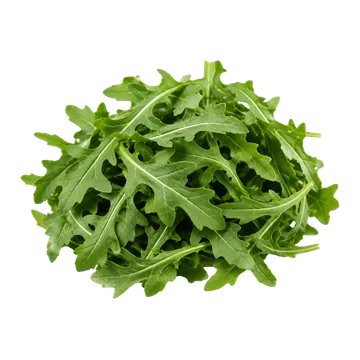 Arugula, raw
Worth knowing
92.3 µgper servingUS food database (USDA SR Legacy) · grade C ?
How it’s rated
Flag for people on warfarin: keep vitamin K intake consistent; arugula has about 92 µg per 85 g.
Intake: one 85 g serving a day, 70 kg adult · Level in the food: 108.6 µg/100 g (listed value)
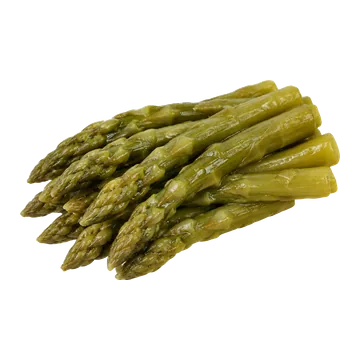 Asparagus, cooked
Worth knowing
43 µgper servingUS food database (USDA SR Legacy) · grade C ?
How it’s rated
Flag for people on warfarin: keep vitamin K intake consistent; boiled asparagus has about 43 µg per 85 g.
Intake: one 85 g serving a day, 70 kg adult · Level in the food: 50.6 µg/100 g (listed value, n = 4)
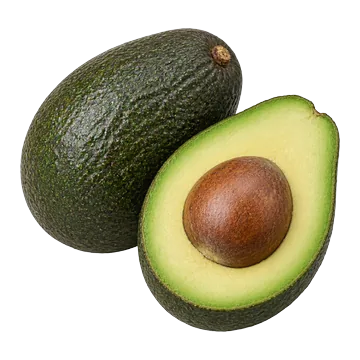 Avocado, raw
Worth knowing
6.3 µgper servingUS food database (USDA SR Legacy) · grade C ?
How it’s rated
For people on warfarin, as the label puts it: keep vitamin K intake consistent, not avoid. 6.3 µg per 30 g, 14 µg per half fruit. A case report, 'Warfarin antagonism by avocado' (Lancet 1991, title only), and a review that lists avocado among fruits in 'suspected' warfarin interactions, with 'scarce' evidence.
Intake: one 30 g serving · Level in the food: 21 µg/100 g (listed value, n = 8)
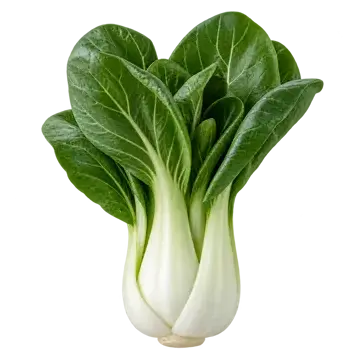 Bok choy, raw
Worth knowing
Warfarin product label · grade A ?
How it’s rated
With warfarin: keep vitamin K intake consistent
Intake: not applicable (flag)
Measured on: person-specific
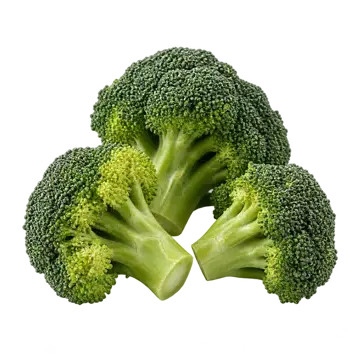 Broccoli, cooked
Worth knowing
Warfarin product label · grade A ?
How it’s rated
With warfarin: keep vitamin K intake consistent
Intake: not applicable (flag)
Measured on: person-specific
- Broccoli, raw
Worth knowing
Warfarin product label · grade A ?
How it’s rated
With warfarin: keep vitamin K intake consistent
Intake: not applicable (flag)
Measured on: person-specific
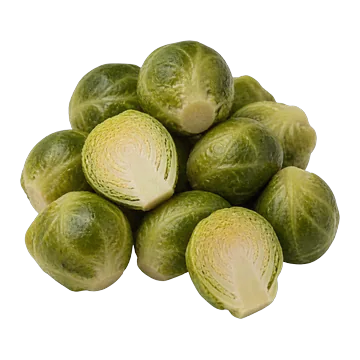 Brussels sprouts, cooked
Worth knowing
119 µgper servingUS food database (USDA SR Legacy) · grade C ?
How it’s rated
For people on warfarin, as the label puts it: keep vitamin K intake consistent, not avoid. Listed vitamin K1 (SR Legacy 169971, a calculated value with no data points): 140.3 µg/100 g cooked, about 119 µg per 85 g; raw 177 µg/100 g (SR 170383), about 150 µg per 85 g.
Intake: one 85 g serving · Level in the food: 140.3 µg/100 g (listed value)
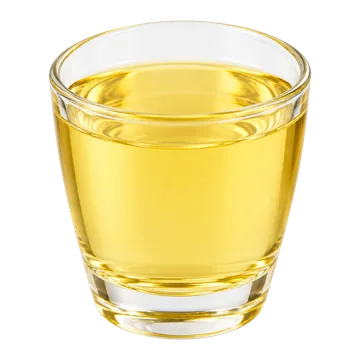 Canola oil
Worth knowing
6.57 µgper servingUS food database (USDA SR Legacy) · grade C ?
This amount varies a lot from one batch to the next: the figures we hold for this food differ twofold or more. Every figure on this site uses the same one, the food’s listed value.
How it’s rated
Flagged for people on warfarin, as the label puts it: keep vitamin K intake consistent, not avoid. Canola oil is a rich source of vitamin K1: the Institute of Medicine puts soybean and canola oils above 100 µg per 100 g, corn oil under 5 (2001). A serving of canola oil carries about 6.6 µg of vitamin K1, against an adequate intake of 120 µg a day for men and 90 for women. A flag for consistency, not a cap.
Intake: one 9.21 g (10 mL) serving a day, 70 kg adult · Level in the food: 71.3 µg/100 g (listed value, n = 4)
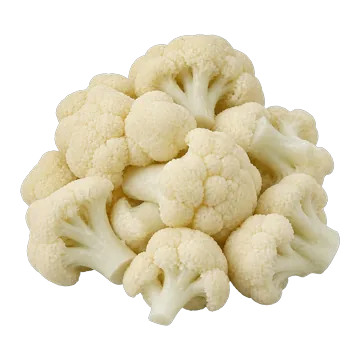 Cauliflower, cooked
Worth knowing
Warfarin product label · grade A ?
How it’s rated
With warfarin: keep vitamin K intake consistent (label), not avoid. Cauliflower’s vitamin K (SR Legacy phylloquinone raw 15.5, cooked 13.8 µg/100 g; about 13 µg per 85 g raw).
Intake: not applicable (flag)
Measured on: person-specific
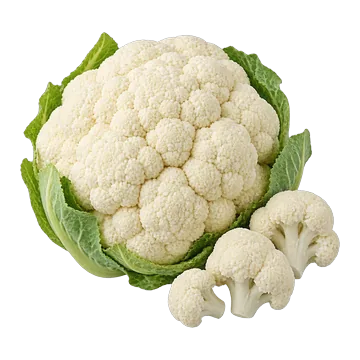 Cauliflower, raw
Worth knowing
Warfarin product label · grade A ?
How it’s rated
With warfarin: keep vitamin K intake consistent (label), not avoid. Cauliflower’s vitamin K (SR Legacy phylloquinone raw 15.5, cooked 13.8 µg/100 g; about 13 µg per 85 g raw).
Intake: not applicable (flag)
Measured on: person-specific
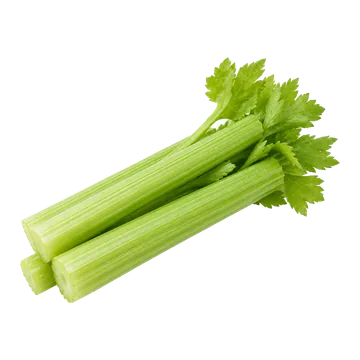 Celery, raw
Worth knowing
24.9 µgper servingUS food database (USDA SR Legacy) · grade C ?
This amount varies a lot from one batch to the next: the figures we hold for this food differ twofold or more. Every figure on this site uses the same one, the food’s listed value.
How it’s rated
Flag for people on warfarin: keep vitamin K intake consistent; celery has about 25 µg per 85 g.
Intake: not applicable (flag) · Level in the food: 29.3 µg/100 g (listed value, n = 9)
- Corn oil
Worth knowing
0.175 µgper servingUS food database (USDA SR Legacy) · grade C ?
This amount varies a lot from one batch to the next: the figures we hold for this food differ twofold or more. Every figure on this site uses the same one, the food’s listed value.
How it’s rated
Flagged for people on warfarin, as the label puts it: keep vitamin K intake consistent, not avoid. Corn oil is a poor source of vitamin K1: the Institute of Medicine puts it under 5 µg per 100 g, against more than 100 for soybean and canola oils (2001). A serving of corn oil carries about 0.2 µg of vitamin K1, against an adequate intake of 120 µg a day for men and 90 for women. A flag for consistency, not a cap.
Intake: one 9.21 g (10 mL) serving a day, 70 kg adult · Level in the food: 1.9 µg/100 g (listed value, n = 13)
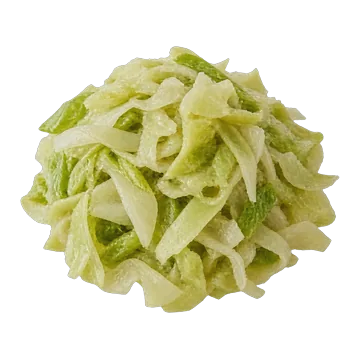 Green cabbage, cooked
Worth knowing
DailyMed 2026 · grade A ?
How it’s rated
For people on warfarin, as the label puts it: keep vitamin K intake consistent, not avoid. Listed vitamin K: SR Legacy 169976 boiled 108.7 µg/100 g, about 92 µg per 85 g (4 data points); raw 76 µg/100 g in SR 169975 (about 65 µg) and 59.4 µg/100 g in Foundation 2346407 (about 50 µg; 8 data points).
Intake: not applicable (flag)
Measured on: person-specific
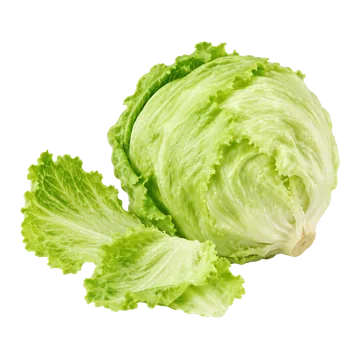 Iceberg lettuce, raw
Worth knowing
20.5 µgper servingUS food database (USDA SR Legacy) · grade C ?
This amount varies a lot from one batch to the next: the figures we hold for this food differ twofold or more. Every figure on this site uses the same one, the food’s listed value.
How it’s rated
Flagged for people on warfarin: keep vitamin K intake consistent; the label does not say avoid. One 85 g serving of iceberg carries 20.5 µg, 23% of the adequate intake for women (90 µg/day) and 17% for men (120), about a quarter of romaine's 70.9 µg per serving.
Intake: one 85 g serving · Level in the food: 24.1 µg/100 g (listed value, n = 8)
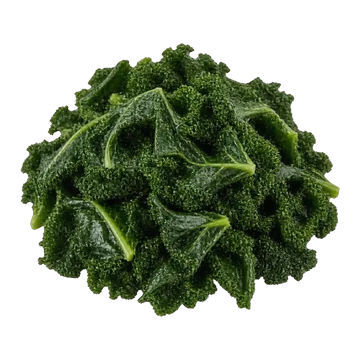 Kale, cooked
Worth knowing
Warfarin product label · grade A ?
How it’s rated
With warfarin: keep vitamin K intake consistent (label), not avoid
Intake: not applicable (flag)
Measured on: person-specific
- Kale, raw
Worth knowing
Warfarin product label · grade A ?
How it’s rated
With warfarin: keep vitamin K intake consistent (label), not avoid
Intake: not applicable (flag)
Measured on: person-specific
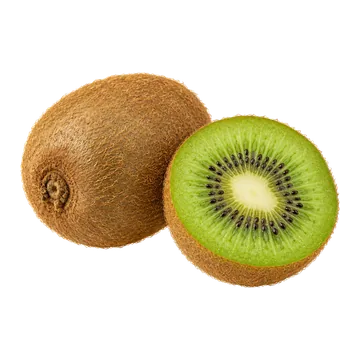 Kiwi, raw
Worth knowing
US food database (USDA Foundation Foods) · grade B ?
How it’s rated
Flagged for people taking warfarin: the warfarin label asks for a consistent vitamin K intake, and a 140 g serving of green kiwifruit carries about 56 µg phylloquinone. Gold kiwifruit (SunGold) carries 6.1 µg per 100 g, so the choice of variety matters.
Intake: one 140 g serving a day, 70 kg adult · Level in the food: 40.3 µg/100 g (Foundation/SR mean (phylloquinone, 8 data points), n = 8)
Measured on: USDA FoodData Central Foundation 327046 'Kiwifruit, green, raw' (same value in SR 168153).
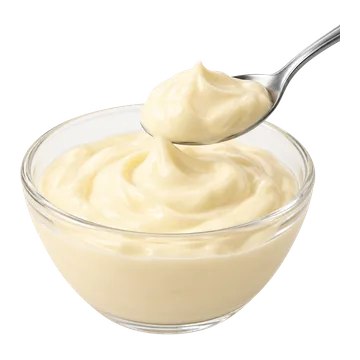 Mayonnaise
Worth knowing
22.7 µgper servingUS food database (USDA SR Legacy) · grade C ?
How it’s rated
Flagged for people on warfarin, as the label puts it: keep vitamin K intake consistent, not avoid. A serving carries about 23 µg of vitamin K1 (soybean-oil mayonnaise); a canola- or olive-oil mayonnaise, or a low-fat one (53.7 µg/100 g), changes that several-fold.
Intake: one 13.95 g (15 mL) serving a day, 70 kg adult · Level in the food: 163 µg/100 g (listed value, n = 4)
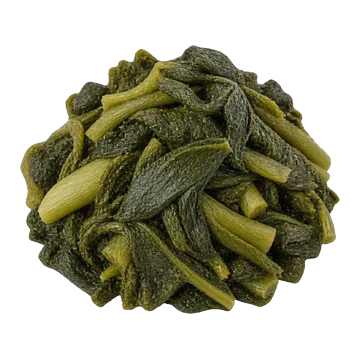 Mustard greens, cooked
Worth knowing
DailyMed 2025 · grade A ?
How it’s rated
For people on warfarin, as the label puts it: keep vitamin K intake consistent, not avoid. Listed vitamin K: raw 257.5 µg/100 g (about 219 µg per 85 g), cooked 592.7 µg/100 g (about 504 µg per 85 g) (SR Legacy 169256 and 169257).
Intake: not applicable (flag)
Measured on: person-specific
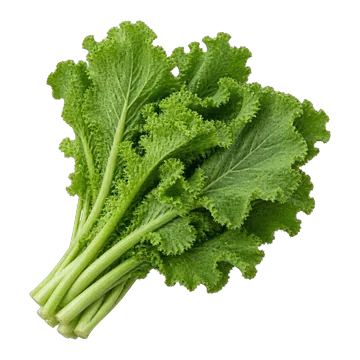 Mustard greens, raw
Worth knowing
DailyMed 2025 · grade A ?
How it’s rated
For people on warfarin, as the label puts it: keep vitamin K intake consistent, not avoid. Listed vitamin K: raw 257.5 µg/100 g (about 219 µg per 85 g), cooked 592.7 µg/100 g (about 504 µg per 85 g) (SR Legacy 169256 and 169257).
Intake: not applicable (flag)
Measured on: person-specific
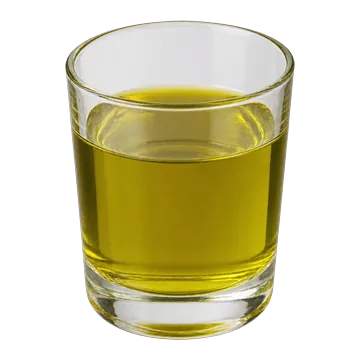 Olive oil, extra virgin
Worth knowing
5.46 µgper servingUS food database (USDA SR Legacy) · grade C ?
How it’s rated
For people on warfarin, as the label puts it: keep vitamin K intake consistent, not avoid. One serving gives 2.4-5.5 µg; olive oil is a minor, steady source.
Intake: one 9.07 g (10 mL) serving a day, 70 kg adult · Level in the food: 60.2 µg/100 g (listed value, n = 2)
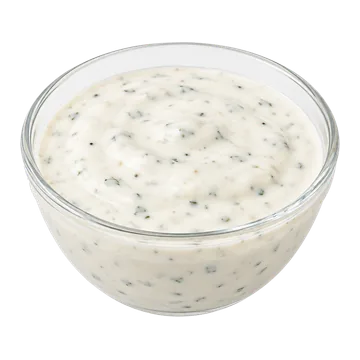 Ranch dressing
Worth knowing
40.8 µgper servingUS food database (USDA SR Legacy) · grade C ?
How it’s rated
Flagged for people on warfarin, as the label puts it: keep vitamin K intake consistent, not avoid. A ranch serving carries about 41 µg of vitamin K1, Italian about 17 µg, Caesar about 32 µg. The K1 comes from the soybean or canola oil; an oil-and-vinegar dressing on olive oil would carry far less.
Intake: one 30.4 g (30 mL) serving a day, 70 kg adult · Level in the food: 134.3 µg/100 g (listed value, n = 3)
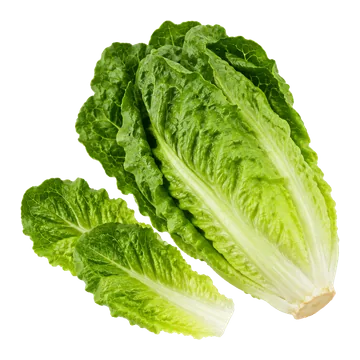 Romaine lettuce, raw
Worth knowing
70.9 µgper servingUS food database (USDA Foundation Foods) · grade C ?
This amount varies a lot from one batch to the next: the figures we hold for this food differ twofold or more. Every figure on this site uses the same one, the food’s listed value.
How it’s rated
Flagged for people on warfarin, as the label puts it: keep vitamin K intake consistent; avoid drastic changes such as eating large amounts of green leafy vegetables. It is not 'avoid'. One 85 g serving carries 70.9 µg of vitamin K, 59% of the adequate intake of 120 µg/day for men and 79% of 90 µg/day for women (IOM 2001).
Intake: one 85 g serving · Level in the food: 83.4 µg/100 g (listed value, n = 8)
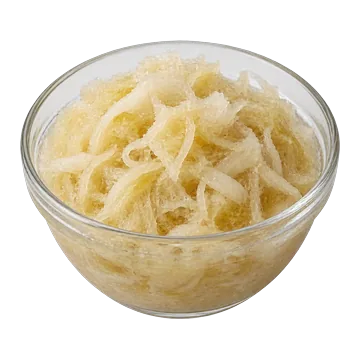 Sauerkraut
Worth knowing
3.9 µgper servingUS food database (USDA SR Legacy) · grade C ?
How it’s rated
For people on warfarin, as the label puts it: keep vitamin K intake consistent. Sauerkraut is low in vitamin K1: a 30 g serving carries 3.9 µg on the USDA listing (a 2021 US survey measured 2.1 µg), against hundreds in leafy greens.
Intake: one 30 g serving a day, 70 kg adult · Level in the food: 13 µg/100 g (listed value, n = 1)
- Soybean oil
Worth knowing
16.9 µgper servingUS food database (USDA SR Legacy) · grade C ?
This amount varies a lot from one batch to the next: the figures we hold for this food differ twofold or more. Every figure on this site uses the same one, the food’s listed value.
How it’s rated
Flagged for people on warfarin, as the label puts it: keep vitamin K intake consistent, not avoid. Soybean oil is rich in vitamin K1: the Institute of Medicine puts soybean and canola oils above 100 µg per 100 g, corn oil under 5 (2001). A serving of soybean oil carries about 17 µg of vitamin K1, against an adequate intake of 120 µg a day for men and 90 for women. A flag for consistency, not a cap.
Intake: one 9.21 g (10 mL) serving a day, 70 kg adult · Level in the food: 183.9 µg/100 g (listed value, n = 35)
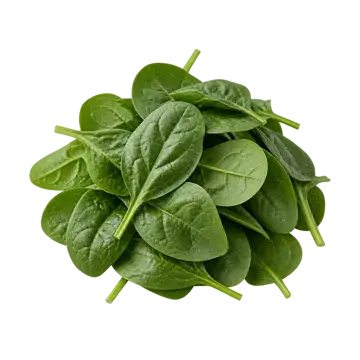 Spinach, cooked
Worth knowing
Warfarin product label · grade A ?
How it’s rated
With warfarin: keep vitamin K intake consistent
Intake: not applicable (flag)
Measured on: person-specific
- Spinach, raw
Worth knowing
Warfarin product label · grade A ?
How it’s rated
With warfarin: keep vitamin K intake consistent
Intake: not applicable (flag)
Measured on: person-specific
- Sunflower oil
Worth knowing
0.638 µgper servingUS food database (USDA Foundation Foods) · grade C ?
This amount varies a lot from one batch to the next: the figures we hold for this food differ twofold or more. Every figure on this site uses the same one, the food’s listed value.
How it’s rated
Flagged for people on warfarin, as the label puts it: keep vitamin K intake consistent, not avoid. Sunflower oil is a poor source of vitamin K1 next to soybean and canola oils, which the Institute of Medicine puts above 100 µg per 100 g (2001). A serving of sunflower oil carries about 0.6 µg of vitamin K1, against an adequate intake of 120 µg a day for men and 90 for women. A flag for consistency, not a cap.
Intake: one 9.21 g (10 mL) serving a day, 70 kg adult · Level in the food: 6.925 µg/100 g (listed value, n = 8)
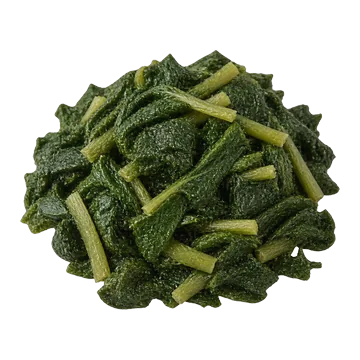 Turnip greens, cooked
Worth knowing
How it’s rated
For people on warfarin, as the label puts it: keep vitamin K intake consistent, not avoid. Listed vitamin K: SR Legacy 170466 boiled 367.6 µg/100 g, about 312 µg per 85 g (a calculated value with no data points); raw 251 µg/100 g (SR 170061); frozen boiled 518.9 µg/100 g (SR 170469).
Intake: not applicable (flag)
Measured on: person-specific
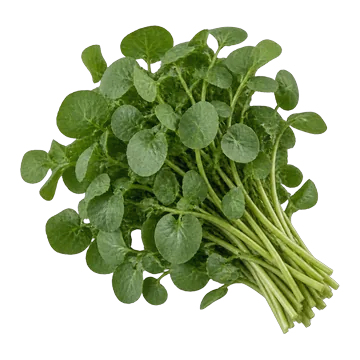 Watercress, raw
Worth knowing
213 µgper servingUS food database (USDA SR Legacy) · grade C ?
How it’s rated
Person-specific, worded as the label puts it: keep vitamin K intake consistent; the label also warns against drastic changes 'such as eating large amounts of green leafy vegetables'. Not 'avoid'.
Intake: one 85 g serving · Level in the food: 250 µg/100 g (listed value)
Sources
- Jantoven (warfarin sodium) tablets, DailyMed SPL, set id 19a69a72-ac5d-45d5-a94d-a5aaecbe4730, published 2025-07-10
dailymed-jantoven-2025· full text read · Product label (manufacturer copyright) - DailyMed, warfarin sodium tablet label (Cardinal Health 107; set id cdbbc317-35d3-42ba-94f0-c83891358529; effective 2026-10-06)
dailymed-warfarin-2026· full text read · US public label text - COUMADIN (warfarin sodium) prescribing information, FDA-hosted label 2017 (PDF header: 'This label may not be the latest approved by FDA')
fda-coumadin-label-2017· full text read · Product label (manufacturer copyright); FDA-hosted - USDA FoodData Central, Foundation Foods, release 2026-04-30
fdc-foundation-2026-04-30· dataset · CC0 1.0 (public domain) - USDA FoodData Central, SR Legacy, 2018-04
fdc-sr-legacy-2018-04· dataset · CC0 1.0 (public domain) - Warfarin product monograph / label: keep vitamin K intake consistent
warfarin-label· page · Product label (manufacturer copyright)