Inorganic arsenic for infants
In the body: Infants and young children take in the most arsenic for their body weight, and rice and rice products are among the main sources.
Not rated by dose: a flag on 2 reviewed foods, among them white rice and Brown rice, cooked.
Pregnancy, babies and young children. Stricter agency advice for these stages of life. Gram figures elsewhere on this site count a 70 kg adult, unadjusted for pregnancy, babies or young children; the advice here is the agency’s own for them.
Agency advice on rice products for infants and young children. The rating for everyone is on the inorganic arsenic page. See also: Inorganic arsenic
The reference value and where it comes from
- The agency’s figureno agency dose value
- Basisagency advice: rice products for infants and young children
- Source ?Health Canada, Arsenic
Reviewed foods that carry it
2 reviewed foods carry it; none is rated by dose.
How often you can eat it ?
No food here is rated by dose. Each line says why it’s listed: a flag for the people the source names, advice on handling it, or context.
Flags and context, not rated by dose
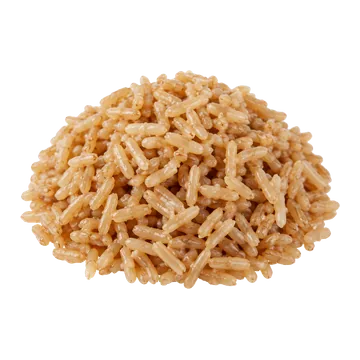 Brown rice, cooked
Context
Health Canada, Arsenic · grade B ?
How it’s rated
Shown as context, not rated, for infants and children under 2: Health Canada's arsenic page advises against rice-based beverages as the main milk alternative for children under 2 years, and says to cook rice in at least 6 parts water and drain. The page does not name brown rice; brown rice carries more inorganic arsenic than white rice, which is why the flag is carried on this food.
Intake: not applicable (flag)
Measured on: advice for infants and children under 2; no concentration
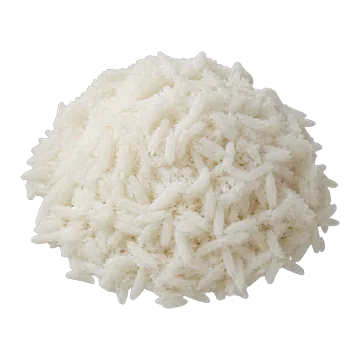 White rice, cooked
Context
Health Canada, Arsenic · grade B ?
How it’s rated
Context, not a rating of cooked rice for adults: Health Canada advises against a rice-based beverage as the main milk alternative for children under 2. Health Canada's maximum level for infant rice foods (0.1 ppm, 2022) and its proposed 0.2 ppm for polished rice (2019) were seen only in search results or a summary, not on the agency pages, so neither is used as a dose basis.
Intake: not dose-based
Measured on: life-stage: rice-based beverages and rice foods for infants and young children
Sources
- Health Canada, Arsenic (food safety, chemical contaminants)
hc-arsenic-page· page · Government of Canada terms (Crown copyright; not OGL)