Salmonella
In the body: Food poisoning: diarrhea, fever and cramps, usually for four to seven days.
Not rated by dose: a flag on 26 reviewed foods, among them Chicken thigh, raw, roast chicken breast and scrambled eggs. The list below has a line for each of 32 preparations.
Depends how you handle it. Safe one way, risky another: cook it, soak it, boil it or freeze it, as the agency says.
The reference value and where it comes from
- The agency’s figureno agency dose value
- BasisHealth Canada safe internal cooking temperatures
- Source ?Health Canada, safe cooking temperatures
Reviewed foods that carry it
26 reviewed foods carry it; none is rated by dose. A food counts once, as in the foods list: preparations sharing a page (raw and cooked, canned) count once; one with its own page counts apart. Below, one line for each of 32 preparations. 37 measurements in all. A preparation measured more than once gets one line, the measurement the dataset leads with or a stricter one, named beside the food; the others fold under it.
How often you can eat it ?
No food here is rated by dose. Each line says why it’s listed: a flag for the people the source names, advice on handling it, or context.
Flags and context, not rated by dose
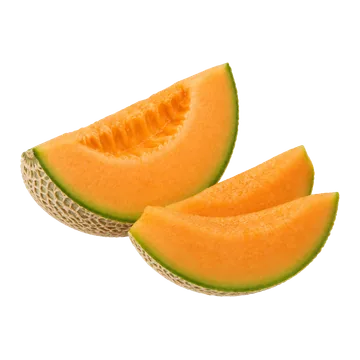 Cantaloupe, raw
Worth knowing
How it’s rated
Flagged for handling, and for people at higher risk such as young children and older adults: Salmonella prevalence on whole cantaloupe is low (1 of 499 positive, 0.2%, CFIA survey 2010/11), but the outbreak record is the signal. A 2023 PHAC outbreak linked to Malichita and Rudy cantaloupes caused 190 laboratory-confirmed cases (Quebec 131), 68 hospitalised and 9 deaths; children 5 or under were 33% of cases and adults 65 or over 45%, and the outbreak strains were found in recalled Malichita cantaloupe. Health Canada names the netted rind as the reason cantaloupe is at greater risk and gives scrub-and-refrigerate steps.
Intake: one serving a day, 70 kg adult · Level in the food: 0.2 % of whole cantaloupe samples positive for Salmonella (share of samples, n = 499)
Measured on: CFIA targeted survey 'Salmonella in cantaloupes' 2010/11, Canadian retail: 499 whole cantaloupes (385 imported, 114 domestic), 1 positive (0.2%); the wider CFIA collection covered over 3,500 retail samples 2008/09-2012/13.
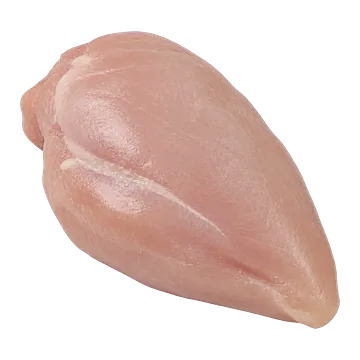 Chicken breast, raw
Worth knowing
How it’s rated
Not dose-rated. Health Canada: cook breasts to 74 C (165 F), never rinse raw poultry
Intake: acute and preparation hazard, not a daily-dose hazard · Level in the food: 31.6 % of retail raw chicken parts positive (prevalence)
Measured on: CFIA National Microbiological Baseline Study in Broiler Chicken, Dec 2012-Dec 2013, retail parts (95% CI 29.0-34.2); skinless boneless breasts not significantly different from skin-on thighs
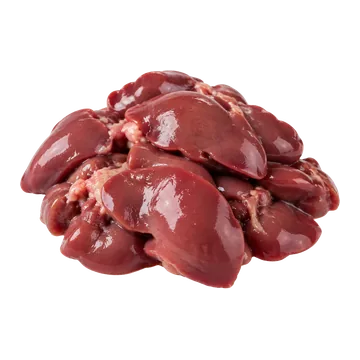 Chicken liver, raw
Worth knowing
PubMed 38941761 · grade B ?
How it’s rated
Flagged for cooking: Salmonella is more heat resistant than Campylobacter in liver, so it sets the cooking target. In laboratory tests on inoculated chicken livers, 70.0 to 73.9 °C internal temperature for 0 to 2 s gave a reduction above 7 logs. Health Canada's chart gives 74 °C for poultry pieces and has no liver or offal row. These are laboratory kinetics, not a prevalence.
Intake: not applicable (flag)
Measured on: inoculated chicken livers in a water bath, 4-strain Salmonella cocktail (laboratory kinetics)
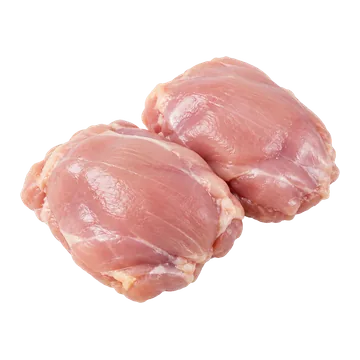 Chicken thigh, raw
Worth knowing
How it’s rated
Flagged for handling and cooking: preparation decides the risk, so no grams limit applies. About a third of raw retail thighs carried Salmonella in CFIA's 2012-13 survey (32.1%). Cook chicken pieces (breasts, legs, thighs, wings) to 74°C (165°F), whole birds to 82°C (180°F).
Intake: not applicable (the control is the cooking step)
Measured on: CFIA National Microbiological Baseline Study in Broiler Chicken, Dec 2012 - Dec 2013, RETAIL fresh skin-on bone-in (SOBI) thighs bought in 33 large Canadian cities (supermarket chains and independents), raw, unweighted prevalence; retail whole carcasses 21.0%, skinless boneless breasts 31.4%, all parts 31.6%; concentration low: 95.2% of fresh retail samples below 3 MPN/mL of rinse fluid
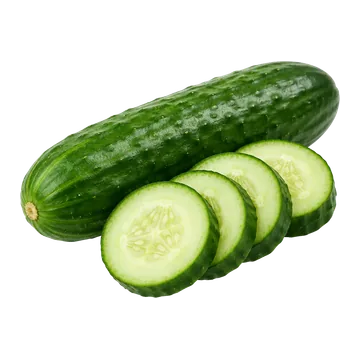 Cucumber, raw
Worth knowing
How it’s rated
Flagged: this is a single closed event, not an occurrence rate. A PHAC notice (final update 2018-12-12) counted 56 laboratory-confirmed cases of Salmonella Infantis (British Columbia 47, Alberta 5, Saskatchewan 1, Manitoba 2, Quebec 1), 11 hospitalised, no deaths. Long English cucumbers were identified as the likely source, since many of the ill reported eating them; the cause of contamination was not identified and the food samples tested were negative.
Intake: one serving a day, 70 kg adult
Measured on: PHAC Public Health Notice, final update 2018-12-12: 56 laboratory-confirmed cases of Salmonella Infantis (British Columbia 47, Alberta 5, Saskatchewan 1, Manitoba 2, Quebec 1), 11 hospitalised, no deaths, onset mid-June to late October 2018.
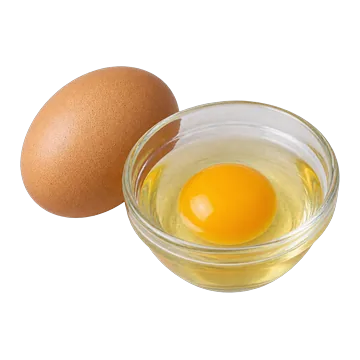 Eggs, raw
Worth knowing
Health Canada, Egg safety · grade A ?
How it’s rated
Raw or lightly cooked eggs: higher risk for young children, the elderly, pregnant women and people with weakened immune systems; cook to 74 C, or use pasteurized egg for unheated dishes
Intake: not applicable (flag)
Measured on: person-specific and life-stage; process instruction
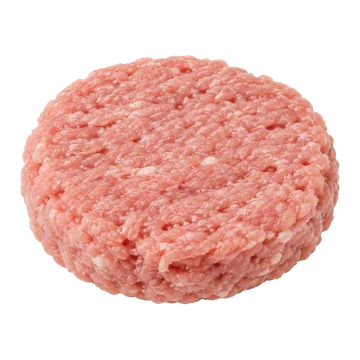 Ground turkey, 93% lean, raw
Worth knowing
PubMed 19343933 · grade B ?
How it’s rated
Flagged for a cooking warning: Health Canada's rule for ground poultry is to cook to 74 °C. Salmonella was found in 24% (95 of 397) of raw retail turkey meat samples in southern Ontario (February 2003 to May 2004; turkey pieces, not ground turkey; abstract only), and in 27% of turkey (n 91) in Alberta retail in 2007-08, S. Heidelberg the common serovar, with about 25% of turkey isolates resistant to amoxicillin-clavulanate, ceftiofur and ceftriaxone. No CFIA retail turkey survey was found.
Intake: raw handling and cooking, not a serving
Measured on: Cook, Reid-Smith, Irwin et al. 2009: 465 raw turkey meat samples bought at Ontario grocery stores (turkey pieces); Salmonella tested in 397
1 other measurement of this food
- PHAC outbreak 2017-20, raw turkey and chicken products
Worth knowing
How it’s rated
Flagged for a cooking warning: a PHAC public health notice (final update 2020-02-21) names exposure to raw turkey and raw chicken products as the likely source of a Salmonella Reading outbreak, with 130 cases in ten provinces and territories (illnesses April 2017 to January 2020), no single supplier and no Canadian recall. The notice advises cooking ground poultry to 74 °C and not rinsing poultry. Raw turkey was not the sole source, and whether it was ground or pieces is not stated; this anchors the flag and is not a prevalence.
Intake: raw handling and cooking, not a serving
Measured on: Public Health Agency of Canada, public health notice, final update 2020-02-21: 130 cases in ten provinces and territories, illnesses April 2017 to January 2020 (most October 2018 to January 2020); no single supplier, no Canadian recall
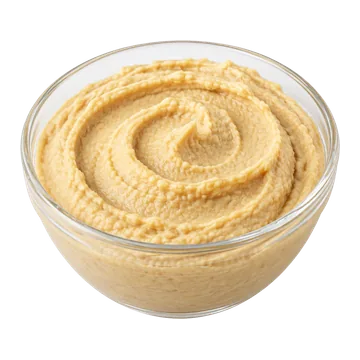 Hummus
Worth knowing
CFIA 2011–2012 · grade A ?
How it’s rated
Flagged for tahini-based dips: Salmonella in contaminated tahini can survive in hummus through its shelf life (CFIA). Health Canada's 2026 study counts tahini in 20 outbreaks since 1995 (over 1,600 cases) and finds growth in water-based sauces (6 log in 24 h at 22 °C), suppressed by 50% lemon juice and 4 °C. The share of tahini in hummus is not sourced.
Intake: not applicable (flag)
Measured on: CFIA 2011-12 targeted survey summary (tahini, sesame); Health Canada laboratory study of tahini-based sauces (Rao and Tamber 2026)
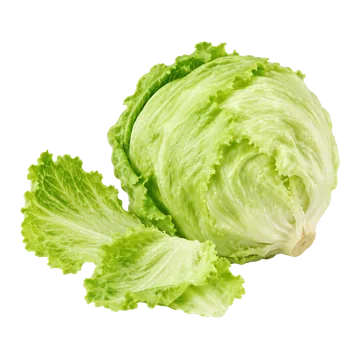 Iceberg lettuce, raw
Worth knowing
How it’s rated
Flagged as a handling matter, not a dose: Health Canada names Salmonella and E. coli as the bacteria linked to contaminated leafy greens and advises washing with water only; bagged greens labelled washed need no rewash. The surveys do not split by lettuce type.
Intake: not a dose rule
Measured on: CFIA 2020-24 interim: fresh-cut leafy salads with dressing kits (SB3209) 2 Salmonella unsatisfactory of 1,283; whole leafy vegetables: tested in SB3101/SB3102 throughout (2,044 samples) and in SB3092/SB3093 from 2021 only (at most 1,266 of their samples), 0 unsatisfactory. CFIA 2012-14: no Salmonella unsatisfactory reported among 2,977 samples. ROMAINE: CFIA final report on imported romaine 2019-04-01 to 2024-03-31: Salmonella 0 of 2,795 tested (4,450 samples overall: whole 1,258, hearts 1,822, fresh-cut or salads 1,370).
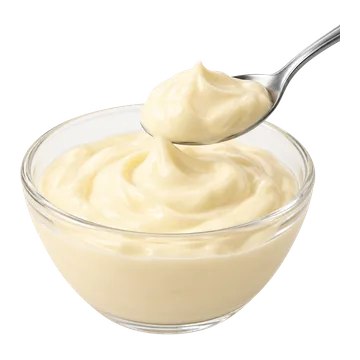 Mayonnaise
Worth knowing
How it’s rated
Flagged for homemade mayonnaise made with raw egg: the Public Health Agency of Canada names homemade mayonnaise and salad dressings made with raw eggs as higher-risk foods, and Health Canada advises pasteurized egg products for foods that are not heated. Most at risk: pregnant women, adults 60 and older, children under 5, and people with a weakened immune system. Handling decides the risk, not a dose. The agencies' pages do not address commercial mayonnaise, so the flag does not extend to it.
Intake: one 13.95 g (15 mL) serving a day, 70 kg adult
Measured on: HOMEMADE mayonnaise made with raw egg. The food row is commercial, retail mayonnaise; Health Canada's pages do not address it, so this row flags the homemade preparation only and says nothing about commercial product.
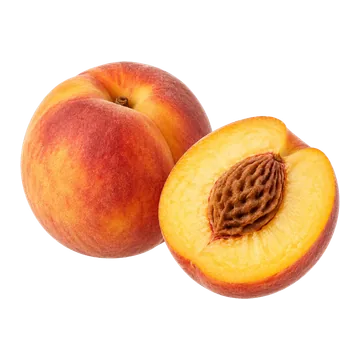 Peaches, raw
Worth knowing
PubMed 40287140 · grade B ?
How it’s rated
A sudden, one-off illness risk: a hazard of uncooked whole peaches from a contaminated lot, not a concentration. The review reports 57 ill and 12 hospitalised in Canada and 101 ill and 28 hospitalised in the US; no outbreak strain was recovered from peaches (Salmonella Alachua and Montevideo were), and adjacent animal operations were suggested as a source.
Intake: not applicable (event)
Measured on: Salmonella Enteritidis outbreak linked to fresh whole peaches from one grower and packer, Aug-Oct 2020, United States and Canada
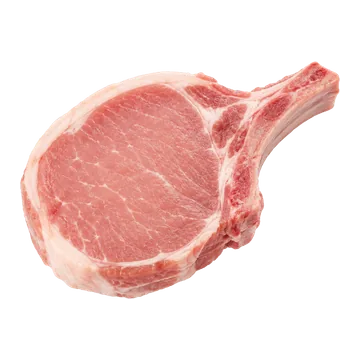 Pork chop, raw
Worth knowing
PubMed 22850381 · grade B ?
How it’s rated
Flagged for handling and cooking: Health Canada's rule is to cook chops and whole cuts to 71 °C. Salmonella was found in 2% of retail pork (n = 133), against 40% of chicken and 27% of turkey, in one Alberta study from May 2007 to April 2008 (abstract only).
Intake: raw handling and cooking, not a serving
Measured on: Aslam et al. 2012: 564 retail meat samples from 19 Alberta census divisions (chicken 206, turkey 91, beef 134, pork 133); pork cut not stated in the abstract
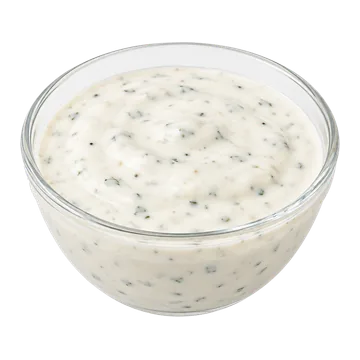 Ranch dressing
Worth knowing
Health Canada 2024 · grade A ?
How it’s rated
Flagged for homemade dressing only: Health Canada advises pasteurized egg products instead of raw eggs for foods that are not heated, such as Caesar salad dressing, and the Public Health Agency of Canada lists homemade dressings made with raw eggs among higher-risk foods. This is a handling matter, not a dose. The row is for commercial bottled dressing, which these agency pages do not address.
Intake: one 30.4 g (30 mL) serving a day, 70 kg adult
Measured on: HOMEMADE Caesar and creamy dressings made with raw egg. The food row is commercial, bottled dressing; the agency pages do not address it.
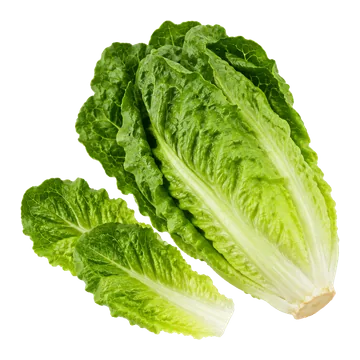 Romaine lettuce, raw
Worth knowing
How it’s rated
Flagged as a handling matter, not a dose: Health Canada names Salmonella and E. coli as the bacteria linked to contaminated leafy greens and advises washing with water only; bagged greens labelled washed need no rewash. Romaine itself tested clean: CFIA's final report on imported romaine, 2019-24, found Salmonella in 0 of 2,795 tested. Among fresh-cut leafy salads with dressing kits, 2 of 1,283 were unsatisfactory for Salmonella; whole leafy vegetables had 0.
Intake: not a dose rule
Measured on: CFIA 2020-24 interim: fresh-cut leafy salads with dressing kits (SB3209) 2 Salmonella unsatisfactory of 1,283; whole leafy vegetables: tested in SB3101/SB3102 throughout (2,044 samples) and in SB3092/SB3093 from 2021 only (at most 1,266 of their samples), 0 unsatisfactory. CFIA 2012-14: no Salmonella unsatisfactory reported among 2,977 samples. ROMAINE: CFIA final report on imported romaine 2019-04-01 to 2024-03-31: Salmonella 0 of 2,795 tested (4,450 samples overall: whole 1,258, hearts 1,822, fresh-cut or salads 1,370).
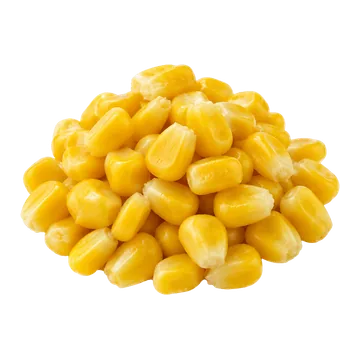 Sweet corn, frozen, cooked
Worth knowing
How it’s rated
Flag, not scored: the boiled form is cooked; the finding matters for frozen corn eaten uncooked (smoothies, salads) and for cross-contamination.
Intake: not applicable (flag)
Measured on: CFIA targeted survey SB3126, imported frozen corn or imported frozen peas (pooled), 2023/2024, 247 samples: 227 satisfactory, 19 investigative, 1 unsatisfactory (Salmonella spp.). Corn and peas are not separated in the table.
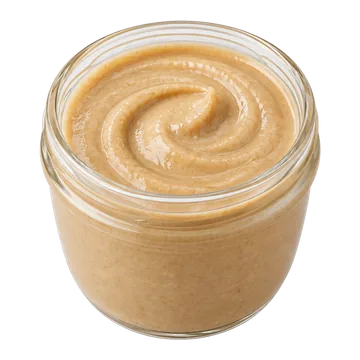 Tahini
Worth knowing
How it’s rated
Flag: a handling and sourcing matter, not a dose. Tahini keeps Salmonella through a long shelf life and is eaten uncooked; CDC warned that recalled jars might still be in homes.
Intake: not applicable (flag)
Measured on: CDC outbreak investigation, Salmonella Concord linked to tahini from Achdut Ltd. (Israel), recalled 27 Nov 2018; the page says "as of February 27, 2019, this outbreak appears to be over"
1 other measurement of this food
- CFIA surveys 2011-12 and 2020-24
Context
CFIA 2011–2012 · grade A ?
How it’s rated
Context, not rated (no dose for Salmonella). Tahini is the form where the hazard is real: three recalls from the 2011-12 survey, the US outbreak of 2018-19 (below), and CFIA recalls of tahini brands in 2018, 2021 and 2024 (search results; no primary page opened).
Intake: not applicable (context)
Measured on: CFIA 2011-12 targeted survey, tahini samples from the Canadian market, imported and domestic; CFIA 2020-24 interim report line 'Imported tahini (FS358R & SB3099)' n 543, 5 unsatisfactory (Salmonella)
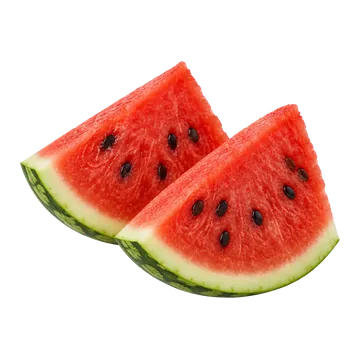 Watermelon, raw
Worth knowing
How it’s rated
Context flag. No Canadian outbreak is attributed to whole watermelon in the sources opened; the 2023 event reached watermelon only through shared processing of cut-fruit products.
Intake: one serving a day, 70 kg adult
Measured on: PHAC Public Health Notice, 2023 Malichita and Rudy cantaloupe outbreak: secondary CFIA recalls covered other fruit processed alongside the cantaloupes, including watermelon (190 cases, 68 hospitalised, 9 deaths overall).
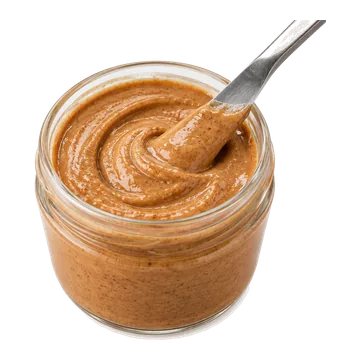 Almond butter
Context
How it’s rated
Context only, a handling and sourcing record, not a dose or a rate: nut butters have a Salmonella recall history (low-moisture foods keep the organism). No Canadian prevalence survey of almond butter was found. Tahini's own rows carry the survey data.
Intake: not applicable (flag)
Measured on: CFIA recall notice, 19 Aug 2014: MaraNatha and Trader Joe's brand almond butters and peanut butters, possible Salmonella, Class 2, no illnesses reported in Canada; CFIA 2013 advisory on almond butter, peanut butter and tahini sold in bulk or repackaged (search result only, not opened)
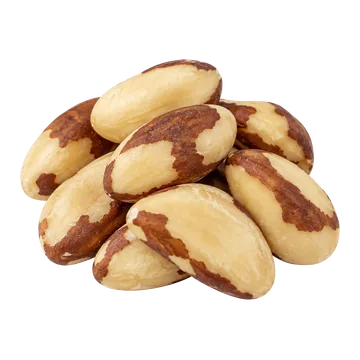 Brazil nuts, raw
Context
How it’s rated
Context only: no Brazil nut sample positive (the most sampled nut of the survey).
Intake: not applicable · Level in the food: 0 % of samples positive (0 of 80 Brazil nut samples; 3 of 891 nut and seed samples overall (all seeds), n = 80)
Measured on: Food Safety Authority of Ireland survey 10NS1 (2012): pre-packaged ready-to-eat nuts and seeds, Ireland; Salmonella in 25 g
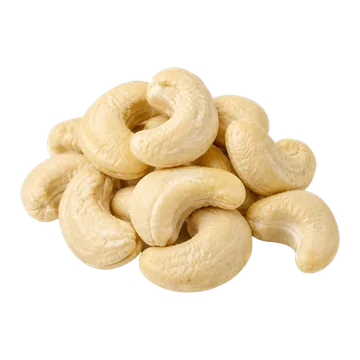 Cashews, raw
Context
How it’s rated
Context only: no cashew sample positive.
Intake: not applicable · Level in the food: 0 % of samples positive (0 of 61 cashew samples; 3 of 891 nut and seed samples overall (all seeds), n = 61)
Measured on: Food Safety Authority of Ireland survey 10NS1 (2012): pre-packaged ready-to-eat nuts and seeds, Ireland; Salmonella in 25 g
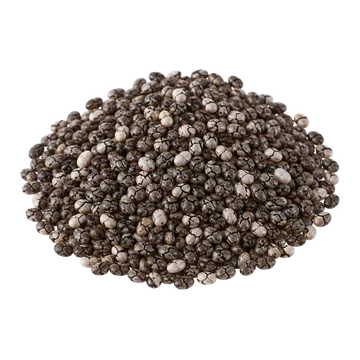 Chia seeds
Context
How it’s rated
Shown as context, not rated: a single recall event on whole dry chia seed, not an occurrence rate. The CFIA recall notice of 2026-01-20 covered one lot of Left Coast Organics Organic Chia Seeds (900 g, best-before 26 NO 13 and 26 NO 14, sold in ON, AB, BC, MB, SK), Class 2, triggered by a recall in another country; no illnesses were reported. The CFIA said its food safety investigation may lead to other recalls. A US recall (Navitas Organics, January 2026) was seen in press snippets only.
Intake: not applicable
Measured on: CFIA recall notice 2026-01-20: Left Coast Organics brand Organic Chia Seeds (900 g, best-before 26 NO 13 and 26 NO 14), sold in ON, AB, BC, MB, SK; triggered by a recall in another country; Canada
1 other measurement of this food
- 2014 Canadian outbreak, sprouted chia seed powder
Context
How it’s rated
Context only, and about a different product: sprouted chia seed powder (dried, ground, sprouted seeds), not whole dry chia seed. No survey of Salmonella in whole chia was found; the 2012 Irish nut-and-seed survey (FSAI 10NS1) listed no chia sample among its top varieties.
Intake: not applicable
Measured on: Public Health Agency of Canada public health notice, 2014 outbreak of Salmonella infections related to sprouted chia seed powder (Newport, Hartford, Oranienburg, Saintpaul); Canada
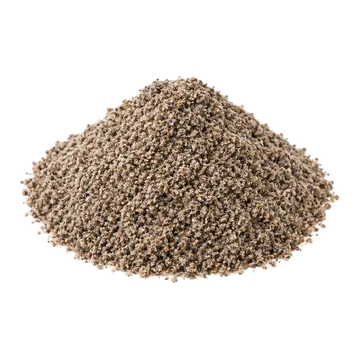 Chia seeds, ground
Context
How it’s rated
Shown as context, not rated: this is one recall event, not an occurrence rate. In January 2026 the CFIA recalled one lot of 900 g Left Coast Organics organic whole chia seeds (Class 2, no illnesses reported) for possible Salmonella, triggered by a recall in another country. It was whole seed, but grinding does not kill Salmonella, so whole and ground chia carry the same record.
Intake: not applicable
Measured on: CFIA recall notice 2026-01-20: Left Coast Organics brand Organic Chia Seeds (900 g, best-before 26 NO 13 and 26 NO 14), sold in ON, AB, BC, MB, SK; triggered by a recall in another country; Canada
1 other measurement of this food
- Canada 2014 outbreak, sprouted chia powder
Context
How it’s rated
Context only, and about a different product: sprouted chia seed powder (dried, ground, sprouted seeds), not whole dry chia seed. No survey of Salmonella in whole chia was found; the 2012 Irish nut-and-seed survey (FSAI 10NS1) listed no chia sample among its top varieties.
Intake: not applicable
Measured on: Public Health Agency of Canada public health notice, 2014 outbreak of Salmonella infections related to sprouted chia seed powder (Newport, Hartford, Oranienburg, Saintpaul); Canada
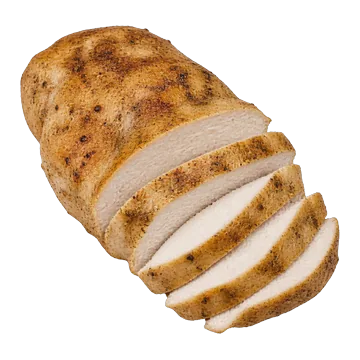 Chicken breast, roasted
Context
Health Canada, Poultry safety · grade A ?
How it’s rated
Context: roasted through, the breast is past this risk. Raw poultry often carries Salmonella or Campylobacter, and Health Canada says cooking poultry to a safe internal temperature kills the bacteria (74 °C for pieces). What still applies is the leftovers rule: refrigerate within 2 hours and reheat to 74 °C.
Intake: acute and preparation hazard, not a daily-dose hazard
Measured on: Health Canada poultry safety advice: cooked poultry; no occurrence figure applies to the cooked food
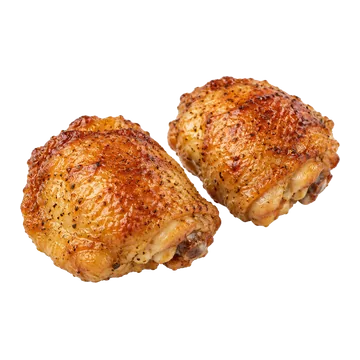 Chicken thigh, roasted
Context
How it’s rated
Context: this thigh is bought cooked and ready to eat. About a third of raw retail thighs carried Salmonella in CFIA's 2012-13 survey (32.1%), and Health Canada says cooking poultry to a safe internal temperature kills the bacteria, so the risk here is how the cooked chicken is kept: see the leftovers rule.
Intake: not applicable (the control is the cooking step)
Measured on: CFIA National Microbiological Baseline Study in Broiler Chicken, Dec 2012 - Dec 2013, RETAIL fresh skin-on bone-in (SOBI) thighs bought in 33 large Canadian cities (supermarket chains and independents), raw, unweighted prevalence; retail whole carcasses 21.0%, skinless boneless breasts 31.4%, all parts 31.6%; concentration low: 95.2% of fresh retail samples below 3 MPN/mL of rinse fluid
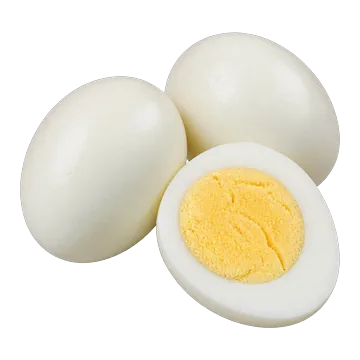 Eggs, hard-boiled
Context
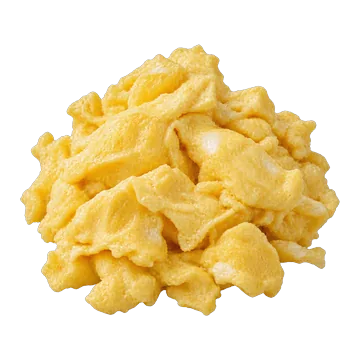 Eggs, scrambled
Context
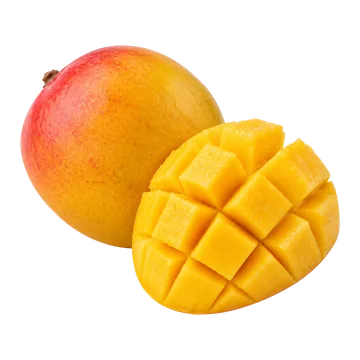 Mango, raw
Context
How it’s rated
Pathogen record, not a concentration: no grams figure. The notice's advice was to discard recalled fruit; no standing advice against mango is given.
Intake: one 140 g serving a day, 70 kg adult
Measured on: Canada, 2012: outbreak of Salmonella Braenderup linked to imported (Mexican) Daniella-brand mangoes, 23 cases (16 British Columbia, 5 Alberta at 29 August 2012); recall and expansion by CFIA; PHAC closed the investigation.
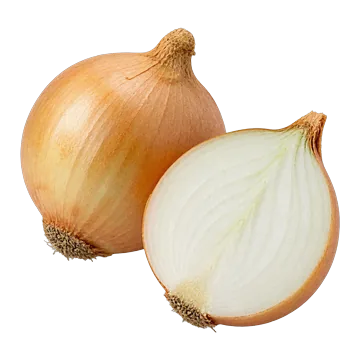 Onions, raw
Context
How it’s rated
Shown as context. The Public Health Agency of Canada closed its 2020 outbreak investigation on 2020-10-01 (onions from one US supplier, Thomson International Inc.). This is one outbreak, not an occurrence rate. Raw onion has no cooking step; cooking (the sautéed row) is the control.
Intake: n/a (eaten raw: no kill step)
Measured on: food-specific agency finding: the 2020 Salmonella Newport outbreak linked to RED onions imported from the United States (Thomson International, Bakersfield, California); 515 confirmed cases in seven provinces, 79 hospitalised; onions grown in Canada were not associated
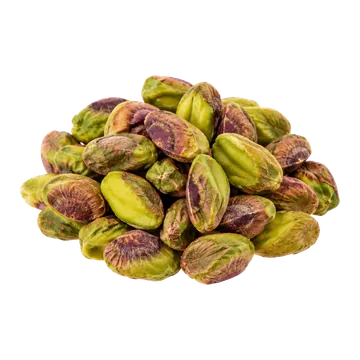 Pistachios, dry-roasted
Context
PubMed 33438200 · grade A ?
How it’s rated
Shown as context, not rated: in a US FDA retail survey of raw shelled nuts, about 7 of 295 pistachio samples (2.37%, 95% CI 0.96-4.83) carried Salmonella, with macadamias highest at 2.52% and cashews at 0.20%. This is not applied to dry-roasted pistachios, since commercial roasting is a kill step and no roasted-pistachio prevalence was found.
Intake: not applicable · Level in the food: 2.37 % of samples positive (about 7 of 295 raw shelled pistachio samples (95% CI 0.96-4.83); 15 of 3,374 tree nut samples overall (0.44%); highest level seen 0.75 MPN/g, n = 295)
Measured on: US FDA retail survey of RAW shelled tree nuts, Sept 2015 - March 2017 (375 g samples, modified BAM culture); Salmonella; USA. Raw nuts: a dry-roasted product has had a roasting step, which the survey did not test
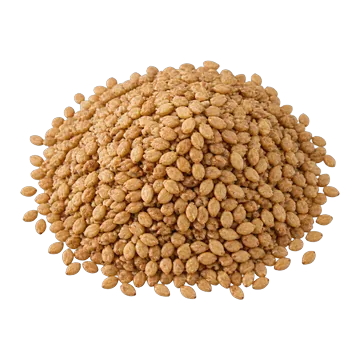 Sesame seeds, whole
Context
CFIA 2011–2012 · grade A ?
How it’s rated
Shown as context, not rated: no agency sets a dose for Salmonella, and the agency rule, cooking, does not apply to sesame eaten as a topping. In CFIA's 2011-12 survey, Salmonella was not found in any of 595 sesame seed samples.
Intake: not applicable (flag) · Level in the food: 0 % of samples positive (0 of 595 sesame seed samples (tahini 3 of 606, 0.5%), n = 595)
Measured on: food-specific: CFIA targeted survey 2011/12, retail Canada, sesame seeds
1 other measurement of this food
- Ireland (FSAI) survey 2010, 76 sesame seed samples
Context
How it’s rated
Shown as context: Ireland's food safety authority found Salmonella in 2 of 76 sesame seed samples collected in 2010; both led to recalls, with no illnesses reported.
Intake: not applicable (flag) · Level in the food: 2.6 % of samples positive (2 of 76 sesame seed samples (Salmonella Agona and S. Anatum; origins India and Bolivia), n = 76)
Measured on: food-specific: FSAI (Ireland) survey 10NS1, pre-packaged ready-to-eat seeds, samples collected April-July 2010, report August 2012
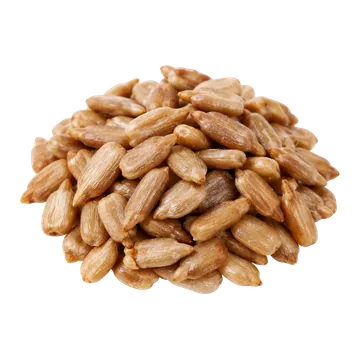 Sunflower seeds, dry-roasted
Context
How it’s rated
Context only: no sunflower sample positive in Ireland 2012. The FSAI background section cites a UK 2007 survey in which sunflower was among the seed types with Salmonella (23 of 3,735 dried seed samples positive overall, over half sesame); no sunflower count is given.
Intake: not applicable · Level in the food: 0 % of samples positive (0 of 109 sunflower seed samples; 3 of 891 nut and seed samples overall (sesame x2, melon seed x1), n = 109)
Measured on: Food Safety Authority of Ireland survey 10NS1 (2012): pre-packaged ready-to-eat nuts and seeds on retail sale in Ireland; Salmonella in 25 g
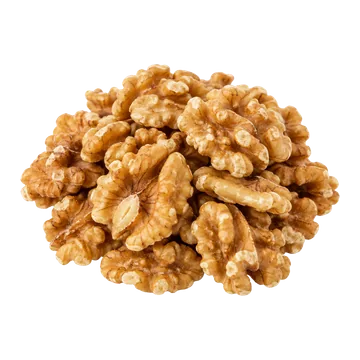 Walnuts, raw
Context
How it’s rated
Context only: no walnut sample positive; the three positives were two sesame seed samples and one melon seed sample.
Intake: not applicable · Level in the food: 0 % of samples positive (0 of 53 walnut samples; 3 of 891 nut and seed samples overall (all seeds), n = 53)
Measured on: Food Safety Authority of Ireland survey 10NS1 (2012): pre-packaged ready-to-eat nuts and seeds on retail sale in Ireland; Salmonella in 25 g
Sources
- CDC, Outbreak of Salmonella infections linked to tahini (Salmonella Concord), final update 27 February 2019 (archived page)
cdc-salmonella-concord-tahini-2019· secondary source · US government work (public domain) - CFIA, 2010-2011 Salmonella in Cantaloupes (targeted survey; 499 whole cantaloupes)
cfia-2010-11-salmonella-cantaloupes· page · Government of Canada terms (Crown copyright) - CFIA, National Microbiological Baseline Study in Broiler Chicken, December 2012 - December 2013 (page dated 2016-08-16)
cfia-broiler-baseline-2012-13· page · Government of Canada terms (Crown copyright) - CFIA (2016-05-12). National Microbiological Baseline Study in Broiler Chicken, December 2012 - December 2013 (study under the federal, provincial and territorial Pathogen Reduction Initiative).
cfia-mbs-broiler-2016· full text read · Government of Canada terms (Crown copyright; not OGL) - CFIA, Food microbiology - Targeted surveys - Interim report (data as of 2024-03-31), Table 4 (hot peppers line)
cfia-micro-targeted-2020-24· full text read · Open Government Licence - Canada - Canadian Food Inspection Agency, Left Coast Organics brand Organic Chia Seeds recalled due to Salmonella (recall notice, 2026-01-20)
cfia-recall-left-coast-chia-2026· secondary source · Government of Canada terms (Crown copyright) - Canadian Food Inspection Agency, MaraNatha and Trader Joe's brands almond butters and peanut butters recalled due to possible Salmonella (recall notice, 2014-08-19, Class 2)
cfia-recall-maranatha-trader-joes-2014· secondary source · Government of Canada terms (Crown copyright) - CFIA, 2011-2012 Salmonella and Generic E. coli in Tahini and Sesame Seeds
cfia-salmonella-sesame-tahini-2011-2012· page · Government of Canada terms (not checked) - Food Safety Authority of Ireland, Bacteriological and Chemical Safety of Ready-to-Eat Dried Seeds and Ready-to-Eat Nuts (10NS1), August 2012
fsai-10ns1-2012· full text read · unknown - Health Canada, Egg safety (date modified 2024-04-11 as shown)
hc-egg-safety· page · Government of Canada terms (Crown copyright; not OGL) - Health Canada, Egg safety (page details 2024-04-11)
hc-egg-safety-2024· full text read · Government of Canada terms - Health Canada, Poultry safety (dcterms.modified 2019-02-06)
hc-poultry-safety· page · Government of Canada terms (Crown copyright; not OGL) - Health Canada, Safe cooking temperatures (published 2024-06-04; page details 2020-05-29)
hc-safe-cooking-temps· page · Government of Canada terms (Crown copyright; not OGL) - Public Health Agency of Canada. ARCHIVED Public Health Notice: Outbreak of Salmonella illness related to mangoes (2012, Salmonella Braenderup)
phac-2012-salmonella-mangoes· page · Government of Canada terms (Crown copyright) - Public Health Agency of Canada, Public Health Notice: Outbreak of Salmonella infections related to sprouted chia seed powder (2014; investigation closed August 2014)
phac-2014-chia-salmonella· secondary source · Government of Canada terms (Crown copyright) - Public Health Agency of Canada, Public Health Notice: Outbreak of Salmonella infections possibly linked to long English cucumbers (final update 2018-12-12)
phac-2018-cucumber-salmonella· page · Government of Canada terms (Crown copyright) - Public Health Agency of Canada, Public Health Notice: Outbreak of Salmonella illnesses linked to raw turkey and raw chicken (notice of 2018, final update 2020-02-21)
phac-2018-salmonella-reading-raw-turkey· page · Government of Canada terms (Crown copyright) - Public Health Agency of Canada, Public Health Notice: Outbreak of Salmonella infections linked to Malichita and Rudy brand cantaloupes (final update 2024-01-29)
phac-2023-cantaloupe-salmonella· page · Government of Canada terms (Crown copyright) - Public Health Agency of Canada, Public Health Notice: Outbreak of Salmonella infections linked to eggs (final update 2021-04-14)
phac-egg-outbreak-2021· page · Government of Canada terms (Crown copyright; not OGL) - Public Health Agency of Canada. Public Health Notice: Outbreak of Salmonella infections linked to red onions imported from the United States (final update 2020-10-01)
phac-onion-salmonella-2020· page · Government of Canada terms (Crown copyright) - Public Health Agency of Canada, Risks of salmonellosis (Salmonella) (page details 2016-11-24)
phac-salmonellosis-risks-2016· full text read · Government of Canada terms - Cook A, Reid-Smith R, Irwin R, et al. (2009 Mar). Antimicrobial resistance in Campylobacter, Salmonella, and Escherichia coli isolated from retail turkey meat from southern Ontario, Canada. J Food Prot · PMID 19343933
pmid:19343933· abstract only · licence not recorded - Aslam M, Checkley S, Avery B, et al. (2012 Oct). Phenotypic and genetic characterization of antimicrobial resistance in Salmonella serovars isolated from retail meats in Alberta, Canada. Food Microbiol · doi:10.1016/j.fm.2012.04.017 · PMID 22850381
pmid:22850381· abstract only · licence not recorded - Zhang G, Hu L, Luo Y, et al. Survey of Salmonella in raw tree nuts at retail in the United States. J Food Sci 2021;86(2):495-504 · doi:10.1111/1750-3841.15569 · PMID 33438200
pmid:33438200· secondary source · CC BY-NC-ND (Europe PMC licence field, PMC7898309) - Qu Z, Shah DH, Sablani SS, et al. (2024 Aug) Thermal inactivation kinetics of Salmonella and Campylobacter in chicken livers. Poult Sci · doi:10.1016/j.psj.2024.103961 · PMID 38941761
pmid:38941761· abstract only · CC BY-NC-ND (Europe PMC licence field, PMC11260320) - An International Outbreak Investigation of Salmonella Enteritidis Infections in the United States and Canada Linked to Peaches - 2020. J Food Prot 2025 May 22 · doi:10.1016/j.jfp.2025.100519 · PMID 40287140
pmid:40287140· abstract only · CC BY-NC-ND (Europe PMC licence field)