Purines and gout
In the body: The body turns purines into uric acid, which can set off gout attacks.
Not rated by dose: a flag on 18 reviewed foods, among them Beef liver, raw, Chicken liver, raw and canned sardines. The list below has a line for each of 29 preparations.
For some people. Allergies, medicines and medical conditions: a flag for the people the source names, no wider.
The reference value and where it comes from
- The agency’s figureno agency dose value
- Basismissing: only a Japanese dietary recommendation (under 400 mg purines/day for gout and hyperuricaemia) quoted by Kaneko 2014; no agency document opened
- Applies topeople with gout or hyperuricaemia
- Source ?Kaneko 2014
Reviewed foods that carry it
18 reviewed foods carry it; none is rated by dose. A food counts once, as in the foods list: preparations sharing a page (raw and cooked, canned) count once; one with its own page counts apart. Below, one line for each of 29 preparations.
How often you can eat it ?
No food here is rated by dose. Each line says why it’s listed: a flag for the people the source names, advice on handling it, or context.
Flags and context, not rated by dose
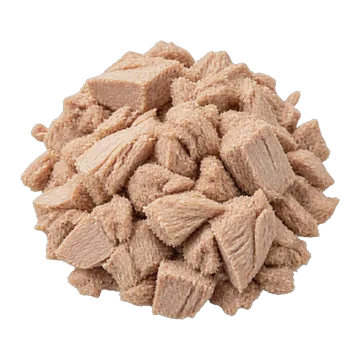 Albacore (white) tuna, canned in water
Not rated yet
64.3 mgper servingpurinesKaneko 2014 · grade C ?
How it’s rated
Not rated for people with gout or hyperuricemia: the only reference is a Japanese dietary recommendation of 400 mg purines a day, seen through Kaneko 2014 rather than an agency document, so no reference is established. Canned tuna measures 116.9 mg purines per 100 g (HPLC, Kaneko 2014, four purine bases; the species and packing liquid are not stated). A 55 g serving carries about 64 mg. For scale only, 400 mg would be reached at about 342 g.
Intake: one 55 g serving · Level in the food: 116.9 mg/100 g (single reported value)
Measured on: Kaneko 2014, HPLC, 'Canned fish, Tuna' (Table 7, canned fish), total of four purine bases; sample number not stated
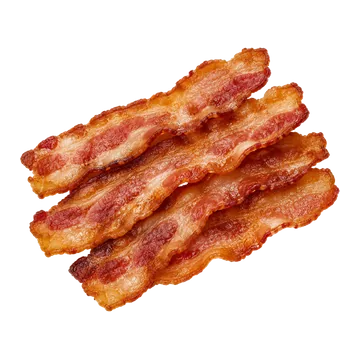 Bacon, pan-fried
Not rated yet
9.3 mgper servingpurines (taken from a similar food)Kaneko 2014 · grade C ?
How it’s rated
Not rated for people with gout or hyperuricemia: the only reference is a Japanese dietary recommendation of 400 mg purines a day, seen through Kaneko 2014 rather than an agency document, so no reference is established. Bacon measures 61.8 mg purines per 100 g (HPLC, Kaneko 2014, four purine bases). No fried figure was found, so that value stands in. A 15.0 g serving carries about 9 mg. For scale only, 400 mg would be reached at about 647 g.
Intake: one 15.0 g serving · Level in the food: 61.8 mg/100 g (Kaneko's 'Bacon' standing in (no figure for this food as such))
Measured on: Kaneko 2014, HPLC, 'Bacon' (Table 4, animal meat and processed meat), total of four purine bases; sample number not stated
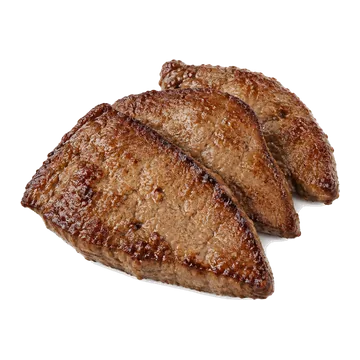 Beef liver, pan-fried
Not rated yet
219.8 mgper servingpurines (raw basis)Kaneko 2014 · grade B ?
How it’s rated
Not rated for people with gout or hyperuricemia: the only reference is a Japanese dietary recommendation of 400 mg purines a day, seen through Kaneko 2014 rather than an agency document, so no reference is established. Raw beef liver measures 219.8 mg purines per 100 g (HPLC, Kaneko 2014, four purine bases), measured raw; no pan-fried figure was found, so the raw value stands in here. For scale only, 400 mg would be reached at about 182 g of raw liver.
Intake: 100 g serving · Level in the food: 219.8 mg/100 g (raw-liver value standing in (no cooked figure found))
Measured on: Kaneko 2014, HPLC, raw beef liver, total of four purine bases; sample number not stated
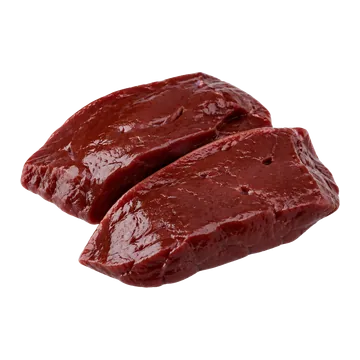 Beef liver, raw
Not rated yet
219.8 mgper servingpurinesKaneko 2014 · grade B ?
How it’s rated
Not rated for people with gout or hyperuricemia: the only reference is a Japanese dietary recommendation of 400 mg purines a day, seen through Kaneko 2014 rather than an agency document, so no reference is established. Raw beef liver measures 219.8 mg purines per 100 g (HPLC, Kaneko 2014, four purine bases). For scale only, 400 mg would be reached at about 182 g.
Intake: 100 g serving · Level in the food: 219.8 mg/100 g (single reported value)
Measured on: Kaneko 2014, HPLC, raw beef liver, total of four purine bases; sample number not stated
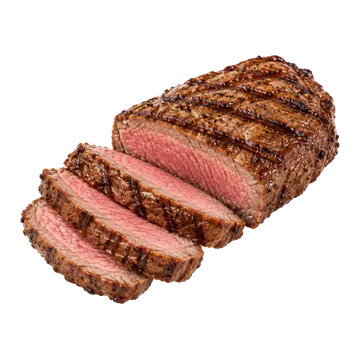 Beef steak, top loin, grilled
Not rated yet
74.2 mgper servingpurines (taken from a similar food)Kaneko 2014 · grade C ?
How it’s rated
Not rated for people with gout or hyperuricemia: the only reference is a Japanese dietary recommendation of 400 mg purines a day, seen through Kaneko 2014 rather than an agency document, so no reference is established. Kaneko 2014 has no top loin row; its beef rib loin measures 74.2 mg purines per 100 g (HPLC, four purine bases), and its beef rows run from 74.2 to 143.5 (topside, heated). No grilled figure was found, so that value stands in. A 100 g serving carries about 74 mg. For scale only, 400 mg would be reached at about 539 g.
Intake: one 100 g serving · Level in the food: 74.2 mg/100 g (Kaneko's 'Beef, Ribloin' standing in (no figure for this food as such))
Measured on: Kaneko 2014, HPLC, 'Beef, Ribloin' (Table 4, animal meat and processed meat), total of four purine bases; sample number not stated
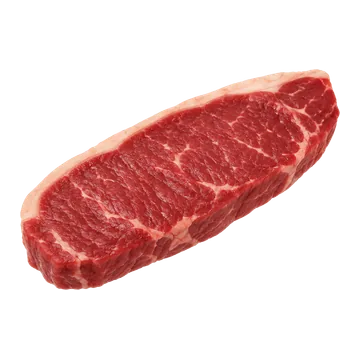 Beef steak, top loin, raw
Not rated yet
74.2 mgper servingpurines (taken from a similar food)Kaneko 2014 · grade C ?
How it’s rated
Not rated for people with gout or hyperuricemia: the only reference is a Japanese dietary recommendation of 400 mg purines a day, seen through Kaneko 2014 rather than an agency document, so no reference is established. Kaneko 2014 has no top loin row; its beef rib loin measures 74.2 mg purines per 100 g (HPLC, four purine bases), and its beef rows run from 74.2 to 143.5 (topside, heated). For scale only, 400 mg would be reached at about 539 g.
Intake: 100 g serving · Level in the food: 74.2 mg/100 g (Kaneko's 'Beef, Ribloin' standing in (no figure for this food as such))
Measured on: Kaneko 2014, HPLC, 'Beef, Ribloin' (Table 4, animal meat and processed meat), total of four purine bases; sample number not stated
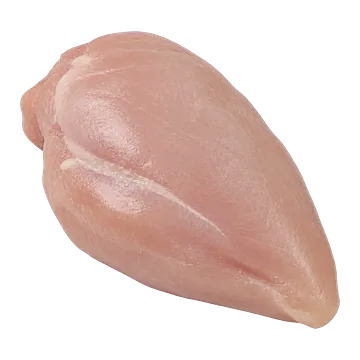 Chicken breast, raw
Not rated yet
176.5 mgper servingpurinesKaneko 2014 · grade B ?
How it’s rated
Not rated for people with gout or hyperuricemia: the only reference is a Japanese dietary recommendation of 400 mg purines a day, seen through Kaneko 2014 rather than an agency document, so no reference is established. Chicken breast measures 141.2 mg purines per 100 g (HPLC, Kaneko 2014, four purine bases). A 125 g serving carries about 176 mg. For scale only, 400 mg would be reached at about 283 g.
Intake: one 125 g serving · Level in the food: 141.2 mg/100 g (single reported value)
Measured on: Kaneko 2014, HPLC, 'Chicken, Breast' (Table 4, animal meat and processed meat), total of four purine bases; sample number not stated
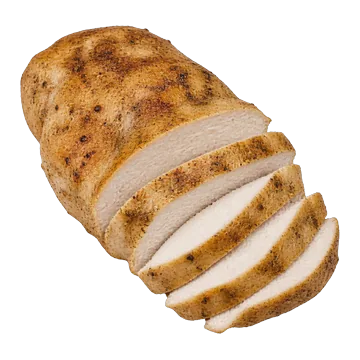 Chicken breast, roasted
Not rated yet
141.2 mgper servingpurines (taken from a similar food)Kaneko 2014 · grade C ?
How it’s rated
Not rated for people with gout or hyperuricemia: the only reference is a Japanese dietary recommendation of 400 mg purines a day, seen through Kaneko 2014 rather than an agency document, so no reference is established. Chicken breast measures 141.2 mg purines per 100 g (HPLC, Kaneko 2014, four purine bases). No roasted figure was found, so that value stands in. A 100 g serving carries about 141 mg. For scale only, 400 mg would be reached at about 283 g.
Intake: one 100 g serving · Level in the food: 141.2 mg/100 g (Kaneko's 'Chicken, Breast' standing in (no figure for this food as such))
Measured on: Kaneko 2014, HPLC, 'Chicken, Breast' (Table 4, animal meat and processed meat), total of four purine bases; sample number not stated
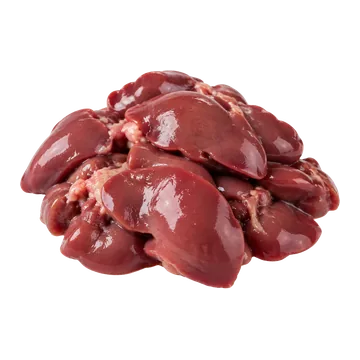 Chicken liver, raw
Not rated yet
312.2 mgper servingpurinesKaneko 2014 · grade B ?
How it’s rated
Not rated for people with gout or hyperuricemia: the only reference is a Japanese dietary recommendation of 400 mg purines a day, seen through Kaneko 2014, so no reference is established. Raw chicken liver measures 312.2 mg purines per 100 g (HPLC, four purine bases), in the study's highest class (over 300 mg). For scale only, 400 mg would be reached at about 128 g.
Intake: 100 g serving · Level in the food: 312.2 mg/100 g (single reported value)
Measured on: Kaneko 2014, HPLC, raw chicken liver, total of four purine bases; sample number not stated
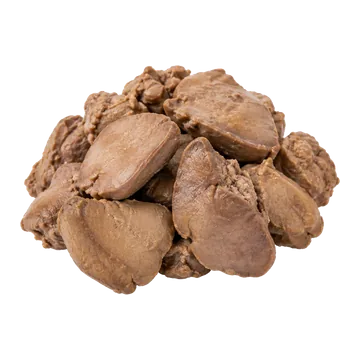 Chicken liver, simmered
Not rated yet
312.2 mgper servingpurines (raw basis)Kaneko 2014 · grade B ?
How it’s rated
Not rated for people with gout or hyperuricemia: the only reference is a Japanese dietary recommendation of 400 mg purines a day, seen through Kaneko 2014, so no reference is established. Raw chicken liver measures 312.2 mg purines per 100 g (HPLC, four purine bases), measured raw; no simmered figure was found, so the raw value stands in here. For scale only, 400 mg would be reached at about 128 g of raw liver.
Intake: 100 g serving · Level in the food: 312.2 mg/100 g (raw-liver value standing in (no cooked figure found))
Measured on: Kaneko 2014, HPLC, raw chicken liver, total of four purine bases; sample number not stated
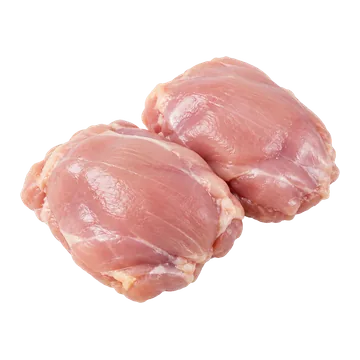 Chicken thigh, raw
Not rated yet
122.9 mgper servingpurines (taken from a similar food)Kaneko 2014 · grade C ?
How it’s rated
Not rated for people with gout or hyperuricemia: the only reference is a Japanese dietary recommendation of 400 mg purines a day, seen through Kaneko 2014 rather than an agency document, so no reference is established. Kaneko 2014 has no row named thigh; its chicken leg measures 122.9 mg purines per 100 g (HPLC, four purine bases) and stands in for it. For scale only, 400 mg would be reached at about 325 g.
Intake: 100 g serving · Level in the food: 122.9 mg/100 g (Kaneko's 'Chicken, Leg' standing in (no figure for this food as such))
Measured on: Kaneko 2014, HPLC, 'Chicken, Leg' (Table 4, animal meat and processed meat), total of four purine bases; sample number not stated
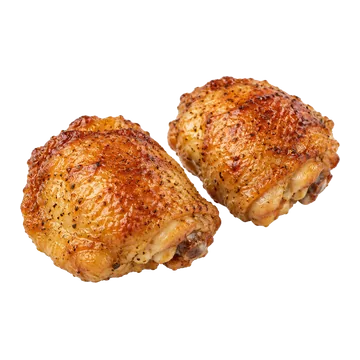 Chicken thigh, roasted
Not rated yet
122.9 mgper servingpurines (taken from a similar food)Kaneko 2014 · grade C ?
How it’s rated
Not rated for people with gout or hyperuricemia: the only reference is a Japanese dietary recommendation of 400 mg purines a day, seen through Kaneko 2014 rather than an agency document, so no reference is established. Kaneko 2014 has no row named thigh; its chicken leg measures 122.9 mg purines per 100 g (HPLC, four purine bases). No roasted figure was found, so that value stands in. A 100 g serving carries about 123 mg. For scale only, 400 mg would be reached at about 325 g.
Intake: one 100 g serving · Level in the food: 122.9 mg/100 g (Kaneko's 'Chicken, Leg' standing in (no figure for this food as such))
Measured on: Kaneko 2014, HPLC, 'Chicken, Leg' (Table 4, animal meat and processed meat), total of four purine bases; sample number not stated
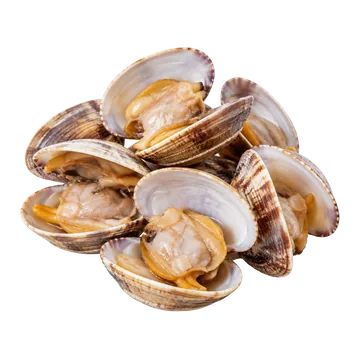 Clams, cooked
Not rated yet
145.5 mgper servingpurines (taken from a similar food)Kaneko 2014 · grade C ?
How it’s rated
Not rated for people with gout or hyperuricemia: the only reference is a Japanese dietary recommendation of 400 mg purines a day, seen through Kaneko 2014 rather than an agency document, so no reference is established. Kaneko 2014 measures clam at 145.5 mg purines per 100 g (HPLC, four purine bases; species not stated) and common orient clam at 104.5. No cooked figure was found, so the clam value stands in. A 100 g serving carries about 146 mg. For scale only, 400 mg would be reached at about 275 g.
Intake: one 100 g serving · Level in the food: 145.5 mg/100 g (Kaneko's 'Clam' standing in (no figure for this food as such))
Measured on: Kaneko 2014, HPLC, 'Clam' (Table 6, shellfish and mollusks), total of four purine bases; sample number not stated
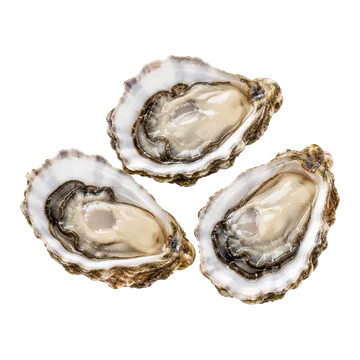 Eastern oysters, raw
Not rated yet
230.6 mgper servingpurinesKaneko 2014 · grade C ?
How it’s rated
Not rated for people with gout or hyperuricemia: the only reference is a Japanese dietary recommendation of 400 mg purines a day, seen through Kaneko 2014 rather than an agency document, so no reference is established. Oysters measure 184.5 mg purines per 100 g (HPLC, Kaneko 2014, four purine bases; the species is not stated), so a 125 g serving carries about 231 mg. For scale only, 400 mg would be reached at about 217 g.
Intake: one 125 g raw serving · Level in the food: 184.5 mg/100 g (measured (oyster species not stated))
Measured on: Kaneko 2014, HPLC, oyster (Table 6, shellfish and mollusks), total of four purine bases; species and sample number not stated
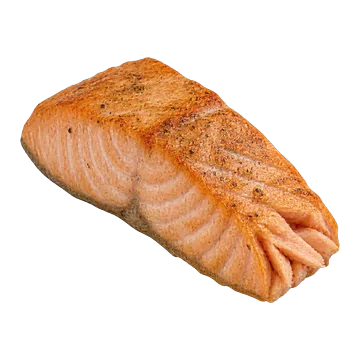 Farmed salmon, cooked
Not rated yet
119.3 mgper servingpurines (taken from a similar food)Kaneko 2014 · grade C ?
How it’s rated
Not rated for people with gout or hyperuricemia: the only reference is a Japanese dietary recommendation of 400 mg purines a day, seen through Kaneko 2014 rather than an agency document, so no reference is established. Raw salmon measures 119.3 mg purines per 100 g (HPLC, Kaneko 2014, four purine bases; the species and whether farmed are not stated). No cooked figure was found, so that value stands in. A 100 g serving carries about 119 mg. For scale only, 400 mg would be reached at about 335 g.
Intake: one 100 g serving · Level in the food: 119.3 mg/100 g (Kaneko's 'Salmon' standing in (no figure for this food as such))
Measured on: Kaneko 2014, HPLC, 'Salmon' (Table 5, fish), total of four purine bases; sample number not stated
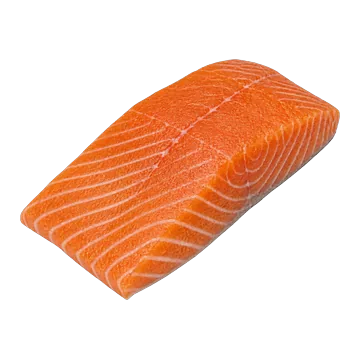 Farmed salmon, raw
Not rated yet
149.1 mgper servingpurinesKaneko 2014 · grade C ?
How it’s rated
Not rated for people with gout or hyperuricemia: the only reference is a Japanese dietary recommendation of 400 mg purines a day, seen through Kaneko 2014 rather than an agency document, so no reference is established. Raw salmon measures 119.3 mg purines per 100 g (HPLC, Kaneko 2014, four purine bases; the species and whether farmed are not stated). A 125 g serving carries about 149 mg. For scale only, 400 mg would be reached at about 335 g.
Intake: one 125 g serving · Level in the food: 119.3 mg/100 g (single reported value)
Measured on: Kaneko 2014, HPLC, 'Salmon' (Table 5, fish), total of four purine bases; sample number not stated
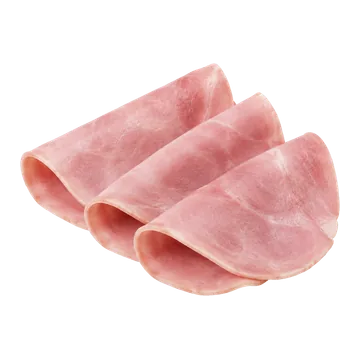 Ham, sliced
Not rated yet
40.8 mgper servingpurines (taken from a similar food)Kaneko 2014 · grade C ?
How it’s rated
Not rated for people with gout or hyperuricemia: the only reference is a Japanese dietary recommendation of 400 mg purines a day, seen through Kaneko 2014 rather than an agency document, so no reference is established. Kaneko 2014 measures boneless ham at 74.2 mg purines per 100 g (HPLC, four purine bases) and pressed ham at 64.4; boneless ham stands in for deli ham. A 55 g serving carries about 41 mg. For scale only, 400 mg would be reached at about 539 g.
Intake: one 55 g serving · Level in the food: 74.2 mg/100 g (Kaneko's 'Boneless ham' standing in (no figure for this food as such))
Measured on: Kaneko 2014, HPLC, 'Boneless ham' (Table 4, animal meat and processed meat), total of four purine bases; sample number not stated
- Light tuna, canned in water
Not rated yet
64.3 mgper servingpurinesKaneko 2014 · grade C ?
How it’s rated
Not rated for people with gout or hyperuricemia: the only reference is a Japanese dietary recommendation of 400 mg purines a day, seen through Kaneko 2014 rather than an agency document, so no reference is established. Canned tuna measures 116.9 mg purines per 100 g (HPLC, Kaneko 2014, four purine bases; the species and packing liquid are not stated). A 55 g serving carries about 64 mg. For scale only, 400 mg would be reached at about 342 g.
Intake: one 55 g serving · Level in the food: 116.9 mg/100 g (single reported value)
Measured on: Kaneko 2014, HPLC, 'Canned fish, Tuna' (Table 7, canned fish), total of four purine bases; sample number not stated
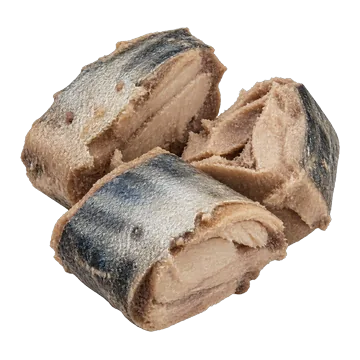 Mackerel, canned
Not rated yet
67.2 mgper servingpurines (taken from a similar food)Kaneko 2014 · grade C ?
How it’s rated
Not rated for people with gout or hyperuricemia: the only reference is a Japanese dietary recommendation of 400 mg purines a day, seen through Kaneko 2014 rather than an agency document, so no reference is established. Kaneko 2014 has no Atlantic or canned mackerel; its raw chub mackerel measures 122.1 mg purines per 100 g (HPLC, four purine bases), beside jack mackerel 165.3 and Spanish mackerel 139.3, and stands in. A 55 g serving carries about 67 mg. For scale only, 400 mg would be reached at about 328 g.
Intake: one 55 g serving · Level in the food: 122.1 mg/100 g (Kaneko's 'Chub mackerel' standing in (no figure for this food as such))
Measured on: Kaneko 2014, HPLC, 'Chub mackerel' (Table 5, fish), total of four purine bases; sample number not stated
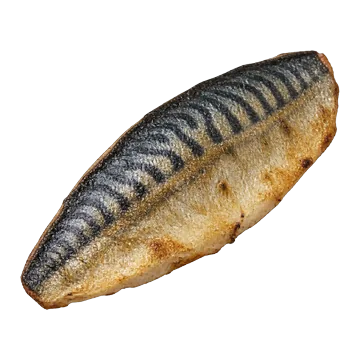 Mackerel, cooked
Not rated yet
122.1 mgper servingpurines (taken from a similar food)Kaneko 2014 · grade C ?
How it’s rated
Not rated for people with gout or hyperuricemia: the only reference is a Japanese dietary recommendation of 400 mg purines a day, seen through Kaneko 2014 rather than an agency document, so no reference is established. Kaneko 2014 has no Atlantic mackerel; its raw chub mackerel measures 122.1 mg purines per 100 g (HPLC, four purine bases), beside jack mackerel 165.3 and Spanish mackerel 139.3. No cooked figure was found, so the chub mackerel value stands in. A 100 g serving carries about 122 mg. For scale only, 400 mg would be reached at about 328 g.
Intake: one 100 g serving · Level in the food: 122.1 mg/100 g (Kaneko's 'Chub mackerel' standing in (no figure for this food as such))
Measured on: Kaneko 2014, HPLC, 'Chub mackerel' (Table 5, fish), total of four purine bases; sample number not stated
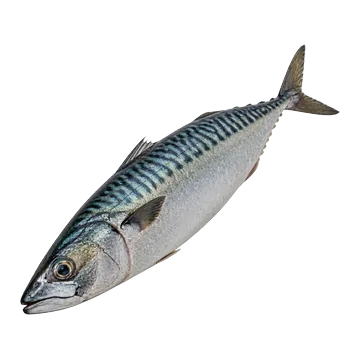 Mackerel, raw
Not rated yet
152.6 mgper servingpurines (taken from a similar food)Kaneko 2014 · grade C ?
How it’s rated
Not rated for people with gout or hyperuricemia: the only reference is a Japanese dietary recommendation of 400 mg purines a day, seen through Kaneko 2014 rather than an agency document, so no reference is established. Kaneko 2014 has no Atlantic mackerel; its raw chub mackerel measures 122.1 mg purines per 100 g (HPLC, four purine bases), beside jack mackerel 165.3 and Spanish mackerel 139.3. A 125 g serving carries about 153 mg. For scale only, 400 mg would be reached at about 328 g.
Intake: one 125 g serving · Level in the food: 122.1 mg/100 g (Kaneko's 'Chub mackerel' standing in (no figure for this food as such))
Measured on: Kaneko 2014, HPLC, 'Chub mackerel' (Table 5, fish), total of four purine bases; sample number not stated
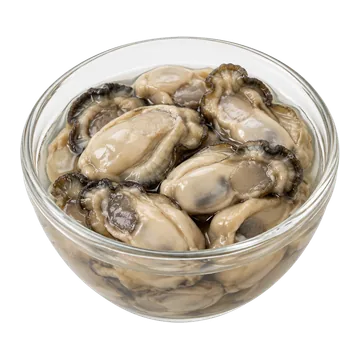 Oysters, canned
Not rated yet
101.5 mgper servingpurines (taken from a similar food)Kaneko 2014 · grade C ?
How it’s rated
Not rated for people with gout or hyperuricemia: the only reference is a Japanese dietary recommendation of 400 mg purines a day, seen through Kaneko 2014 rather than an agency document, so no reference is established. Oysters measure 184.5 mg purines per 100 g (HPLC, Kaneko 2014, four purine bases; the species and whether raw are not stated). No canned figure was found, so that value stands in. A 55 g serving carries about 102 mg. For scale only, 400 mg would be reached at about 217 g.
Intake: one 55 g serving · Level in the food: 184.5 mg/100 g (Kaneko's 'Oyster' standing in (no figure for this food as such))
Measured on: Kaneko 2014, HPLC, 'Oyster' (Table 6, shellfish and mollusks), total of four purine bases; sample number not stated
- Pacific oysters, raw
Not rated yet
230.6 mgper servingpurinesKaneko 2014 · grade C ?
How it’s rated
Not rated for people with gout or hyperuricemia: the only reference is a Japanese dietary recommendation of 400 mg purines a day, seen through Kaneko 2014 rather than an agency document, so no reference is established. Oysters measure 184.5 mg purines per 100 g (HPLC, Kaneko 2014, four purine bases; the species is not stated), so a 125 g serving carries about 231 mg. For scale only, 400 mg would be reached at about 217 g.
Intake: one 125 g raw serving · Level in the food: 184.5 mg/100 g (measured (oyster species not stated))
Measured on: Kaneko 2014, HPLC, oyster (Table 6, shellfish and mollusks), total of four purine bases; species and sample number not stated
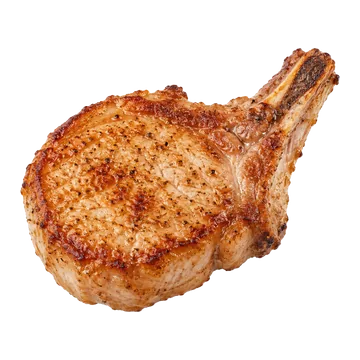 Pork chop, pan-fried
Not rated yet
90.9 mgper servingpurines (taken from a similar food)Kaneko 2014 · grade C ?
How it’s rated
Not rated for people with gout or hyperuricemia: the only reference is a Japanese dietary recommendation of 400 mg purines a day, seen through Kaneko 2014 rather than an agency document, so no reference is established. Kaneko 2014 has no pork loin row; its pork sirloin measures 90.9 mg purines per 100 g (HPLC, four purine bases), and its nine pork cuts 70.5 to 119.7. No fried figure was found, so that value stands in. A 100 g serving carries about 91 mg. For scale only, 400 mg would be reached at about 440 g.
Intake: one 100 g serving · Level in the food: 90.9 mg/100 g (Kaneko's 'Pork, Sirloin' standing in (no figure for this food as such))
Measured on: Kaneko 2014, HPLC, 'Pork, Sirloin' (Table 4, animal meat and processed meat), total of four purine bases; sample number not stated
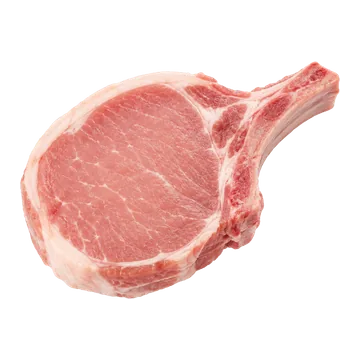 Pork chop, raw
Not rated yet
113.6 mgper servingpurines (taken from a similar food)Kaneko 2014 · grade C ?
How it’s rated
Not rated for people with gout or hyperuricemia: the only reference is a Japanese dietary recommendation of 400 mg purines a day, seen through Kaneko 2014 rather than an agency document, so no reference is established. Kaneko 2014 has no pork loin row; its pork sirloin measures 90.9 mg purines per 100 g (HPLC, four purine bases), and its nine pork cuts 70.5 to 119.7. A 125 g serving carries about 114 mg. For scale only, 400 mg would be reached at about 440 g.
Intake: one 125 g serving · Level in the food: 90.9 mg/100 g (Kaneko's 'Pork, Sirloin' standing in (no figure for this food as such))
Measured on: Kaneko 2014, HPLC, 'Pork, Sirloin' (Table 4, animal meat and processed meat), total of four purine bases; sample number not stated
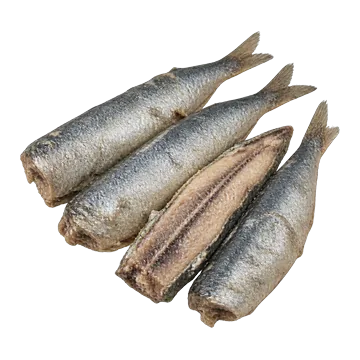 Sardines, canned in oil
Not rated yet
115.7 mgper servingpurines (fresh basis)Kaneko 2014 · grade C ?
How it’s rated
Not rated for people with gout or hyperuricemia: the only reference is a Japanese dietary recommendation of 400 mg purines a day, seen through Kaneko 2014 rather than an agency document, so no reference is established. Fresh sardine measures 210.4 mg purines per 100 g (HPLC, Kaneko 2014, four purine bases); no canned figure was found, so the fresh value stands in, and a 55 g serving carries about 116 mg. For scale only, 400 mg would be reached at about 190 g.
Intake: one 55 g serving · Level in the food: 210.4 mg/100 g (fresh-sardine value standing in (no canned figure found))
Measured on: Kaneko 2014, HPLC, fresh sardine (Table 5, fresh fish), total of four purine bases; sample number not stated; no canned figure found
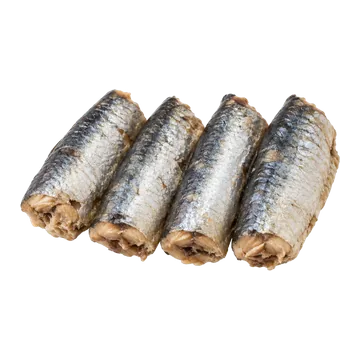 Sardines, canned in water
Not rated yet
115.7 mgper servingpurines (fresh basis)Kaneko 2014 · grade C ?
How it’s rated
Not rated for people with gout or hyperuricemia: the only reference is a Japanese dietary recommendation of 400 mg purines a day, seen through Kaneko 2014 rather than an agency document, so no reference is established. Fresh sardine measures 210.4 mg purines per 100 g (HPLC, Kaneko 2014, four purine bases); no canned figure was found, so the fresh value stands in, and a 55 g serving carries about 116 mg. For scale only, 400 mg would be reached at about 190 g.
Intake: one 55 g serving · Level in the food: 210.4 mg/100 g (fresh-sardine value standing in (no canned figure found))
Measured on: Kaneko 2014, HPLC, fresh sardine (Table 5, fresh fish), total of four purine bases; sample number not stated; no canned figure found
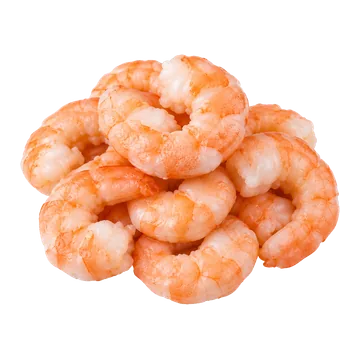 Shrimp, cooked
Not rated yet
195.3 mgper servingpurines (raw basis)Kaneko 2014 · grade C ?
How it’s rated
Not rated for people with gout or hyperuricemia: the only reference is a Japanese dietary recommendation of 400 mg purines a day, seen through Kaneko 2014 rather than an agency document, so no reference is established. Kaneko 2014 measured four raw shrimps at 53.4 to 273.2 mg purines per 100 g (HPLC, four purine bases); kuruma shrimp measures 195.3. No cooked figure was found, so that raw value stands in, and a 100 g serving carries about 195 mg. For scale only, 400 mg would be reached at about 205 g.
Intake: one 100 g cooked serving · Level in the food: 195.3 mg/100 g (raw kuruma shrimp value standing in (no cooked figure found))
Measured on: Kaneko 2014, HPLC, kuruma shrimp (Table 6, shellfish and mollusks), total of four purine bases; the table's other raw shrimps: botan 53.4, shiba 144.2, oriental 273.2 mg/100 g; no cooked figure found
 Sockeye salmon, canned
Not rated yet
73.1 mgper servingpurinesKaneko 2014 · grade C ?
How it’s rated
Not rated for people with gout or hyperuricemia: the only reference is a Japanese dietary recommendation of 400 mg purines a day, seen through Kaneko 2014 rather than an agency document, so no reference is established. Canned salmon measures 132.9 mg purines per 100 g (HPLC, Kaneko 2014, four purine bases; the species is not stated). A 55 g serving carries about 73 mg. For scale only, 400 mg would be reached at about 301 g.
Intake: one 55 g serving · Level in the food: 132.9 mg/100 g (single reported value)
Measured on: Kaneko 2014, HPLC, 'Canned fish, Salmon' (Table 7, canned fish), total of four purine bases; sample number not stated
Sources
- Kaneko K, et al. (2014) Total purine and purine base content of common foodstuffs for facilitating nutritional therapy for gout and hyperuricemia. Biol Pharm Bull 37(5):709-721 · doi:10.1248/bpb.b13-00967 · PMID 24553148
kaneko-2014-purines· secondary source · J-STAGE open access