Methylmercury
The form of mercury that builds up in fish, most of all in large predatory fish.
In the body: Can harm a developing brain, before birth and in childhood.
The one to watch: canned albacore (white) tuna. About 210 g takes an average adult to the weekly limit, counting what they already eat (250 g if it were the only source). The rest stay under it at a serving a day. The closest, Mussels, cooked, uses up about 83% of the room left. Stricter limits apply to some groups; each food below shows them.
The evidence behind this: Fish mercury: how many grams a week reach the limit
The card counts each food eaten alone, from zero, so its grams run higher than the ones below, which count what an average adult already eats.
Builds up over time. Agencies set an amount you can take in every week, or every day, for life. A food measured against it shows the grams that reach it.
Methylmercury is the main form of mercury in fish, and the one rated here. “Mercury, all forms” covers other foods, where only total mercury was measured, and is shown, not scored. See also: Mercury, all forms
The limit
- The agency’s figure1.3 µg/kg body weight/week
- For a 70 kg adult91 µg a week
- Basistolerable weekly intake (TWI): what you can take in every week for life
tolerable weekly intake (TWI) (as mercury) - Average adult intake0.07–1.08 µg/kg body weight/week EFSA 2012 adult mean exposure, middle bound, range across surveys; median 0.24 (18% of the tolerable weekly intake (TWI))
- Source ?EFSA 2012
Reviewed foods that carry it
13 reviewed foods carry it, 13 of them rated by dose. A food counts once, as in the foods list: preparations sharing a page (raw and cooked, canned) count once; one with its own page counts apart. Below, one line for each of 17 preparations. 17 of those lines are rated by dose.
Grams to the limit ?
Grams of each food that reach the limit in its window, for a 70 kg adult. Fewest first: those are the foods to watch.
Known background: an average adult already takes in 0.07–1.08 µg/kg body weight/week. Where the dataset allows, the grams below are the room left after that intake (the median of the surveys’ averages where EFSA gives one, otherwise the highest); beside each, the same limit counted from zero, the food eaten alone.
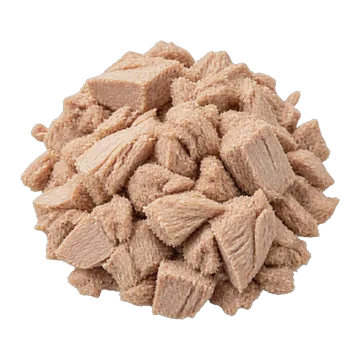 Albacore (white) tuna, canned in water
Limit it: weekly or less for a 55 g serving
210greaches the limit in a weekafter what an average adult already eats250 g eaten alone, from zeroWomen who are or may become pregnant, and children: 39 g a day, eaten alone Their limit is counted per day, not per week.19.7 µg per 55 g servingCFIA mercury and metals in fish (2000–2021) · grade A ?
How it’s rated
Once a week or less: a daily 55 g serving is 1.97 µg/kg body weight/week, 152% of the EFSA tolerable weekly intake of 1.3 µg/kg body weight/week (148% on the FDA albacore mean); one serving a week is 22%, and 4.6 servings a week reach the limit. Health Canada's advice is looser: up to 300 g a week for women who are or may become pregnant and for breastfeeding mothers, 150 g a week for children aged 5-11 and 75 g a week for children aged 1-4.
Intake: one 55 g serving a day, 70 kg adult · Level in the food: 359 µg/kg (mean, n = 265)
Measured on: food-specific: CFIA canned albacore 2000-2021, deduplicated by System ID (lower bound 358.7, upper bound 359.3; median 342; P95 569; max 1,100; 350 µg/kg excluding Import Alert samples, n=200; 344 in 2012+, n=36). Beside it: FDA canned albacore 350 µg/kg (n=451, FDA 1991-2009, ND to 853)
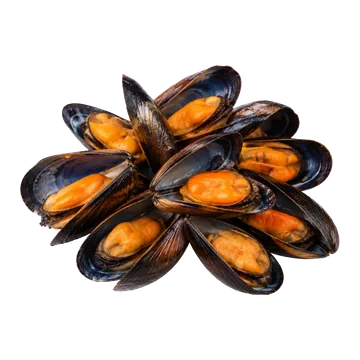 Mussels, cooked
Nothing to watch: under the limit for a 100 g serving
840greaches the limit in a weekafter what an average adult already eats1,000 g eaten alone, from zeroWomen who are or may become pregnant, and children: 160 g a day, eaten alone Their limit is counted per day, not per week.Eating it daily comes to 700 g a week, which stays within the 840 g of room left before the limit.8.83 µg per 100 g servingCFIA mercury and metals in fish (2000–2021) · grade B ?
How it’s rated
No cap: EFSA's 2012 tolerable weekly intake is 1.3 µg/kg body weight/week as mercury, 91 µg/week for 70 kg. Taking total mercury as an upper limit for methylmercury, cooked mussels average 0.0883 µg/g (upper bound, 558 samples, 91.9% non-detects), so about 1,030 g cooked a week, eaten alone, would reach it (12,819 g on the lower bound). Health Canada's 0.2 µg/kg body weight/day for women of child-bearing age and children (14 µg/day at 70 kg) sits beside it.
Intake: 100 g cooked (HC TRA I.3), one serving a day · Level in the food: 0.088 µg/g (mean of total mercury, upper bound (raw upper bound mean 0.0441 x 2.00), used as an upper limit for methylmercury, n = 558)
Measured on: CFIA inspection results (not a random survey), MUSSEL, BLUE, Sample Type Whole, Primary Process Live or Fresh, 2000-2021, domestic, import and export mixed; publisher gives ppm or µg/g (treated alike) and does not state wet or dry basis (wet tissue presumed: zinc and copper agree with USDA); this is RAW tissue as sold. Cooked-basis value = raw mean x 2.00, the ratio of non-water solids in USDA FDC cooked (water 61.15 g/100 g) to raw (80.58 g/100 g) blue mussel, assuming no contaminant is lost in cooking (an upper bound; no cooking-retention study found). Total mercury; 513 of 558 non-detects (detection limit about 0.05), so the plain mean is almost all detection limit; lower bound raw mean 0.0035.
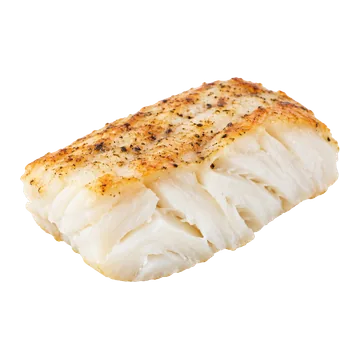 Cod, baked
Nothing to watch: under the limit for a 100 g serving
890greaches the limit in a weekafter what an average adult already eats1,100 g eaten alone, from zeroWomen who are or may become pregnant, and children: 170 g a day, eaten alone Their limit is counted per day, not per week.Eating it daily comes to 700 g a week, which stays within the 890 g of room left before the limit.8.3 µg per 100 g servingUS FDA Total Diet Study (2018–2020) · grade A ?
How it’s rated
No cap: EFSA's tolerable weekly intake for methylmercury is 1.3 µg/kg body weight/week as mercury, 91 µg a week for 70 kg. At the FDA mean of 0.083 µg/g for baked cod (27 composites, all detected), about 1,096 g a week eaten alone would reach it, roughly 11 servings. Health Canada's limit for women of child-bearing age and children is 0.2 µg/kg body weight/day, 14 µg/day, reached at 169 g a day; one 100 g serving is 59% of that daily limit for a 70 kg adult, with less margin for a child. Total mercury is read as methylmercury, as on the salmon and tuna rows; the methylmercury share of cod mercury was not looked up. Whether a daily serving stays below double the average adult's intake depends on background, which was not checked. Cod is not named among Health Canada's low-mercury fish, and the figure is about 4 times farmed cooked salmon's 21 µg/kg.
Intake: 100 g cooked serving (HC TRA I.3) · Level in the food: 83 ppb (mean of total mercury (27 composites, all detected; standard deviation 26, min 44, max 140 ppb), n = 27)
Measured on: US FDA Total Diet Study FY2018-2020 elements supplement, TDS food 387 'Cod, baked' (as eaten, US), reporting limit 1 ppb; every composite detected so the bound does not matter
- Light tuna, canned in water
Nothing to watch: under the limit for a 55 g serving
900greaches the limit in a weekafter what an average adult already eats1,100 g eaten alone, from zeroWomen who are or may become pregnant, and children: 170 g a day, eaten alone Their limit is counted per day, not per week.Eating it daily comes to 385 g a week, which stays within the 900 g of room left before the limit.4.54 µg per 55 g servingCFIA mercury and metals in fish (2000–2021) · grade A ?
How it’s rated
No cap, on agency advice: Health Canada's advice on mercury in fish says it does not apply to light tuna, and the FDA and EPA list light tuna among their Best Choices. A daily 55 g serving is 0.454 µg/kg body weight/week, 35% of the EFSA tolerable weekly intake of 1.3 µg/kg body weight/week (33-37% across lower and upper bounds); on the FDA light-tuna mean it is 53%, on the FDA Total Diet Study 97%, and at the CFIA samples' 95th percentile 98%. One serving a week is 5%.
Intake: one 55 g serving a day, 70 kg adult · Level in the food: 82.5 µg/kg (mean, n = 219)
Measured on: food-specific: CFIA canned skipjack (195 samples) + yellowfin (24), 2000-2020, deduplicated by System ID; total Hg treated as methylmercury. lower bound 78, upper bound 86.9 µg/kg; median 60; P95 231; max 779; 1 of 219 above 0.5 ppm. Beside it: FDA 1991-2010 canned light 126 µg/kg (n=545); HC TDS DD03 tuna+salmon 105.5 (n=2); FDA TDS FY18-20 canned in water 230 (n=3)
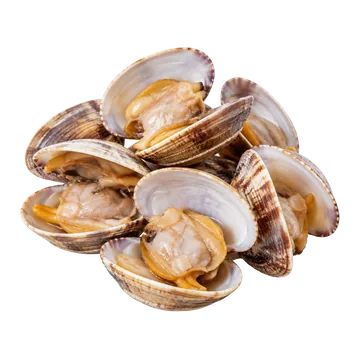 Clams, cooked
Nothing to watch: under the limit for a 100 g serving
960greaches the limit in a weekafter what an average adult already eats1,200 g eaten alone, from zeroWomen who are or may become pregnant, and children: 180 g a day, eaten alone Their limit is counted per day, not per week.Eating it daily comes to 700 g a week, which stays within the 960 g of room left before the limit.7.7 µg per 100 g servingCFIA mercury and metals in fish (2000–2021) · grade B ?
How it’s rated
No cap: EFSA's 2012 tolerable weekly intake for methylmercury is 1.3 µg/kg body weight/week as mercury, 91 µg/week for 70 kg. Clam meat averages 0.0770 µg/g of total mercury on the upper bound, used as a ceiling for methylmercury (80 CFIA samples, 92.5% non-detects), so about 1,182 g cooked a week eaten alone would reach it; a 100 g cooked serving carries 7.7 µg. Health Canada's 0.2 µg/kg body weight/day for women of child-bearing age and children is shown beside it, not used for the figure.
Intake: 100 g cooked (HC TRA I.3), one serving a day · Level in the food: 0.077 µg/g (mean of total mercury, upper bound (raw upper bound mean 0.0445 x 1.73), used as an upper limit for methylmercury, n = 80)
Measured on: CFIA inspection results (not a random survey), all CLAM species, Sample Type Meat, any Primary Process (fresh, frozen, live, cooked; surf, soft-shell, Manila, geoduck, quahog and others), 2000-2021, domestic, import and export mixed; publisher gives ppm or µg/g (treated alike), basis not stated (wet tissue presumed). This is mostly RAW or frozen-raw meat. Cooked-basis value = raw mean x 1.73, the ratio of non-water solids in USDA FDC cooked (water 63.64 g/100 g) to raw (78.98 g/100 g) mixed-species clam, assuming nothing is lost in cooking (an upper bound; no retention study found). Total mercury; 74 of 80 non-detects (detection limit about 0.05), so the plain mean is mostly detection limit; lower bound raw mean 0.0009.
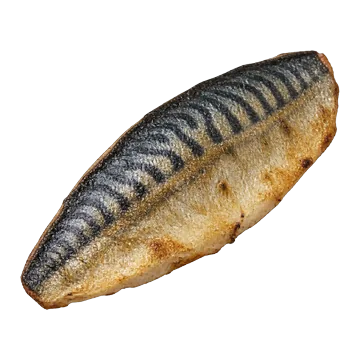 Mackerel, cooked
Nothing to watch: under the limit for a 100 g serving
1,300greaches the limit in a weekafter what an average adult already eats1,600 g eaten alone, from zeroWomen who are or may become pregnant, and children: 240 g a day, eaten alone Their limit is counted per day, not per week.Eating it daily comes to 700 g a week, which stays within the 1,300 g of room left before the limit.5.77 µg (total Hg, raw concentration x1.282 for cooking loss) per 100 g servingCFIA mercury and metals in fish (2000–2021) · grade A ?
How it’s rated
No cap, on agency advice for this fish: Health Canada names Atlantic mackerel among fish 'very low' in mercury and sets no limit for it, and the FDA and EPA list it as a Best Choice. For information, a daily serving is 44% of EFSA's tolerable weekly intake of 1.3 µg/kg body weight/week (38-51% across lower and upper bounds); one serving a week is 6.3%. King mackerel is a different fish with its own mercury (CFIA edible mean 0.268 ppm, 7 of 54 samples above Health Canada's 0.5 ppm standard; FDA mean 0.730): not this food.
Intake: one 100 g cooked serving a day, 70 kg adult; concentration = raw x1.282 (Foodtopsy's arithmetic) · Level in the food: 45 µg/kg (mean, n = 11)
Measured on: food-specific: CFIA MACKEREL, ATLANTIC edible portion (meat/muscle), all forms, 11 samples 2004-2020 (2 from Quebec Operation); total Hg treated as methylmercury
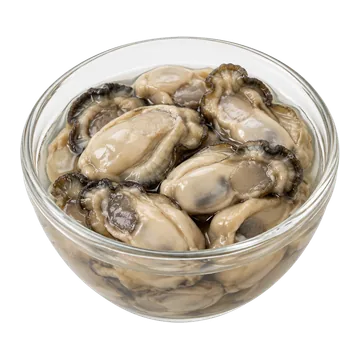 Oysters, canned
Nothing to watch: under the limit for a 55 g serving
1,500greaches the limit in a weekafter what an average adult already eats1,800 g eaten alone, from zeroWomen who are or may become pregnant, and children: 280 g a day, eaten alone Their limit is counted per day, not per week.Eating it daily comes to 385 g a week, which stays within the 1,500 g of room left before the limit.2.75 µg (upper bound) per 55 g servingCFIA mercury and metals in fish (2000–2021) · grade B ?
How it’s rated
No cap: EFSA's 2012 tolerable weekly intake for methylmercury is 1.3 µg/kg body weight/week as mercury, 91 µg a week. The one canned sample was below the 0.05 reporting limit, so at that upper bound about 1,820 g a week would reach it (a floor). A 55 g serving carries at most 2.75 µg, against a daily allowance of 13 µg. In the same file, raw eastern oysters were below the detection limit for total mercury in 48 of 57 samples.
Intake: 55 g canned (HC TRA I.4), one serving a day · Level in the food: 0.05 µg/g (single sample, below the detection limit (total mercury), n = 1)
Measured on: CFIA inspection result, one sample: OYSTER, PACIFIC /JAPANESE, Sample Type Meat, Primary Process Canned, sampled 8 March 2013, Domestic, sampling plan 'Environmental Contaminants - Harvest Area' (system ID 2013FFI-0000101993-4); not a market-basket survey; basis not stated. Total mercury '<0.05'; the Value field carries the detection limit (detection limit), so 0.05 is an upper bound.
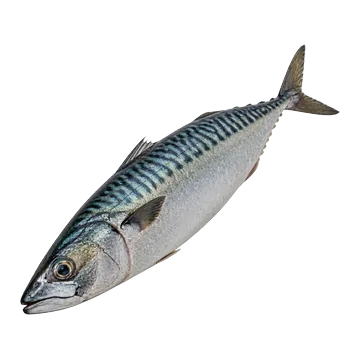 Mackerel, raw
Nothing to watch: under the limit for a 125 g serving
1,600greaches the limit in a weekafter what an average adult already eats2,000 g eaten alone, from zeroWomen who are or may become pregnant, and children: 310 g a day, eaten alone Their limit is counted per day, not per week.Eating it daily comes to 875 g a week, which stays within the 1,600 g of room left before the limit.5.62 µg (total Hg) per 125 g servingCFIA mercury and metals in fish (2000–2021) · grade A ?
How it’s rated
No cap, on agency advice for this fish: Health Canada names Atlantic mackerel among fish 'very low' in mercury and sets no limit for it, and the FDA and EPA list it as a Best Choice. For information, a daily serving is 43% of EFSA's tolerable weekly intake of 1.3 µg/kg body weight/week (37-50% across lower and upper bounds); one serving a week is 6.2%. King mackerel is a different fish with its own mercury (CFIA edible mean 0.268 ppm, 7 of 54 samples above Health Canada's 0.5 ppm standard; FDA mean 0.730): not this food.
Intake: one 125 g raw serving a day, 70 kg adult · Level in the food: 45 µg/kg (mean, n = 11)
Measured on: food-specific: CFIA MACKEREL, ATLANTIC edible portion (meat/muscle), all forms, 11 samples 2004-2020 (2 from Quebec Operation); total Hg treated as methylmercury
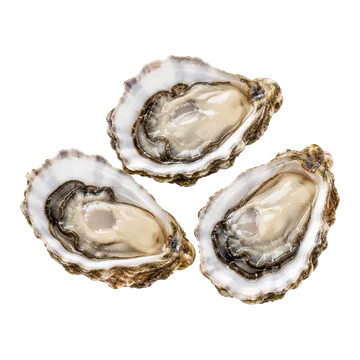 Eastern oysters, raw
Nothing to watch: under the limit for a 125 g serving
1,800greaches the limit in a weekafter what an average adult already eats2,200 g eaten alone, from zeroWomen who are or may become pregnant, and children: 340 g a day, eaten alone Their limit is counted per day, not per week.Eating it daily comes to 875 g a week, which stays within the 1,800 g of room left before the limit.5.2 µg (upper bound) per 125 g servingCFIA mercury and metals in fish (2000–2021) · grade B ?
How it’s rated
No cap: EFSA's 2012 tolerable weekly intake (TWI) for methylmercury is 1.3 µg/kg body weight/week as mercury, 91 µg a week. Treating total mercury as methylmercury (conservative for a bivalve), about 2,188 g a week would reach it. That is a floor, since 48 of 57 results were below the detection limit and the mean uses that limit; counting them as zero gives about 30 kg. Mean adult intake is 0.24 µg/kg body weight/week, 18% of the TWI, and a daily 125 g serving carries at most 5.2 µg against a daily allowance of 13 µg. The background range, 0.07–1.08 µg/kg body weight/week, is shown, not subtracted.
Intake: 125 g raw (HC TRA I.3), one serving a day · Level in the food: 0.042 µg/g (mean (total mercury, used as an upper limit for methylmercury), n = 57)
Measured on: CFIA inspection results, OYSTER, AMERICAN, Whole, Live, 2001-2018: TOTAL mercury, 48 of 57 below the detection limit (detection limit) (the file puts the detection limit in the Value field, so this mean is an upper bound; non-detects as 0 give 0.0030 µg/g). Methylmercury is not measured.
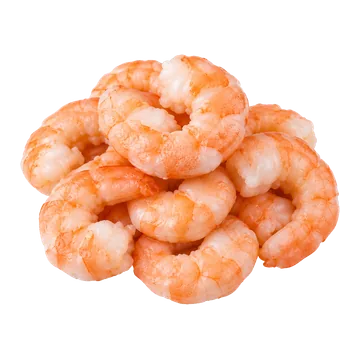 Shrimp, cooked
Nothing to watch: under the limit for a 100 g serving
2,200greaches the limit in a weekafter what an average adult already eats2,700 g eaten alone, from zeroWomen who are or may become pregnant, and children: 420 g a day, eaten alone Their limit is counted per day, not per week.Eating it daily comes to 700 g a week, which stays within the 2,200 g of room left before the limit.3.36 µg (upper bound) per 100 g servingCFIA mercury and metals in fish (2000–2021) · grade B ?
How it’s rated
No cap: EFSA's 2012 tolerable weekly intake (TWI) for mercury is 1.3 µg/kg body weight/week, 91 µg a week. Eaten alone, about 2,708 g of cooked shrimp a week would reach it (5,140 g on the lower bound); the mean of 0.0336 µg/g is an upper bound because 13 of 39 samples were below the detection limit. A daily 100 g serving carries 3.4 µg against a daily allowance of 13 µg. Mean adult intake is 0.24 µg/kg body weight/week, 18% of the TWI, within a range of 0.07-1.08 µg/kg body weight/week that is not subtracted.
Intake: 100 g cooked (HC TRA I.3), one serving a day · Level in the food: 0.034 µg/g (mean (total mercury, used as an upper limit for methylmercury), n = 39)
Measured on: CFIA inspection results (not a random survey), SHRIMP (all species; Northern shrimp 93 of the rows), Sample Type Meat, Primary Process Cooking, 2003-2021, mostly domestic; basis not stated. TOTAL mercury, 13 of 39 below the detection limit (detection limit) (the file stores the detection limit as the Value, so 0.0336 is an upper bound; non-detects as 0 give 0.0177 µg/g). Methylmercury is not measured.
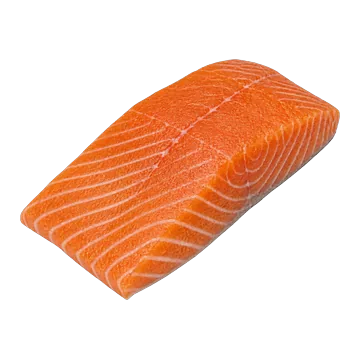 Farmed salmon, raw
Nothing to watch: under the limit for a 125 g serving
2,700greaches the limit in a weekafter what an average adult already eats3,300 g eaten alone, from zeroWomen who are or may become pregnant, and children: 500 g a day, eaten alone Their limit is counted per day, not per week.Eating it daily comes to 875 g a week, which stays within the 2,700 g of room left before the limit.3.49 µg (total Hg, at the upper-bound mean, 27.9 µg/kg) per 125 g servingCFIA mercury and metals in fish (2000–2021) · grade A ?
How it’s rated
No cap, on agency advice for this fish: Health Canada sets no consumption limit for salmon, and the FDA and EPA list it as a Best Choice. The computed share of the tolerable weekly intake is shown for information.
Intake: one 125 g serving a day, 70 kg adult · Level in the food: 12.82 µg/kg (mean, n = 209)
Measured on: food-specific: Atlantic salmon muscle/meat, fresh or frozen, CFIA 2002-2021 (n = 209), total mercury
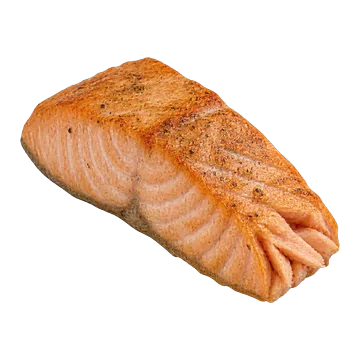 Farmed salmon, cooked
Nothing to watch: under the limit for a 100 g serving
3,500greaches the limit in a weekafter what an average adult already eats4,300 g eaten alone, from zeroWomen who are or may become pregnant, and children: 670 g a day, eaten alone Their limit is counted per day, not per week.Eating it daily comes to 700 g a week, which stays within the 3,500 g of room left before the limit.2.1 µg (total Hg) per 100 g servingUS FDA Total Diet Study (2018–2020) · grade A ?
How it’s rated
No cap, on agency advice for this fish: Health Canada sets no consumption limit for salmon, and the FDA and EPA list it as a Best Choice. The computed share of the tolerable weekly intake is shown for information.
Intake: one 100 g serving a day, 70 kg adult · Level in the food: 21 µg/kg (mean, n = 27)
Measured on: food-specific: salmon steaks/fillets, baked (FDA TDS #318), total mercury, 27 of 27 detected
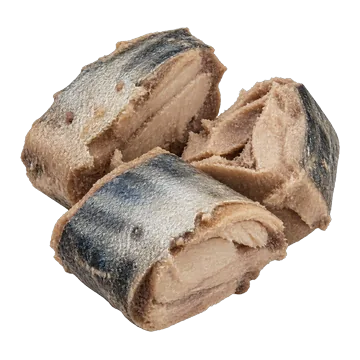 Mackerel, canned
Nothing to watch: under the limit for a 55 g serving
4,100greaches the limit in a weekafter what an average adult already eats5,100 g eaten alone, from zeroWomen who are or may become pregnant, and children: 780 g a day, eaten alone Their limit is counted per day, not per week.Eating it daily comes to 385 g a week, which stays within the 4,100 g of room left before the limit.0.99 µg (total Hg) per 55 g servingCFIA mercury and metals in fish (2000–2021) · grade B ?
How it’s rated
No cap, on agency advice for this fish: Health Canada names Atlantic mackerel among fish 'very low' in mercury and sets no limit for it, and the FDA and EPA list it as a Best Choice. For information, a daily serving is 8% of EFSA's tolerable weekly intake of 1.3 µg/kg body weight/week (2-13% across lower and upper bounds); one serving a week is 1.1%. King mackerel is a different fish with its own mercury (CFIA edible mean 0.268 ppm, 7 of 54 samples above Health Canada's 0.5 ppm standard; FDA mean 0.730): not this food.
Intake: one 55 g drained serving a day, 70 kg adult · Level in the food: 18 µg/kg (mean, n = 2)
Measured on: food-specific but thin: CFIA MACKEREL, ATLANTIC canned meat/muscle, 2 imported samples (2013 '<0.05' stored as 0.052; 2017 0.01); total Hg treated as methylmercury
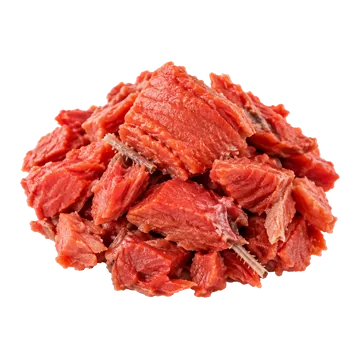 Sockeye salmon, canned
Nothing to watch: under the limit for a 55 g serving
5,300greaches the limit in a weekafter what an average adult already eats6,500 g eaten alone, from zeroWomen who are or may become pregnant, and children: 1,000 g a day, eaten alone Their limit is counted per day, not per week.Eating it daily comes to 385 g a week, which stays within the 5,300 g of room left before the limit.0.77 µg per 55 g servingFDA 1990–2012 · grade A ?
How it’s rated
No cap: EFSA's 2012 tolerable weekly intake (TWI) for mercury is 1.3 µg/kg body weight/week, 91 µg a week. Eaten alone, about 6,500 g of canned salmon a week would reach it (FDA mean 0.014 ppm in 19 samples, 1993-2009, US market; the page does not say total or methyl mercury). A serving carries 0.77 µg against a daily allowance of 13 µg. Mean adult intake is 0.24 µg/kg body weight/week, 18% of the TWI, within a background range of 0.07-1.08 µg/kg body weight/week that is not subtracted.
Intake: 55 g canned (HC TRA I.4), one serving a day · Level in the food: 0.014 ppm (mean (mercury; total or methyl not stated), n = 19)
Measured on: US FDA, canned salmon, 19 samples 1993-2009, mean 0.014 ppm, median 0.010, max 0.086, min ND (detection limit (detection limit) 0.01 ppm); the page does not state how non-detects were treated or whether the figure is total or methyl mercury; US market, not Canadian.
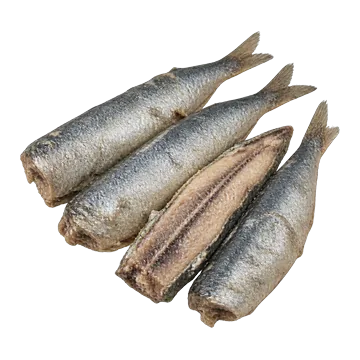 Sardines, canned in oil
Nothing to watch: under the limit for a 55 g serving
5,700greaches the limit in a weekafter what an average adult already eats7,000 g eaten alone, from zeroWomen who are or may become pregnant, and children: 1,100 g a day, eaten alone Their limit is counted per day, not per week.Eating it daily comes to 385 g a week, which stays within the 5,700 g of room left before the limit.0.715 µg per 55 g servingFDA 1990–2012 · grade A ?
How it’s rated
A daily serving is 5.5% of EFSA's tolerable weekly intake (1.3 µg/kg body weight/week), so no cap. The FDA and EPA list sardines among their 'Best Choices'.
Intake: one 55 g serving a day, 70 kg adult · Level in the food: 13 µg/kg (mean, n = 90)
Measured on: food-specific: FDA 'SARDINE' 1990-2012 table, data FDA 2002-2010 (median 0.010, standard deviation 0.015, min ND, max 0.083 ppm); canned vs fresh not stated. Total mercury treated as methylmercury (conservative). Health Canada TDS 1998/2000 and TDS elements: no sardine
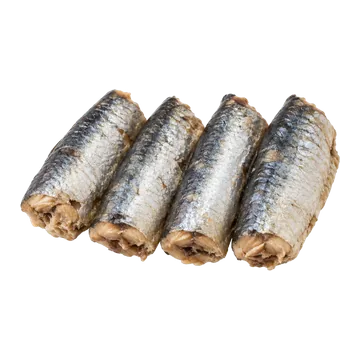 Sardines, canned in water
Nothing to watch: under the limit for a 55 g serving
5,700greaches the limit in a weekafter what an average adult already eats7,000 g eaten alone, from zeroWomen who are or may become pregnant, and children: 1,100 g a day, eaten alone Their limit is counted per day, not per week.Eating it daily comes to 385 g a week, which stays within the 5,700 g of room left before the limit.0.715 µg per 55 g servingFDA 1990–2012 · grade A ?
How it’s rated
No cap: a daily serving carries 0.715 µg of mercury, 5.5% of EFSA's tolerable weekly intake (TWI) of 1.3 µg/kg body weight/week, 91 µg for 70 kg. Eaten alone, about 7,000 g a week would reach it (FDA mean 0.013 ppm, 90 samples). The FDA and EPA list sardines among their 'Best Choices'.
Intake: one 55 g serving a day, 70 kg adult · Level in the food: 13 µg/kg (mean, n = 90)
Measured on: food-specific: FDA 'SARDINE' 1990-2012 table, data FDA 2002-2010 (median 0.010, standard deviation 0.015, min ND, max 0.083 ppm); canned vs fresh not stated. Total mercury treated as methylmercury (conservative). Health Canada TDS 1998/2000 and TDS elements: no sardine
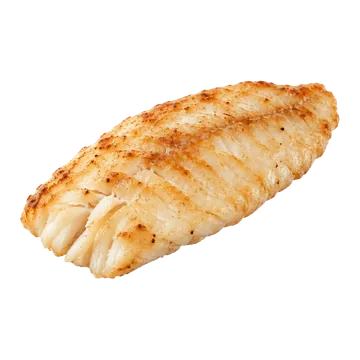 Tilapia, cooked
Nothing to watch: under the limit for a 100 g serving
11,000greaches the limit in a weekafter what an average adult already eats14,000 g eaten alone, from zeroWomen who are or may become pregnant, and children: 2,100 g a day, eaten alone Their limit is counted per day, not per week.Eating it daily comes to 700 g a week, which stays within the 11,000 g of room left before the limit.0.67 µg per 100 g servingUS FDA Total Diet Study (2018–2020) · grade A ?
How it’s rated
No cap: EFSA's 2012 tolerable weekly intake is 1.3 µg/kg body weight/week as mercury, 91 µg a week at 70 kg. At the FDA mean of 6.7 ppb total mercury (27 baked samples, used as an upper limit for methylmercury), about 13,582 g of tilapia a week would reach it. Health Canada's 0.2 µg/kg body weight/day for women of child-bearing age and children is shown beside it, not used for the figure.
Intake: 100 g cooked (HC TRA I.3), one serving a day · Level in the food: 6.7 ppb (mean of total mercury (27 of 27 detected), used as an upper limit for methylmercury, n = 27)
Measured on: FDA Total Diet Study FY2018-FY2020, TDS food 388 "Tilapia, baked" (as eaten, baked; US retail; 27 samples). Total mercury, standard deviation 5.4 ppb, range 1.1 to 20 ppb.
Sources
- CFIA, Mercury and Metals in Fish Products 2000-2021 (tuna rows: 7,072; canned 2,388)
cfia-fish-metals-2000-2021· dataset · Open Government Licence – Canada 2.0 - CFIA, Mercury and Metals in Fish Products, 2000-2021 (inspection results; compilation of raw data)
cfia-metals-fish-2000-2021· dataset · Open Government Licence – Canada 2.0 - EFSA CONTAM Panel (2012). Scientific Opinion on the risk for public health related to the presence of mercury and methylmercury in food. EFSA Journal 10(12):2985. · doi:10.2903/j.efsa.2012.2985
efsa-2012-mercury· full text read · EFSA Journal (Wiley) - US FDA, Mercury Levels in Commercial Fish and Shellfish (1990-2012)
fda-mercury-1990-2012· page · US government work (17 USC 105), public domain - US FDA, Total Diet Study FY2018–FY2020 Elements Report Supplement
fda-tds-fy2018-2020· dataset · US government work (17 USC 105), public domain