Mercury, all forms
In the body: EFSA sets a separate weekly limit for inorganic mercury, 4 µg per kg of body weight, and found that Europeans’ intake from food stays below it.
Not rated by dose: a flag on 8 reviewed foods, among them calcium-set tofu, pasta and Whey protein concentrate. The list below has a line for each of 9 preparations.
Background. Shown, not scored: no dose basis at normal intake, a classification rather than a risk, or legal limits only.
This counts every form of mercury together, measured in foods other than fish. It has no reference value, so it is shown, not scored. Methylmercury, the form rated in fish, has its own page. See also: Methylmercury
The reference value and where it comes from
- The agency’s figureno agency dose value
- Basistotal mercury in a non-fish food (methylmercury is rated in fish)
- Source ?US FDA Total Diet Study (2018–2020)
Reviewed foods that carry it
8 reviewed foods carry it; none is rated by dose. A food counts once, as in the foods list: preparations sharing a page (raw and cooked, canned) count once; one with its own page counts apart. Below, one line for each of 9 preparations.
How often you can eat it ?
No food here is rated by dose. Each line says why it’s listed: a flag for the people the source names, advice on handling it, or context.
Flags and context, not rated by dose
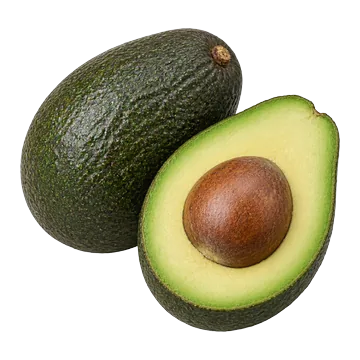 Avocado, raw
Not rated yet
US FDA Total Diet Study (2018–2020) · grade B ?
How it’s rated
Not rated: two sources disagree by two orders of magnitude, and one paper's units are internally inconsistent. EFSA's methylmercury limit (1.3 µg/kg body weight/week) is driven by fish; mercury in plants is mostly inorganic.
Intake: not applicable (flag) · Level in the food: 0.13 µg/kg (mean, n = 27)
Measured on: food-specific: FDA TDS #97, 3 detects of 27 (max 1.3 ppb), reporting limit 1 ppb. A US-market Hass paper reports mesocarp Hg 'elevated': maximum 0.012-0.021 mg/kg fresh weight after moisture adjustment (the paper's MAXIMUM: 92-160x the FDA MEAN, 9-16x the FDA max of 1.3) while its own Table 1 geometric means are 1.5-2.6 ng/g DRY weight (about 0.4-0.7 ng/g fresh); Peru 2025 pulp Hg up to 0.167 mg/kg DW.
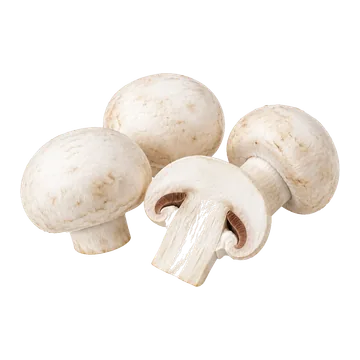 Mushrooms, raw
Not rated yet
US FDA Total Diet Study (2018–2020) · grade A ?
How it’s rated
Context: total mercury in a non-fish food; methylmercury is rated only in fish. At 85 g the intake is about 0.15 µg.
Intake: not applicable (flag) · Level in the food: 1.8 ppb (mean, n = 27)
Measured on: FDA TDS FY2018-2020, 'Mushrooms, raw', 27 samples, 25 detected, max 3.5 ppb; total mercury (not methylmercury)
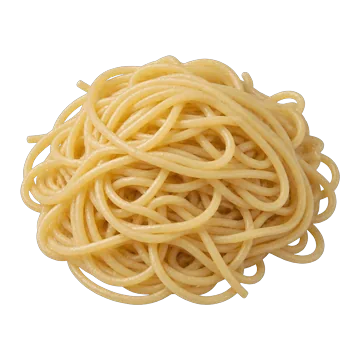 Pasta, cooked
Not rated yet
US FDA Total Diet Study (2018–2020) · grade B ?
How it’s rated
not rated: no Canadian value; the FDA non-detect (RL 1 ppb, n = 3) is not a rating.
Intake: one 215 g cooked serving a day, 70 kg adult
Measured on: no pasta rows for mercury in the Canadian TDS trace-element resource (query returned 0 rows for FF16); FDA TDS #347 spaghetti, enriched, boiled: mercury not detected 0/3 (RL 1 ppb)
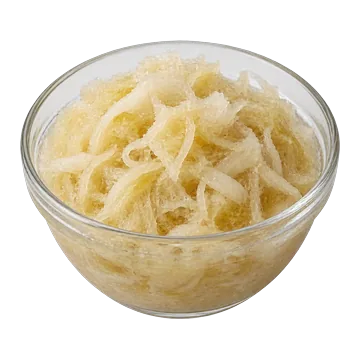 Sauerkraut
Not rated yet
US FDA Total Diet Study (2018–2020) · grade B ?
How it’s rated
Related-food FDA result is all non-detects; no sauerkraut data; not rated.
Intake: one 30 g serving a day, 70 kg adult
Measured on: Canadian TDS trace-element file returned 0 cabbage rows for mercury (mercury 1998/2000 is a separate dataset, not queried). FDA TDS FY18-20 #406 'Cabbage, raw': 0 of 27 detected (reporting limit 1 ppb)
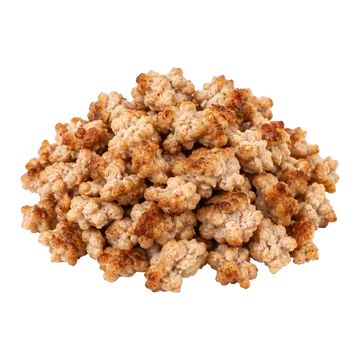
US FDA Total Diet Study (2018–2020) · grade A ?
How it’s rated
Context (mercury in a non-fish food). Not detected.
Intake: 60 g cooked serving (HC TRA L.7)
Measured on: US FDA TDS FY2018-2020, TDS food 390 'Turkey, ground, pan-cooked'
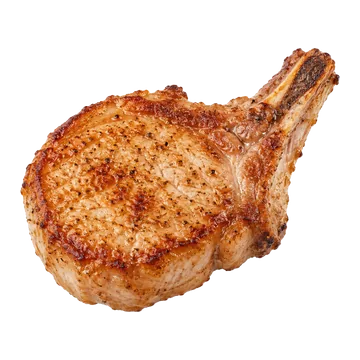 Pork chop, pan-fried
Context
US FDA Total Diet Study (2018–2020) · grade A ?
How it’s rated
Context (mercury in a non-fish food; methylmercury is rated in fish). Nothing to rate: not detected.
Intake: 100 g cooked serving (HC TRA L.6)
Measured on: US FDA Total Diet Study FY2018-2020 elements supplement, TDS food 18 'Pork chop, pan-cooked with oil', 27 samples, Detects 0, Non-detects 27, reporting limit 1 ppb
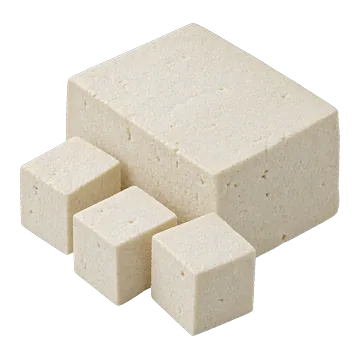 Tofu, calcium-set
Context
US FDA Total Diet Study (2018–2020) · grade B ?
How it’s rated
Context only: not detected at reporting limit 1 µg/kg
Intake: one 85 g serving a day, 70 kg adult · Level in the food: 1 µg/kg (reporting limit (single non-detect), n = 1)
Measured on: food-specific: FDA TDS #547, mercury not detected
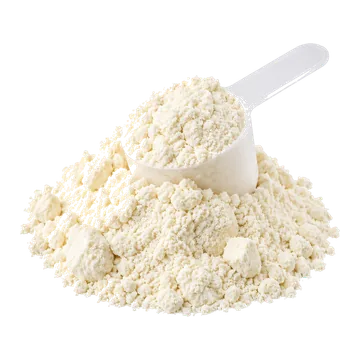 Whey protein concentrate
Context
How it’s rated
Context only: total mercury, not methylmercury, so no methylmercury limit applies. Category of all protein types.
Intake: not applicable (flag) · Level in the food: 0.002 ppm (mean (all samples, non-detects = 0), n = 196)
Measured on: CFIA targeted survey 'Toxic Metals in Selected Foods', April 2018 to March 2019, product 'Protein Powder' (ALL protein types, plant and rice included; whey cannot be separated), n = 196 samples in the open-data rows (the report counts 195): 72 domestic, 34 imported, 90 origin unknown; bought in Halifax, Montreal, Toronto, Ottawa, Vancouver, Calgary; results in µg/g (= ppm) 'as sold'. Mean recomputed from the CKAN rows with non-detects as 0 (lower bound); the report's own average uses quantifiable results only.
- Whey protein isolate
Context
How it’s rated
Context only: total mercury, not methylmercury, so no methylmercury limit applies. Category of all protein types.
Intake: not applicable (flag) · Level in the food: 0.002 ppm (mean (all samples, non-detects = 0), n = 196)
Measured on: CFIA targeted survey 'Toxic Metals in Selected Foods', April 2018 to March 2019, product 'Protein Powder' (ALL protein types, plant and rice included; whey cannot be separated), n = 196 samples in the open-data rows (the report counts 195): 72 domestic, 34 imported, 90 origin unknown; bought in Halifax, Montreal, Toronto, Ottawa, Vancouver, Calgary; results in µg/g (= ppm) 'as sold'. Mean recomputed from the CKAN rows with non-detects as 0 (lower bound); the report's own average uses quantifiable results only.
Sources
- CFIA, Toxic Metals in Selected Foods, April 1, 2018 to March 31, 2019 (open data resource 0e040e20-f157-46ce-860b-186b294ce1f7, product 'Protein Powder', 3,724 rows = 196 samples x 19 analytes)
cfia-toxic-metals-2018-19· dataset · Open Government Licence - Canada - US FDA, Total Diet Study FY2018–FY2020 Elements Report Supplement
fda-tds-fy2018-2020· dataset · US government work (17 USC 105), public domain