Gluten (celiac disease)
In the body: In celiac disease, gluten damages the gut.
Not rated by dose: a flag on 9 reviewed foods, among them whole-wheat bread, White bread, toasted and dry whole-wheat pasta. The list below has a line for each of 14 preparations.
For some people. Allergies, medicines and medical conditions: a flag for the people the source names, no wider.
The reference value and where it comes from
- The agency’s figureno agency dose value
- Basisagency advice: gluten for people with celiac disease
- Source ?Health Canada, celiac disease
Reviewed foods that carry it
9 reviewed foods carry it; none is rated by dose. A food counts once, as in the foods list: preparations sharing a page (raw and cooked, canned) count once; one with its own page counts apart. Below, one line for each of 14 preparations.
How often you can eat it ?
No food here is rated by dose. Each line says why it’s listed: a flag for the people the source names, advice on handling it, or context.
Flags and context, not rated by dose
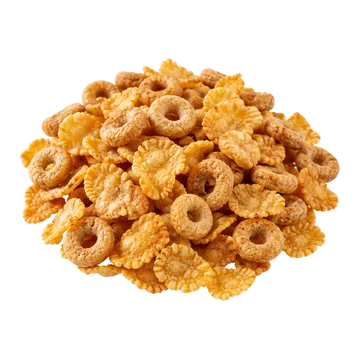 Breakfast cereal
Worth knowing
Health Canada, priority allergens · grade C ?
How it’s rated
Flagged for people with coeliac disease: cereals made from wheat, barley (malt) or rye contain gluten, and corn flakes made with barley malt are not gluten-free.
Intake: one 30 g serving a day (Health Canada reference amount C.3), 70 kg adult
Measured on: Category flag on the generic row; whether it applies depends on the base grain and the brand (ingredient list). Not measured here
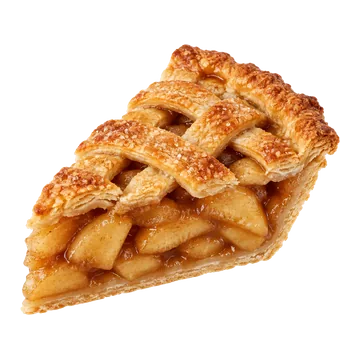 Cakes
Worth knowing
Health Canada, celiac disease · grade A ?
How it’s rated
Flagged for people with celiac disease: wheat, barley, rye and their hybrids trigger it.
Intake: n/a (person-specific)
Measured on: celiac disease: wheat, barley, rye and hybrids; 'nearly 1% of the population'
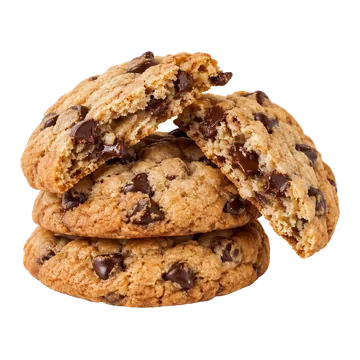 Cookies
Worth knowing
Health Canada, celiac disease · grade A ?
How it’s rated
Flagged for people with celiac disease: wheat, barley, rye and their hybrids trigger it.
Intake: n/a (person-specific)
Measured on: celiac disease: wheat, barley, rye and hybrids; 'nearly 1% of the population'
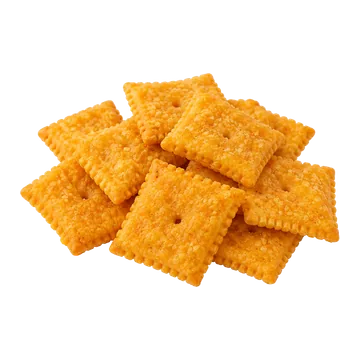 Crackers
Worth knowing
Health Canada, celiac disease · grade A ?
How it’s rated
Flagged for people with celiac disease: crackers are made from wheat flour, and gluten is found in wheat, barley, rye and their hybrids.
Intake: n/a (person-specific)
Measured on: celiac disease: wheat, barley, rye and hybrids; 'nearly 1% of the population'
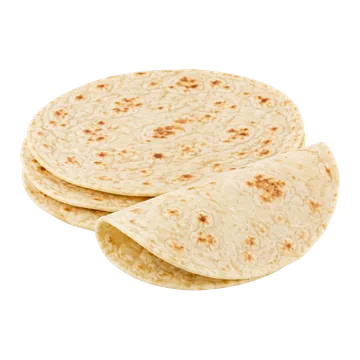 Flour tortillas
Worth knowing
Health Canada, celiac disease · grade A ?
How it’s rated
Flagged for people with celiac disease: wheat flour carries gluten, and the only treatment for celiac disease is a strict gluten-free diet.
Intake: not applicable (flag)
Measured on: not stated in the draft
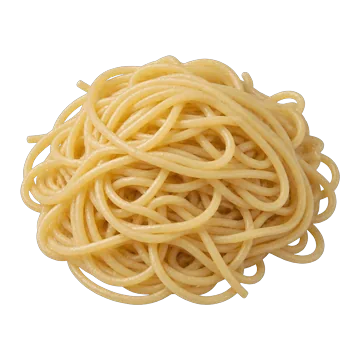 Pasta, cooked
Worth knowing
Health Canada, celiac disease · grade A ?
How it’s rated
Person-specific: wheat pasta contains gluten, so it is flagged for people with coeliac disease.
Intake: n/a (person-specific)
Measured on: celiac disease (separate mechanism from wheat allergy): triggered by wheat species including durum
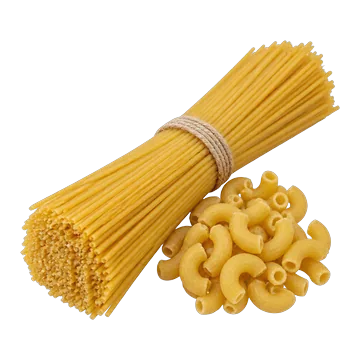 Pasta, dry
Worth knowing
Health Canada, celiac disease · grade A ?
How it’s rated
Person-specific: wheat pasta contains gluten, so it is flagged for people with coeliac disease.
Intake: n/a (person-specific)
Measured on: celiac disease (separate mechanism from wheat allergy): triggered by wheat species including durum
- Pies
Worth knowing
Health Canada, celiac disease · grade A ?
How it’s rated
Flagged for people with celiac disease: wheat, barley, rye and their hybrids trigger it.
Intake: n/a (person-specific)
Measured on: celiac disease (pastry crust)
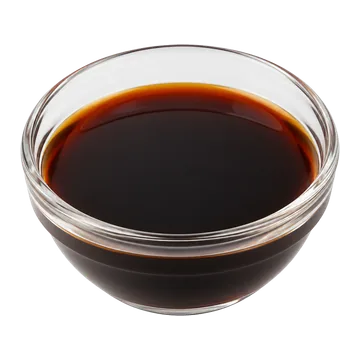 Soy sauce
Worth knowing
US food database (USDA SR Legacy) · grade A ?
How it’s rated
Flagged for people with celiac disease: shoyu is brewed from soy and wheat, and no measured gluten value was found, so it should not be assumed gluten-free. Hydrolysed-protein soy sauces vary.
Intake: one tablespoon (15 mL, 16 g) a day, 70 kg adult
Measured on: Composition and labelling flag, not a concentration.
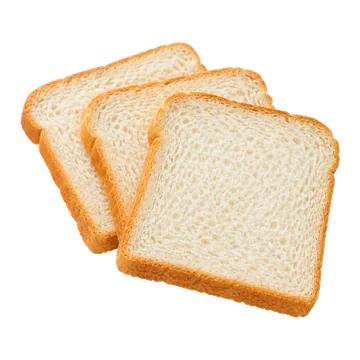 White bread
Worth knowing
Health Canada, celiac disease · grade A ?
How it’s rated
Flagged for people with celiac disease: white bread has gluten from wheat flour; wheat, barley, rye and their hybrids trigger it.
Intake: n/a (person-specific)
Measured on: celiac disease (separate mechanism from wheat allergy): triggered by wheat, barley, rye and their hybrids; 'nearly 1% of the population'
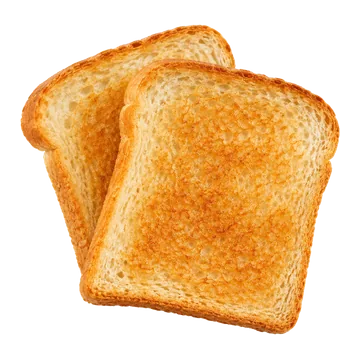 White bread, toasted
Worth knowing
Health Canada, celiac disease · grade A ?
How it’s rated
Flagged for people with celiac disease: white bread has gluten from wheat flour; wheat, barley, rye and their hybrids trigger it.
Intake: n/a (person-specific)
Measured on: celiac disease (separate mechanism from wheat allergy): triggered by wheat, barley, rye and their hybrids; 'nearly 1% of the population'
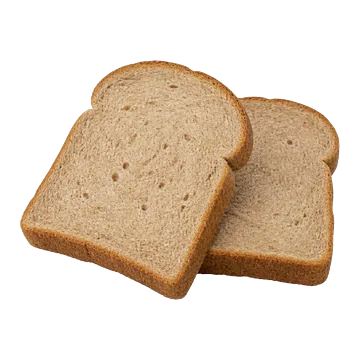 Whole-wheat bread
Worth knowing
Health Canada, celiac disease · grade A ?
How it’s rated
Celiac disease is triggered by wheat, barley, rye and their hybrids; Health Canada: affects nearly 1% of the population
Intake: not applicable (flag)
Measured on: person-specific
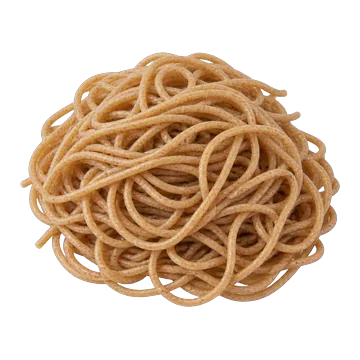 Whole-wheat pasta, cooked
Worth knowing
Health Canada, celiac disease · grade A ?
How it’s rated
Person-specific: wheat pasta contains gluten, so it is flagged for people with celiac disease.
Intake: n/a (person-specific)
Measured on: celiac disease (separate mechanism from wheat allergy): triggered by wheat species including durum
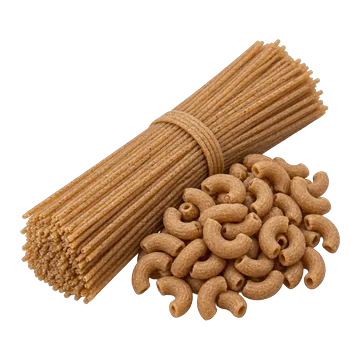 Whole-wheat pasta, dry
Worth knowing
Health Canada, celiac disease · grade A ?
How it’s rated
Person-specific: wheat pasta contains gluten, so it is flagged for people with celiac disease.
Intake: n/a (person-specific)
Measured on: celiac disease (separate mechanism from wheat allergy): triggered by wheat species including durum
Sources
- USDA FoodData Central, SR Legacy, 2018-04
fdc-sr-legacy-2018-04· dataset · CC0 1.0 (public domain) - Health Canada, Celiac disease
hc-celiac-disease· page · Government of Canada terms (Crown copyright; not OGL) - Health Canada, Common food allergens (priority allergens list)
hc-priority-allergens· page · Government of Canada terms (Crown copyright; not OGL)