Safe cooking temperature
In the body: Cooking to the safe internal temperature kills many of the bacteria that cause food poisoning.
Not rated by dose: a flag on 15 reviewed foods, among them Chicken thigh, raw, Beef steak, top loin, raw and Pork sausage, raw. The list below has a line for each of 19 preparations.
Depends how you handle it. Safe one way, risky another: cook it, soak it, boil it or freeze it, as the agency says.
The reference value and where it comes from
- The agency’s figureno agency dose value
- BasisHealth Canada safe internal cooking temperatures
- Source ?Health Canada, safe cooking temperatures
Reviewed foods that carry it
15 reviewed foods carry it; none is rated by dose. A food counts once, as in the foods list: preparations sharing a page (raw and cooked, canned) count once; one with its own page counts apart. Below, one line for each of 19 preparations.
How often you can eat it ?
No food here is rated by dose. Each line says why it’s listed: a flag for the people the source names, advice on handling it, or context.
Flags and context, not rated by dose
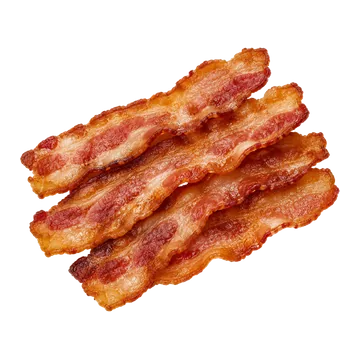 Bacon, pan-fried
Worth knowing
Health Canada, safe cooking temperatures · grade B ?
How it’s rated
Flagged for cooking: most bacon is sold raw and must be cooked through. Health Canada's chart does not name bacon; for pork, ham included, it gives 71 °C (160 °F).
Intake: not applicable (flag) · Level in the food: 71 °C internal (agency guidance: pork pieces and whole cuts (bacon not named))
Measured on: rule, not an occurrence
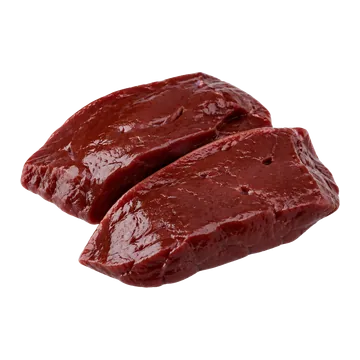 Beef liver, raw
Worth knowing
Health Canada, safe cooking temperatures · grade A ?
How it’s rated
Flagged for cooking: cook beef liver to 71 °C (160 °F). Health Canada's chart has no liver row; 71 °C is its figure for ground beef and for beef pieces cooked to medium.
Intake: not applicable (flag) · Level in the food: 71 °C internal (rule (temperature))
Measured on: Health Canada chart of safe internal cooking temperatures; no organ meat, liver or giblet row (raw page read 2026-10-23)
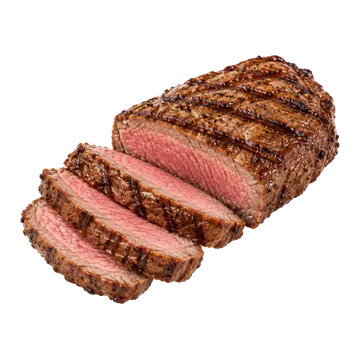 Beef steak, top loin, grilled
Worth knowing
Health Canada, safe cooking temperatures · grade A ?
How it’s rated
Flagged: cook steak to at least 63 °C (145 °F), medium-rare, the lowest doneness on Health Canada's chart. Use a digital thermometer in the thickest part, not touching bone.
Intake: not applicable (process rule) · Level in the food: 63 °C internal (rule (temperature))
Measured on: Health Canada chart "Beef, veal and lamb": ground meat 71°C (160°F); pieces and whole cuts medium-rare 63°C (145°F), medium 71°C (160°F), well done 77°C (170°F); mechanically tenderized beef and veal 63°C (145°F), turn steak over at least twice
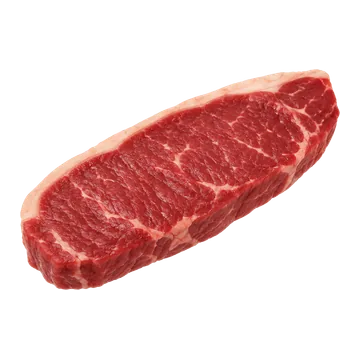 Beef steak, top loin, raw
Worth knowing
Health Canada, safe cooking temperatures · grade A ?
How it’s rated
Flagged: cook steak to at least 63 °C (145 °F), medium-rare, the lowest doneness on Health Canada's chart. Use a digital thermometer in the thickest part, not touching bone.
Intake: not applicable (process rule) · Level in the food: 63 °C internal (rule (temperature))
Measured on: Health Canada chart "Beef, veal and lamb": ground meat 71°C (160°F); pieces and whole cuts medium-rare 63°C (145°F), medium 71°C (160°F), well done 77°C (170°F); mechanically tenderized beef and veal 63°C (145°F), turn steak over at least twice
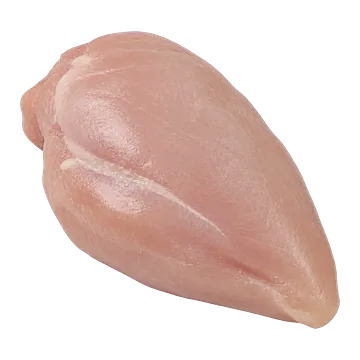 Chicken breast, raw
Worth knowing
Health Canada, safe cooking temperatures · grade A ?
How it’s rated
Flagged: cook chicken breasts to 74 °C (165 °F) in the thickest part, using a digital thermometer; Health Canada's chart gives 74 °C for poultry pieces, breasts included.
Intake: preparation guidance · Level in the food: 74 °C internal (agency guidance)
Measured on: Health Canada safe internal cooking temperature, poultry pieces (breasts, legs, thighs, wings); whole birds 82 °C
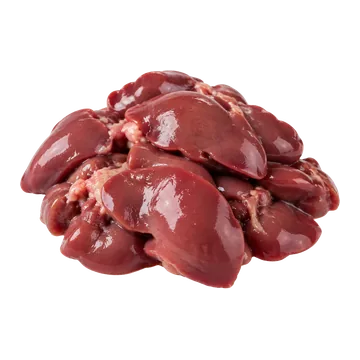 Chicken liver, raw
Worth knowing
Health Canada, safe cooking temperatures · grade A ?
How it’s rated
Flagged for cooking: cook chicken liver to 74 °C (165 °F), Health Canada's figure for poultry pieces; a laboratory study found 70 to 73.9 °C enough for liver.
Intake: not applicable (flag) · Level in the food: 74 °C internal (rule (temperature))
Measured on: Health Canada chart of safe internal cooking temperatures; no organ meat, liver or giblet row
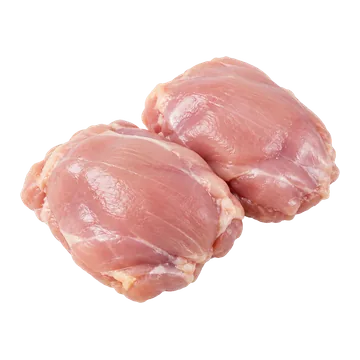 Chicken thigh, raw
Worth knowing
Health Canada, safe cooking temperatures · grade A ?
How it’s rated
Flagged: cook thighs, drumsticks and wings to 74 °C (165 °F) in the thickest part, using a digital thermometer that does not touch bone.
Intake: not applicable (process rule) · Level in the food: 74 °C internal (rule (temperature))
Measured on: Health Canada chart "Poultry including chicken, duck and turkey": Pieces, for example, breasts, legs, thighs, wings 74°C (165°F); Whole 82°C (180°F); Ground poultry 74°C (165°F)
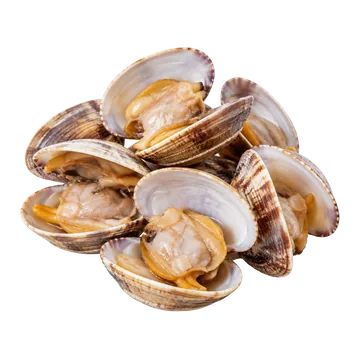 Clams, cooked
Worth knowing
Health Canada 2025 · grade B ?
How it’s rated
Flagged for cooking: shellfish should reach a safe internal temperature, and clams that stay closed after cooking are discarded (Health Canada pregnancy page). Two figures are on record, 74 °C (165 °F) from that page and 90 °C for 90 seconds from PHAC's norovirus notices, and they are not reconciled.
Intake: 100 g cooked (HC TRA I.3), one serving a day
Measured on: not stated in the draft
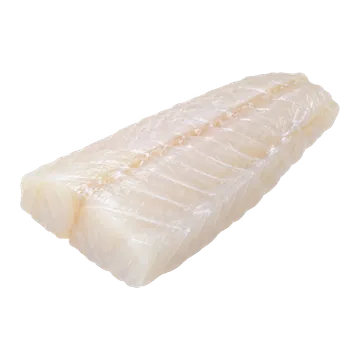 Cod, raw
Worth knowing
Health Canada, safe cooking temperatures · grade A ?
How it’s rated
Flagged for cooking: Health Canada's cooking chart gives 70 °C (158 °F) internal temperature for fish.
Intake: internal temperature at the thickest part · Level in the food: 70 °C internal (agency guidance: fish 70 C (158 F) internal)
Measured on: Health Canada, Safe cooking temperatures, page published 2024-06-04
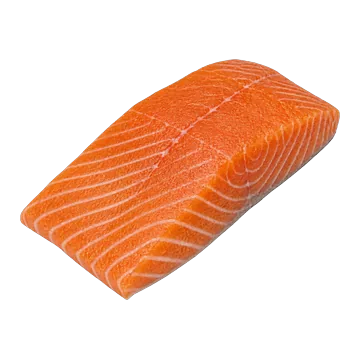 Farmed salmon, raw
Worth knowing
Health Canada, safe cooking temperatures · grade A ?
How it’s rated
Flagged for cooking: Health Canada's cooking chart gives 70 °C (158 °F) internal temperature for fish.
Intake: internal temperature at the thickest part · Level in the food: 70 °C internal (agency guidance: fish 70 C (158 F) internal)
Measured on: Health Canada, Safe cooking temperatures, page published 2024-06-04
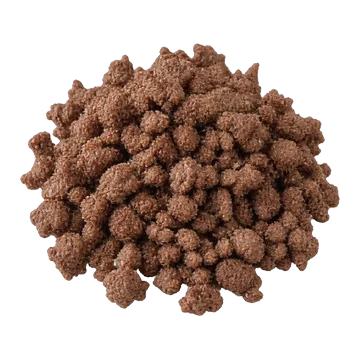 Ground beef, 80% lean, cooked
Worth knowing
Health Canada, safe cooking temperatures · grade A ?
How it’s rated
Flagged: cooking temperature decides safety. Cook ground beef to 71 °C (160 °F) in the thickest part. Health Canada's chart gives ground meat a single temperature, with no rare or medium-rare option the way a steak has. Use a digital thermometer.
Intake: not applicable (process rule) · Level in the food: 71 °C internal (rule (temperature))
Measured on: Health Canada chart "Beef, veal and lamb": ground meat 71°C (160°F); pieces and whole cuts medium-rare 63°C (145°F), medium 71°C (160°F), well done 77°C (170°F); mechanically tenderized beef and veal 63°C (145°F), turn steak over at least twice
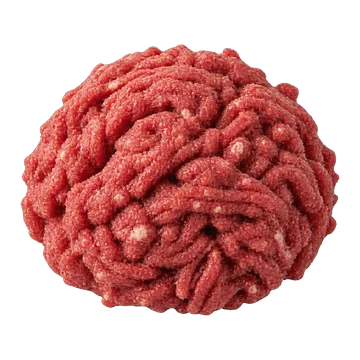 Ground beef, 80% lean, raw
Worth knowing
Health Canada, safe cooking temperatures · grade A ?
How it’s rated
Flagged: cooking temperature decides safety. Cook ground beef to 71 °C (160 °F) in the thickest part. Health Canada's chart gives ground meat a single temperature, with no rare or medium-rare option the way a steak has. Use a digital thermometer.
Intake: not applicable (process rule) · Level in the food: 71 °C internal (rule (temperature))
Measured on: Health Canada chart "Beef, veal and lamb": ground meat 71°C (160°F); pieces and whole cuts medium-rare 63°C (145°F), medium 71°C (160°F), well done 77°C (170°F); mechanically tenderized beef and veal 63°C (145°F), turn steak over at least twice
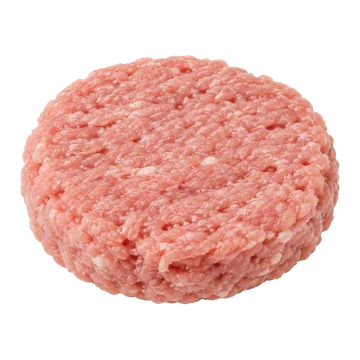 Ground turkey, 93% lean, raw
Worth knowing
Health Canada, safe cooking temperatures · grade A ?
How it’s rated
Flagged for a cooking warning: Health Canada advises cooking ground poultry, including turkey burgers, meatballs and sausages, to an internal temperature of 74 °C (165 °F); poultry pieces also need 74 °C.
Intake: internal temperature at the thickest part · Level in the food: 74 °C internal (agency guidance (ground poultry, including turkey; poultry pieces also 74 C) (74 °C internal))
Measured on: Health Canada, Safe cooking temperatures, page published 2024-06-04
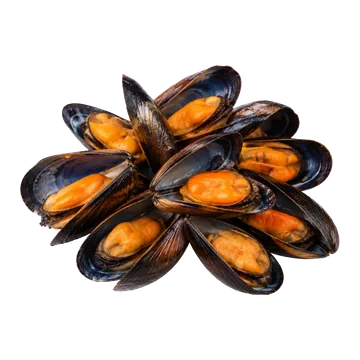 Mussels, cooked
Worth knowing
Health Canada 2025 · grade B ?
How it’s rated
Flagged for cooking: shellfish should reach a safe internal temperature, and shells that stay closed after cooking are discarded (Health Canada's pregnancy page). Two figures appear in the sources and they differ: 74 °C (165 °F) from that page and 90 °C for 90 seconds from PHAC's notices.
Intake: 100 g cooked (HC TRA I.3), one serving a day
Measured on: not stated in the draft
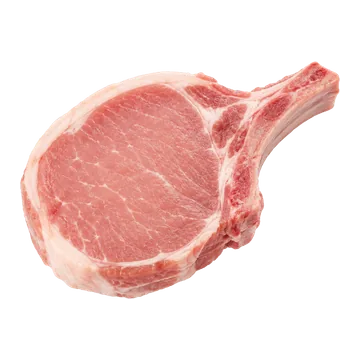 Pork chop, raw
Worth knowing
Health Canada, safe cooking temperatures · grade A ?
How it’s rated
Flagged for a cooking warning: Health Canada advises cooking pork, including bone-in chops, boneless loin chops and ground pork, to an internal temperature of 71 °C at the thickest part.
Intake: internal temperature at the thickest part · Level in the food: 71 °C internal (agency guidance (pieces and whole cuts, including bone-in chops and boneless loin chops; ground pork also 71 C) (71 °C internal))
Measured on: Health Canada, Safe cooking temperatures, page published 2024-06-04
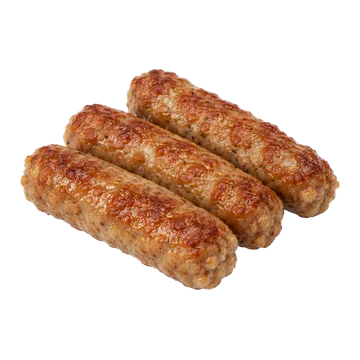 Pork sausage, pan-fried
Worth knowing
Health Canada, safe cooking temperatures · grade A ?
How it’s rated
Flagged: cooking temperature decides safety. Cook pork sausage to 71 °C (160 °F) in the thickest part (hot dogs 74 °C). Health Canada's chart lists sausages under ground pork.
Intake: not applicable (process rule) · Level in the food: 71 °C internal (rule (temperature))
Measured on: Health Canada chart, Pork: "Ground pork, for example, burgers, meatballs, sausages" 71°C (160°F); Hot dogs 74°C (165°F)
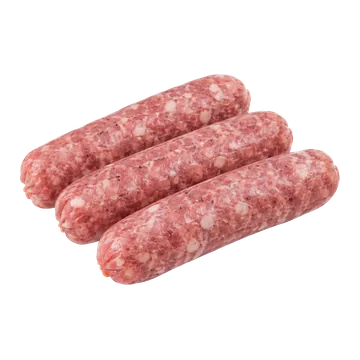 Pork sausage, raw
Worth knowing
Health Canada, safe cooking temperatures · grade A ?
How it’s rated
Flagged: cooking temperature decides safety. Cook pork sausage to 71 °C (160 °F) in the thickest part (hot dogs 74 °C). Health Canada's chart lists sausages under ground pork.
Intake: not applicable (process rule) · Level in the food: 71 °C internal (rule (temperature))
Measured on: Health Canada chart, Pork: "Ground pork, for example, burgers, meatballs, sausages" 71°C (160°F); Hot dogs 74°C (165°F)
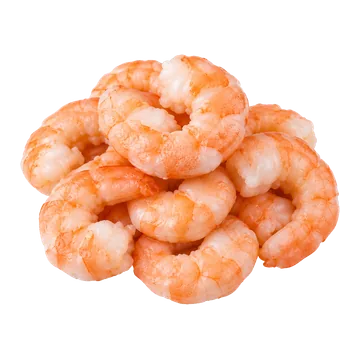 Shrimp, cooked
Worth knowing
Health Canada, safe cooking temperatures · grade A ?
How it’s rated
Flagged for cooking: Health Canada's cooking chart gives 74 °C (165 °F) for shellfish and crustaceans, shrimp included. This food is already cooked; the figure applies when you cook raw shrimp, and leftovers are reheated to 74 °C.
Intake: not applicable (flag) · Level in the food: 74 °C internal (agency guidance: shellfish)
Measured on: not stated in the draft
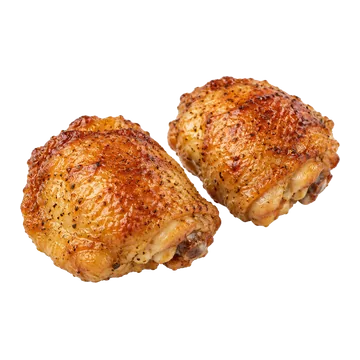 Chicken thigh, roasted
Context
Health Canada, Food safety tips for leftovers · grade A ?
How it’s rated
Bought cooked: keep it out of the danger zone (4 to 60 °C). Health Canada: throw away cooked food left at room temperature for more than two hours, eat refrigerated leftovers within 2 to 3 days, and reheat leftovers to 74 °C (165 °F). Cooking raw thighs at home: 74 °C in the thickest part.
Intake: not applicable (process rule)
Measured on: Health Canada food safety tips for leftovers: throw away cooked food left at room temperature for more than 2 hours, eat refrigerated leftovers within 2 to 3 days, reheat to 74 °C (165 °F); poultry pieces are cooked to 74 °C (165 °F).
Sources
- Health Canada, Food safety tips for leftovers (page details 2025-04-10)
hc-food-safety-tips-leftovers· page · Crown copyright, Government of Canada - Health Canada, Safe cooking temperatures (published 2024-06-04; page details 2020-05-29)
hc-safe-cooking-temps· page · Government of Canada terms (Crown copyright; not OGL) - Health Canada, Safe food handling for pregnant people (published March 2025)
hc-safe-food-pregnant-2025· page · Government of Canada terms (Crown copyright; not OGL)