Phytohaemagglutinin (raw bean lectins)
In the body: Badly cooked dried beans, red kidney beans above all, can bring intense nausea, then vomiting and diarrhea, within 1 to 3 hours.
Not rated by dose: a flag on 8 reviewed foods, among them white beans, pinto beans and black beans. The list below has a line for each of 11 preparations.
Depends how you handle it. Safe one way, risky another: cook it, soak it, boil it or freeze it, as the agency says.
The reference value and where it comes from
- The agency’s figureno agency dose value
- Basisagency advice: soak and boil dry beans (lectins)
- Source ?Health Canada, Lectins in Dry Legumes
Reviewed foods that carry it
8 reviewed foods carry it; none is rated by dose. A food counts once, as in the foods list: preparations sharing a page (raw and cooked, canned) count once; one with its own page counts apart. Below, one line for each of 11 preparations.
How often you can eat it ?
No food here is rated by dose. Each line says why it’s listed: a flag for the people the source names, advice on handling it, or context.
Flags and context, not rated by dose
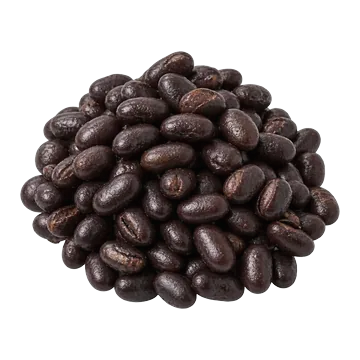 Black beans, canned
Nothing to watch
Thompson 2025 · grade B ?
How it’s rated
About 99.996 % below the raw black-bean figure; Health Canada says canned red kidney beans "do not require further cooking"
Intake: not applicable (canned beans are heat-treated) · Level in the food: 0.004 mg/g dry weight (single commercially canned sample, ELISA, n = 1)
Measured on: food-specific: commercially canned black beans (hemagglutination titre 64; highest of the four canned classes)
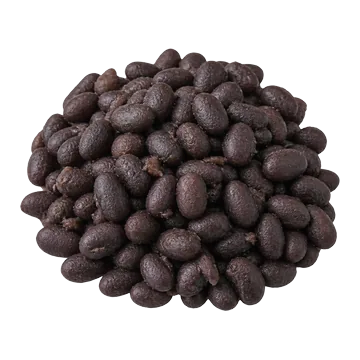 Black beans, cooked
Worth knowing
Thompson 2025 · grade B ?
How it’s rated
Safe once soaked and boiled. Black beans are not named on Health Canada's lectin page, which names soybeans, lentils, lima beans and kidney beans.
Intake: not applicable (process hazard: raw or undercooked dry beans) · Level in the food: 86.82 mg/g dry weight (raw seed) (single market-class sample, ELISA, n = 1)
Measured on: food-specific: raw black bean market-class seed (hemagglutination titre 4096); same table: dark red kidney 223.06, white kidney 144.0, pinto 93.78 (retail) mg/g DW
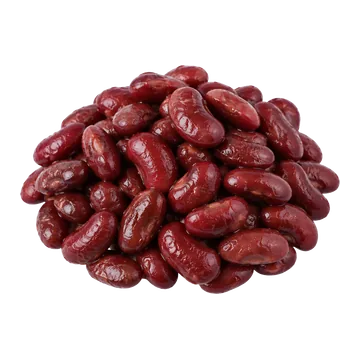 Kidney beans, canned
Worth knowing
0.46 mgper servingactive PHA per whole canThompson 2025 · grade B ?
How it’s rated
Flagged: a handling matter, not a dose limit. One commercially canned sample carried 4.9 µg/g dry weight of active phytohaemagglutinin (PHA, the bean lectin); a whole can holds 0.46 mg, which the authors put about 1000-fold below the amount linked to poisoning. Health Canada says canned red kidney beans do not require further cooking. This is one can of one brand, and the poisoning amount is the authors' estimate, not an agency threshold.
Intake: an entire can (94 g dry matter, 1.5 cups) · Level in the food: 0.005 mg/g dry weight (single commercially canned dark red kidney sample, ELISA (3 replicate-level spread printed as +/- 1.5e-7), n = 1)
Measured on: Thompson 2025 (USDA-ARS, Michigan State), commercially canned dark red kidney beans, active PHA by ELISA, per g DRY weight (a can holds 94 g dry matter = 1.5 cups); raw dark red kidney seed in the same paper 223 mg/g dry weight
- Kidney beans, cooked
Worth knowing
How it’s rated
Flagged for anyone cooking dry red kidney beans: the hazard is the preparation, not the occurrence. Raw red kidney beans carry 20,000–70,000 haemagglutinating units (FDA); properly cooked beans 200–400. Four or five raw soaked beans can trigger nausea, vomiting and diarrhoea 1–3 h after eating. Health Canada's advice for dry red kidney beans: soak at least 5 h, discard the water, boil vigorously at least 10 minutes, and do not use slow cookers. No dose limit applies.
Intake: dry beans soaked and boiled by the consumer
Measured on: Thompson 2025 raw dark red kidney seed (the form that is cooked); FDA Bad Bug Book 2012: raw kidney beans 20,000-70,000 hau, fully cooked 200-400 hau; no mg figure exists for beans cooked from dry
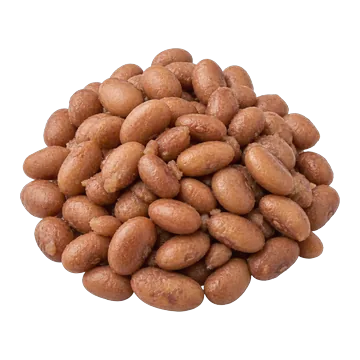 Pinto beans, cooked
Worth knowing
Thompson 2025 · grade B ?
How it’s rated
A risk only when raw or undercooked: boil for at least 30 minutes (FDA) and never slow-cook raw beans; canned pinto beans carry about 0.004% of the lectin (phytohaemagglutinin) in the raw retail sample.
Intake: not applicable: process hazard · Level in the food: 93.78 mg/g dry weight (raw seed); canned 0.0038 (single samples; 3 raw pinto samples span 0.008 (PHA-null validation line) to 93.78 (retail), n = 3)
Measured on: peer-reviewed measurement, ELISA: raw retail pinto (PNT 1) 93.78 mg/g dry weight; Monterrey cultivar 0.39; Heidi (PHA-null) 0.008; commercially canned pinto 0.0038
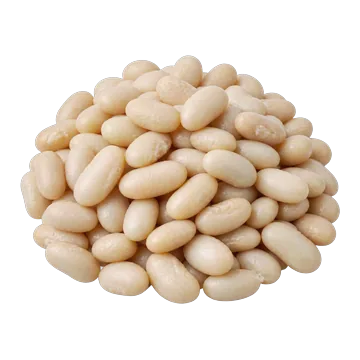 White beans, cooked
Worth knowing
How it’s rated
A risk only when raw or undercooked: boil for at least 30 minutes (FDA) and never slow-cook raw beans; canned beans carry under 1% of the lectin (phytohaemagglutinin) in raw beans. FDA: white kidney beans carry about a third of the toxin in red ones.
Intake: not applicable: process hazard · Level in the food: 144 mg/g dry weight (raw seed); canned 0.0047 (single sample (white kidney bean, "WK" in Thompson 2025; the paper does not name a market sub-class), n = 1)
Measured on: peer-reviewed measurement, ELISA, raw "WK" seed 144.0 mg/g dry weight vs 223.06 for dark red kidney; commercially canned WK 0.0047 mg/g (> 99% lower)
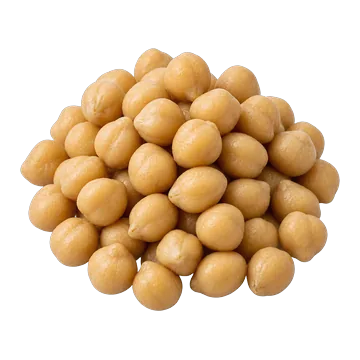 Chickpeas, canned
Context
Health Canada, Lectins in Dry Legumes · grade B ?
How it’s rated
Context, not a rating. Health Canada's lectin cooking advice is written for dry red kidney beans, and its statement that canning heat destroys the lectins is about canned red kidney beans ("in canned red kidney beans, which do not require further cooking"), not canned legumes in general. Chickpeas are not named: Foodtopsy raises no lectin flag for boiled or canned chickpeas, but the agency page does not itself clear them.
Intake: one serving a day, as eaten (cooked or canned)
Measured on: agency page: dry legumes; chickpea not named
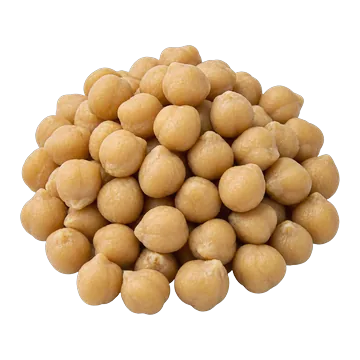 Chickpeas, cooked
Context
Health Canada, Lectins in Dry Legumes · grade B ?
How it’s rated
Context, not a rating. Health Canada's lectin cooking advice is written for dry red kidney beans, and its statement that canning heat destroys the lectins is about canned red kidney beans ("in canned red kidney beans, which do not require further cooking"), not canned legumes in general. Chickpeas are not named: Foodtopsy raises no lectin flag for boiled or canned chickpeas, but the agency page does not itself clear them.
Intake: one serving a day, as eaten (cooked or canned)
Measured on: agency page: dry legumes; chickpea not named
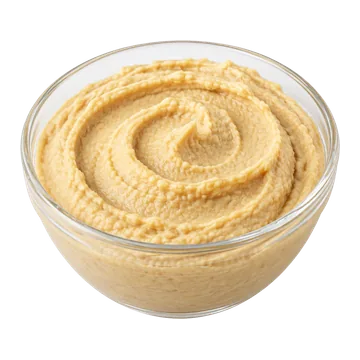 Hummus
Context
Health Canada, Lectins in Dry Legumes · grade B ?
How it’s rated
Context, not a rating. Health Canada's lectin cooking advice is written for dry red kidney beans, and its statement that canning heat destroys the lectins is about canned red kidney beans ("in canned red kidney beans, which do not require further cooking"), not canned legumes in general. Chickpeas are not named: Foodtopsy raises no lectin flag for boiled or canned chickpeas, but the agency page does not itself clear them.
Intake: one serving a day, as eaten (cooked or canned)
Measured on: agency page: dry legumes; chickpea not named
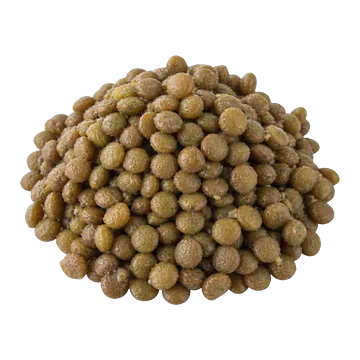 Lentils, cooked
Context
Health Canada, Lectins in Dry Legumes · grade A ?
How it’s rated
Shown as context, not scored. Health Canada lists lentils among the legumes that contain lectins, but its symptoms and its advice (soak 5 hours, then boil hard for 10 minutes) concern undercooked red kidney beans, and boiled lentils are cooked either way.
Intake: not applicable (flag)
Measured on: agency page names lentils; its cooking advice is written for red kidney beans
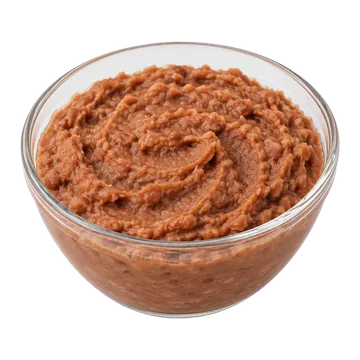 Refried beans, canned
Context
Thompson 2025 · grade B ?
How it’s rated
Shown as context, not rated: commercially canned pinto beans carried about 0.004% of the lectin activity of raw beans (3.8 µg/g dry weight against 93.78 mg/g in raw retail pinto), and the boiling rule applies to raw beans, not to a can. The authors put an entire can at 0.46 mg, about 1,000 times below the amount linked to food poisoning (their figure, for dark red kidney beans). Home-made refried beans from undercooked beans would be a raw-bean case.
Intake: one 90 g serving; a whole can is about 94 g dry matter · Level in the food: 0.004 mg/g dry weight (commercially canned pinto, ELISA (HAU 8); raw retail pinto 93.78 mg/g DW for comparison, n = 1)
Measured on: Thompson 2025 Table 3, commercially canned pinto (PNT); one can
Sources
- US FDA, Bad Bug Book, 2nd edition (2012): Phytohaemagglutinin (kidney bean lectin)
fda-bad-bug-book-2012· full text read · US government work (17 USC 105), public domain - Health Canada, Lectins in Dry Legumes (page details date 2017-05-04)
hc-lectins-legumes· page · Government of Canada terms - Thompson HJ, Neil ES, McGinley JN, Lutsiv T. Toward standardized measurement of active phytohemagglutinin in common bean, Phaseolus vulgaris L. Foods 2025;14(24):4247 · doi:10.3390/foods14244247 · PMID 41464957
thompson2025-pha· full text read · CC BY 4.0