Sodium
In the body: Too much sodium can raise blood pressure, a major risk factor for stroke and heart disease.
Not rated by dose: a flag on 13 reviewed foods, among them Pork sausage, pan-fried, Bacon, pan-fried and Cod, baked.
Background. Shown, not scored: no dose basis at normal intake, a classification rather than a risk, or legal limits only.
A reference figure, shown for context
A background hazard, shown for scale: no food on this page is rated against this figure.
- The agency’s figure2,300 mg/day
- Basischronic disease risk reduction intake (CDRR): the intake above which cutting back is expected to lower the risk of chronic disease. A target for whole diets, not a toxic limit
CDRR (chronic disease risk reduction intake), adults; Health Canada DRI reference values for elements, Table 3 - Average adult intake no Canadian intake background read
- Applies tototal intake; a upper intake level (UL) could not be established for sodium
- On food pagesA food’s page says “a lot per serving” when one serving gives 20% or more of Health Canada’s daily value for sodium, 2,300 mg. The shares below are the same sum, for scale: a food at 19% here is not named on its page, and one at 21% is.
- Source ?Health Canada, dietary reference intakes
Reviewed foods that carry it
13 reviewed foods carry it; none is rated by dose.
How often you can eat it ?
No food here is rated by dose. Each line says why it’s listed: a flag for the people the source names, advice on handling it, or context.
Flags and context, not rated by dose
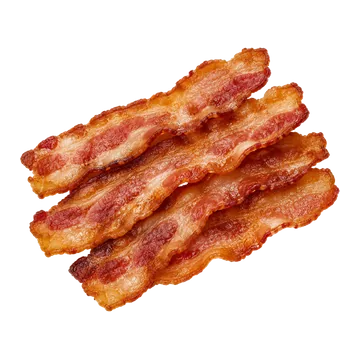 Bacon, pan-fried
Context
253 mgper serving11 % of the 2,300 mg a day shown above: for scale, not a ratingUS food database (USDA SR Legacy) · grade C ?
How it’s rated
Shown as context, not rated: Health Canada's chronic disease risk reduction level (CDRR) for sodium is 2,300 mg/day for adults 19-50 (adequate intake 1,500 mg). One 15.0 g serving carries 253 mg, 11% of the CDRR; a 30 g serving would be 22%.
Intake: one 15 g reference serving a day, 70 kg adult · Level in the food: 1,684 mg/100 g (listed value, n = 18)
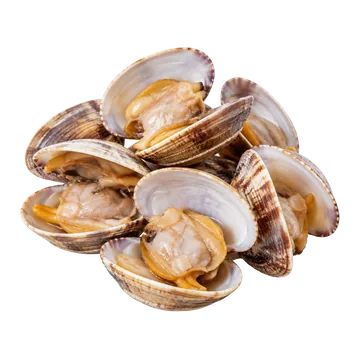 Clams, cooked
Context
1,200 mgper serving52 % of the 2,300 mg a day shown above: for scale, not a ratingUS food database (USDA SR Legacy) · grade C ?
How it’s rated
Shown as context, not rated: Health Canada's chronic disease risk reduction level for sodium is 2,300 mg/day. A 100 g cooked serving carries 1,202 mg (USDA listing), 52% of it; canned drained clams carry 112 mg/100 g, 5%. The cooked listing is double the raw 601 mg/100 g because of water loss, not added salt, and home steaming in fresh water gives less than a brined preparation.
Intake: 100 g cooked (HC TRA I.3), one serving a day · Level in the food: 1,202 mg/100 g (listed value)
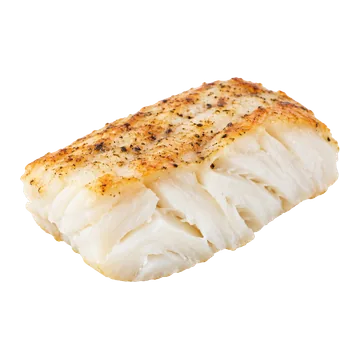 Cod, baked
Context
78 mgper serving3.4 % of the 2,300 mg a day shown above: for scale, not a ratingUS food database (USDA SR Legacy) · grade C ?
How it’s rated
Context: Health Canada's chronic disease risk reduction intake (CDRR) for sodium is 2,300 mg a day. A 100 g serving of baked cod carries 78 mg on the USDA listing, 3.4% of it; about 2,950 g would reach it. FDA's Total Diet Study measured four times as much in US baked cod as eaten (319 mg per 100 g, 790 to 6,100 ppm across samples), which points to salted or brined fish in some samples.
Intake: 100 g cooked serving (HC TRA I.3) · Level in the food: 78 mg/100 g (listed value, n = 2)
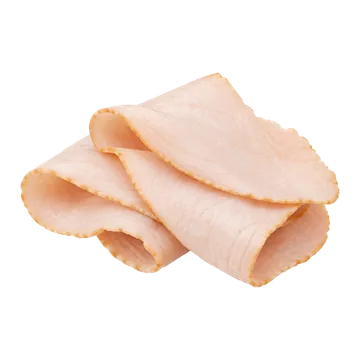 Deli turkey breast
Context
494 mgper serving21 % of the 2,300 mg a day shown above: for scale, not a ratingUS food database (USDA SR Legacy) · grade C ?
How it’s rated
Context (Health Canada chronic disease risk reduction intake (CDRR) 2,300 mg/day, adults 19-50). One 55 g serving = 494 mg = 21.5% of the CDRR. Low-salt deli turkey (usda-7046) lists 772 mg/100 g.
Intake: one 55 g reference serving a day, 70 kg adult · Level in the food: 898 mg/100 g (listed value, n = 18)
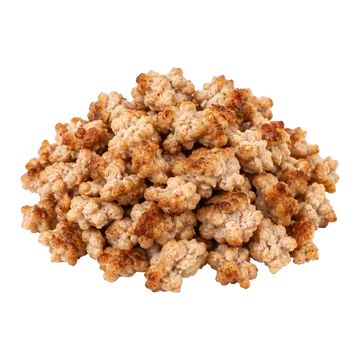 54 mgper serving2.3 % of the 2,300 mg a day shown above: for scale, not a rating
US food database (USDA SR Legacy) · grade C ?
How it’s rated
Context: Health Canada's chronic disease risk reduction intake (CDRR) for sodium is 2,300 mg a day. A 60 g serving carries 54 mg on the USDA listing, 2.3% of it; about 2,560 g would reach it. FDA's Total Diet Study measured about the same in US ground turkey as eaten (91 mg per 100 g).
Intake: 60 g cooked serving (HC TRA L.7) · Level in the food: 90 mg/100 g (listed value, n = 4)
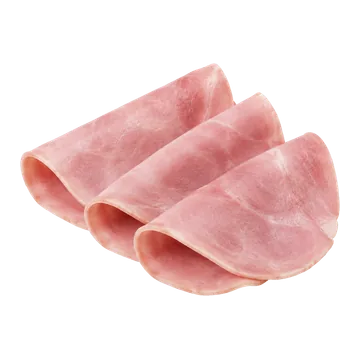 Ham, sliced
Context
448 mgper serving19 % of the 2,300 mg a day shown above: for scale, not a ratingUS food database (USDA SR Legacy) · grade C ?
How it’s rated
Context (Health Canada DRI: sodium chronic disease risk reduction intake (CDRR) 2,300 mg/day for adults 19-50, AI 1,500, no upper intake level (UL)). One 55 g serving = 448 mg = 19.5% of the CDRR; not scored as a hazard.
Intake: one 55 g reference serving a day, 70 kg adult · Level in the food: 814 mg/100 g (listed value)
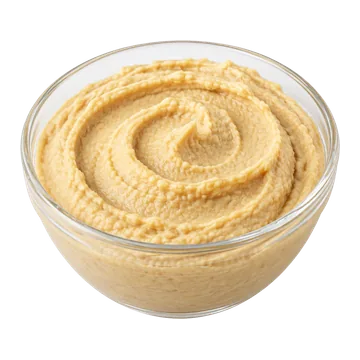 Hummus
Context
128 mgper serving5.6 % of the 2,300 mg a day shown above: for scale, not a ratingUS food database (USDA SR Legacy) · grade C ?
How it’s rated
Context, not rated. A 30 g serving carries 128 mg sodium on the USDA listing (131 mg on USDA's Foundation sample), 5.6% of the 2,300 mg/day chronic disease risk reduction intake (Health Canada DRI); cooked chickpeas carry a few mg.
Intake: one 30 g serving · Level in the food: 426 mg/100 g (listed value, n = 11)
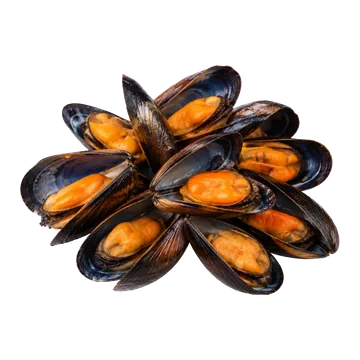 Mussels, cooked
Context
369 mgper serving16 % of the 2,300 mg a day shown above: for scale, not a ratingUS food database (USDA SR Legacy) · grade C ?
How it’s rated
Context (chronic disease risk reduction intake (CDRR) 2,300 mg/day, Health Canada): 100 g cooked = 16%. Not scored.
Intake: 100 g cooked (HC TRA I.3), one serving a day · Level in the food: 369 mg/100 g (listed value, n = 18)
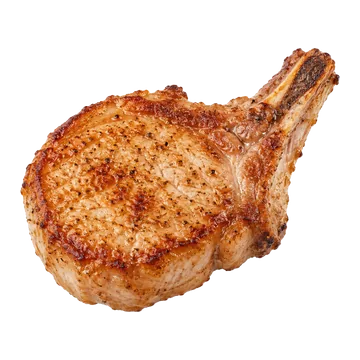 Pork chop, pan-fried
Context
94 mgper serving4.1 % of the 2,300 mg a day shown above: for scale, not a ratingUS food database (USDA SR Legacy) · grade C ?
How it’s rated
Context: Health Canada's chronic disease risk reduction intake (CDRR) for sodium is 2,300 mg a day. A 100 g pan-fried chop carries 94 mg on the USDA listing, 4.1% of it; about 2,450 g would reach it. FDA's Total Diet Study measured 112 mg per 100 g in US chops as eaten, with a spread (490 to 3,300 ppm) that suggests added salt or brine in some samples.
Intake: 100 g cooked serving (HC TRA L.6) · Level in the food: 94 mg/100 g (listed value)
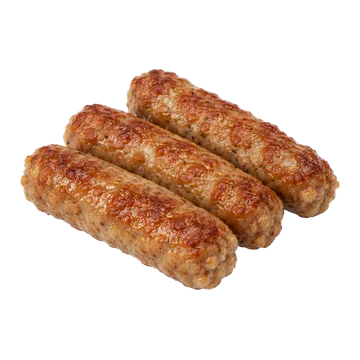 Pork sausage, pan-fried
Context
448 mgper serving19 % of the 2,300 mg a day shown above: for scale, not a ratingUS food database (USDA SR Legacy) · grade C ?
How it’s rated
Shown as context, not rated: one 55 g serving carries 448 mg of sodium, 19.5% of Health Canada's chronic disease risk reduction intake (CDRR) of 2,300 mg/day for adults, the level above which cutting intake is expected to lower chronic disease risk in healthy people. Health Canada states no tolerable upper intake level for sodium, so the figure is shown beside the food, not rated as a hazard.
Intake: one 55 g cooked serving a day · Level in the food: 814 mg/100 g (listed value, n = 15)
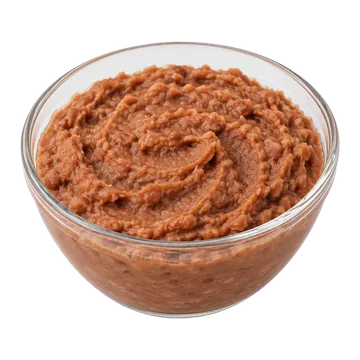 Refried beans, canned
Context
334 mgper serving15 % of the 2,300 mg a day shown above: for scale, not a ratingUS food database (USDA SR Legacy) · grade C ?
How it’s rated
Context, not rated. One serving carries 334 mg sodium, 14.5% of the 2,300 mg/day chronic disease risk reduction intake (Health Canada DRI); boiled pinto beans carry a few mg. Added salt is the one large difference from the parent.
Intake: one 90 g serving · Level in the food: 370 mg/100 g (listed value, n = 17)
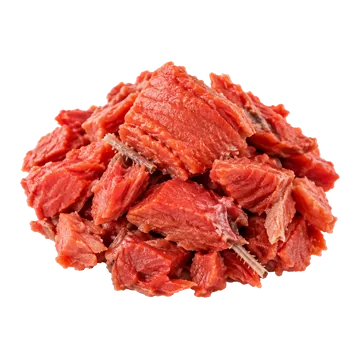 Sockeye salmon, canned
Context
224 mgper serving9.7 % of the 2,300 mg a day shown above: for scale, not a ratingUS food database (USDA SR Legacy) · grade C ?
How it’s rated
Context (sodium chronic disease risk reduction intake (CDRR), 2,300 mg/day): 224 mg is 10% of the CDRR per 55 g.
Intake: 55 g canned (HC TRA I.4), one serving a day · Level in the food: 408 mg/100 g (listed value, n = 12)
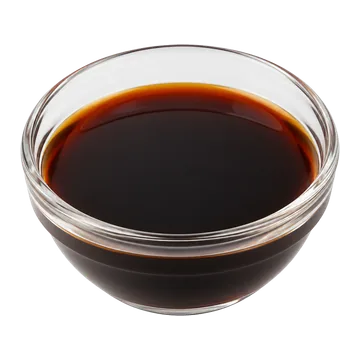 Soy sauce
Context
879 mgper serving38 % of the 2,300 mg a day shown above: for scale, not a ratingUS food database (USDA SR Legacy) · grade C ?
How it’s rated
Shown as context, not rated: Health Canada's chronic disease risk reduction level for sodium is 2,300 mg a day for adults. One tablespoon of soy sauce carries 879 mg on the USDA listing, 38% of that level, so 2.6 tablespoons reach it; FDA's Total Diet Study measured 840 mg a tablespoon. Tamari is higher at 894 mg a tablespoon.
Intake: one tablespoon (15 mL, 16 g) a day, 70 kg adult · Level in the food: 5,493 mg/100 g (listed value, n = 6)
Sources
- USDA FoodData Central, SR Legacy, 2018-04
fdc-sr-legacy-2018-04· dataset · CC0 1.0 (public domain) - Health Canada, Dietary reference intakes tables: Reference values for elements
hc-dri-elements· page · Government of Canada terms (Crown copyright; not OGL)