Caffeine in one sitting
The same caffeine, counted one sitting at a time: how much you take in at once.
In the body: A big single dose can bring anxiety, and a dose close to bedtime can make falling asleep take longer.
The one to watch: Coffee, brewed. About 350 g, eaten alone, reaches the one-sitting limit. The rest stay under it at a serving a day. The one with the least room, Espresso, has about 94 g, eaten alone.
Too much in one go. Harm from one big portion. A food measured against the agency’s dose shows the grams that reach it in one sitting.
Caffeine is rated three ways: as a daily habit, in one sitting (this page), and in pregnancy. See also: Caffeine, Caffeine in pregnancy
The limit
Reviewed foods that carry it
5 reviewed foods carry it, 5 of them rated by dose. A food counts once, as in the foods list: preparations sharing a page (raw and cooked, canned) count once; one with its own page counts apart. Below, one line for each of 7 preparations. 7 of those lines are rated by dose. 9 measurements in all. A preparation measured more than once gets one line, the measurement the dataset leads with or a stricter one, named beside the food; the others fold under it.
Grams to the limit ?
Grams of each food that reach the limit in its window, for a 70 kg adult. Fewest first: those are the foods to watch.
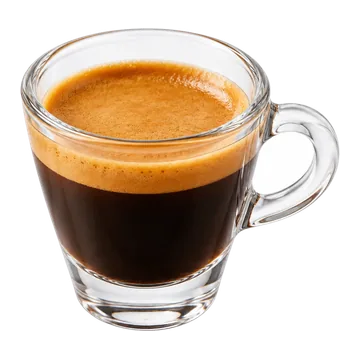 Espresso
Nothing to watch: under the limit for a 30 g serving
94greaches the limit in one sittingCounted from zero: this food eaten alone.64.5 mg per 30 g servingUS food database (USDA SR Legacy) · grade B ?
How it’s rated
No cap: EFSA (2015) puts the single dose that raises no safety concern for healthy adults at 200 mg, about 3 mg/kg body weight. A 30 mL espresso carries 64.5 mg, 32% of it; eaten alone, about 94 g in one sitting would reach it. Average adult intake is 37-319 mg a day, 40-94% of it from coffee, so the espresso is already counted there.
Intake: one 30 mL espresso serving (30.4 g) a day, 70 kg adult · Level in the food: 2,120 mg/kg (listed mean, 2 data points, n = 2)
Measured on: FDC SR Legacy 171891 'Beverages, coffee, brewed, espresso, restaurant-prepared' (= CNF 4779, NDB 14210): 212 mg/100 g; serving 30 mL = 30.43 g (CNF density 1.01438)
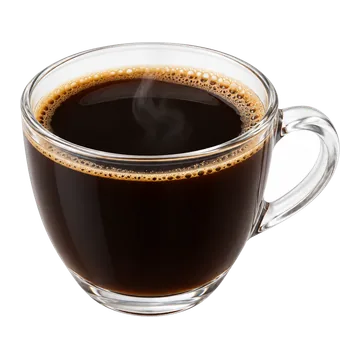 Coffee, brewed
Go easy: within 2 servings of the limit for a 250 g serving
350greaches the limit in one sittingCounted from zero: this food eaten alone.142.4 mg per 250 g servingHealth Canada 2025 · grade B ?
How it’s rated
No cap: EFSA (2015) puts the single dose that raises no safety concern for healthy adults at 200 mg, about 3 mg/kg body weight. Health Canada lists brewed coffee at 135 mg per 237 mL cup, which is 142.4 mg for the 250 mL cup assumed here, 71% of that dose; eaten alone, about 351 g in one sitting would reach it. Health Canada has no single-dose figure, so the limit is EFSA's. Average adult intake is 37-319 mg a day, 40-94% of it from coffee, so the cup is already counted there.
Intake: one 250 mL cup (250.25 g) a day, 70 kg adult · Level in the food: 569 mg/kg (agency average per cup (method not stated))
Measured on: Health Canada 'Caffeine in Foods', Table 2, Coffee, Brewed, 8 oz / 237 mL (1 cup) = 135 mg; 237 mL x 1.00101 g/mL = 237.24 g
2 other measurements of this food
- USDA FoodData Central, brewed coffee, 8 data points
Nothing to watch: under the limit
500greaches the limit in one sittingCounted from zero: this food eaten alone.100.1 mg per 250 g servingUS food database (USDA SR Legacy) · grade B ?
How it’s rated
No cap: EFSA (2015) puts the single dose that raises no safety concern for healthy adults at 200 mg, about 3 mg/kg body weight. A cup carries 100.1 mg, 50% of it; eaten alone, about 500 g in one sitting would reach it. Average adult intake is 37-319 mg a day, 40-94% of it from coffee, so the cup is already counted there.
Intake: one 250 mL cup (250.25 g) a day, 70 kg adult · Level in the food: 400 mg/kg (listed mean, 8 data points (range 30-44 mg/100 g), n = 8)
Measured on: FDC SR Legacy 171890 'Beverages, coffee, brewed, prepared with tap water' (= CNF 2873, NDB 14209); 40 mg/100 g; density 1.00101 g/mL (CNF)
- US coffee-shop specialty coffees (McCusker 2003)
Nothing to watch: under the limit
500greaches the limit in one sittingCounted from zero: this food eaten alone.99.3 mg per 250 g servingPubMed 14607010 · grade A ?
How it’s rated
No cap: EFSA (2015) puts the single dose that raises no safety concern for healthy adults at 200 mg, about 3 mg/kg body weight. Brewed specialty coffees from US coffee shops average 188 mg for a 16-oz cup, which is 99.3 mg for the 250 mL cup assumed here, 50% of that dose; eaten alone, about 504 g in one sitting would reach it. Average adult intake is 37-319 mg a day, 40-94% of it from coffee, so the cup is already counted there.
Intake: one 250 mL cup (250.25 g) a day, 70 kg adult · Level in the food: 396.9 mg/kg (mean of brewed specialty coffees (standard deviation 36 mg per 16 oz))
Measured on: McCusker 2003: brewed specialty coffees from US coffee shops, GC-NPD; 188 mg per 16-oz cup (473.2 mL; x1.00101 = 473.7 g)
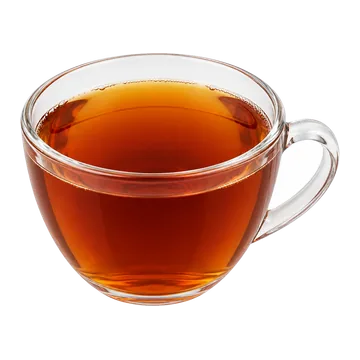 Black tea, brewed
Nothing to watch: under the limit for a 250 g serving
1,000greaches the limit in one sittingCounted from zero: this food eaten alone.50 mg per 250 g servingHow it’s rated
No cap: it takes 1,000 g of tea, 4 cups at one sitting, to reach the single dose of caffeine that EFSA (2015) finds raises no safety concern for healthy adults, 200 mg (about 3 mg/kg body weight). The same 200 mg a day is EFSA's figure for pregnancy and lactation: 4 cups a day. Health Canada's 300 mg for people planning a pregnancy, pregnant or breastfeeding would take 1,500 g (6 cups).
Intake: a single sitting, adult · Level in the food: 200 µg/g (mean (listing), n = 41)
Measured on: as above (SR Legacy 173227, 20 mg/100 g)
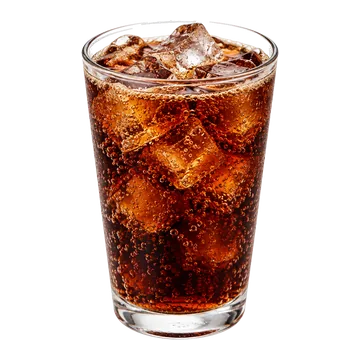 Diet cola
Nothing to watch: under the limit for a 375 g serving
1,400greaches the limit in one sittingCounted from zero: this food eaten alone.52.8 mg per 375 g servingHealth Canada 2025 · grade B ?
How it’s rated
No cap: EFSA finds that single doses of caffeine up to 200 mg (about 3 mg/kg body weight), from all sources, do not raise safety concerns for healthy adults. Eaten alone, about 1,421 g in one sitting would reach it. One 375 g serving carries 52.8 mg, 26% of 200 mg.
Intake: one 375 mL reference amount (375.4 g at 1.00101 g/mL) a day, 70 kg adult · Level in the food: 140.8 mg/L (diet cola, 1.00101 g/mL) (upper end of Health Canada's range for 'Cola beverage, diet' (39 to 50 mg per 355 mL), converted to mg/L; n not stated)
Measured on: Health Canada 'Caffeine in Foods' Table 2 (page details 2025-04-02), average amounts, Canada; method and n not stated
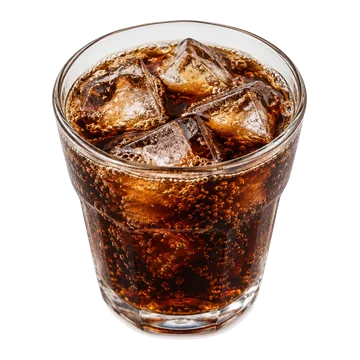 Cola
Nothing to watch: under the limit for a 391 g serving
1,600greaches the limit in one sittingCounted from zero: this food eaten alone.48.6 mg per 391 g servingHealth Canada 2025 · grade B ?
How it’s rated
No cap: EFSA finds that single doses of caffeine up to 200 mg (about 3 mg/kg body weight for a 70-kg adult), from all sources, do not raise safety concerns for healthy adults. Health Canada's caffeine table: a regular cola can carries 36 to 46 mg of caffeine; at the upper end, 124.3 µg/g, 3,220 g of cola reach 400 mg in a day (4,110 g at the lower end). One 391 g serving carries 48.6 mg, 24% of 200 mg. EFSA adds that 100 mg may lengthen the time to fall asleep and shorten sleep in some adults, particularly close to bedtime; this is not treated as a limit.
Intake: one 375 mL reference amount (391.0 g at 1.0427 g/mL) a day, 70 kg adult · Level in the food: 129.6 mg/L (cola, 1.0427 g/mL) (upper end of Health Canada's average range (36 to 46 mg per 355 mL can))
Measured on: Health Canada 'Caffeine in foods' Table 2 (average amounts): 'Cola beverage, regular', 355 mL (1 can), 36 to 46 mg; upper end stored, converted at 1.0427 g/mL
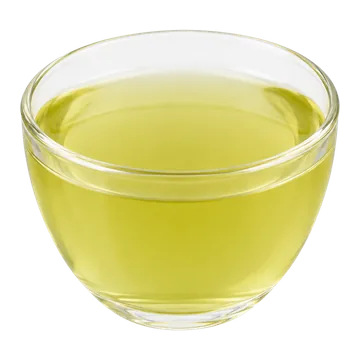 Green tea, brewed
Nothing to watch: under the limit for a 250 g serving
1,700greaches the limit in one sittingCounted from zero: this food eaten alone.30 mg per 250 g servingHow it’s rated
No cap: EFSA's 2015 single-dose level is 200 mg in one sitting (about 3 mg/kg body weight) for healthy adults. At 120 µg/g (a USDA listing), about 1,667 g (6.7 cups) in one sitting would reach it, and 948–1,580 g at Health Canada's 30–50 mg per 237 mL. A cup carries about 30 mg.
Intake: a single sitting, adult · Level in the food: 120 µg/g (mean (database listing, 12 mg/100 g; 6 data points, min 8, max 18 mg/100 g), n = 6)
Measured on: USDA SR Legacy 2018-04, FDC 171917 'Beverages, tea, green, brewed, regular' (NDB 14278), per 100 g of brewed tea; a USDA listing, not agency survey data for Canadian cups. Health Canada's own range for 'Tea Black or green, brewed' is 30 to 50 mg per 237 mL (0.127-0.211 mg/mL).
- Coffee, brewed, decaffeinated
Nothing to watch: under the limit for a 250 g serving
More than anyone eatsNo realistic amount reaches the limit.2.5 mg per 250 g servingUS food database (USDA SR Legacy) · grade B ?
How it’s rated
The counted figure is 20,000 g in one sitting, about 80 servings a day.
No cap: EFSA (2015) puts the single dose that raises no safety concern for healthy adults at 200 mg, about 3 mg/kg body weight. A decaf cup carries 2.5 mg, 1% of it; eaten alone, about 20,000 g in one sitting would reach it. Measured decaf varies: Health Canada gives 3 mg per 237 mL, and a study of ten shops found 0 to 13.9 mg per 16 oz, so a decaf cup is 3-14 mg and the listing's 2.5 mg is the low end.
Intake: one 250 mL cup (250.75 g) a day, 70 kg adult · Level in the food: 10 mg/kg (listed value (no data points recorded))
Measured on: FDC SR Legacy 171889 'Beverages, coffee, brewed, prepared with tap water, decaffeinated' (= CNF 4981, NDB 14201): 1 mg/100 g
Sources
- EFSA NDA Panel (2015) Scientific Opinion on the safety of caffeine. EFSA Journal 13(5):4102 (adopted 23 April 2015) · doi:10.2903/j.efsa.2015.4102
efsa-2015-caffeine· full text read · EFSA (publisher terms) - EFSA. EFSA explains risk assessment: Caffeine (corporate publication summarising the NDA Panel's 2015 scientific opinion on the safety of caffeine) · doi:10.2805/618813
efsa-2015-caffeine-explains· full text read · licence not recorded - USDA FoodData Central, SR Legacy, 2018-04
fdc-sr-legacy-2018-04· dataset · CC0 1.0 (public domain) - Health Canada, Caffeine in Foods (page details 2025-04-02): Table 1 recommended maximum daily intake; Table 2 average caffeine in food and drink
hc-caffeine-foods-2025· full text read · Government of Canada terms - McCusker RR, Goldberger BA, Cone EJ. Caffeine content of specialty coffees. J Anal Toxicol 2003;27:520 · PMID 14607010
pmid:14607010· abstract only · publisher