Caffeine in pregnancy
In the body: More caffeine in pregnancy has been linked to a smaller baby at birth in cohort studies.
The one to watch: Coffee, brewed. About 350 g, eaten alone, reaches the daily limit. The rest stay under it at a serving a day. The one with the least room, black tea, has about 1 kg, eaten alone. Stricter limits apply to some groups; each food below shows them.
Pregnancy, babies and young children. Stricter agency advice for these stages of life. Gram figures elsewhere on this site count a 70 kg adult, unadjusted for pregnancy, babies or young children; the advice here is the agency’s own for them.
Caffeine is rated three ways: as a daily habit, in one sitting, and in pregnancy (this page). See also: Caffeine, Caffeine in one sitting
The limit
- The agency’s figure200 mg/day
- BasisEFSA 2015 (foetus); Health Canada 300 mg/day for planning pregnancy, pregnant and breastfeeding (intake with no safety concern for the foetus (prospective cohort studies))
- Average adult intake EFSA: only one survey of pregnant women (Latvia, n=1,002, mean 109, P95 206 mg/day, draft).
- Source ?EFSA 2015
Reviewed foods that carry it
5 reviewed foods carry it, 5 of them rated by dose. 6 measurements in all. A preparation measured more than once gets one line, the measurement the dataset leads with or a stricter one, named beside the food; the others fold under it.
Grams to the limit ?
Grams of each food that reach the limit in its window, for a 70 kg adult. Fewest first: those are the foods to watch.
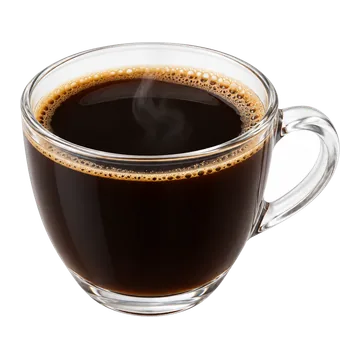 Coffee, brewed
Go easy: within 2 servings of the limit for a 250 g serving
350greaches the limit in a dayCounted from zero: this food eaten alone.pregnancy breastfeeding planning: 530 g a day, eaten alone142.4 mg per 250 g servingHealth Canada 2025 · grade B ?
How it’s rated
No cap: this is a life-stage limit set by the agency itself. Health Canada advises 300 mg of caffeine a day for people planning a pregnancy, who are pregnant or who are breastfeeding. Health Canada lists brewed coffee at 135 mg per 237 mL cup, which is 142.4 mg for the 250 mL cup assumed here; eaten alone, about 527 g a day (2.1 cups) would reach the limit. At the USDA listing (0.400 mg/g) it would be 750 g.
Intake: one 250 mL cup (250.25 g) a day, 70 kg adult · Level in the food: 569 mg/kg (agency average per cup (method not stated))
Measured on: Health Canada 'Caffeine in Foods', Table 2, Coffee, Brewed, 8 oz / 237 mL (1 cup) = 135 mg; 237 mL x 1.00101 g/mL = 237.24 g
1 other measurement of this food
- Judged on EFSA 2015's pregnancy limit (200 mg a day)
Go easy: within 2 servings of the limit
350greaches the limit in a dayCounted from zero: this food eaten alone.pregnancy breastfeeding planning: 530 g a day, eaten alone142.4 mg per 250 g servingHow it’s rated
No cap: this is a life-stage limit set by the agency itself. EFSA (2015) finds that caffeine from all sources up to 200 mg a day, spread through the day, raises no safety concern for the fetus of pregnant women. Health Canada lists brewed coffee at 135 mg per 237 mL cup, which is 142.4 mg for the 250 mL cup assumed here; eaten alone, about 351 g a day (1.4 cups) would reach the limit. At the USDA listing (0.400 mg/g) it would be 500 g.
Intake: one 250 mL cup (250.25 g) a day, 70 kg adult · Level in the food: 569 mg/kg (agency average per cup (method not stated))
Measured on: Health Canada 'Caffeine in Foods', Table 2, Coffee, Brewed, 8 oz / 237 mL (1 cup) = 135 mg; 237 mL x 1.00101 g/mL = 237.24 g
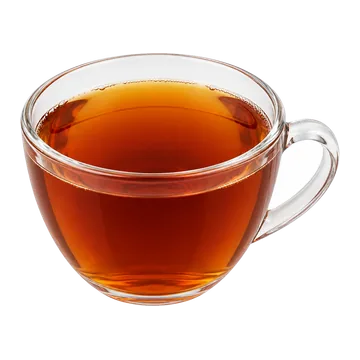 Black tea, brewed
Nothing to watch: under the limit for a 250 g serving
1,000greaches the limit in a dayCounted from zero: this food eaten alone.pregnancy breastfeeding planning: 1,500 g a day, eaten alone50 mg per 250 g servingHealth Canada 2025 · grade B ?
How it’s rated
No cap: a life-stage limit. A cup carries 50 mg of caffeine; 1,000 g (4 cups) a day reach EFSA's 200 mg a day for pregnancy, and 1,500 g (6 cups) reach Health Canada's 300 mg a day for people planning a pregnancy, pregnant or breastfeeding.
Intake: pregnant or breastfeeding adult · Level in the food: 200 µg/g (mean (listing), n = 41)
Measured on: as above
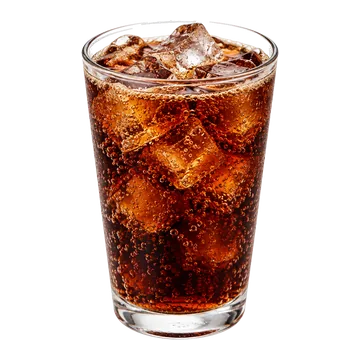 Diet cola
Nothing to watch: under the limit for a 375 g serving
1,400greaches the limit in a dayCounted from zero: this food eaten alone.pregnancy breastfeeding planning: 2,100 g a day, eaten alone52.8 mg per 375 g servingHealth Canada 2025 · grade B ?
How it’s rated
No cap: EFSA finds that caffeine up to 200 mg a day from all sources does not raise safety concerns for the fetus. Eaten alone, about 1,421 g a day would reach it. Health Canada's figure for people planning pregnancy, pregnant or breastfeeding is 300 mg a day, which would take 2,132 g. One 375 g serving carries 52.8 mg, 26% of 200 mg.
Intake: one 375 mL reference amount (375.4 g at 1.00101 g/mL) a day, 70 kg adult · Level in the food: 140.8 mg/L (diet cola, 1.00101 g/mL) (upper end of Health Canada's range for 'Cola beverage, diet' (39 to 50 mg per 355 mL), converted to mg/L; n not stated)
Measured on: Health Canada 'Caffeine in Foods' Table 2 (page details 2025-04-02), average amounts, Canada; method and n not stated
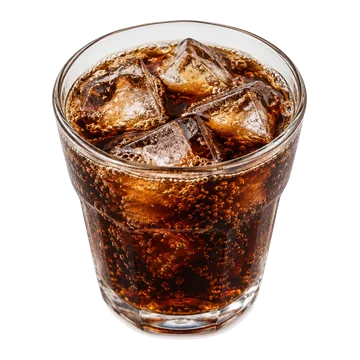 Cola
Nothing to watch: under the limit for a 391 g serving
1,600greaches the limit in a dayCounted from zero: this food eaten alone.pregnancy breastfeeding planning: 2,400 g a day, eaten alone48.6 mg per 391 g servingHealth Canada 2025 · grade B ?
How it’s rated
No cap: EFSA finds that caffeine up to 200 mg a day from all sources does not raise safety concerns for the fetus; Health Canada's figure for people planning pregnancy, pregnant or breastfeeding is 300 mg a day. Health Canada's caffeine table: a regular cola can carries 36 to 46 mg of caffeine; at the upper end, 124.3 µg/g, 3,220 g of cola reach 400 mg in a day (4,110 g at the lower end). One serving carries 48.6 mg, 24% of EFSA's 200 mg and 16.2% of Health Canada's 300 mg.
Intake: one 375 mL reference amount (391.0 g at 1.0427 g/mL) a day, 70 kg adult · Level in the food: 129.6 mg/L (cola, 1.0427 g/mL) (upper end of Health Canada's average range (36 to 46 mg per 355 mL can))
Measured on: Health Canada 'Caffeine in foods' Table 2 (average amounts): 'Cola beverage, regular', 355 mL (1 can), 36 to 46 mg; upper end stored, converted at 1.0427 g/mL
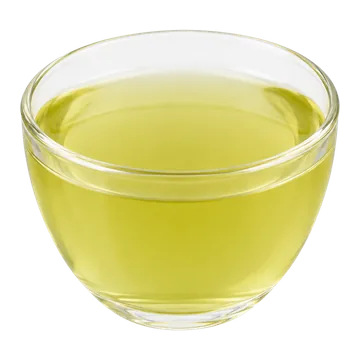 Green tea, brewed
Nothing to watch: under the limit for a 250 g serving
1,700greaches the limit in a dayCounted from zero: this food eaten alone.pregnancy breastfeeding planning: 2,500 g a day, eaten alone30 mg per 250 g servingHow it’s rated
No cap: for pregnant or breastfeeding adults EFSA (2015) gives 200 mg/day and Health Canada 300 mg/day. At 120 µg/g (a USDA listing), about 1,667 g (6.7 cups) a day would reach EFSA's figure, and 948–1,580 g at Health Canada's 30–50 mg per 237 mL. A cup carries about 30 mg.
Intake: pregnant or breastfeeding adult, one 250 mL cup a day · Level in the food: 120 µg/g (mean (database listing, 12 mg/100 g; 6 data points, min 8, max 18 mg/100 g), n = 6)
Measured on: USDA SR Legacy 2018-04, FDC 171917 'Beverages, tea, green, brewed, regular' (NDB 14278), per 100 g of brewed tea; a USDA listing, not agency survey data for Canadian cups. Health Canada's own range for 'Tea Black or green, brewed' is 30 to 50 mg per 237 mL (0.127-0.211 mg/mL).
Sources
- EFSA NDA Panel (2015) Scientific Opinion on the safety of caffeine. EFSA Journal 13(5):4102 (adopted 23 April 2015) · doi:10.2903/j.efsa.2015.4102
efsa-2015-caffeine· full text read · EFSA (publisher terms) - EFSA. EFSA explains risk assessment: Caffeine (corporate publication summarising the NDA Panel's 2015 scientific opinion on the safety of caffeine) · doi:10.2805/618813
efsa-2015-caffeine-explains· full text read · licence not recorded - Health Canada, Caffeine in Foods (page details 2025-04-02): Table 1 recommended maximum daily intake; Table 2 average caffeine in food and drink
hc-caffeine-foods-2025· full text read · Government of Canada terms