Nickel for people who are sensitised
In the body: In people allergic to nickel, a single dose can flare up eczema.
Not rated by dose: a flag on 8 reviewed foods, among them Milk chocolate, Cashews, raw and Chia seeds. The list below has a line for each of 10 preparations.
For some people. Allergies, medicines and medical conditions: a flag for the people the source names, no wider.
See also: Nickel
A dose linked to an effect, not a limit
The dose at which the effect was seen in studies: not a safe amount or an allowance. No food on this page is counted against it.
- The agency’s figure4.3 µg/kg body weight (lowest-observed-adverse-effect level (LOAEL), single exposure)
- Basislowest dose with an observed effect (LOAEL), not a limit
lowest-observed-adverse-effect level (LOAEL) for eczematous flare-ups (systemic contact dermatitis) in nickel-sensitised people, fasting; margin of exposure (MOE) of 30 or higher = low concern; no acute reference dose (ARfD) derived (human lowest-observed-adverse-effect level (LOAEL)) - Margin of exposure that raises concern ?30
A margin below this counts as a concern. A margin of exposure is the dose that caused effects in studies divided by what people take in: the smaller it is, the closer people’s intake sits to that dose. - Average adult intake EFSA 2020 Table 10: margin of exposure (MOE) from mean acute dietary exposure in adults 1.9 to 0.9 (P95: 0.7 to 0.4)
- Source ?EFSA 2020
Reviewed foods that carry it
8 reviewed foods carry it; none is rated by dose. A food counts once, as in the foods list: preparations sharing a page (raw and cooked, canned) count once; one with its own page counts apart. Below, one line for each of 10 preparations. 11 measurements in all. A preparation measured more than once gets one line, the measurement the dataset leads with or a stricter one, named beside the food; the others fold under it.
How often you can eat it ?
No grams figure: the agency gives an effect level, not a health-based limit, so there is nothing to count grams against.
No food here is rated by dose. Each line says why it’s listed: a flag for the people the source names, advice on handling it, or context.
Flags and context, not rated by dose
 Brazil nuts, raw
Worth knowing
165 µgper servingHow it’s rated
Flagged for people with nickel contact allergy: EFSA's 2020 lowest-observed-adverse-effect level for nickel-sensitised people is 4.3 µg Ni/kg body weight (301 µg at 70 kg). A 30 g serving carries 165 µg, 2.4 µg/kg body weight, a margin of 1.8 to that level; EFSA treats a margin of 30 or more as low concern. About 55 g would reach the level, and 1.8 g would give a margin of 30.
Intake: 30 g shelled serving, one sitting · Level in the food: 5.51 ppm (highest annual mean (as the nickel row), n = 8)
Measured on: as the nickel row
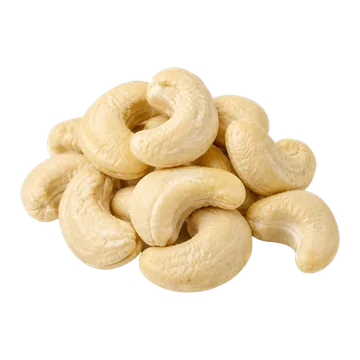 Cashews, raw
Worth knowing
199 µgper servingHow it’s rated
Flagged for people with nickel contact allergy: EFSA's 2020 lowest-observed-adverse-effect level after a single oral dose is 4.3 µg Ni/kg body weight (301 µg at 70 kg). A 30 g serving carries 199 µg, 2.8 µg/kg body weight, a margin of 1.5 to that level; EFSA treats a margin of 30 or more as low concern. About 45 g would reach the level, and 1.5 g would give a margin of 30.
Intake: 30 g shelled serving, one sitting · Level in the food: 6.64 ppm (highest annual mean (as the nickel row), n = 14)
Measured on: as the nickel row
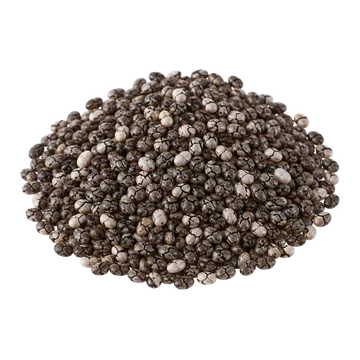 Chia seeds
Worth knowing
30.8 µgper servingHow it’s rated
Flagged for people with nickel contact allergy: EFSA's 2020 lowest-observed-adverse-effect level is 4.3 µg Ni/kg body weight (301 µg at 70 kg). A 15.0 g serving carries 31 µg, 0.44 µg/kg body weight, a margin of 9.8 to that level; EFSA treats a margin of 30 or more as low concern. About 147 g would reach the level, and 4.9 g would give a margin of 30.
Intake: 15 g serving, one sitting · Level in the food: 2.05 ppm (highest annual mean (as the nickel row), n = 38)
Measured on: as the nickel row
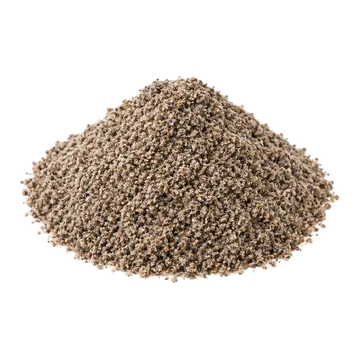 Chia seeds, ground
Worth knowing
30.8 µgper servingHow it’s rated
Flagged for people sensitised to nickel: EFSA's 2020 lowest-observed-adverse-effect level is 4.3 µg Ni/kg body weight, 301 µg for 70 kg. A 15.0 g serving carries 31 µg (0.44 µg/kg body weight), a margin of 9.8 to that level, where EFSA treats a margin of 30 or more as low concern. About 147 g would reach the level; staying at a margin of 30 means about 4.9 g.
Intake: 15 g serving, one sitting · Level in the food: 2.05 ppm (highest annual mean (as the nickel row), n = 38)
Measured on: as the nickel row
 Dark chocolate
Worth knowing
112 µgper servingHow it’s rated
Flagged for people who are sensitised to nickel: EFSA's acute reference point is 4.3 µg nickel/kg body weight, and a margin of exposure of 30 or more is low concern. One 40 g serving of dark chocolate at 2.800 mg/kg gives 112 µg, or 1.6 µg/kg body weight, a margin of 2.7, well below 30 (a margin of 30 needs a dose of about 10 µg at 70 kg, about 3.6 g of this chocolate). EFSA says its basis, a dose taken fasting, likely overestimates the risk: with food, absorption is 0.7-2.5%, against 25-27% fasted.
Intake: one 40 g serving, 70 kg adult, a nickel-sensitised person · Level in the food: 2,800 µg/kg (mean)
Measured on: Concentration: BfR MEAL dark chocolate upper bound mean 2.800 mg/kg (as the dark nickel row above); reference point: EFSA 2020.
 Milk chocolate
Worth knowing
29 µgper servingHow it’s rated
Flagged for people who are sensitised to nickel: EFSA's acute reference point is 4.3 µg nickel/kg body weight, the lowest dose at which sensitised people had eczematous flare-ups and systemic contact dermatitis. EFSA calls a margin of exposure of 30 or more low concern. One 40 g serving gives 29.0 µg, or 0.41 µg/kg body weight, a margin of 10.4, below 30 (a margin of 30 needs a dose of about 10 µg at 70 kg). EFSA's own margin for the average adult day is 1.9 to 0.9, so the whole diet already sits far below 30 for sensitised people. EFSA says its basis, a dose taken fasting, likely overestimates the risk.
Intake: one 40 g serving, 70 kg adult, a nickel-sensitised person · Level in the food: 725.681 µg/kg (mean, n = 15)
Measured on: Concentration: Health Canada TDS JJ01 plain chocolate bars, mean of 15 composites (as above); reference point: EFSA 2020.
1 other measurement of this food
- Concentration from US FDA TDS milk chocolate bar
Worth knowing
37.7 µgper servingHow it’s rated
Flagged for people who are sensitised to nickel: EFSA's acute reference point is 4.3 µg nickel/kg body weight, the lowest dose at which sensitised people had eczematous flare-ups and systemic contact dermatitis. EFSA calls a margin of exposure of 30 or more low concern. One 40 g serving gives 37.7 µg, or 0.54 µg/kg body weight, a margin of 8.0, below 30 (a margin of 30 needs a dose of about 10 µg at 70 kg). EFSA's own margin for the average adult day is 1.9 to 0.9, so the whole diet already sits far below 30 for sensitised people. EFSA says its basis, a dose taken fasting, likely overestimates the risk.
Intake: one 40 g serving, 70 kg adult, a nickel-sensitised person · Level in the food: 943 µg/kg (mean, n = 3)
Measured on: Concentration: FDA TDS FY2018-2020 #187 milk chocolate plain, mean of 3 composites; reference point: EFSA 2020.
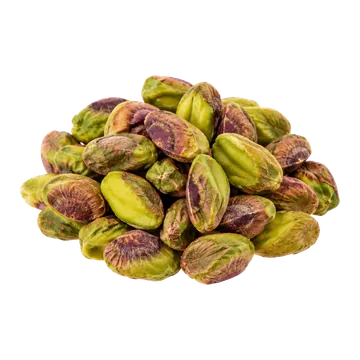 Pistachios, dry-roasted
Worth knowing
19 µgper servingHow it’s rated
Flagged for people with nickel contact allergy: EFSA's 2020 lowest-observed-adverse-effect level is 4.3 µg Ni/kg body weight after a single oral dose, 301 µg at 70 kg. A 30 g serving carries 19 µg (0.27 µg/kg body weight), a margin of 16, while EFSA treats a margin of 30 or more as low concern. About 475 g would reach the level itself, and 16 g leaves a margin of 30.
Intake: 30 g shelled serving, one sitting · Level in the food: 0.634 ppm (pooled mean of positives (as the nickel row), n = 3)
Measured on: as the nickel row
 Popcorn, air-popped
Worth knowing
14.6 µgper servingHow it’s rated
Flagged for people with nickel contact allergy: EFSA's 2020 lowest-observed-adverse-effect level is 4.3 µg Ni/kg body weight after a single oral dose, 301 µg at 70 kg. A 50 g serving carries 14.6 µg (0.21 µg/kg body weight), a margin of 21, while EFSA treats 30 or more as low concern. About 1,030 g would reach the level itself, and 34 g leaves a margin of 30.
Intake: 50 g popped serving, one sitting · Level in the food: 292.2 ng/g (mean of 15 annual TDS composites (as the nickel row), n = 15)
Measured on: as the nickel row
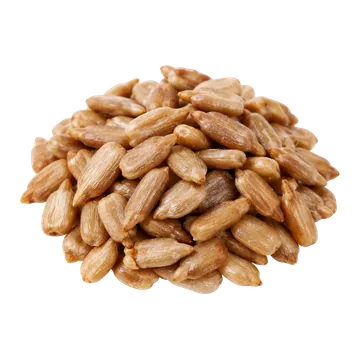 Sunflower seeds, dry-roasted
Worth knowing
96.4 µgper servingHow it’s rated
Flagged for people with nickel contact allergy: EFSA's 2020 lowest-observed-adverse-effect level is 4.3 µg Ni/kg body weight after a single oral dose, 301 µg at 70 kg. A 30 g serving carries 96 µg (1.38 µg/kg body weight), a margin of only 3.1, while EFSA treats 30 or more as low concern. About 94 g would reach the level itself, and 3.1 g leaves a margin of 30.
Intake: 30 g shelled serving, one sitting · Level in the food: 3,212 ng/g (mean of 15 annual TDS composites (as the nickel row), n = 15)
Measured on: as the nickel row
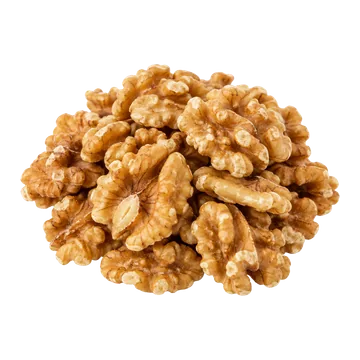 Walnuts, raw
Worth knowing
112.9 µgper servingHow it’s rated
Flagged for people with a nickel contact allergy: EFSA's 2020 lowest-observed-adverse-effect level (LOAEL) is 4.3 µg Ni/kg body weight (301 µg at 70 kg) for eczematous flare-ups after a single oral dose. A 30 g serving of walnuts carries 113 µg, 1.6 µg/kg body weight: a margin of 2.7 to the LOAEL, where EFSA treats a margin of 30 or more as low concern. About 80 g would reach the LOAEL itself.
Intake: 30 g shelled serving, one sitting · Level in the food: 3,764 µg/kg (mean (FDA TDS, as above), n = 22)
Measured on: as the nickel row
Sources
- BfR MEAL Study: mercury, cadmium, lead and nickel in 356 foods prepared as consumed in Germany. Food Chemistry: X 2022, doi:10.1016/j.fochx.2022.100326 · PMID 35601214 · pmc.ncbi.nlm.nih.gov
bfr-meal-2022-hg-cd-pb-ni· full text read · open access (PMC) - EFSA CONTAM Panel (2020). Update of the risk assessment of nickel in food and drinking water. EFSA Journal 18(11):6268 (PMC7643711) · doi:10.2903/j.efsa.2020.6268 · doi.org
efsa-2020-nickel· full text read · CC BY (EFSA Journal)