Manganese
In the body: No evidence shows harm from the manganese in food. Too much, from dust breathed at work or water very high in it, mainly affects the nervous system.
None of the 3 rated foods needs a cap on how often you eat it: no amount anyone really eats reaches the daily limit. One more reviewed food carries it but isn’t rated yet.
Too much of a nutrient. For a food measured against it: the grams that reach the upper intake level, eaten every day.
The limit
- The agency’s figure11 mg/day
- Basisupper intake level (UL): the most to take in every day
upper intake level (UL) adults 19-50 (Health Canada DRI table / NASEM); EFSA has an AI of 3 mg/day and no UL - Average adult intake AI 2.3 mg/day men, 1.8 women (Health Canada)
- Applies tototal intake
- Source ?Health Canada, dietary reference intakes
Reviewed foods that carry it
4 reviewed foods carry it, 3 of them rated by dose.
Grams to the limit ?
Grams of each food that reach the limit in its window, for a 70 kg adult. Fewest first: those are the foods to watch.
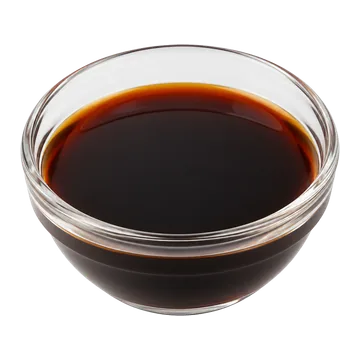 Soy sauce
Nothing to watch: under the limit for a 16 g serving
More than anyone eatsNo realistic amount reaches the limit.0.163 mg per 16 g servingUS food database (USDA SR Legacy) · grade C ?
How it’s rated
The counted figure is 1,100 g a day, about 68 servings a day.
No cap: Health Canada's tolerable upper intake level for manganese is 11 mg a day for adults. A tablespoon carries 0.163 mg on the USDA listing, 1.5% of the level, and about 1,080 g of soy sauce a day, eaten alone, would reach it; FDA's Total Diet Study measured about the same (0.155 mg a tablespoon). Manganese is mostly a nutrient here.
Intake: one tablespoon (15 mL, 16 g) a day, 70 kg adult · Level in the food: 1.018 mg/100 g (listed value, n = 6)
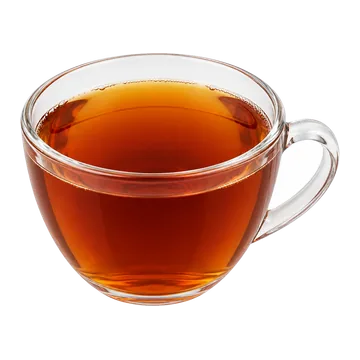 Black tea, brewed
Nothing to watch: under the limit for a 250 g serving
More than anyone eatsNo realistic amount reaches the limit.0.547 mg per 250 g servingUS food database (USDA SR Legacy) · grade C ?
How it’s rated
The counted figure is 5,000 g a day, about 20 servings a day.
No cap: the tolerable upper intake level for manganese is 11 mg/day for adults, from all sources (Health Canada, NASEM). One cup carries 0.55 mg on the USDA listing, 5% of that level, 24% of the adequate intake for men (2.3 mg/day) and 30% of women's (1.8); about 20 cups would reach the level. Health Canada's Total Diet Study measured about twice as much in black tea as consumed (1.06 mg a cup), and strength varies with the brew. EFSA sets an adequate intake of 3 mg/day and no upper level.
Intake: one 250 mL (250 g) cup a day, 70 kg adult · Level in the food: 0.219 mg/100 g (listed value)
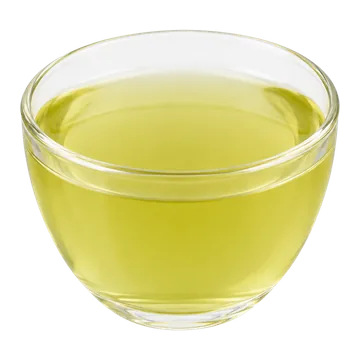 Green tea, brewed
Nothing to watch: under the limit for a 250 g serving
More than anyone eatsNo realistic amount reaches the limit.0.46 mg per 250 g servingUS food database (USDA SR Legacy) · grade C ?
How it’s rated
The counted figure is 6,000 g a day, about 24 servings a day.
No cap: Health Canada's upper intake level for manganese is 11 mg/day for adults 19–50; EFSA sets none. One cup of brewed green tea carries 0.46 mg on the USDA listing, 4.2% of the limit, and about 5,980 g a day (24 cups), eaten alone, would reach it. FDA's Total Diet Study measured 0.85 mg a cup in tea brewed from bags (type not stated). Tea is also a main dietary source of this nutrient (adequate intake 2.3 mg/day for men, 1.8 for women).
Intake: one 250 mL (250 g) cup a day, 70 kg adult · Level in the food: 0.184 mg/100 g (listed value, n = 12)
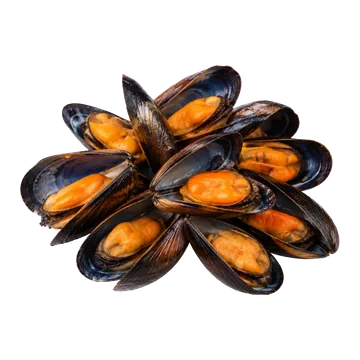 Mussels, cooked
Worth knowing
6.8 mgper servingUS food database (USDA SR Legacy) · grade C ?
How it’s rated
Flagged for manganese: Health Canada's upper intake level is 11 mg/day for adults 19 and over, from all sources. Cooked blue mussel is listed at 6.8 mg per 100 g (one USDA database value, not a survey), so about 162 g cooked a day would reach it, and a 100 g serving is 62% of the limit on its own.
Intake: 100 g cooked (HC TRA I.3), one serving a day · Level in the food: 6.8 mg/100 g (listed value)
Sources
- USDA FoodData Central, SR Legacy, 2018-04
fdc-sr-legacy-2018-04· dataset · CC0 1.0 (public domain) - Health Canada, Dietary reference intakes tables: Reference values for elements
hc-dri-elements· page · Government of Canada terms (Crown copyright; not OGL)