Latex-fruit syndrome
In the body: An allergy is the immune system reacting to the food.
Not rated by dose: a flag on 5 reviewed foods, among them kiwis, Mango, raw and Pineapple, raw.
For some people. Allergies, medicines and medical conditions: a flag for the people the source names, no wider.
The reference value and where it comes from
- The agency’s figureno agency dose value
- Basislatex-fruit syndrome (cross-reactivity in latex allergy)
- Source ?American College of Allergy, Asthma and Immunology
Reviewed foods that carry it
5 reviewed foods carry it; none is rated by dose.
How often you can eat it ?
No food here is rated by dose. Each line says why it’s listed: a flag for the people the source names, advice on handling it, or context.
Flags and context, not rated by dose
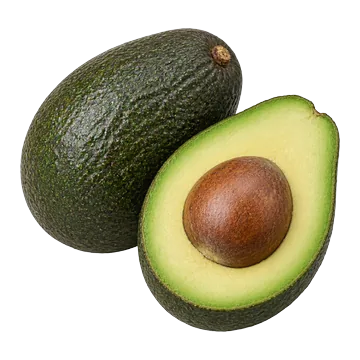 Avocado, raw
Worth knowing
American College of Allergy, Asthma and Immunology · grade B ?
How it’s rated
Avocado is named by ACAAI among the foods 'most likely' to cross-react in latex allergy; the Allergy & Asthma Network (advocacy education body) puts it in its high-cross-reactivity group and says 30-50% of people with latex allergy react to foods. Gromek 2024: avocado the leading food in Beezhold 1996 (Canada, n = 47: 27% by history plus skin test, 70% by skin test) and Lavaud 1995 (59%); overall latex-fruit prevalence 4-88% by method; shared class I chitinases (Hev b 11). Not a Health Canada priority allergen.
Intake: not applicable (flag)
Measured on: person-specific: natural-rubber-latex allergy
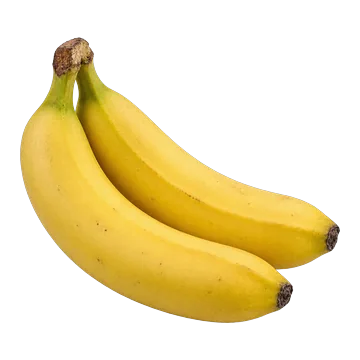 Banana, raw
Worth knowing
PubMed 39064262 · grade B ?
How it’s rated
Banana is one of the four fruits most often involved in latex-fruit syndrome (review; prevalence among latex-allergic patients 4-88% by method and region). A separate Turkish series of 47 children with a banana reaction history and positive banana IgE reacted in 13% of double-blind challenges.
Intake: not applicable (flag)
Measured on: person-specific: natural-rubber-latex allergy
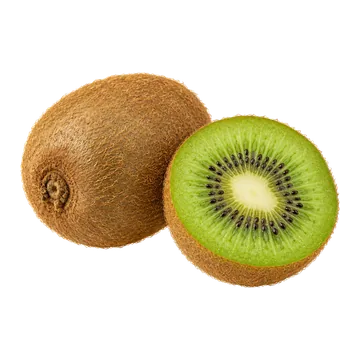 Kiwi, raw
Worth knowing
PubMed 39064262 · grade B ?
How it’s rated
Flagged for people with a latex allergy: in a 2024 review of latex-fruit syndrome, kiwi is the second most commonly reported causative fruit (3 studies, 2 countries) after banana. Chitinase (a Hev b 11 homologue) is named as a shared allergen group, and in a smaller cohort kiwi triggered symptoms in 5 of 13 patients with features of the syndrome.
Intake: one 140 g serving a day, 70 kg adult
Measured on: Latex-fruit syndrome review (Gromek 2024): kiwi is the second most commonly reported causative fruit (3 studies, 2 countries) after banana.
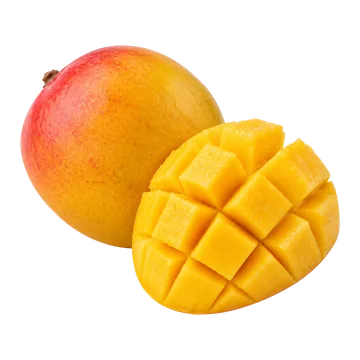 Mango, raw
Context
PubMed 39064262 · grade B ?
How it’s rated
Shown as context, not rated: relevant only to people with a latex allergy. In a 2024 review of latex-fruit syndrome, mango appears only in a list of other foods that patients have reported reacting to. Mango is not on Health Canada's priority allergen list.
Intake: one 140 g serving a day, 70 kg adult
Measured on: Latex-fruit syndrome review (Gromek 2024): mango appears only in a list of other foods that patients with latex-fruit syndrome have reported reacting to; it is not among the most prevalent causative fruits.
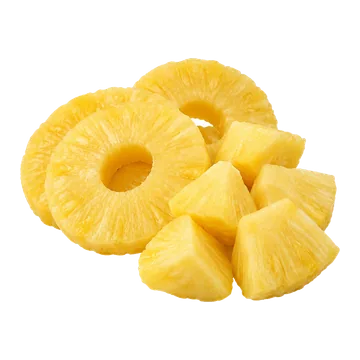 Pineapple, raw
Context
PubMed 39064262 · grade B ?
How it’s rated
Shown as context, not rated, for people with a latex allergy: in a latex-fruit syndrome review (Gromek 2024) pineapple appears only in a list of other foods that patients have reported reacting to, not among the most prevalent causes (banana, kiwi, avocado, papaya). It is not a Health Canada priority allergen.
Intake: one 140 g serving a day, 70 kg adult
Measured on: Latex-fruit syndrome review (Gromek 2024): pineapple appears only in a list of other foods that patients with latex-fruit syndrome have reported reacting to; it is not in the review's ranking of the most prevalent causative fruits (banana, kiwi, avocado, papaya).
Sources
- American College of Allergy, Asthma and Immunology (ACAAI). Latex allergy (patient page)
acaai-latex· page · website terms (not reproduced beyond a short quote) - Gromek W, Kolodziejczyk N, et al. Revisiting latex-fruit syndrome after 30 years of research: a comprehensive literature review and description of two cases. J Clin Med 2024;13(14):4222 · doi:10.3390/jcm13144222 · PMID 39064262
pmid:39064262· full text read · CC BY 4.0