Charring compounds
In the body: They form when meat is cooked at high heat. At very high doses they caused cancer in animals; studies in people have not shown a clear link.
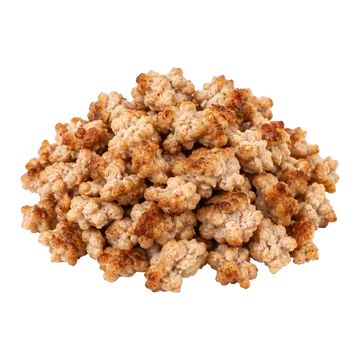
Not rated by dose: a flag on 9 reviewed foods, among them roast chicken breast, Chicken thigh, roasted and Ground turkey, 93% lean, cooked.
Background. Shown, not scored: no dose basis at normal intake, a classification rather than a risk, or legal limits only.
The reference value and where it comes from
- The agency’s figureno agency dose value
- Basisheterocyclic amines and polycyclic aromatic hydrocarbons (PAHs) from high-heat cooking; no agency occurrence figure
- Source ?IARC Monographs Vol
Reviewed foods that carry it
9 reviewed foods carry it; none is rated by dose.
How often you can eat it ?
No food here is rated by dose. Each line says why it’s listed: a flag for the people the source names, advice on handling it, or context.
Flags and context, not rated by dose
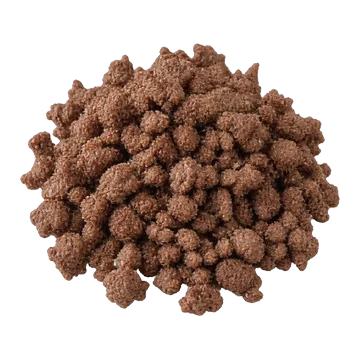 Ground beef, 80% lean, cooked
Not rated yet
How it’s rated
No agency reference value or margin of exposure (MOE) exists; IARC says pan-frying produces more heterocyclic aromatic amines and polycyclic aromatic hydrocarbons (PAHs) but there were not enough data to conclude whether cooking method changes cancer risk
Intake: not applicable (flag)
Measured on: cooking-generated: pan-browning
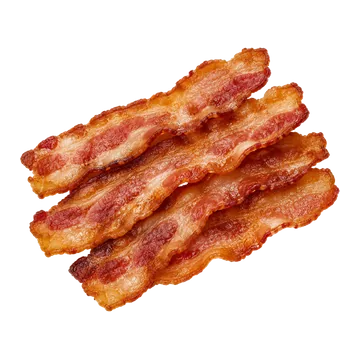 Bacon, pan-fried
Context
How it’s rated
Context only (no agency reference value for heterocyclic amines (HCAs); IARC: high-temperature frying 'produces more of certain types of carcinogenic chemicals', with no change in risk established by cooking method).
Intake: not applicable (flag)
Measured on: Niklas 2023, pan-fried bacon cubes and slices, Denmark: individual heterocyclic aromatic amines at or below 1.5 ng/g, ready-to-eat bacon 0.9-2.9 ng/g
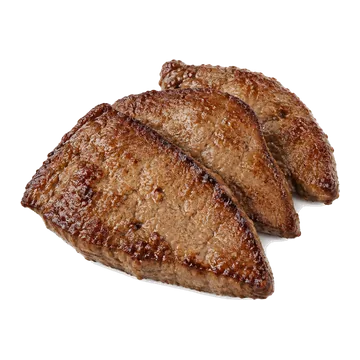 Beef liver, pan-fried
Context
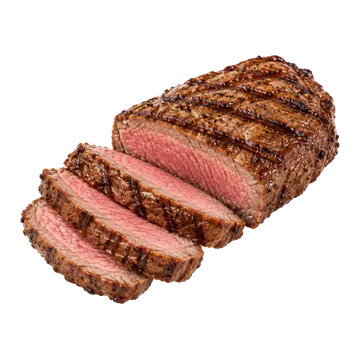
How it’s rated
Shown as context, not rated: no agency sets a reference point for heterocyclic amines, and no agency figure for grilled beef was found. IARC says cooking at high temperatures or in direct contact with a flame or hot surface, as in barbecuing or pan-frying, produces more of certain carcinogenic chemicals, but there were not enough data to conclude that the cooking method changes cancer risk. IARC places IQ in Group 2A and PhIP in Group 2B.
Intake: not applicable (context)
Measured on: cooking-generated (heterocyclic aromatic amines and PAH); grilling is the high-temperature method in IARC's example
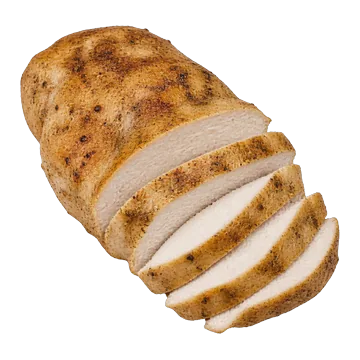 Chicken breast, roasted
Context
IARC Monographs Vol · grade B ?
How it’s rated
IARC Vol. 56 (1993) classifies individual heterocyclic amines: IQ as 2A, PhIP as 2B. No agency reference point or margin of exposure exists for them. IARC's red-meat classification covers mammalian muscle meat (WHO), so it does not include chicken. Charring forms these compounds: this is preparation advice only.
Intake: not rated
Measured on: agency classification only (no occurrence figure sought for chicken)
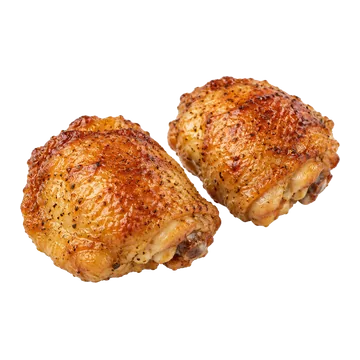 Chicken thigh, roasted
Context
How it’s rated
Shown as context, not rated: no agency sets a reference point for heterocyclic amines, and no agency source gave PAH4 levels in chicken. IARC says high-temperature cooking produces more of certain carcinogenic chemicals, including polycyclic aromatic hydrocarbons and heterocyclic aromatic amines, but there were not enough data to say whether the way meat is cooked changes the risk. IARC did not evaluate the cancer risks of eating poultry or fish.
Intake: not applicable (context)
Measured on: cooking-generated (heterocyclic aromatic amines, PAH); no agency occurrence figure for roasted or grilled chicken found
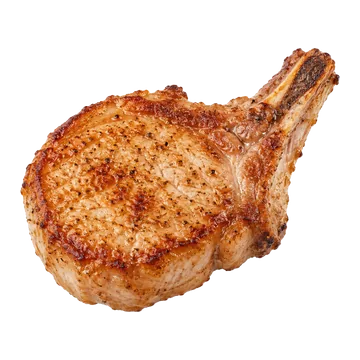 Pork chop, pan-fried
Context
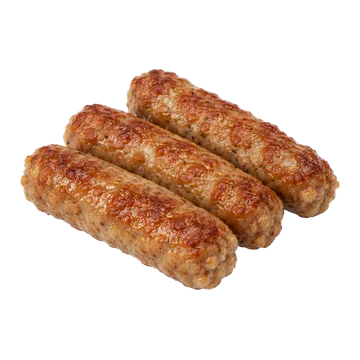 Pork sausage, pan-fried
Context
How it’s rated
Shown as context, not rated: no agency sets a reference point for heterocyclic amines, and none gives a figure for pan-fried sausage. IARC says pan-frying produces more of certain carcinogens, including polycyclic aromatic hydrocarbons and heterocyclic aromatic amines, but there were not enough data to conclude that the cooking method changes cancer risk.
Intake: not applicable (context)
Measured on: cooking-generated (pan-frying)
Sources
- IARC, Q&A on the carcinogenicity of the consumption of red meat and processed meat (2015)
iarc-vol114-qa-2015· full text read · IARC 2015, all rights reserved - IARC Monographs Vol. 56 (1993), IQ: overall evaluation (IPCS INCHEM mirror, last updated 1997-08-21)
iarc-vol56-iq· page · IARC/WHO