Vitamin A in pregnancy
In the body: Liver is very high in preformed vitamin A, which can harm an unborn baby.
Not rated by dose: a flag on 2 reviewed foods, among them Beef liver, pan-fried and Chicken liver, simmered.
Pregnancy, babies and young children. Stricter agency advice for these stages of life. Gram figures elsewhere on this site count a 70 kg adult, unadjusted for pregnancy, babies or young children; the advice here is the agency’s own for them.
The reference value and where it comes from
- The agency’s figureno agency dose value
- Basisagency advice: women planning pregnancy or pregnant should not consume liver products (EFSA 2024); PHAC: limit liver
- Average adult intake the figure to count against is the upper intake level for preformed vitamin A, 3,000 µg RE/day
- Applies topregnancy
- Source ?EFSA 2024
Reviewed foods that carry it
2 reviewed foods carry it; none is rated by dose.
How often you can eat it ?
No food here is rated by dose. Each line says why it’s listed: a flag for the people the source names, advice on handling it, or context.
Flags and context, not rated by dose
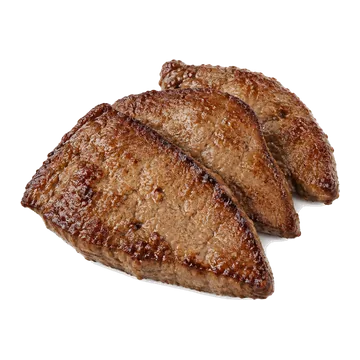 Beef liver, pan-fried
Worth knowing
How it’s rated
Flagged for women who are or plan to be pregnant: EFSA 2024 advises against eating liver products, and the Public Health Agency of Canada advises limiting liver. Neither states a dose; the 3,000 µg RE upper intake level (38.8 g of this liver) is the figure to count against. The agencies differ in strength, and the human data conflict on the main teratogenic metabolite, all-trans retinoic acid: Buss 1994 found it up to 20 times lower after calf liver than after a supplement of the same retinol dose, while van Vliet 2001 found it, to a lesser extent, higher after liver paste. van Vliet 2001 and Hartmann 2005 both found 13-cis metabolites higher after liver.
Intake: not applicable (flag)
Measured on: life-stage advice for pregnant women and women planning pregnancy
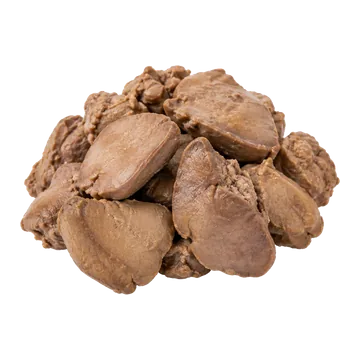 Chicken liver, simmered
Worth knowing
How it’s rated
Flagged for women who are or plan to be pregnant: EFSA 2024 advises against eating liver products, and the Public Health Agency of Canada advises limiting liver. Neither gives an amount; the 3,000 µg RE upper intake level (75.4 g of this liver) is the figure to count against. The human studies of retinoic acid metabolites after liver (Buss 1994, van Vliet 2001, Hartmann 2005) used calf liver, liver paste and unspecified liver, none chicken.
Intake: not applicable (flag)
Measured on: life-stage advice for pregnant women and women planning pregnancy
Sources
- EFSA NDA Panel (2024). Scientific opinion on the tolerable upper intake level for preformed vitamin A and beta-carotene. EFSA Journal 22(6):e8814 · doi:10.2903/j.efsa.2024.8814
efsa-2024-vitamin-a-ul· full text read · licence not recorded