Norovirus
In the body: Vomiting and diarrhea for a day or two.
Not rated by dose: a flag on 5 reviewed foods, among them Pacific oysters, raw, Raspberries, raw and strawberries. The list below has a line for each of 6 preparations.
Depends how you handle it. Safe one way, risky another: cook it, soak it, boil it or freeze it, as the agency says.
The reference value and where it comes from
Reviewed foods that carry it
5 reviewed foods carry it; none is rated by dose. A food counts once, as in the foods list: preparations sharing a page (raw and cooked, canned) count once; one with its own page counts apart. Below, one line for each of 6 preparations.
How often you can eat it ?
No food here is rated by dose. Each line says why it’s listed: a flag for the people the source names, advice on handling it, or context.
Flags and context, not rated by dose
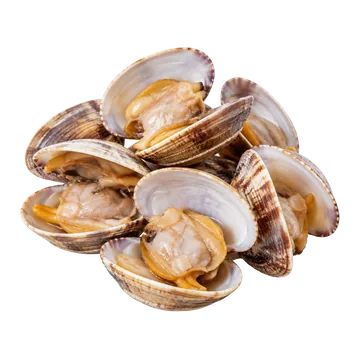 Clams, cooked
Worth knowing
How it’s rated
Flagged for raw or lightly cooked clams: norovirus is a risk that depends on the form, and there is no dose figure. In 2016–17, 331 cases in Canada were linked to British Columbia oysters (no clam-specific outbreak was searched), and PHAC's shellfish heat-treatment advice is 90 °C for at least 90 seconds.
Intake: raw or lightly cooked bivalves
Measured on: Canada 2016-17: 331 cases linked to BC oysters; shellfish heat treatment advice 90 °C for at least 90 seconds (PHAC)
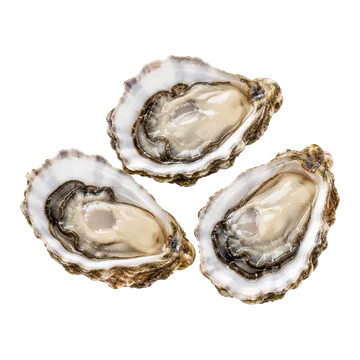 Eastern oysters, raw
Worth knowing
How it’s rated
Flagged for anyone eating raw or lightly cooked oysters: norovirus, with no dose figure. PHAC says lightly cooking oysters is not enough; they need 90 °C for at least 90 seconds. From December 2016 to March 2017, 331 cases of gastrointestinal illness were linked to British Columbia oysters (BC 230, Alberta 42, Ontario 59), with no deaths. A second outbreak, mid-March to mid-April 2018, caused 176 cases (BC 137, Alberta 14, Ontario 25), again no deaths, and closed with the cause of contamination not determined.
Intake: raw or lightly cooked oysters
Measured on: Canada Dec 2016 to Mar 2017: 331 clinical cases of gastrointestinal illness linked to BC oysters (BC 230, Alberta 42, Ontario 59), no deaths; a second outbreak, mid-March to mid-April 2018: 176 cases (BC 137, Alberta 14, Ontario 25), no deaths, raw BC oysters, notice of 1 Aug 2018, closed with the cause of contamination not determined
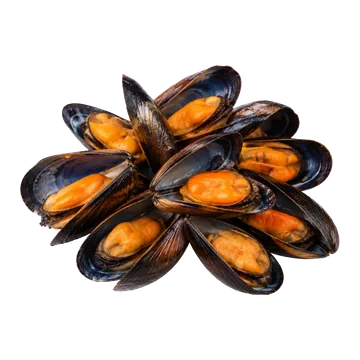 Mussels, cooked
Worth knowing
How it’s rated
Flagged for mussels and clams eaten raw or only until the shells open: this is an outbreak risk of the form eaten, with no dose figure. The Canadian record is oysters, with 331 cases linked to BC oysters in 2016-17; PHAC's heat-treatment advice for shellfish is 90 °C for at least 90 seconds.
Intake: raw or lightly cooked bivalves
Measured on: Canada 2016-17: 331 cases linked to BC oysters; shellfish heat treatment advice 90 °C for at least 90 seconds (PHAC)
- Pacific oysters, raw
Worth knowing
How it’s rated
Flagged for anyone eating raw or lightly cooked oysters: norovirus, with no dose figure. PHAC says lightly cooking oysters is not enough; they need 90 °C for at least 90 seconds. From December 2016 to March 2017, 331 cases of gastrointestinal illness were linked to British Columbia oysters (BC 230, Alberta 42, Ontario 59), with no deaths. A second outbreak, mid-March to mid-April 2018, caused 176 cases (BC 137, Alberta 14, Ontario 25), again no deaths, and closed with the cause of contamination not determined.
Intake: raw or lightly cooked oysters
Measured on: Canada Dec 2016 to Mar 2017: 331 clinical cases of gastrointestinal illness linked to BC oysters (BC 230, Alberta 42, Ontario 59), no deaths; a second outbreak, mid-March to mid-April 2018: 176 cases (BC 137, Alberta 14, Ontario 25), no deaths, raw BC oysters, notice of 1 Aug 2018, closed with the cause of contamination not determined
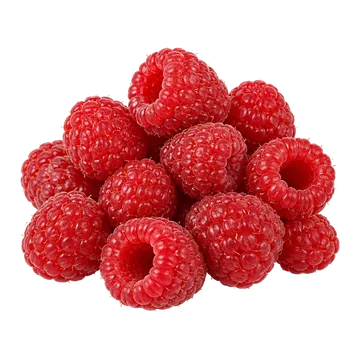 Raspberries, raw
Context
PubMed 35905649 · grade A ?
How it’s rated
Shown as context, not rated: in a CFIA retail survey of 4,218 fresh and frozen berry and pomegranate-aril samples (2016-2021), norovirus GI RNA was found in 1 fresh raspberry sample and no hepatitis A RNA in any sample. Overall prevalence was 0.36%, with no significant difference between fruit types, and the raspberry sample count is not in the abstract. The hepatitis A outbreak records (2016 frozen berry blend, 2022 strawberries) are on other berries, not raspberries.
Intake: fresh berries eaten unwashed (context)
Measured on: CFIA retail survey 2016-2021, 4,218 fresh and frozen berry and pomegranate-aril samples; fresh raspberries: norovirus GI RNA in 1 sample (denominator for raspberries not in the abstract; 926 fresh samples of all fruit); no hepatitis A RNA in any sample.
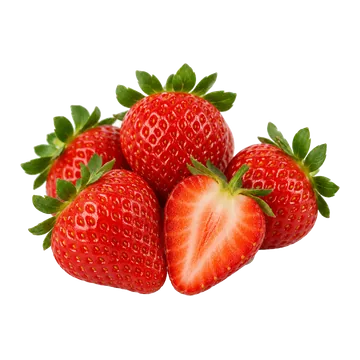 Strawberries, raw
Context
PubMed 35905649 · grade A ?
How it’s rated
Shown as context, not rated: in a CFIA retail survey of 4,218 fresh and frozen berry and pomegranate-aril samples in 11 cities (2016-2021), norovirus GII RNA was found in 1 fresh strawberry sample, and no hepatitis A RNA in any sample. The strawberry sample count is not in the abstract. Prevalence for all fresh and frozen fruit together was 0.36%, with no significant difference between fruit types.
Intake: fresh berries eaten unwashed or lightly rinsed (context)
Measured on: CFIA retail survey 2016-2021, 4,218 fresh and frozen berry and pomegranate-aril samples in 11 cities; fresh strawberries: norovirus GII RNA in 1 sample (denominator for strawberries not in the abstract; 926 fresh samples of all fruit); no hepatitis A RNA in any sample. Norovirus RNA detection is not proof of infectious virus.
Sources
- Public Health Agency of Canada, Public Health Notice - Ongoing outbreak of norovirus and gastrointestinal illnesses linked to raw and undercooked oysters from British Columbia, 11 May 2017 (final update)
phac-2017-norovirus-oysters· secondary source · Government of Canada terms (Crown copyright) - Steele M, Lambert D, Bissonnette R, Yamamoto E, Hardie K, Locas A (CFIA). Norovirus GI and GII and hepatitis A virus in berries and pomegranate arils in Canada. Int J Food Microbiol 2022 Oct 16 · doi:10.1016/j.ijfoodmicro.2022.109840 · PMID 35905649
pmid:35905649· abstract only · Publisher copyright (journal article)