Green tea catechins
In the body: Taken as a supplement, 800 mg of EGCG a day or more raised a blood marker of liver injury in a small share of people in trials. EFSA found no such concern for brewed tea at the amounts people drink.
Not rated by dose: a flag on one reviewed food, green tea.
Background. Shown, not scored: no dose basis at normal intake, a classification rather than a risk, or legal limits only.
A dose linked to an effect, not a limit
The dose at which the effect was seen in studies: not a safe amount or an allowance. No food on this page is counted against it.
- The agency’s figure800 mg EGCG/day (food supplement)
- BasisEFSA ANS 2018: evidence from interventional trials that EGCG doses of 800 mg/day or more taken as a food supplement (green tea extract, 4 months or longer) raise serum transaminases in a small percentage (usually under 10%) of people. EFSA set no health-based guidance value; for traditional infusions it finds a presumption of safety at reported intakes (effect level (no no-observed-adverse-effect level (NOAEL) or guidance value set))
- Average adult intake90–300 mg EGCG/day EFSA 2018: mean adult EGCG intake from green tea infusions 90-300 mg/day across EU surveys; high-level consumers up to 866 mg/day (Table 6: adults mean 85.98-321.21, 95th percentile 308-866.25)
- Applies toextracts and supplements; infusions not scored
- Source ?EFSA 2018
Reviewed foods that carry it
1 reviewed food carries it; none is rated by dose.
How often you can eat it ?
No grams figure: the agency gives an effect level, not a health-based limit, so there is nothing to count grams against.
No food here is rated by dose. Each line says why it’s listed: a flag for the people the source names, advice on handling it, or context.
Flags and context, not rated by dose
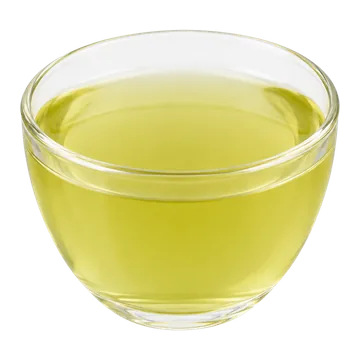 Green tea, brewed
Context
175 mgper servingEGCG per cupHow it’s rated
Shown as context, not rated: one 250 g cup carries about 175 mg of EGCG (0.7 mg/g, the USDA database mean of 100 brewed green teas), 22% of the 800 mg/day supplement effect level, and 4.6 cups reach 800 mg. Against EFSA's mean adult exposure from infusions (90–300 mg/day) a cup adds 58–194%. EFSA found no raised liver enzyme (ALT) at five or more cups a day or 700 mg EGCG/day from infusion; the effect level is for extracts, so it is not scored.
Intake: one 250 mL (250 g) cup a day, 70 kg adult · Level in the food: 700 µg/g (mean EGCG (0.7 mg/g of brewed green tea), n = 100)
Measured on: EFSA 2018 used the USDA Database for the Flavonoid Content of Selected Foods v3.1 mean for 100 brewed green tea samples from 12 references, 0.7 mg EGCG/g of brewed green tea; not a Canadian survey.
Sources
- EFSA ANS Panel. Scientific opinion on the safety of green tea catechins. EFSA Journal 2018;16(4):5239 · doi:10.2903/j.efsa.2018.5239 · PMID 32625874
efsa-2018-green-tea-catechins· secondary source · CC BY-ND 4.0