Diarrhetic shellfish toxins
In the body: Okadaic acid and its relatives can bring diarrhoea and vomiting, even from a smaller portion of contaminated shellfish.
Not rated by dose: a flag on 2 reviewed foods, among them Clams, cooked and Mussels, cooked.
Too much in one go. Harm from one big portion. A food measured against the agency’s dose shows the grams that reach it in one sitting.
The limit
- The agency’s figure0.3 µg OA equivalents/kg body weight
- Basisacute reference dose (ARfD): the most in one sitting
okadaic acid group: acute reference dose (ARfD) 0.3 µg okadaic acid equivalents/kg body weight (EFSA CONTAM 2008, as tabulated in EFSA's 2009 summary opinion), 18 µg for a 60 kg adult (acute reference dose (ARfD) (human poisoning data)) - Applies toper sitting; EFSA's large portion is 400 g of shellfish meat
- Source ?EFSA 2009
Reviewed foods that carry it
2 reviewed foods carry it; none is rated by dose.
Grams to the limit ?
No reviewed food here has a measured level yet, so none has a gram figure. The limit is shown, ready for the first measurement; each line below says what the food is flagged for.
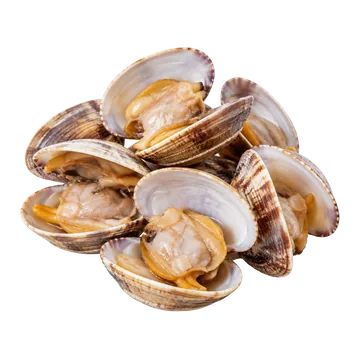 Clams, cooked
Not rated yet for a 100 g serving
No gram figure for this foodWe have no measurement of this in this food, so there is no gram figure.How it’s rated
Not rated: diarrhetic shellfish toxins are an acute, dose-based hazard, but no reference dose is applied here and no measured occurrence in clams was found, so there is no grams figure. EFSA takes 400 g as a realistic large portion of shellfish.
Intake: a large shellfish portion (EFSA: 400 g)
Measured on: no measured occurrence found
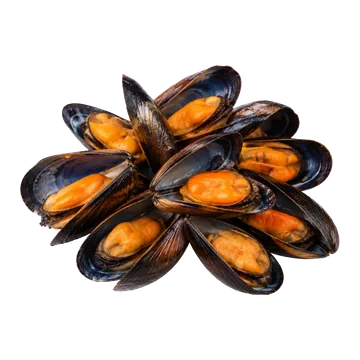 Mussels, cooked
Not rated yet for a 100 g serving
No gram figure for this foodWe have no measurement of this in this food, so there is no gram figure.How it’s rated
Not rated: EFSA's 2008 opinion on the okadaic acid group sets an acute reference dose, but the value was seen only in secondhand sources and is left out, and no measured occurrence was found, so there is no grams figure. EFSA notes that smaller portions of shellfish with these toxins can still cause diarrhoea and vomiting.
Intake: a large shellfish portion (EFSA: 400 g)
Measured on: no measured occurrence found
Sources
- EFSA, news story: EFSA issues advice on marine biotoxins (CONTAM Panel opinions on okadaic acid, azaspiracid, saxitoxin, domoic acid, yessotoxin and pectenotoxin groups), 26 August 2009
efsa-2009-biotoxins-press· secondary source · licence not recorded - EFSA CONTAM Panel (2009). Scientific Opinion on marine biotoxins in shellfish - Summary on regulated marine biotoxins. EFSA Journal 1306, 1-23 · doi:10.2903/j.efsa.2009.1306
efsa-2009-biotoxins-summary· full text read · licence not recorded