BPA from can linings
In the body: Same chemical as on the BPA page: EFSA’s 2023 limit rests on effects on the immune system seen in animal studies.
Not rated by dose: a flag on 2 reviewed foods, among them canned light tuna and Oysters, canned.
Background. Shown, not scored: no dose basis at normal intake, a classification rather than a risk, or legal limits only.
The same chemical as on the “Bisphenol A (BPA)” page, which holds the agency’s limit. This page only flags canned foods that can carry it. See also: Bisphenol A (BPA)
The reference value and where it comes from
- The agency’s figureno agency dose value
- Basiscan-lining bisphenol A (no food-specific agency value used)
- Source ?Health Canada, Trends of bisphenol A occurrence in canned food…
Reviewed foods that carry it
2 reviewed foods carry it; none is rated by dose.
How often you can eat it ?
No food here is rated by dose. Each line says why it’s listed: a flag for the people the source names, advice on handling it, or context.
Flags and context, not rated by dose
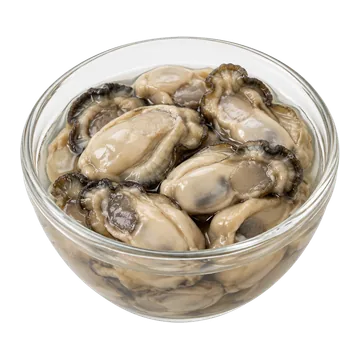 Oysters, canned
Not rated yet
Health Canada Total Diet Study, BPA · grade C ?
How it’s rated
Not rated: no bisphenol A value for canned oysters has been found yet. EFSA's 2023 tolerable daily intake gives a grams limit, so a measured canned-oyster value would turn this into a rated row. Whether the can is lined, and with what, varies by brand.
Intake: not applicable (flag)
Measured on: no bisphenol A value for canned oysters found. Health Canada's Total Diet Study canned fish composite (DD03 'tuna and salmon') is a different food: see canned salmon for its five composites.
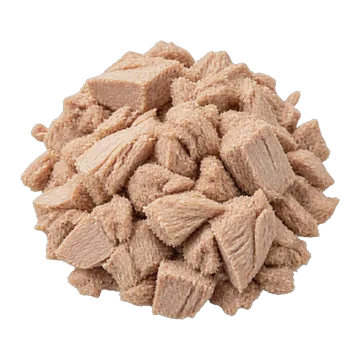 Light tuna, canned in water
Context
Health Canada, Trends of bisphenol A occurrence in canned food… · grade C ?
How it’s rated
Shown as context, not scored.
Intake: one 55 g serving a day, 70 kg adult
Measured on: context only; no value recorded (search-summary figures not opened)
Sources
- Health Canada, Canadian Total Diet Study - Bisphenol A (BPA) 2008-2012, 2016 (open.canada.ca, dataset 0497695c-dd4c-42d6-8201-45d63509f416, resource a75e3f05-5de9-4ae6-8da6-4d8d1b4bc75c)
hc-tds-bpa· dataset · Open Government Licence - Canada 2.0 - Health Canada, Trends of bisphenol A occurrence in canned food products from 2008-2020
open-science-bpa-trends· secondary source · not checked