Tomato glycoalkaloids
In the body: At high doses, potato glycoalkaloids bring nausea, vomiting and diarrhoea. For the tomato’s, EFSA could not characterise the risk for lack of data.
Not rated by dose: a flag on one reviewed food, canned tomatoes. The list below has a line for each of 2 preparations.
Background. Shown, not scored: no dose basis at normal intake, a classification rather than a risk, or legal limits only.
The reference value and where it comes from
Reviewed foods that carry it
1 reviewed food carries it; none is rated by dose. A food counts once, as in the foods list: preparations sharing a page (raw and cooked, canned) count once; one with its own page counts apart. Below, one line for each of 2 preparations.
How often you can eat it ?
No food here is rated by dose. Each line says why it’s listed: a flag for the people the source names, advice on handling it, or context.
Flags and context, not rated by dose
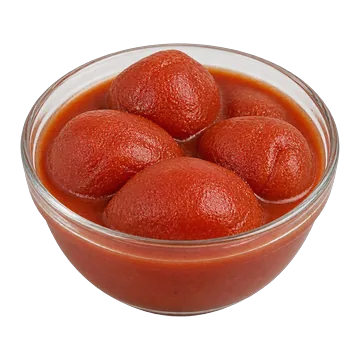 Tomatoes, canned
Not rated yet
How it’s rated
Not rated: EFSA (2020) could not characterize the risk of tomato glycoalkaloids for lack of occurrence data in food, and no canned-tomato figure was found. The nearest product in EFSA's literature summary, stewed red tomatoes, held 1.1 mg/kg in one US study from 1995; ripe red tomatoes hold little alpha-tomatine (from not detected to 23 mg/kg), far less than green ones.
Intake: one 125 mL serving a day (Health Canada V.1; 125 g at 1 g/mL), 70 kg adult
Measured on: EFSA 2020 (CONTAM): no occurrence data for tomato glycoalkaloids were submitted; its literature summary lists stewed red tomatoes at 1.1 mg/kg (one US study, 1995, n 1-3), the nearest product to canned
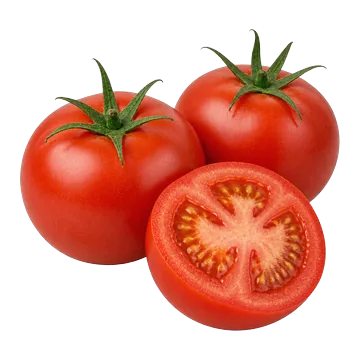 Tomatoes, raw
Not rated yet
How it’s rated
Not rated. EFSA 2020 (Summary): "the risk to human health could not be characterised due to the lack of occurrence data in food" for tomato and aubergine GAs, and the toxicity information is limited. The 1 mg/kg body weight lowest-observed-adverse-effect level (LOAEL) is for POTATO glycoalkaloids (alpha-solanine, alpha-chaconine) and does not transfer to tomatine. The red-ripe row is at the low end (nd-23 mg/kg); green tomatoes are a different food and are not this row. Tomato GA literature values for products (US 1995, n 1-3 each): stewed red tomatoes 1.1, condensed soup 2.2, sun-dried 21, ketchup 25, juice 28, red sauce 57 mg/kg; fried or microwaved green tomatoes 11-12.
Intake: one 85 g serving a day (Health Canada V.1), 70 kg adult
Measured on: EFSA 2020 (CONTAM): alpha-tomatine and alpha-dehydrotomatine; ripe tomatoes nd-23 mg/kg fw, green but mature nd-90, green immature 35-550 (total GAs); no occurrence data for tomato and aubergine GAs were submitted to EFSA
Sources
- EFSA CONTAM Panel (2020) Risk assessment of glycoalkaloids in feed and food, in particular in potatoes and potato-derived products. EFSA Journal 18(8):6222 · doi:10.2903/j.efsa.2020.6222 · PMID 32788943
efsa-2020-glycoalkaloids· full text read · EFSA Journal: CC BY-ND 4.0