Saturated fat
In the body: WHO’s guideline on saturated fat aims to lower the risk of diseases such as cardiovascular disease. Its 10% of energy is a goal for a whole diet, not a limit for one food.
Not rated by dose: a flag on one reviewed food, Coconut oil.
Background. Shown, not scored: no dose basis at normal intake, a classification rather than a risk, or legal limits only.
A reference figure, shown for context
A background hazard, shown for scale: no food on this page is rated against this figure.
- The agency’s figure10 % of total energy
- Basisa dietary goal for whole diets, not a toxic limit
WHO 2023 guideline: adults and children should limit saturated fatty acids to no more than 10% of total energy intake (a population dietary goal, not a toxicological limit) (population dietary goal) - Average adult intake No average intake from an agency survey is shown yet.
- Applies toall sources
- On food pagesA food’s page says “a lot per serving” when one serving gives 20% or more of the label’s daily value for saturated and trans fat together, 20 g (Health Canada’s Table of Daily Values). That is a yardstick for one serving; the WHO goal above is for a whole day’s eating.
- Source ?WHO 2023
Reviewed foods that carry it
1 reviewed food carries it; none is rated by dose.
How often you can eat it ?
No food here is rated by dose. Each line says why it’s listed: a flag for the people the source names, advice on handling it, or context.
Flags and context, not rated by dose
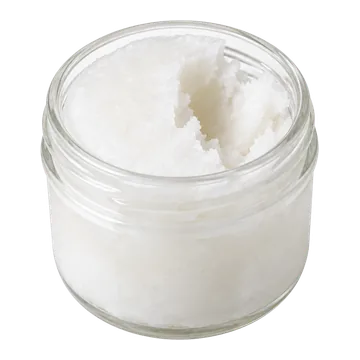 Coconut oil
Context
8.25 gper servingUS food database (USDA SR Legacy) · grade C ?
How it’s rated
Context (WHO 2023: under 10% of energy; 22.2 g on 2,000 kcal). One 10.0 g serving 8.25 g = 37% of that allowance; 2.7 servings reach it. LDL effect in trials below. Not scored.
Intake: one 10.0 g serving a day, 70 kg adult; 2,000 kcal diet · Level in the food: 82.475 g/100 g (listed value)
Sources
- USDA FoodData Central, SR Legacy, 2018-04
fdc-sr-legacy-2018-04· dataset · CC0 1.0 (public domain) - WHO. WHO updates guidelines on fats and carbohydrates (news, 17 July 2023), summarising the guideline on saturated and trans-fatty acid intake
who-sfa-tfa-2023· full text read · licence not recorded