Parasites in raw fish
In the body: Live worm larvae in raw fish can cause stomach upset and allergic reactions. Proper freezing or cooking kills them.
Not rated by dose: a flag on 3 reviewed foods, among them raw mackerel, Cod, raw and raw farmed salmon.
Depends how you handle it. Safe one way, risky another: cook it, soak it, boil it or freeze it, as the agency says.
The reference value and where it comes from
Reviewed foods that carry it
3 reviewed foods carry it; none is rated by dose.
How often you can eat it ?
No food here is rated by dose. Each line says why it’s listed: a flag for the people the source names, advice on handling it, or context.
Flags and context, not rated by dose
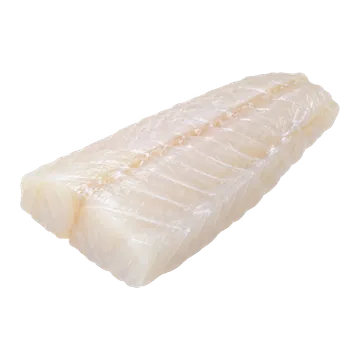 Cod, raw
Worth knowing
How it’s rated
Flagged for handling, for fish eaten raw: EFSA (2010) advises freezing or cooking fish that is eaten raw; cooked cod is not the route. Atlantic cod is a known host of Anisakis and Pseudoterranova (not sourced here), and no cod-specific nematode prevalence was searched. Health Canada's cooking rule for fish is 70 °C.
Intake: raw or lightly cured cod (ceviche, cured fillet)
Measured on: EFSA BIOHAZ news story on parasites in fishery products, 2010
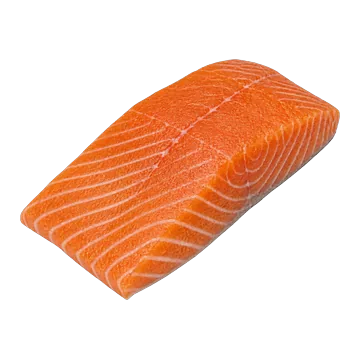 Farmed salmon, raw
Worth knowing
How it’s rated
Depends on preparation, and matters in pregnancy. Health Canada: freezing at -35 °C for at least 15 h or -20 °C for at least 7 days, or cooking to 70 °C for at least 1 min, kills parasites; Health Canada advises pregnant people to avoid raw seafood.
Intake: not applicable (flag)
Measured on: farmed Atlantic salmon, floating cages or onshore tanks, feed free of live parasites (EFSA BIOHAZ 2010 conclusion); wild fish not covered
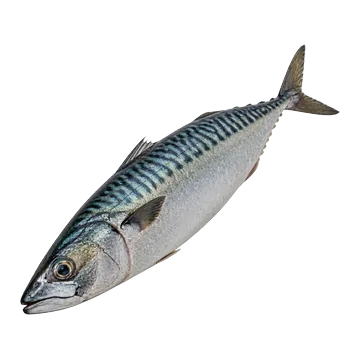 Mackerel, raw
Context
How it’s rated
Raw or lightly cured mackerel is a parasite route. EFSA: freezing (core) at -15 C for at least 96 h, -20 C for at least 24 h or -35 C for at least 15 h, or heating to a core of at least 60 C for at least 1 min, are the most effective treatments (they may not inactivate allergens). No prevalence number is asserted: the Part 2 tables list S. scombrus studies, counts not extracted. No Canadian agency page on Anisakis was found.
Intake: raw or undercooked eating
Measured on: agency context (EFSA 2024 re-evaluation): wild fish cannot be assumed free of larvae; Atlantic mackerel is in Norway's routine A. simplex surveillance
Sources
- EFSA, news story 'EFSA evaluates parasites in fish' on the BIOHAZ Panel scientific opinion on parasites in fishery products (published 14 April 2010)
efsa-2010-parasites-fish· page · EFSA website terms - EFSA BIOHAZ Panel. Re-evaluation of certain aspects of the EFSA Scientific Opinion of April 2010 on risk assessment of parasites in fishery products, based on new scientific data. Part 1: ToRs 1-3. EFSA J 2024 · doi:10.2903/j.efsa.2024.8719
efsa-2024-parasites-1· full text read · EFSA Journal open access (CC BY-ND)