Oxalic acid in rhubarb leaves
In the body: Rhubarb leaves are poisonous: they hold oxalic acid. Only the stalks are eaten.
Not rated by dose: a flag on one reviewed food, raw rhubarb.
Too much in one go. Harm from one big portion. A food measured against the agency’s dose shows the grams that reach it in one sitting.
The reference value and where it comes from
- The agency’s figureno agency dose value
- Basisoxalic acid, the poison in rhubarb leaves (MedlinePlus; oxalates are 'especially concentrated in the leaves', Queensland Poisons Information Centre); reported fatal oral doses of oxalic acid 3 to 30 g per person (EMA CVMP 2003), 15 to 30 g (CDC/NIOSH); no agency gives the oxalic acid content of the leaf
- Source ?Ema 2003
Reviewed foods that carry it
1 reviewed food carries it; none is rated by dose.
How often you can eat it ?
No food here is rated by dose. Each line says why it’s listed: a flag for the people the source names, advice on handling it, or context.
Named above but not among the foods we review, so no line below: rhubarb leaves.
Flags and context, not rated by dose
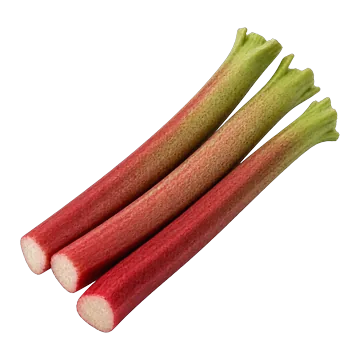 Rhubarb, raw
Not rated yet
How it’s rated
Shown as context, not scored: a handling hazard. The leaves must not be eaten; the stalk can be (MedlinePlus). Rhubarb's oxalates are most concentrated in the leaves (Queensland Poisons Information Centre). Reported fatal doses of oxalic acid are 3 to 30 g per person (EMA CVMP 2003) or 15 to 30 g (CDC/NIOSH). No agency gives the amount of oxalic acid in the leaves, so no amount of leaf can be named.
Intake: one 140 g serving a day (85 g is the alternative), 70 kg adult
Measured on: not food scope: rhubarb LEAVES (leaf blade). The stalk is the food. No agency dose for rhubarb leaves found; agency dose for oxalic acid itself: EMA 2003.
Sources
- EMEA CVMP. Oxalic acid: summary report. EMEA/MRL/891/03-FINAL, December 2003.
ema-2003-oxalic· full text read · EMA/EU document reuse terms (not checked)