Liver fluke (Fasciola)
In the body: A parasite that settles in the liver and bile ducts.
Not rated by dose: a flag on one reviewed food, watercress.
Depends how you handle it. Safe one way, risky another: cook it, soak it, boil it or freeze it, as the agency says.
The reference value and where it comes from
Reviewed foods that carry it
1 reviewed food carries it; none is rated by dose.
How often you can eat it ?
No food here is rated by dose. Each line says why it’s listed: a flag for the people the source names, advice on handling it, or context.
Flags and context, not rated by dose
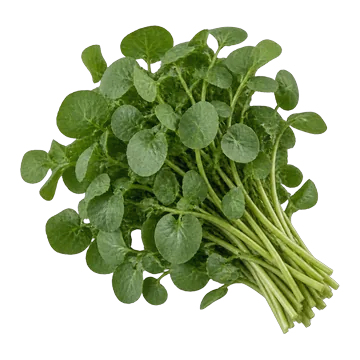 Watercress, raw
Worth knowing
How it’s rated
Handling advice, not a concentration: CDC advice is not to eat raw watercress and other freshwater plants, especially from areas where livestock feed on land covered by grass. Applies to where the plants grew, not to the species as such. The advice on cooking is not on the CDC Fasciola page; WHO's trematode fact sheet lists uncooked freshwater plants as a risk factor.
Intake: not applicable (flag)
Measured on: qualitative: CDC names raw watercress as a vehicle for Fasciola metacercariae; wild or field watercress in areas where livestock graze and Fasciola occurs. No agency occurrence rate for commercially grown watercress found.
Sources
- CDC. About Fasciola (Liver Flukes). Page dated 2024-02-14.
cdc-fasciola-2024· page · US government work (public domain)