Cucurbitacins (bitter squash)
In the body: Bitter compounds that can upset the gut: vomiting, diarrhea or stomach pain.
Not rated by dose: a flag on 2 reviewed foods, among them Zucchini, cooked and Butternut squash, baked.
Depends how you handle it. Safe one way, risky another: cook it, soak it, boil it or freeze it, as the agency says.
The reference value and where it comes from
- The agency’s figureno agency dose value
- BasisBfR advice: taste a raw piece before cooking; do not use the vegetable if it tastes bitter (no dose given) (agency advice)
- Average adult intake German poison centres: 60 to 70 consultations a year after zucchini (BfR 2015); no deaths reported to BfR or the centres at the time; BfR's communication followed a press report of a fatal case. French poison centres 2012-2016: 353 patients after non-edible squash, no deaths, 4.0% moderate (Le Roux 2018, PMID 29323540).
- Source ?BfR 2015
Reviewed foods that carry it
2 reviewed foods carry it; none is rated by dose.
How often you can eat it ?
No food here is rated by dose. Each line says why it’s listed: a flag for the people the source names, advice on handling it, or context.
Flags and context, not rated by dose
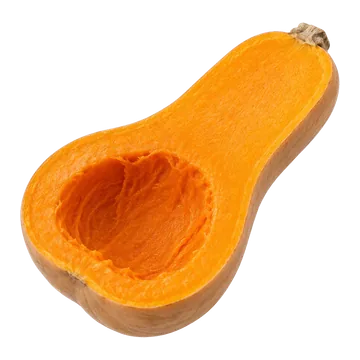 Butternut squash, baked
Worth knowing
How it’s rated
Flagged for bitter squash: the German BfR gives no concentration or threshold for cucurbitacins, only the rule to taste a raw piece before cooking and discard the vegetable if it is bitter. Edible cultivars are bred not to form them, and BfR knew of no poisonings from zucchini or pumpkins in 24 years; a French poison-centre series counted 353 patients after non-edible squash (2012-2016). Baking does not change the advice.
Intake: one serving a day
Measured on: BfR Communication No. 027/2015 (English one-page text; German full text also cited): cucurbitacin poisoning from bitter-tasting courgettes. The English one-page text names courgettes only; the German full text (p. 1) extends the warning to the botanically related Kuerbisse (pumpkins and squash), says edible cultivars have been bred not to form cucurbitacins, and reports no BfR-known poisonings from zucchini or pumpkins in 24 years; plus Le Roux 2018 (French poison centres, non-edible squash, abstract). No concentration or dose exists.
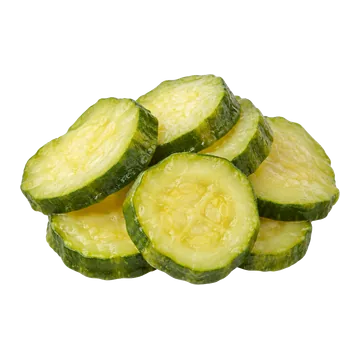 Zucchini, cooked
Worth knowing
How it’s rated
Flagged for a bitter-taste warning: Germany's BfR (Communication No. 027/2015) gives no concentration or threshold. Its rule is to taste a raw piece before cooking and discard the vegetable if it is bitter. Bitter courgettes and pumpkins contain cucurbitacins; symptoms are mostly gastrointestinal (vomiting, diarrhoea, abdominal pain) and occasionally last several days. BfR says the ability to form cucurbitacins was bred out of cultivated varieties, drought is widely suspected to raise levels, and levels vary by plant, ripeness and site; the cases it cites came from home-grown fruit, and German poison centres log 60 to 70 consultations a year after zucchini. Bitterness is the only detector, and cooking is not stated to destroy cucurbitacins.
Intake: one serving a day, 70 kg adult
Measured on: BfR Communication No. 027/2015 (4 Sept 2015, full German text read): cucurbitacin poisoning from bitter courgettes and pumpkins, mostly home-grown; German poison centres log 60 to 70 consultations a year after zucchini; no deaths reported to BfR or the centres at the time of writing.
Sources
- BfR (Bundesinstitut fur Risikobewertung), Caution when eating bitter-tasting courgettes (zucchini), BfR Communication No. 027/2015 of 4 September 2015; German: Vorsicht beim Verzehr von bitteren Zucchini (Mitteilung Nr. 027/2015)
bfr-2015-bitter-courgettes· full text read · licence not recorded