Grapefruit-type drug interactions
In the body: These fruits can block an enzyme in the gut that breaks down some medicines, so too much of the medicine gets into the blood.
Not rated by dose: a flag on 5 reviewed foods, among them oranges, Grapefruit, raw and Lemon juice.
For some people. Allergies, medicines and medical conditions: a flag for the people the source names, no wider.
The reference value and where it comes from
Reviewed foods that carry it
5 reviewed foods carry it; none is rated by dose.
How often you can eat it ?
No food here is rated by dose. Each line says why it’s listed: a flag for the people the source names, advice on handling it, or context.
Flags and context, not rated by dose
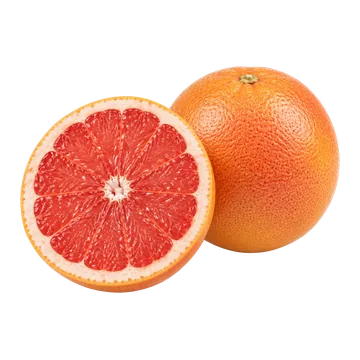 Grapefruit, raw
Worth knowing
How it’s rated
Flagged for people taking medicines that grapefruit interacts with: grapefruit raises the blood level of many drugs by blocking the gut enzyme CYP3A4. Health Canada says the effect can last three days or more, spacing the juice from the dose does not help, and one 250 mL glass can raise the drug level. FDA adds Seville oranges, pomelos and tangelos as possible equals. There is no dose limit; the advice is avoidance for people on interacting drugs. Total furocoumarins in US retail grapefruit average 21,857.9 ng/g (3 varieties), 2.3 times the juice (9,534.1 ng/g).
Intake: one 140 g serving a day, 70 kg adult · Level in the food: 21,857.9 ng/g (total furocoumarins, grapefruit) (mean (standard deviation 4255.4), n 3, n = 3)
Measured on: Melough, US retail grapefruit, total of 7 furocoumarins; grapefruit juice 9534.1 ng/g (the abstract prints 95341, a typo against the table), lime juice 14579.7, orange 0.5.
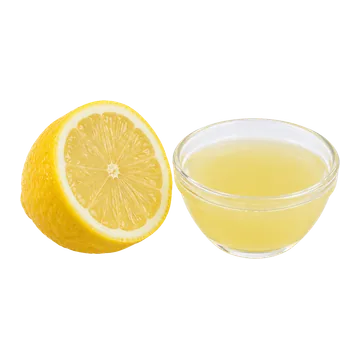 Lemon juice
Context
PubMed 28581738 · grade B ?
How it’s rated
Shown as context, not rated: Health Canada says lemons, limes, citrons, sweet oranges and tangerines are not thought to have grapefruit's drug-interaction effect. But total furocoumarins in US retail juice put lime juice (14,579.7 ng/g) above grapefruit juice (9,534.1), with lemon juice (1,560.8) at about a sixth of grapefruit juice. The totals include compounds (bergapten) that are not CYP3A4 inhibitors, so they do not by themselves show a drug interaction; Chen 2018 reports lime juice with antimalarials as a beneficial combination, and no lemon-juice interaction of concern.
Intake: 5 mL (5.2 g) a day · Level in the food: 1,560.8 ng/g (total furocoumarins, lemon juice) (mean (standard deviation 803.3), n 3, n = 3)
Measured on: Furocoumarin content, ng/g, US retail foods, 7 compounds summed; lemon juice 1560.8 (standard deviation 803.3), lime juice 14579.7, grapefruit juice 9534.1 (Table 4 as returned).
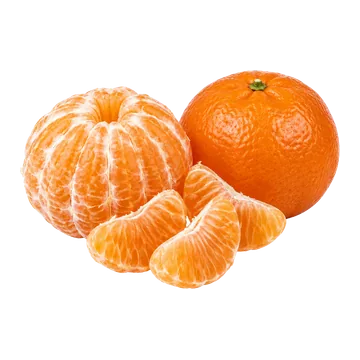 Mandarins, raw
Context
Health Canada 2017 · grade B ?
How it’s rated
Shown as context, not rated: Health Canada says most other citrus fruits, including tangerines, are not thought to have the grapefruit effect. Total furocoumarins in Melough's canned mandarin (9.7 ng/g) are about 2,000 times lower than in grapefruit (21,858 ng/g). The table has no fresh mandarin.
Intake: one 140 g serving a day · Level in the food: 9.7 ng/g (total furocoumarins, mandarin orange canned) (mean (standard deviation 5.4), n 3, n = 3)
Measured on: Melough, US retail foods, total of 7 furocoumarins; the table has no fresh 'mandarin' or 'tangerine' entry but does list fresh clementine, a mandarin type, at 0.2 (0.2) ng/g; canned mandarin orange (9.7 ng/g) is used here
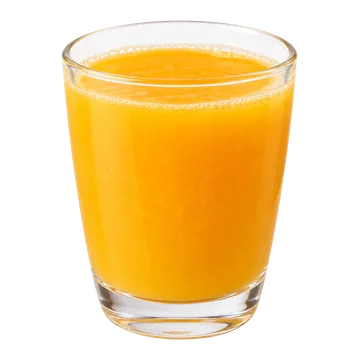 Orange juice
Context
Health Canada 2017 · grade B ?
How it’s rated
Shown as context, not rated: Health Canada says naturally sweet oranges are not thought to have the grapefruit effect, and the furocoumarin total (3.2 ng/g) agrees, about 3,000 times lower than grapefruit juice (9,534.1 ng/g). Seville (sour) oranges, used for marmalade, are the exception and are not this food. A separate mechanism has its own row.
Intake: one 250 mL glass (262 g) a day, 70 kg adult · Level in the food: 3.2 ng/g (total furocoumarins, orange juice) (mean (standard deviation 1.9), n 3, n = 3)
Measured on: Melough, US retail orange juice, total of 7 furocoumarins; grapefruit juice in the same table 9534.1 ng/g.
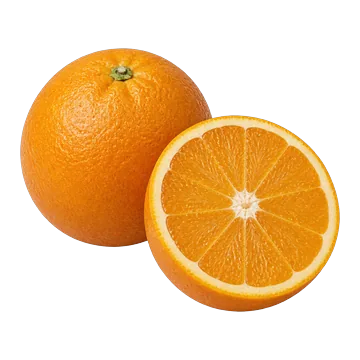 Oranges, raw
Context
How it’s rated
Shown as context. FDA names Seville oranges, not sweet oranges: 'Seville oranges (often used to make orange marmalade), pomelos, and tangelos ... might have the same effect as grapefruit juice.' Health Canada: 'Most other citrus fruits, such as lemons, limes, citrons, naturally sweet oranges and tangerines are not thought to have this effect.' Juice is different: FDA notes fexofenadine may not work as well with orange juice, and a review of juice trials lists lower uptake of several drugs with orange juice (abstract only).
Intake: n/a
Measured on: person-specific: people taking CYP3A4/P-gp-substrate drugs flagged against grapefruit
Sources
- US FDA, Grapefruit Juice and Some Drugs Don't Mix (Consumer Update; content current as of 2021-07-01)
fda-consumer-grapefruit-2021· page · US government work (public domain) - Health Canada, The Effects of Grapefruit and its Juice on Certain Drugs (page details 2017-05-04)
hc-grapefruit-drugs-2017· page · Government of Canada terms - Identification and quantitation of furocoumarins in popularly consumed foods in the U.S. using QuEChERS extraction coupled with UPLC-MS/MS analysis. J Agric Food Chem 2017 (PubMed 28581738; PMC8070520) · PMID 28581738 · pubmed.ncbi.nlm.nih.gov
pmid:28581738· abstract only · licence not recorded