Bacillus cereus
In the body: Brings vomiting or diarrhea within hours of eating.
Not rated by dose: a flag on 2 reviewed foods, among them white rice and Brown rice, cooked.
Depends how you handle it. Safe one way, risky another: cook it, soak it, boil it or freeze it, as the agency says.
The reference value and where it comes from
- The agency’s figureno agency dose value
- Basisagency handling advice (cooked rice held warm)
- Source ?Public Health Agency of Canada, Pathogen Safety Data Sheet: Bacillus…
Reviewed foods that carry it
2 reviewed foods carry it; none is rated by dose.
How often you can eat it ?
No food here is rated by dose. Each line says why it’s listed: a flag for the people the source names, advice on handling it, or context.
Flags and context, not rated by dose
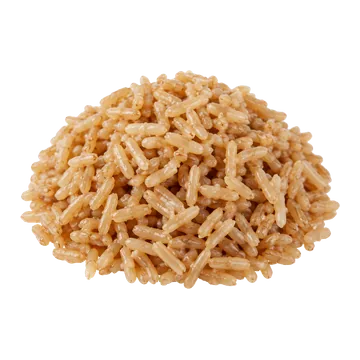 Brown rice, cooked
Worth knowing
Rodrigo 2021 · grade B ?
How it’s rated
Flagged for a handling warning: spores survive cooking, so cooked rice held warm is the risk. There is no dose limit and no grams figure. The flag is the same as for white rice; the one brown-rice-specific point is that high spore loads are described as more common in brown than in white rice.
Intake: not applicable (flag)
Measured on: cooked rice held warm; spores survive cooking
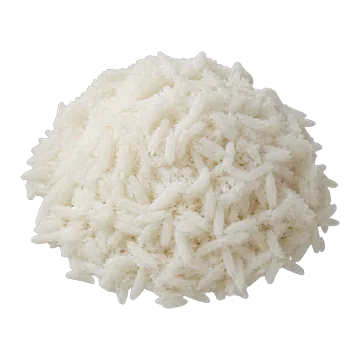 White rice, cooked
Worth knowing
Public Health Agency of Canada, Pathogen Safety Data Sheet: Bacillus… · grade B ?
How it’s rated
A handling flag: cooked rice kept in the 4-60 °C danger zone lets spores germinate and make the vomiting toxin (cereulide), which reheating does not destroy. Vomiting starts 0.5-6 hours after eating (PHAC). Cool cooked rice quickly, refrigerate it promptly, and do not rely on reheating.
Intake: not dose-based
Measured on: acute, preparation and handling (Type 3a, dose-and-handling, not presence): cooked rice held warm or cooled slowly
Sources
- Public Health Agency of Canada, Pathogen Safety Data Sheet: Bacillus cereus
phac-psds-bacillus-cereus· page · Government of Canada terms (Crown copyright; not OGL) - Rodrigo D, Rosell CM, Martinez A. Risk of Bacillus cereus in relation to rice and derivatives. Foods 2021;10(2):302 · doi:10.3390/foods10020302 · PMID 33540849
rodrigo2021· full text read · CC BY 4.0